Greenland on the chessboard: a Cold, bright island and a hot political moment
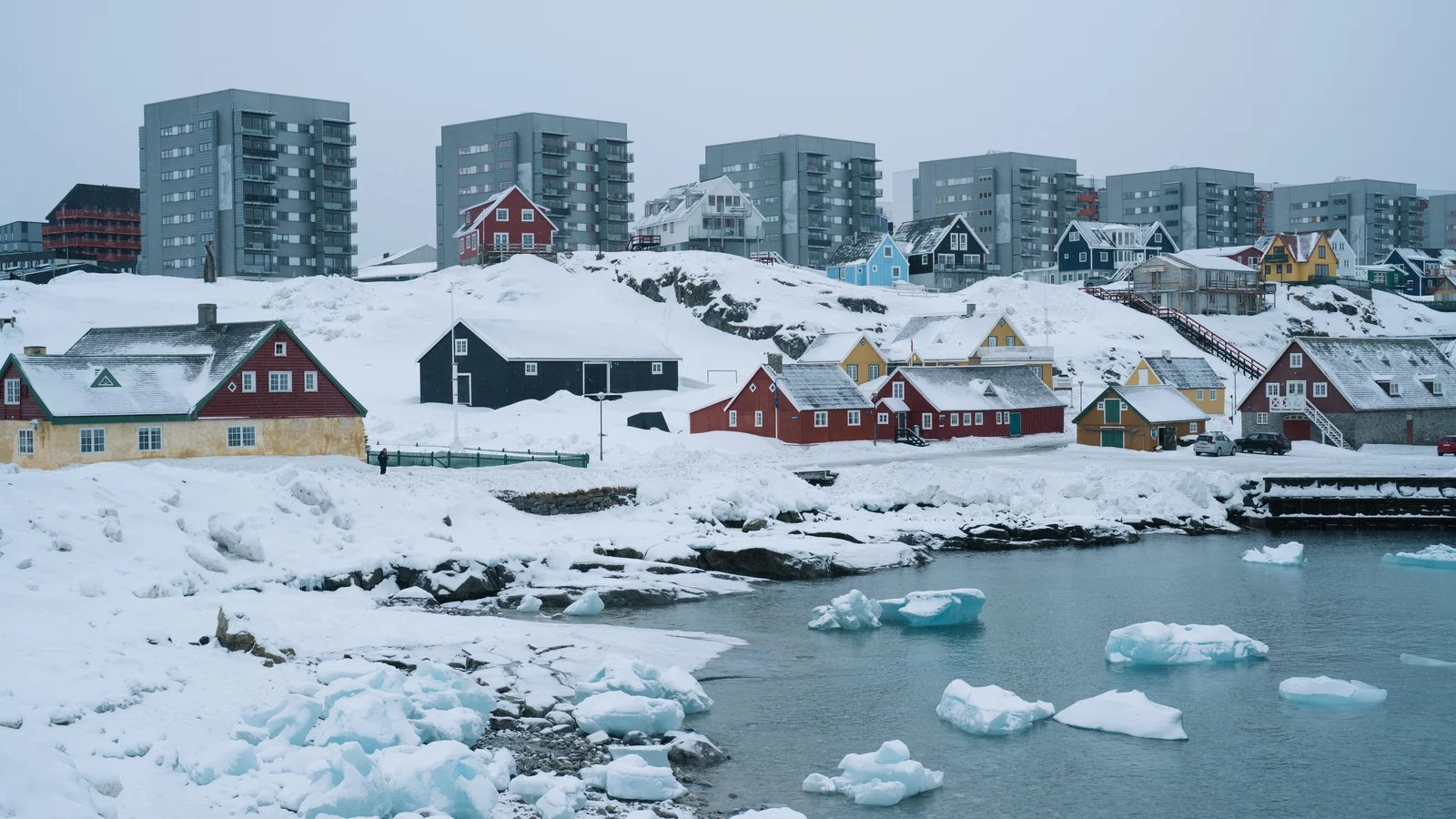
There is a strange intimacy to headlines that leap from the soft light of the Arctic to the polished lawns of Palm Beach. One moment you picture the hammered roofs and brightly painted houses of Nuuk, the next you are watching an aide-de-cue in Florida announce a new diplomatic role that promises to “lead the charge” for American control of a vast, ice‑choked island. It is a collision of worlds — the small-scale life of Kalaallit hunters and fishers and the high-stakes maneuvering of global powers — and it feels, for many who call Greenland home, like a hand abruptly reaching across a kitchen table to rearrange the family china.
The announcement that reopened old wounds
On a warm day in Palm Beach, former President Donald Trump named Louisiana Governor Jeff Landry as his special envoy to Greenland — a move that reignited debate over sovereignty, security, and old colonial ties. “We need Greenland for national security,” Trump told reporters, framing his case not in terms of industry or population, but in the stark language of geopolitics: location, ships, and the pull of rival powers.
Governor Landry, who has publicly backed the idea of Greenland joining the United States, thanked Trump on social media and described the envoy role as a volunteer assignment. “It’s an honor to serve,” he wrote, adding that the position would not affect his duties in Louisiana. In Washington parlance that reads like a planting of a flag; in Nuuk it reads like a provocation.
Voices from Nuuk — “Greenland belongs to Greenlanders”
Walk through Nuuk and listen for the small, steady replies. At a fishmonger near the harbor, an elderly woman who gave her name as Aqqaluk shook her head and said, “This is not a chess piece. My grandson goes out with a fishing line at dawn. He will be the one who holds this land — not a man on television.” A local municipal official, speaking on condition of anonymity, told me the appointment felt “old-fashioned and colonial. We’ve been building our own institutions since 2009.”
That 2009 self-rule agreement, which many Greenlanders rightly point to with pride, granted Nuuk the right to take over more domestic affairs and an explicit path toward eventual independence. Greenland is sparsely populated — roughly 57,000 people scattered across an area greater than Mexico — and still receives billions in annual subsidies from Denmark. But islanders are increasingly articulate about what they want: economic autonomy rooted in their own choices, not the strategic whims of great powers.
On an official level, Copenhagen and Nuuk were quick to push back. Denmark’s leadership and Greenland’s government released terse statements reminding the world of a simple principle: Greenland decides its own future. “You cannot annex another country — not even in the name of security,” they said when the announcement landed. For many Danes, the episode reopened awkward conversations about a post‑colonial relationship that has never been simple or one-size-fits-all.
What makes Greenland so tempting?
To the naked eye, it is a giant of ice and rock stretching between Europe and North America; to strategists it is a pivot point. Greenland hosts critical installations that have mattered since the early Cold War: weather stations, air bases used for early warning systems and, historically, the Thule Air Base in the north, which remains a linchpin in North American aerospace defense architecture. Its centrality is not just military. As the Arctic warms, previously frozen resources — from nickel and iron to uranium and rare earth elements embedded in its rocks — are drawing attention from governments and corporations determined to diversify supply chains away from dominant producers like China.
Climate change complicates everything. Melting ice opens possibilities while also accelerating geopolitical competition. Ships now find routes and resources once sealed under ice, and those changes have sharpened Washington’s appetite for a more visible presence in the region.
Diplomacy strained and energy projects on hold
Bellicose talk about “taking” Greenland was not the only lever pulled this week. The administration also moved to suspend leases for five large offshore wind projects along the U.S. East Coast — including developments by Denmark’s Orsted. That decision landed like a stone in the middle of an already frothy pond: Copenhagen interpreted it as a targeted pressure point, while American officials framed it as a recalibration of domestic energy priorities.
A senior Danish diplomat said they would summon the U.S. ambassador to “seek explanations” — a reminder that even among close NATO partners, trust can erode quickly when national interests collide. Political scientists in Copenhagen pointed out the irony: Denmark has increased its Arctic defense spending and sought to reassure allies, yet the appointment signaled that money and diplomacy have limits when push comes to strategic shove.
The “Golden Fleet” and a broader military posture
At the same time as the Greenland drama was unfolding, Trump unveiled plans for a new series of U.S. surface combatants dubbed the “Trump-class” battleships. He promised a fleet larger and faster than current ships, fitted with artificial intelligence and directed energy weapons, with an initial pair expanding eventually to some 20–25 vessels. The first would be christened USS Defiant. Officials said these ships would weigh in at more than 30,000 tons and—controversially—carry sea‑launched weapons that were described as nuclear-capable.
A defense analyst at a Washington think tank, who asked not to be named, warned: “Grand declarations like this are as much political theater as policy. The real questions are procurement, cost controls and whether shipyards can deliver complex platforms without cost overruns.” Indeed, the administration also signaled a desire to clamp down on dividends and buybacks at defense contractors whose projects run late — a move aimed at forcing performance through economic incentives.
Beyond headlines: questions this moment forces us to ask
What does sovereignty mean today, when climate change rewrites geography and when supply chains warp power balances across the globe? Whose consent matters when a resource-rich, strategically placed territory lies at the intersection of great-power rivalry? And perhaps most intimately: how do we reconcile the rights of small, indigenous communities to chart their own futures against the security anxieties of much larger states?
Greenland’s future will be decided in a thousand small conversations as much as in the corridors of Washington and Copenhagen — in town halls, in fisheries cooperatives, in the offices of young entrepreneurs trying to start sustainable tourism and in the heart of families who have lived here for generations. “We are not looking for a savior,” a 28-year-old fishing cooperative leader told me over coffee. “We need partners who listen, and not men who come with maps and make demands.”
Things to watch
- Greenlandic politics: moves toward more local economic control or renewed calls for independence.
- Arctic diplomacy: continuing negotiations between Denmark, Greenland, the United States, and NATO allies over defense commitments and infrastructure.
- Resource bids: foreign interest in mining, especially rare earths and uranium, and how Nuuk will regulate them.
- Climate impacts: the pace of ice melt and how changing access affects shipping lanes and ecosystems.
So where do we go from here?
For readers beyond the Arctic, Greenland can feel remote — an exotic headline you nod at before scrolling on. But this is not a parable about a tiny place being swallowed by geopolitics; it is an urgent, human story about agency, stewardship, and the global scramble for resources in a warming world. It asks us to consider whether the rules of diplomacy — respect for sovereignty, consultation with local communities, and restraint in using power — will hold when the ice has receded enough to reveal everything we have been arguing about.
Next time you see a map, look at that huge white area between continents and imagine the lives contained there: schoolteachers in Ilulissat, hunters in Qaanaaq, shopkeepers in Sisimiut. Who has the louder voice right now — them, or the distant capitals counting strategy on a whiteboard? The answer will matter for more than Greenland. It will tell us something about how the world chooses to act when the old maps no longer fit the new weather.