At the launch in London: a warning with a bite
Rain had the city half-hidden on the morning Amnesty International chose to unveil its annual report in London. Inside a conference room warmed by tea and too-bright lights, Dr Agnès Callamard spoke with the kind of bluntness that snaps a newsroom to attention: a public rebuke of the way power is being wielded across the globe.
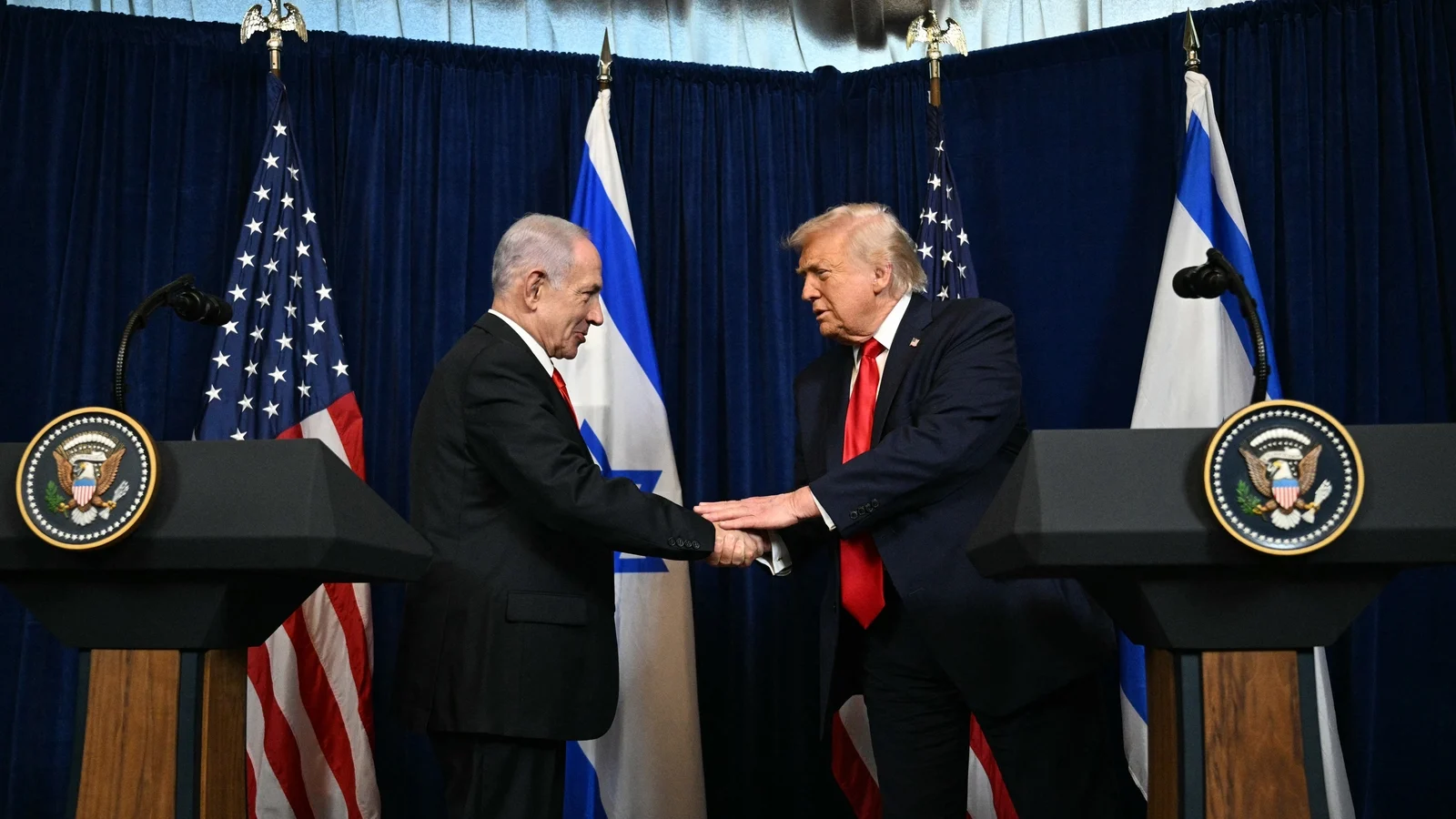
“Predators,” she said, naming three leaders by role and reputation—those at the top of many recent headlines—and accusing them of trying to impose a new world order premised on domination rather than cooperation. “This is an era of the coward,” she added later, a phrase that landed like a challenge. Journalists leaned in. Outside, small groups of protesters and curious passers-by separated into their camps, chanting or scrolling through their phones. The notes taken in that room felt like a ledger being opened.
Who are the predators, and what does that mean?
Amnesty’s report singles out the heads of some of the most consequential governments, arguing they have rejected the post‑World War II multilateral framework—built around institutions like the United Nations—and traded it for a “vision without moral compass.” The group paints a picture of leaders who prioritize force, economic leverage and unilateral action over diplomacy and shared norms.
“They are not simply politicians who disagree about policy. They are dismantlers,” said Emma Nash, a human rights lawyer who has worked on international accountability cases. “If you take away the institutions that define what is acceptable behavior, you leave civilians and minorities especially exposed.”
Not all with the same face
The report deliberately frames the threat as a pattern rather than a single cause. Some leaders, it says, are brazen—loudly repudiating rules and openly weaponizing domestic law to crush dissent. Others are subtler, expanding influence through trade, arms, or political alliances while staying below the headline threshold of overt provocation.
China, the report notes, is a case in point: not branded a “predator” in the same breath, but described as “much more discreet”—a powerful actor that shapes outcomes globally without the same rhetorical fireworks. “Discretion does not absolve responsibility,” Callamard told the room. “Power comes in many guises.”
Why Europe—and the world—was called cowardly
The Amnesty report’s most stinging rebuke was not reserved for presidents and prime ministers alone. Governments across the globe, and European capitals in particular, were accused of opting for ease or short‑term calculation over courage. The charge of “appeasement” was repeated: policymakers choosing not to rock the boat, to maintain trade ties, or to avoid confrontation even as rights violations mount.
“I think our governments are trading principles for pipeline deals and electoral calculations,” said a European diplomat who asked not to be named. “It’s easier to send a few words of concern than to lose a contract or create a headache at home.”
Two EU members—Spain and Slovenia—were singled out as exceptions for publicly using the word “genocide” to describe the situation in Gaza; a handful of others have applied varying degrees of pressure on Israel. Amnesty urged wider measures, even suggesting the EU should revisit its association agreement with Israel and use economic levers where necessary.
Voices from the street
On a grey market street near the conference, a vendor named Karim wiped his hands on his apron and listened. “I don’t want to be dragged into geopolitics,” he said quietly. “But when politicians treat lives like chess pieces, it comes home. The people who make the coffee, teach the kids—we’re the ones who pay.”
Across the Mediterranean, feelings run hotter. “We need accountability, not silence,” said Leah Cohen, an Israeli peace activist. “If leaders feel they can act without consequence, atrocities become easier to commit and harder to stop.” On the other side, a Gaza-based community organizer (reached via a secure call) spoke of daily loss and of legal and moral pleas that seem to bounce off diplomatic chambers. “We are not statistics,” she said. “We are people. That must matter.”
Connecting the dots: rights, geopolitics, and everyday lives
This is not an abstract argument about theory. It is about the erosion of the mechanisms that once constrained state behavior—treaties, international courts, norms around civilian protection—and the human cost when those constraints are ignored. The United Nations, created in 1945 as a promise to prevent future horrors, was built on the idea that no state could act entirely alone. Amnesty’s language is a stark reminder that promises fray when powerful actors choose unilateralism.
We must also remember that the effects are cumulative. The world now houses a record number of forcibly displaced people—more than 100 million globally in recent UN estimates—and the knock-on effects of conflict and rights erosion ripple through economies, health systems and educational progress.
What accountability could look like
Proposals in the report range from targeted sanctions and trade suspensions to renewed investment in international courts and strengthened protections for civilians in armed conflict. “Sanctions aren’t magic,” said Nash, “but they can change incentives. When used judiciously and collectively, they have teeth.”
There are also legal pathways: documentation, referrals to international tribunals, and public naming of abuses. But these require political will. Callamard’s criticism is less about legal minutiae than about the habit of looking away—and the human price of that habit.
Questions for the reader—and for our leaders
What do you think accountability should look like in a world where power can buy silence? How do we balance economic interdependence with moral clarity? If the multilateral system feels frayed, are we prepared to remake it—or to let it unravel?
When a seasoned rights advocate says the age belongs to the “coward,” it is both a condemnation and a provocation. It asks citizens and leaders alike to examine whether their choices are short‑sighted or principled, expedient or courageous.
Final thought: a call to stay awake
The Amnesty report may sit on a shelf next to a dozen other briefs, but its message is loud and plain: the protection of rights is not a passive thing. It is maintained by people who speak up, institutions that enforce, and nations that are willing to stand on principle even when it costs them. If we allow the rhetoric of domination and the practice of impunity to harden into the new normal, the consequences will be global and enduring.
“History will ask who saw it and who stayed silent,” Dr Callamard warned that day in London. The choice, it seems, is not only for diplomats and presidents—it’s for all of us. What will we choose?