A New Law, A New Fear: What Israel’s Death-Penalty Vote Means for Lives on Both Sides of the Wall
At dusk in Ramallah, lanterns blinked on in small apartments and the air smelled of cardamom coffee and fried za’atar. Mothers clustered in living rooms, exchanging messages on their phones, the glow of screens reflecting in tired eyes. “We didn’t sleep,” Maisoun Shawamreh told me, voice low and raw. “How do you sleep when your child could be sentenced to die because he is Palestinian?”
This is the human temperature behind the headlines: Israel’s parliament has approved a law that makes the death penalty the default sentence in military courts for Palestinians convicted of lethal attacks. The vote — 62 in favour, 48 against, one abstention — was led by far-right figures in the coalition, and celebrated publicly by some as a stern response to terrorism. For many Palestinians across the occupied West Bank, it landed like thunderbolt.
What the Law Does — And Why It Matters
Put simply, the bill creates a separate, harsher track of justice. Palestinians living under occupation are automatically tried in Israeli military courts; Israeli citizens are tried in civilian courts. Now, those military court convictions for “terrorism” that result in death will default to the death penalty unless a judge decides otherwise.
That legal separation is not just procedural. “It turns the law into an instrument that codifies inequality,” says Dr. Miriam Halabi, an international human-rights lawyer who follows Israeli legislation closely. “You end up with different punishments for the same conduct depending on the nationality or residency of the accused. That’s the core of what human-rights bodies are warning about.”
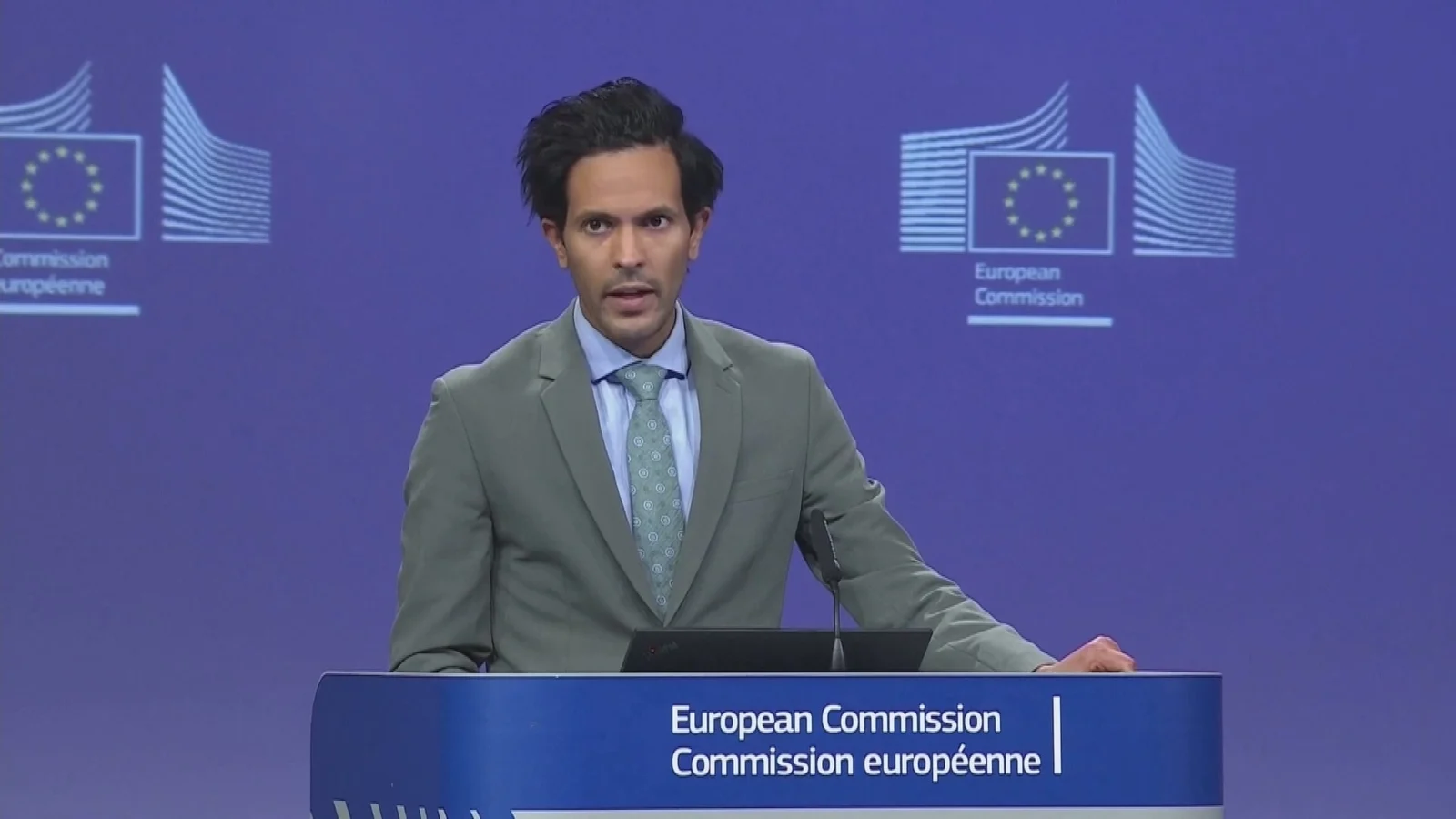
International reactions were swift. A UN spokesperson declared the legislation “cruel and discriminatory,” while the UN’s human-rights chief warned that applying the death penalty in occupied territory could, under certain circumstances, constitute a war crime. The European Commission called the move a “clear step back” in terms of human-rights obligations.
Numbers That Make a Cold Case Even Colder
Context matters. Palestinian defendants in Israeli military courts already face an uphill battle. Human-rights organisations report conviction rates in these courts that are extraordinarily high — often cited as above 99% — and repeated concerns have been raised about access to counsel, evidence obtained under duress, and restrictions on transparency.
Meanwhile, Israel itself has historically been reluctant to use capital punishment. Since the state’s founding, the death penalty has been applied only twice: once in 1948 in a case of military treason and in 1962 in the highly charged trial of Adolf Eichmann. Introducing it now — and in a way that applies almost exclusively to Palestinians — has jolted both domestic and international debate.
Scenes from the West Bank: Grief, Protest, and Angry Resolve
In Nablus, protesters marched with posters showing a blindfolded figure and two stark nooses. “Stop the execution law before it’s too late,” read a placard held beside portraits of men and women serving long sentences in Israeli detention. Families of prisoners, many of them women, were at the forefront — their faces a mixture of fatigue and fierce determination.
“We are terrified,” said Abdullah al‑Zaghari, director of the Palestinian Prisoners Club. “This law singles us out. It applies to Palestinians, not to Israelis who commit violence. That is not justice — it is punishment by identity.”
And yet the mood in some Israeli communities is different. For families of victims of attacks, the law feels like a long-overdue message of deterrence. “We need the state to show it defends its citizens,” said a man in an Israeli settlement in the West Bank who asked not to be named. “We cannot live under constant fear.”
A Legal and Moral Clash
Human-rights groups inside Israel have already moved to challenge the law in the courts. The Association for Civil Rights in Israel argues that the law creates two parallel systems of justice and runs afoul of Israel’s Basic Laws, which protect against arbitrary discrimination. Several public-interest lawyers filed petitions to the Supreme Court within hours of the vote.
At the same time, parliamentarians are considering yet another piece of legislation — a special military court to try crimes linked to last year’s 7 October attacks and their aftermath. That proposed court would focus exclusively on crimes by Palestinians and would not have jurisdiction over alleged crimes by Israeli security forces, a move critics say would institutionalise one-sided accountability.
“When you design institutions that only look in one direction, you’re not building justice,” said Dr. Naomi Weiss, a law professor specialising in international humanitarian law. “You’re building grievance and distrust, and under international law there’s a real risk of crossing lines that separate lawful punishment from persecution.”
International Pressure and Domestic Politics
The European Union has publicly criticized the law and conveyed its concerns through diplomatic channels. But what comes next is uncertain. Will there be sanctions, a reassessment of agreements, or quiet diplomacy behind closed doors? A European Commission spokesperson told reporters that engagement is ongoing but stopped short of detailing further steps.
Inside Israel, the law is a product of a shifting political landscape. Far-right ministers, riding a wave of post‑October 2023 security anxieties, pressed the measure forward. For them, it sends a strong signal; for opponents and human-rights defenders, it damages the rule of law and chips away at the norms that once constrained the state.
Bigger Questions: Justice, Security, and the Cost of Division
This debate forces us to confront uncomfortable questions. Does harsher punishment make societies safer, or does it deepen cycles of violence? Can you credibly claim to protect citizens while denying equal legal protections to those under your control?
There is also a global angle. Around the world, countries wrestle with the death penalty’s moral and practical dimensions. Many nations have abolished it, citing human dignity and the risk of irreversible error. Others retain it as a tool of last resort. Where does a democracy draw the line when its laws are applied differently depending on ethnicity or residency? When does security become discrimination?
These are not abstract questions for the families who wait at night. They are intensely practical. “Every night I worry,” Maisoun whispered. “Not about politics. About my son.”
What You Can Do — and What to Watch
- Follow developments in the Israeli Supreme Court — legal challenges could overturn or suspend the law.
- Watch diplomatic exchanges between Israel, the EU, and UN human‑rights bodies for indications of pressure or consequences.
- Listen to voices on the ground: families, former detainees, lawyers — their stories reveal realities that statistics don’t capture.
Above all, ask yourself: How do we reconcile security and justice in conflict zones without normalising different laws for different people? How do we protect citizens while preserving the rules that protect dignity itself?
In the markets and coffee shops of the West Bank, people continue to live, love, quarrel and pray. Laws change; lives do not reset. For those who fear the worst, the clock ticks. For those who hope for justice, the fight continues — in courtrooms, in streets, and in the small, sleepless rooms where mothers whisper their children’s names into the dark.