Morning at Bondi: Salt, Silence and the Slow Turning of a Community
The dawn came soft and pale over Bondi Beach, a wash of pink and grey that made the waves look like a blanket folded and smoothed at the shore. But there was nothing ordinary about the morning. Hundreds of people — surfers, swimmers, grandparents, teenagers in wetsuits — paddled out into the cool Pacific and formed a trembling circle.
They bobbed in the swell and held hands, or touched boards, or cupped candles in plastic tubs. They sang a few verses, shouted into the wind, or simply stayed quiet. The ocean took the sound and threw it back in a slow, endless echo. For a place famous for beach parties and postcard sun, Bondi felt like the center of a country trying to catch its breath.
“They tried to take our joy,” said Jason Carr, a 53-year-old security consultant and lifelong Bondi swimmer, his voice thick with salt and grief. “So today I’m going back out there. We’re restoring the light, one wave at a time.”
What Happened — And What Comes Next
Just a week earlier, the beach had been the scene of a horror that has stunned Australia and the world. During a Jewish festival on the sand, two men opened fire. Fifteen people were killed, and the nation has been left reeling. Authorities say the main suspect, 50-year-old Sajid Akram, was killed in a shootout with police; his 24-year-old son Naveed has been charged with 15 counts of murder, terrorism-related offences and other serious crimes.
Investigators are piecing together a grim picture: reports that the pair may have been inspired by the Islamic State group, and inquiries into whether they met extremists abroad during a recent trip to the Philippines. In the days following the attack, police arrested seven men on a tip they could be planning a violent act at Bondi — a reminder that fear and vigilance moved quickly through the city’s veins.
“We are in a new, painful chapter,” said Police Commissioner Mal Lanyon, reflecting the strain law enforcement faces balancing urgent action and careful investigation. “We will examine every lead. We will protect our communities.” He has also said there was no established link between the seven arrests and the Bondi suspects — a nuance that underlines how quickly rumours can feed fear in a city already on edge.
Community Heroes, Public Grief
Among the victims were neighbors who tried to stop the attackers. Boris and Sofia Gurman, a married couple known in Bondi as warm hosts and tireless volunteers, were laid to rest at a Jewish funeral home this week. Rabbi Yehoram Ulman praised them as “heroes” who faced their final moments with “courage, selflessness and love.”
“Their loss felt personal to everyone who ever had tea at their kitchen table,” said Miriam Katz, who moved to Bondi two decades ago and sat among the mourners. “They are the people who held our street together — now there’s a hole that will not stitch up easy.”
A Nation Rethinks Guns: The Biggest Buyback Since 1996
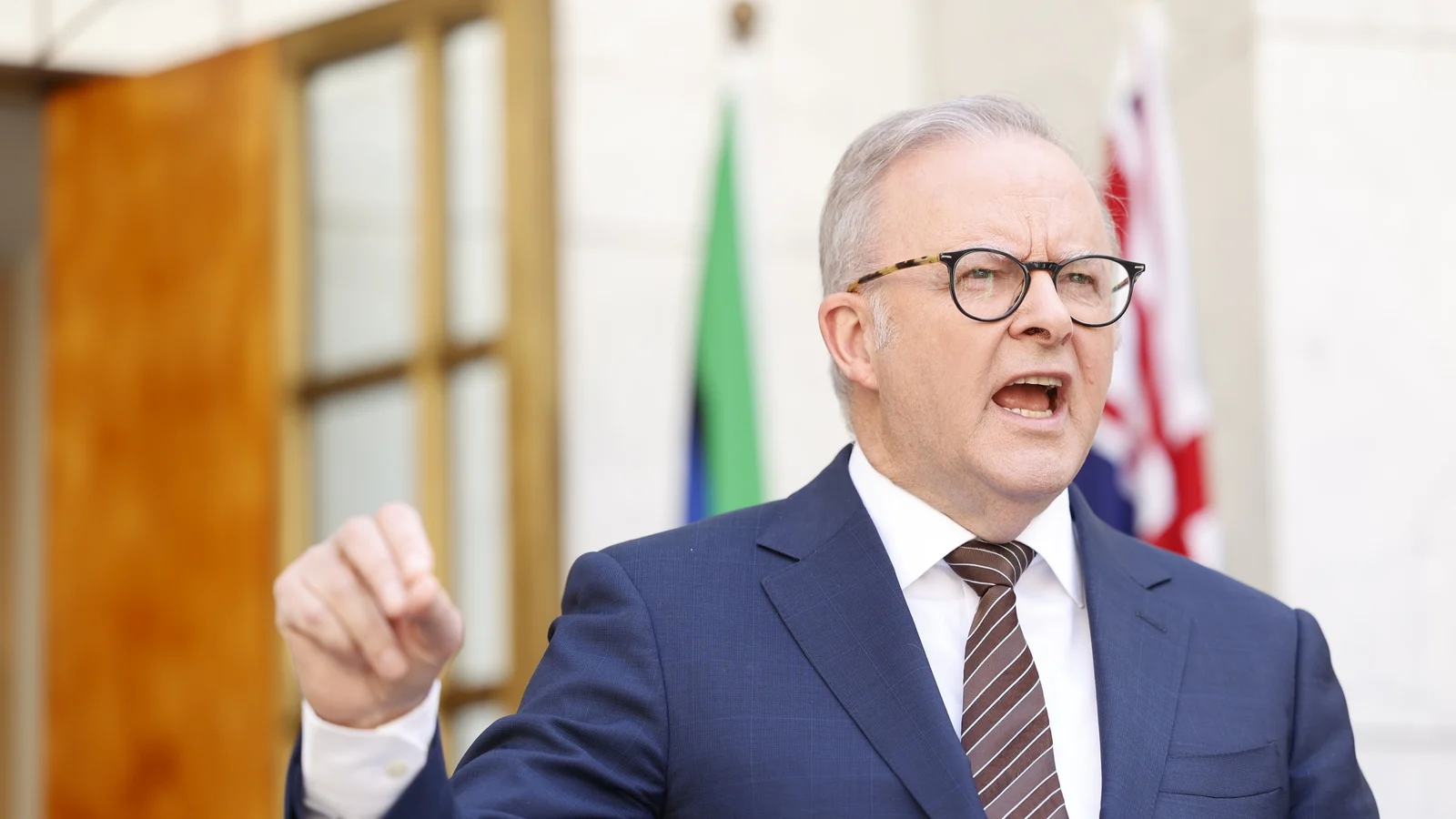
In Canberra, the political response was swift and consequential. Prime Minister Anthony Albanese announced a sweeping national buyback scheme designed to “get guns off our streets” — an intent to buy back surplus, newly banned and illegal firearms. The government frames the move as the largest firearms buyback since the one following the Port Arthur massacre in 1996, when about 650,000 guns were surrendered and nationwide restrictions were tightened under the National Firearms Agreement.
“There is no reason someone living in the suburbs of Sydney needed this many guns,” Mr Albanese told reporters, underscoring the shock many Australians felt on learning a suburban resident could lawfully hold multiple high-powered rifles.
The proposed buyback has practical elements — payment to surrendering owners, expanded licensing checks and tighter controls on high-capacity weapons — but it is also a moral argument about safety, community and what freedom looks like in practice. Will the promise of fewer guns on the streets make Australians feel safer? And at what cost to people who see firearms as part of rural life or personal liberty?
Details, Numbers and the Hard Work Ahead
- 15 people killed in the Bondi attack; suspects are a father and son, with the father killed and the son charged.
- 1996 Port Arthur massacre claimed 35 lives — the watershed that led to the last major national buyback and sweeping gun reforms.
- About 650,000 firearms were surrendered in the 1996-1997 buyback (approximate figure cited in historical accounts).
These are not just statistics; they are the outlines of decisions that will shape Australian life. The 1996 program is widely credited with cutting mass-shooting rates in the country, and even conservative public opinion shifted rapidly in the wake of that earlier tragedy. But the politics of a buyback today will encounter a different landscape — online radicalisation, globalised extremist networks, and a more fragmented media environment.
Bondi’s Rituals: Candles, Circles and the Work of Mourning
Prime Minister Albanese called for a national day of reflection and asked Australians to light candles at 6.47pm local time — the minute marking one week since the attack unfolded. Around Bondi, candles flickered in windows and small memorials grew by the lifeguard tower: a pair of sunglasses, a worn surf leash, floral bouquets, handwritten notes.
“It’s how we cope,” said Carole Schlessinger, a 58-year-old chief executive who joined the ocean circle. “To be together is such an important way of trying to deal with what’s going on. I’m numb. I’m angry. But I’m also proud of how people are reaching across divides.”
There is local color in these rituals: the lifeguards who keep watch in orange and yellow, the cafés that have clipped wreaths to their doors, the Hebrew prayers whispered alongside Australian psalms. Bondi has always been a place of collision — tourists and locals, surf culture and cosmopolitan tastes. Now it has become a place where global tensions play out on a shoreline of sand and salt.
Questions for a Global Moment
When a beach in Sydney becomes a flashpoint of violence and policy, it forces a broader reckoning. How do communities stay open when terror strikes public, joyful spaces? How do nations balance rights with safety in an era where ideology and weaponry are cheapened and amplified by global networks?
These are not questions with easy answers, but they are questions worth asking. Across the world, societies are watching. Gun policy in Australia has often been held up as an example of decisive reform; now the nation’s lawmakers are preparing to test that legacy again.
And you, reader — what does safety mean where you live? How far should a society go to prevent the next Bondi? When do preventative policies protect the many at the expense of the few, and when do they erode freedoms that feel fundamental? These conversations are rarely tidy, but the surf circle at Bondi suggests a start: communities will choose to gather, to remember, and to press for change together.
Closing: A Shoreline of Resolve
Back on the sand, the circle broke at last. People paddled toward shore and hugged, dripping and salt-stung, and someone began to clap — a hesitant staccato of hands that grew into a rhythm. It was not triumph so much as a promise: to grieve, to act, to keep showing up.
“We will remember them,” said a young lifeguard who had been scraping names into the sand and then letting the tide gently erase them again. “But we will also do something about this. That is the only thing that feels right.”
The tide comes in and out. So does grief. And in the spaces between, democracy and community make their choices. Bondi — and Australia — are choosing now how to answer.