A boy, a snowy roadside and a moment that said more than a headline
There are images that lodge in the imagination: a small figure in a bright jacket standing alone on a gray bus stop in the Dolomites, snowflakes settling on his hood, a school backpack drooping with textbooks and gloves. That was Riccardo — eleven years old, returning from school near Cortina d’Ampezzo — when a routine bus trip turned into an uncomfortable national conversation about money, dignity and the price of spectacle.
It sounds almost too small to matter: a ferry of change from €2.50 to €10. But that modest arithmetic landed a child on the pavement one winter day, after a driver enforced the higher fare he apparently didn’t know to accept. The story ricocheted through regional news and social feeds, then into newspapers across Italy and beyond. Within 48 hours, what began as a bureaucratic slip became an emblem: of who pays, who is noticed, and how communities respond when the ordinary clashes with the extraordinary pressures of a global sporting event.
How a bus fare became a story
The facts were simple. Riccardo boarded the public bus after school with the usual ticket — €2.50, the price locals had paid for years. A blanket fare increase had been introduced ahead of the Milan–Cortina 2026 Winter Olympics, pushing the fare to €10. According to accounts, the driver asked to see a new ticket; when the boy couldn’t pay the unexpected difference, he was asked to leave the bus.
“He had his schoolbag and his scarf and he was crying,” said a neighbor, Elena, who witnessed the moment. “I called my sister. I felt ashamed that a child could be left in the snow like that.”
The driver subsequently apologised publicly, describing the episode as “a serious mistake.” The local transport operator has pledged an internal review. But the story didn’t end there.
The organisers step in — and the optics of apology
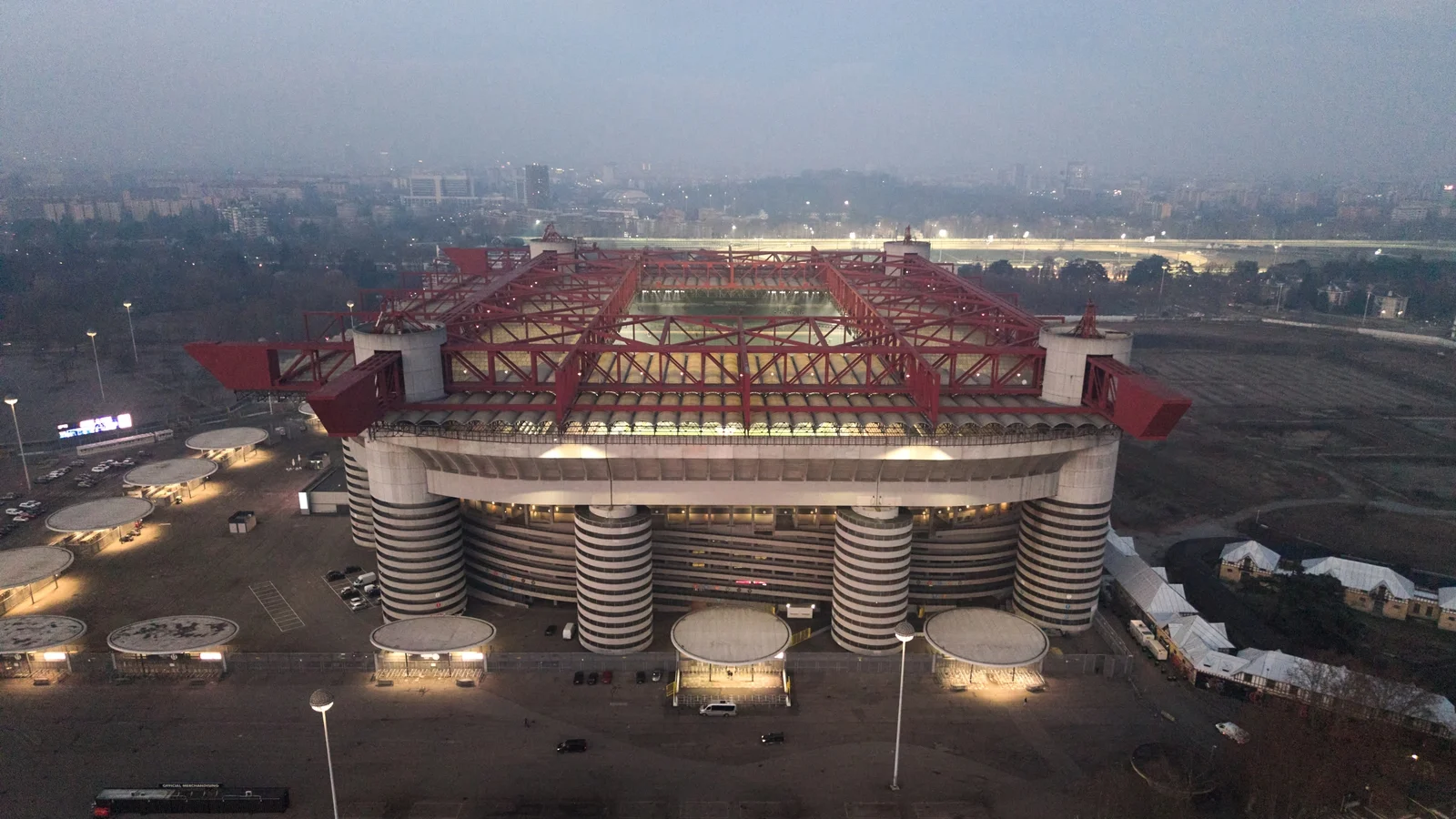
In an attempt to make amends, the Milan–Cortina organising committee offered Riccardo a role at the opening ceremony at Milan’s San Siro stadium on Friday. “He will play a symbolic role during the opening ceremony,” a committee spokesperson said, adding that details were still being decided.
It’s a gesture heavy with symbolism: inviting a child who experienced exclusion to stand at the centre of an event meant to celebrate inclusion, unity and sporting excellence. But for some, a ceremonial role feels like a bandage over something that needs deeper healing.
“I appreciate the invitation,” said Riccardo’s mother in an interview with a local reporter. “But a stage is not a solution to everyday problems. We need guarantees that this will not happen to other families.”
Beyond one child: public transit, mega-events and marginalised people
There is a broader conversation behind this episode. When cities and regions prepare to host global events, infrastructure and pricing often shift to accommodate visitors, sponsors and temporary service contracts. That can mean reserved lanes, increased fares, and formulas that prioritise revenue over residents’ daily lives.
“Mega-events frequently magnify existing social divides,” said an urban policy researcher, Dr. Serena Fontana. “When transport becomes more expensive or less accessible, low-income residents — families, older people, students — pay the price.”
Across Europe, concerns about the social costs of hosting the Olympics and other large spectacles are familiar terrain. Local voices in Cortina say they hope this incident will be a catalyst for more humane transport policies rather than a one-off PR move.
Local measures and promises
Officials in the Cortina area, rattled by the attention, said they would begin offering discounted bus fares for low-income residents. A municipal statement promised to work with the operator to identify ways to “prevent marginalisation” during the Games. How those discounts will be administered — means-testing, vouchers, or flat social tariffs — has not been clarified.
- Temporary fare hikes ahead of major events are not unusual, officials say, but they must be balanced with social protections.
- Local authorities plan to roll out discounts aimed at poorer residents; implementation details are pending.
- The transport operator will reportedly conduct a review of staff training and fare communication.
Voices from the valley
On a snowy afternoon in the high street bakery, an elderly pensioner named Marco shook his head over a cappuccino. “When I was young we trusted each other,” he said. “Now we have tariffs and rules even for kindness.”
Across town, a ski instructor, 28-year-old Giulia, offered a more pragmatic view. “The Games bring jobs and money — that’s true. We have to be ready. But readiness shouldn’t mean leaving our neighbours out in the cold.”
These local reactions reflect an ambivalence familiar to many host communities: pride at being on the world stage, mixed with suspicion that the stage may be for someone else.
When gestures meet policy: what needs to happen next
An invitation to walk into a flood of cameras can be a powerful antidote to humiliation, but systemic fixes are what prevent such humiliations in the first place. Here are some practical steps that could turn a symbolic moment into lasting change:
- Introduce a permanent social tariff with clear eligibility criteria for residents on low incomes, students, and seniors.
- Improve communication about temporary fare changes with schools, social services, and community hubs months before events start.
- Provide staff training to ensure compassionate, consistent enforcement of rules — and a clear appeals process for mistakes.
Reflection: what do we expect from hosting the world?
As the opening ceremony draws near and San Siro’s lights promise a spectacle to billions watching around the globe — the stadium holds roughly 76,000 people — it’s worth asking what a nation wants the Games to say about itself. Is it simply that it can host grandeur? Or can it host grandeur without sacrificing daily decency?
“Sport should bring people together,” a local schoolteacher told me. “If it leaves children behind, then what does it mean?”
Readers, think for a moment: how should the costs and benefits of global events be shared? Who should be safeguarded when infrastructure and pricing change? The story of Riccardo is small and specific, but these are questions that resound in cities from Rio to Tokyo, from Paris to Milan.
Closing — a story that could nudge policy
In a few days, Riccardo may stand — perhaps briefly, perhaps under the glow of international cameras — and be cheered. That applause will be warm. But applause that follows a moment of exclusion feels incomplete unless it’s followed by action: tariff changes that last beyond the fortnight of competition, clearer rules, and a commitment to protect the everyday dignity of residents who live where the cameras only sometimes stay.
In the end, a community’s response will be the true measure of the moment. Will it be a cautionary tale that fades, or a small, snow-dusted incident that nudges policy and empathy forward? The answer is up to the people of Cortina and the leaders who promised to listen. The rest of us can watch, and perhaps learn how to hold spectacle to a higher standard.