A Ten-Day Pause: Breath Between Bombardments and the Fragile Hope of Something More
Last night, after nearly six weeks of artillery, airstrikes and the grinding dread of ground operations, a ten-day ceasefire took hold along Lebanon’s battered southern frontier. For the families who have been sleeping in school gyms and under highway overpasses, it was the kind of news that makes your throat tighten—relief and suspicion braided together.
“We didn’t celebrate, not really,” said Amal, a schoolteacher from Bint Jbeil who fled with three children to a gymnasium in central Beirut. “But my youngest laughed this morning when he ate an orange. That laugh — I have not heard it in weeks.”
Casualty estimates from the recent escalation are grim: more than 2,000 people killed across the frontlines, and humanitarian agencies reporting over one million people displaced inside Lebanon and beyond its borders. That displacement has stretched a country of roughly six million people—already reeling from economic collapse and the 2020 Beirut port blast—to breaking point.
Why This Pause Matters
On the map, a ten-day pause is a thin line. On the ground, it can be lifeline. The truce was announced amid high-level phone calls and meetings in Washington this week—unusual diplomatic choreography for two neighbors that lack formal relations. For the average Lebanese or Israeli living near the border, it has a practical, immediate meaning: a night without incoming rockets, a bakery able to open, a chance to dig through rubble for a photograph or a wedding ring.
“People need a pause to mourn, to bury, to heal,” said Dr. Rami Haddad, a surgeon volunteering with Médecins Sans Frontières near Tyre. “Ten days is not peace. But it is time for children to sleep without the house shaking.”
From Ceasefire to Summit? The High-Stakes Diplomacy
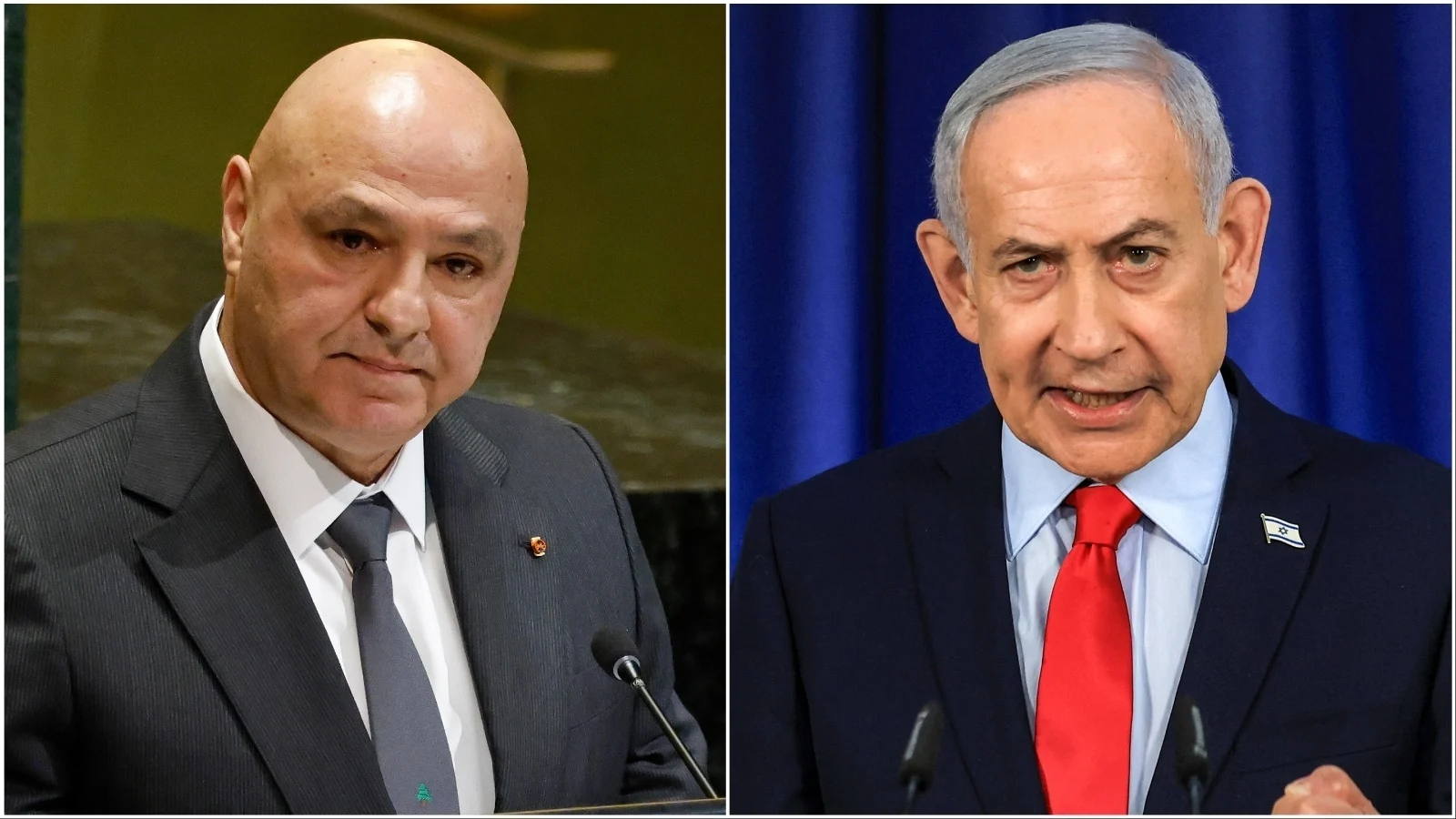
Behind the scenes, Washington has been pushing hard. Senior U.S. officials say the pause followed a string of intense conversations with both sides and came on the heels of a Washington meeting between Israeli and Lebanese representatives—the first in decades. The White House has floated the possibility of inviting the leaders of Israel and Lebanon to meet there, perhaps as early as next week, which would be a diplomatic moment of rare symbolism.
“If a summit happens, it will be less about photo-ops and more about whether two very different political projects can agree on the mechanics of co-existence,” said Miriam Katz, an analyst at the International Institute for Middle East Peace. “Camp David is an echo that everyone hears. But Camp David came after years—this would be lightning fast and inherently fragile.”
Historic reference hangs heavy in the air. Camp David—where Israel and Egypt struck a peace deal in 1978 that reshaped the region—remains the benchmark for any breakthrough. Yet weary diplomats warn that the present moment involves a web of non-state actors, militia politics, and domestic pressures that make neat, durable deals elusive.
The Terms Nobody Can Agree On—Yet
At the heart of the impasse sit two incompatible demands. Lebanese fighters insist any deal must guarantee a complete halt to attacks across Lebanese territory and prohibit Israeli forces from moving freely in the south. Israel, for its part, appears reluctant to withdraw forces it says are necessary to prevent future strikes and secure its border communities.
“We want our villages free to farm and our kids free to play,” said Karim, a farmer from a border village near Marjayoun. “We want to pick olives without looking at the sky. How can that be if tanks are there?”
The technical challenges are enormous: who polices the line, what constitutes a violation, and how are violations verified? Without trust and robust monitoring, ceasefires can snap back into violence in hours, not days.
Regional Ripples: Iran, Pakistan and the Global Chessboard
This pause is not happening in a vacuum. Tehran’s influence in Lebanon and its wider rivalry with the United States make any quiet in the Levant part of a bigger strategic game. Iranian lawmakers have publicly said that a cessation of hostilities in Lebanon is as important as any separate deal the U.S. might seek with Iran.
Washington appears to be seizing the moment. Officials say the ceasefire removes one of several obstacles to a second round of talks with Tehran—talks that could touch on Iran’s nuclear program, freedom of navigation in the Strait of Hormuz, and regional proxies. A senior U.S. official told reporters preparations for a follow-up negotiating round were intensifying, with Islamabad floated as a possible host city.
In Pakistan’s capital, municipal authorities were already making contingency plans in anticipation of foreign delegations, an official with the city traffic department told local media. “We are preparing for high-level visitors,” he said. “If diplomacy is moving forward, Islamabad will be ready.”
Humanitarian Realities and the Cost of Pause
For aid agencies, ten days buys time for logistics: clearing roads, setting up field hospitals, restoring power to water pumps. UNICEF and the UN Office for the Coordination of Humanitarian Affairs have warned that prolonged displacement risks epidemics, interrupted schooling for hundreds of thousands of children, and chronic shortages of food and medicine.
“Ten days is a window,” said Leila Mansour, an aid coordinator who has run relief convoys across southern Lebanon. “If we can get supplies in and basic services back up, it changes the calculus for many families. If the trucks don’t come, the pause is cosmetic.”
What Comes Next — and What This Moment Asks of Us
No one who’s watched this region closely will mistake a ceasefire for peace. But pauses are where agreements are born, and agreements—if they are to be durable—are woven from practical arrangements, mutual assurances, and above all, the slow work of rebuilding dignity.
Will world powers use this lull to build mechanisms that prevent the next flare-up, or will it be another blank page in a history thick with missed chances? The answer will depend not only on diplomats and generals, but on mothers like Amal, teachers like Karim, and aid workers like Leila who measure success in warm meals, open clinics and the first quiet night in weeks.
What would you do with ten days of silence in a place that has known too much noise? Could a short pause ever lead to the longer, harder work of reconciliation? This ceasefire asks the international community—and us as individuals—to imagine a different kind of future, and to ask whether we are willing to invest time, resources and imagination to reach it.