Smoke on the Horizon: Why 2026 Feels Like a Year the Planet Didn’t Mean to Make
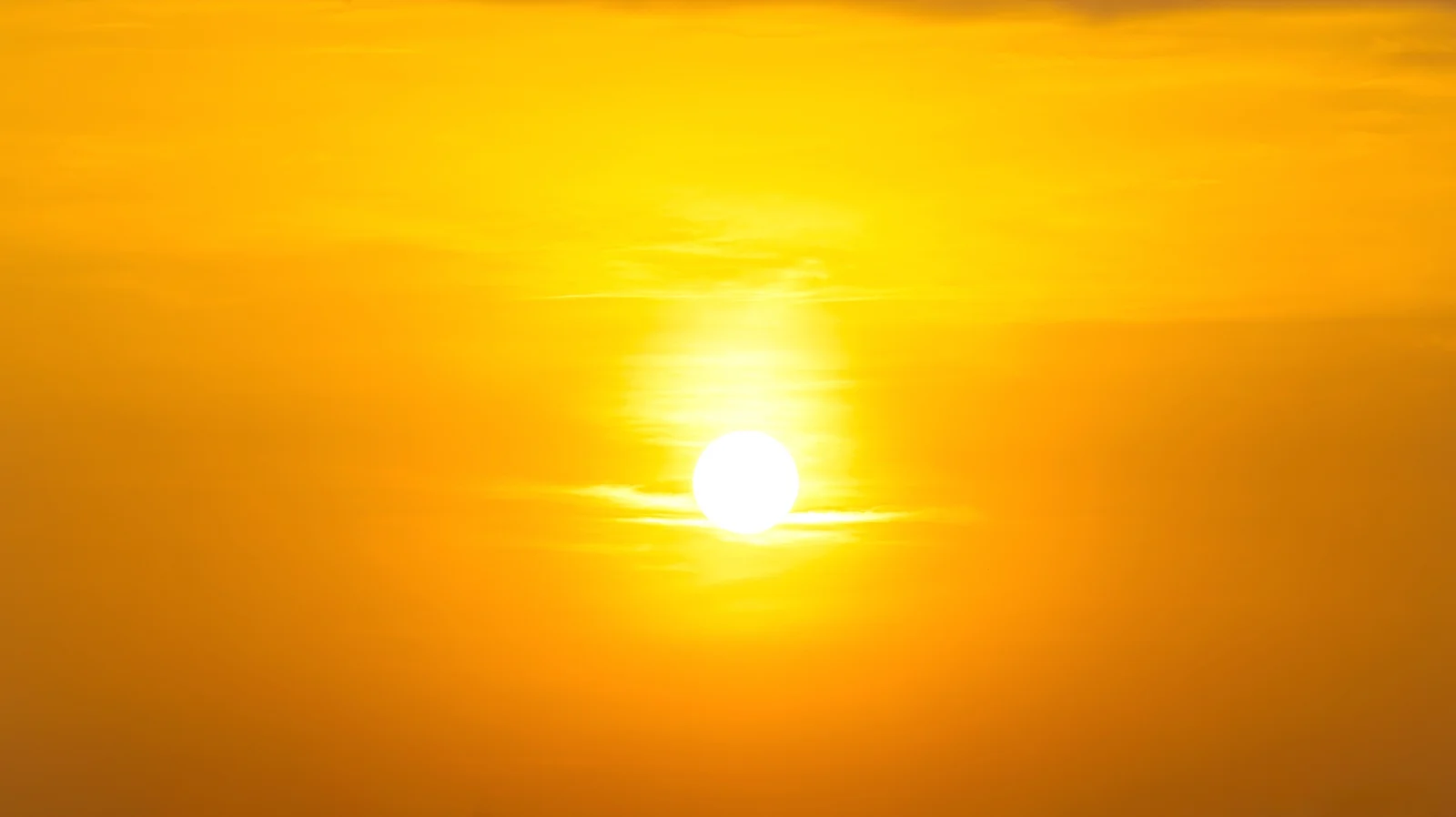
Walk outside in many parts of the world this spring and the air greets you differently: thicker, warmer, carrying the acrid tang of burned forests. It’s a smell that lingers on clothes and in memory, a small, stubborn proof that something bigger is unfolding. Scientists who spend their lives parsing satellites and sea charts are now saying out loud what many people already suspect in their bones — 2026 could be one of the warmest years on record, possibly the warmest, and we are walking into a season of weather extremes that feels, increasingly, unprecedented.
“We are watching compound risks stack on top of one another,” says a senior climate researcher I spoke with in Geneva, voice tight with concern. “Warmer oceans. A brewing strong El Niño. Wildfire fuel already primed by drought in places that should be damp. The system is not linear — it amplifies.”
Numbers That Won’t Comfort You
Data rarely makes for a good bedside story, but these figures are urgent: more than 150 million hectares burned in the first four months of 2026, according to consolidated analyses from climate monitoring groups — roughly 50% higher than the recent average and double the area burned in the same period of 2024. Sea surface temperatures are flirting with all-time highs, and the tropical Pacific is showing the telltale signs of a strong El Niño forming — a naturally occurring shift that tends to reshape rain belts, dry out some regions and drown others.
Put those facts together and a simple, terrifying logic emerges. El Niño can nudge weather on a continental scale; add nearly 1.5°C of global warming to that natural variability and you are likely to see floods, droughts and fires in combinations that modern human societies have not had to manage before.
Heat: The Invisible Killer
Too often, heat’s toll is invisible in the same way slow rot is. It doesn’t make as dramatic a headline as a hurricane’s landfall, but its losses pile up quietly — and unevenly. According to public health experts, official tallies place heat-related deaths at about 546,000 annually, but many researchers argue this is an undercount: cardiovascular collapses, strokes, and respiratory failures triggered or worsened by heat are often misclassified.
“Heat breaks down the body the way salt breaks down iron — slow, relentless, and cumulative,” says an epidemiologist who studies climate impacts on vulnerable populations. “People working outdoors, the elderly, communities with limited access to cooling are on the front lines.”
The public health consequences of smoke from wildfires are equally stark. Tiny particles — PM2.5 — generated by huge, smoldering blazes penetrate deep into lungs and bloodstream. A 2024 Lancet analysis estimated roughly 1.53 million deaths each year are linked to wildfire-related air pollution, more than four times previous estimates. In Australia’s 2019 bushfires, 33 people died in the flames but hundreds more died from the smoke. Research after California’s 2025 blazes found nearly a 50% increase in short-term mortality associated with smoke exposure beyond direct fire fatalities.
Where the Fires Are—and Why They Matter
It’s tempting to think of wildfires as a problem for remote hinterlands, but the truth is more insidious. Rainforests that used to be buffers against burning — the Amazon, parts of Southeast Asia, pockets in Oceania — are showing signs of seasonal drying. For people who live nearby, this is not an abstract climate chart headline; it is a local emergency.
“We always had wet seasons that put out the fires. This year, the rains came late,” a community leader from a riverside Amazonian town told me on a crackly phone line. “Children cough at night. Elders can’t breathe. The wolves of the air are the smoke.”
When normally damp ecosystems become tinderboxes, we lose more than trees. We risk carbon sinks that have taken millennia to form; we endanger biodiversity that cannot be quickly replaced; and we choke cities and rural towns alike with toxic haze. The ripple effects reach agriculture, tourism, and local economies — and they are deeply unequal. Lower-income populations, often with the least political voice, bear the brunt.
El Niño: The Natural Wild Card That’s Now Playing With a Loaded Deck
El Niño is cyclical. It has happened for centuries. Normally, people adapt, plan, and ride out the changes. But what happens when a strong El Niño arrives on top of an atmosphere and ocean already recharged with heat? “It’s like stacking one disaster on another,” says an atmospheric scientist in California. “The patterns of rainfall and drought can shift by hundreds of kilometers; regions that are normally wet can be drought-prone this year, and vice versa.”
That mixing of natural variability with human-made warming is what worries scientists most. “El Niño on its own is disruptive,” the scientist explains. “El Niño plus 1.5°C is potentially catastrophic for some regions. We have good reason to expect record-breaking rains, and record-breaking dry spells, both in places they haven’t historically been so extreme.”
Politics, Promises, and the Pause That Frustrates
There is also a political dimension to this moment. Some climate advocates and researchers watching policy trends say promises have softened in recent years — targets reframed, timelines relaxed, urgency dialed down. Meanwhile, the physics of the planet doesn’t negotiate.
“You can’t put off what is physical,” says a policy analyst who worked on international climate negotiations. “Trust between nations, and between governments and citizens, is deeply tested when commitments wobble at the very moment that the planet starts showing its teeth.”
What Can Be Done — and What We Already Know
There are no silver bullets, but there are well-worn tools that work: rapidly cutting fossil fuel combustion, electrifying transportation, insulating homes, investing in early warning systems, and protecting forests and peatlands that store carbon. Technology helps. Policy helps. Public awareness helps. But the window for avoiding the worst outcomes narrows by the year.
- Accelerate emissions reductions: the science is clear — to stop compounding extremes, we must move away from fossil fuels at speed.
- Invest in resilience: heat action plans, cooling centers, better air quality monitoring, and healthcare systems prepared for smoke and heat emergencies.
- Prioritize justice: those who have contributed least to the warming are often the ones who suffer most. Policy must reflect that reality.
Look Up, Then Act
So what should you do as a reader? Start with awareness. Check local air quality indexes. Keep an emergency kit ready. If you vote, vote with a long-term horizon. If you work in business or local government, push for plans that reduce risk now while shrinking emissions tomorrow.
And remember that this is not a drama with a single villain. It is the sum of centuries of choices, politics, and technological pathways. We can choose different ones now. We can let the invisible costs — the heat deaths, the smoke-related illnesses, the lost forests — count in our decisions.
“I am not a fatalist,” a 62-year-old farmer in Indonesia said as the smoke drifted over his coffee plot. “I know the soil remembers rain. But I need help to plan for seasons that no longer stay where they used to.”
That is the heart of the matter. The climate does not wait for us to get our politics right. It responds to physics and heat. Our task — practical, moral, urgent — is to match that reality with action that is faster, fairer and more relentless than the flames on the horizon.