Blood on Cold Concrete: The Night a Notorious Inmate Was Beaten at HMP Frankland
Early on a grey County Durham morning, sirens cut through the damp air and an ambulance threaded its way toward HMP Frankland, one of England’s most fortified prisons. Inside, the prison’s austere corridors — concrete, steel, the soft echo of footsteps — were punctured by a violence that has reignited old wounds across the country.
Durham Constabulary confirmed that police were called after a serious assault at the high-security facility. “Police were alerted to an assault which had taken place within HMP Frankland in Durham this morning,” a force spokesperson said. “A male prisoner suffered serious injuries during the incident and was transported to hospital. A police investigation is now under way into the circumstances of the incident and detectives are liaising with staff at the prison.”
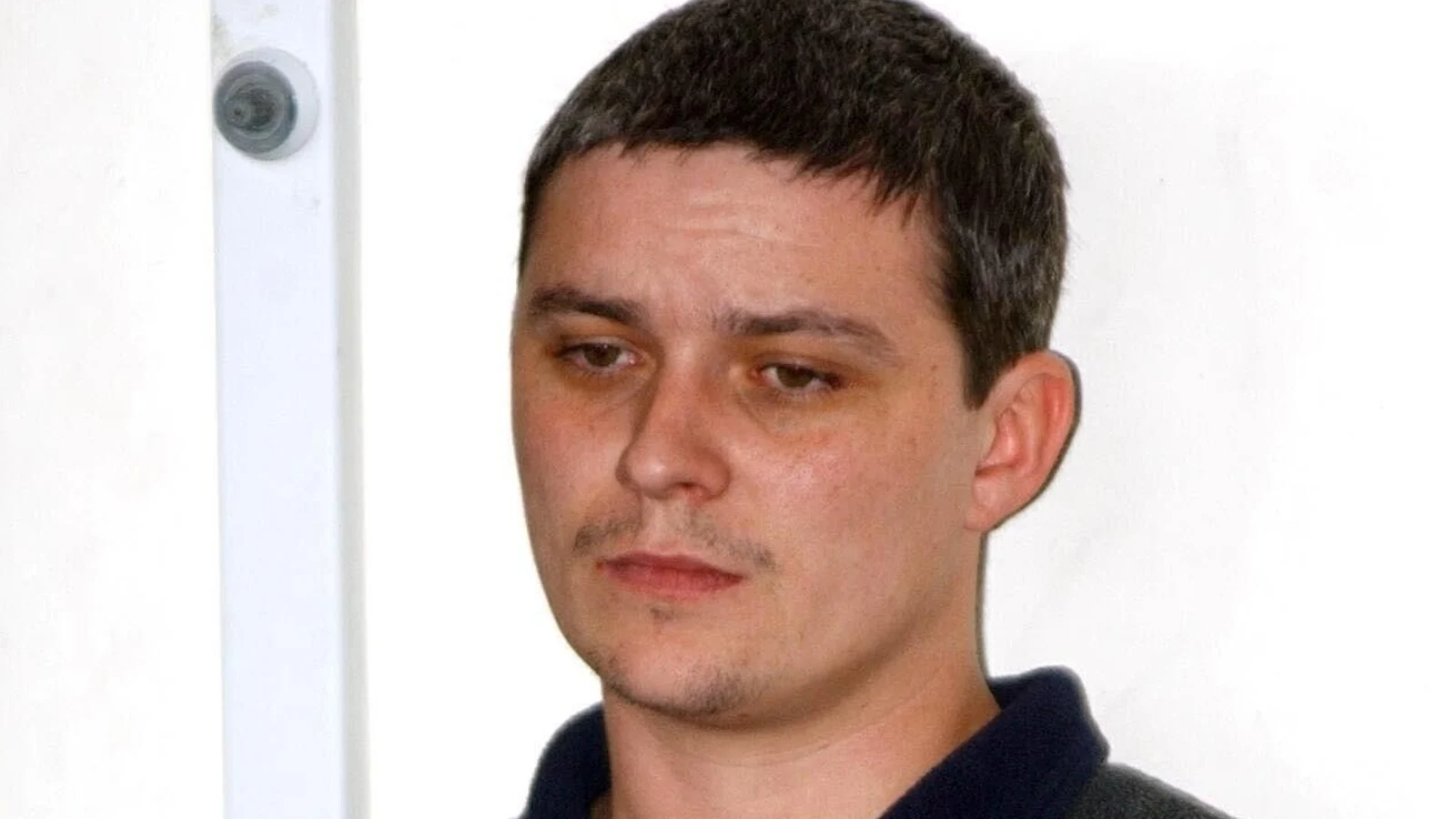
The assaulted prisoner has been widely reported to be Ian Huntley, the man convicted over the 2002 murders of 10-year-olds Holly Wells and Jessica Chapman in Soham, Cambridgeshire. Huntley is serving a life sentence. A source quoted by national tabloids said he had been attacked with a metal pole and that his condition was “touch and go.” These details remain unconfirmed by police.
The place and the prisoner
HMP Frankland sits in a low-lying bowl of land near Durham, its high walls and watchtowers looking as if they were carved from the sky. It was designed to hold some of the most dangerous and longest-serving offenders in the system — men who present ongoing risks to others and who are considered too volatile for conventional prisons.
“Frankland isn’t a country club,” observed a former prison officer who asked not to be named. “It’s where the state keeps those it cannot protect the public from, and, increasingly, those it struggles to protect itself from.”
In recent years, inspectors, politicians and campaigners have repeatedly raised alarms about the erosion of safety in England’s prisons. Staff shortages, aging infrastructure and rising levels of violence have stretched the system thin and created environments where fights can flare with alarming ferocity.
A country still carrying its grief
The murders of Holly Wells and Jessica Chapman in August 2002 shocked a nation. Two schoolgirls, friends who had gone to buy sweets after a barbecue, did not come home. Their deaths led to mass searches, a media frenzy, and, eventually, the arrest and conviction of Huntley. For many people, the case remains emblematic of a terrible vulnerability — the sudden, irrevocable loss of childhood.
“You never forget,” said a Soham resident, speaking quietly in the village where memorials still stand. “It’s on the mantelpiece, on the school bench, in our conversations. To hear what’s happened now, you feel something stirring all over again.”
That simmering public feeling — a potent mix of grief, anger and appetite for retribution — is one reason the story has drawn such attention. But beyond headlines, the attack at Frankland raises difficult questions about the role of prisons in modern society.
Vigilantism or systemic failure?
When a notorious prisoner is harmed, some are quick to cheer; others demand a sober accounting. “No one should be assaulted, even those who have committed the worst crimes,” said Dr. Aisha Rahman, a criminologist who has studied prison violence and rehabilitation. “Violence inside prisons is a symptom. It’s a symptom of overcrowding, understaffing, a lack of purposeful activity, and the wider neglect of mental health. If we only react with retribution, we ignore the systemic failures that allow this to happen.”
Prisoner-on-prisoner violence has become a recurring theme across the UK’s custodial estate. Official reports over recent years have pointed to increased assaults, with staff numbers down and the inmate population harboring higher levels of complex needs, including mental illness and substance misuse.
“You can’t isolate acts like this,” said a prison rights advocate. “Either the regime can keep people separated, protected, and engaged — or it can’t. If it can’t, then the consequences are predictable.”
What happens next?
Police detectives are treating the incident as an assault and the prison service has said a prisoner is receiving treatment in hospital. “It would be inappropriate to comment further while police investigate,” a Prison Service spokesperson said, adding that safety and security remain top priorities.
For families of victims and communities who have lived through high-profile crimes, such statements are not always satisfying. Emotions are raw, and the internet — where speculation multiplies and details are recycled — can turn a single event into a storm.
“We have to be careful with the way we talk about this,” a victim support worker told me. “There is a line between understanding what happened and using violence as a form of collective punishment. Healing doesn’t come from headlines.”
Beyond the prison walls: what this reveals
As readers, we are invited to confront uncomfortable choices: Do we demand ever-harsher punishment without asking if the institutions administering it are fit for purpose? Do we accept that some men should be held apart from society forever, even if that means accepting ever more violent internal ecosystems? Where does justice end and revenge begin?
Prisons are mirrors — they reflect not just the incarcerated, but the values and failures of the societies that build them. The assault at Frankland is not merely an incident in a fortified perimeter; it is a flashpoint in a larger conversation about public safety, rehabilitation, and the human cost of neglect.
As investigators follow leads and the injured man receives care, the people most affected will continue to live with the aftermath. For the families of Holly and Jessica, the scene may have scraped open wounds thought long closed. For prison staff and residents, it is another reminder that their work takes place on a knife-edge.
What do we want our prisons to be: warehouses of retribution, laboratories of rehabilitation, or something in between? How we answer that question will shape what the next headlines look like — and whether a system in strain can finally be remade.
Police inquiries continue. The raw facts are few and, for now, guarded. But the larger questions — about safety, accountability and the fragile boundary between justice and vengeance — remain very much alive. How should society manage the monsters it creates? And who will say what is right?