When Maps Turned Into Bargaining Chips: Greenland, Power, and the Fragility of Alliances
Imagine waking up in Nuuk to the low, bright sky of an Arctic morning and reading that a distant capital is debating whether your island should belong to someone else. That jolt — the one between the familiar cadence of daily life and the sudden, bewildering language of geopolitics — is where this story begins.
For a place that feels removed from the noise of global capitals, Greenland is suddenly at the center of a drama that forces uncomfortable questions about sovereignty, the meaning of alliances and how power is wielded in the 21st century. This is not only a story about territory; it is a story about trust, heat in a warming Arctic, and the fragile glue that binds security partners together.
Why Greenland Matters — More Than Just Ice and Silence
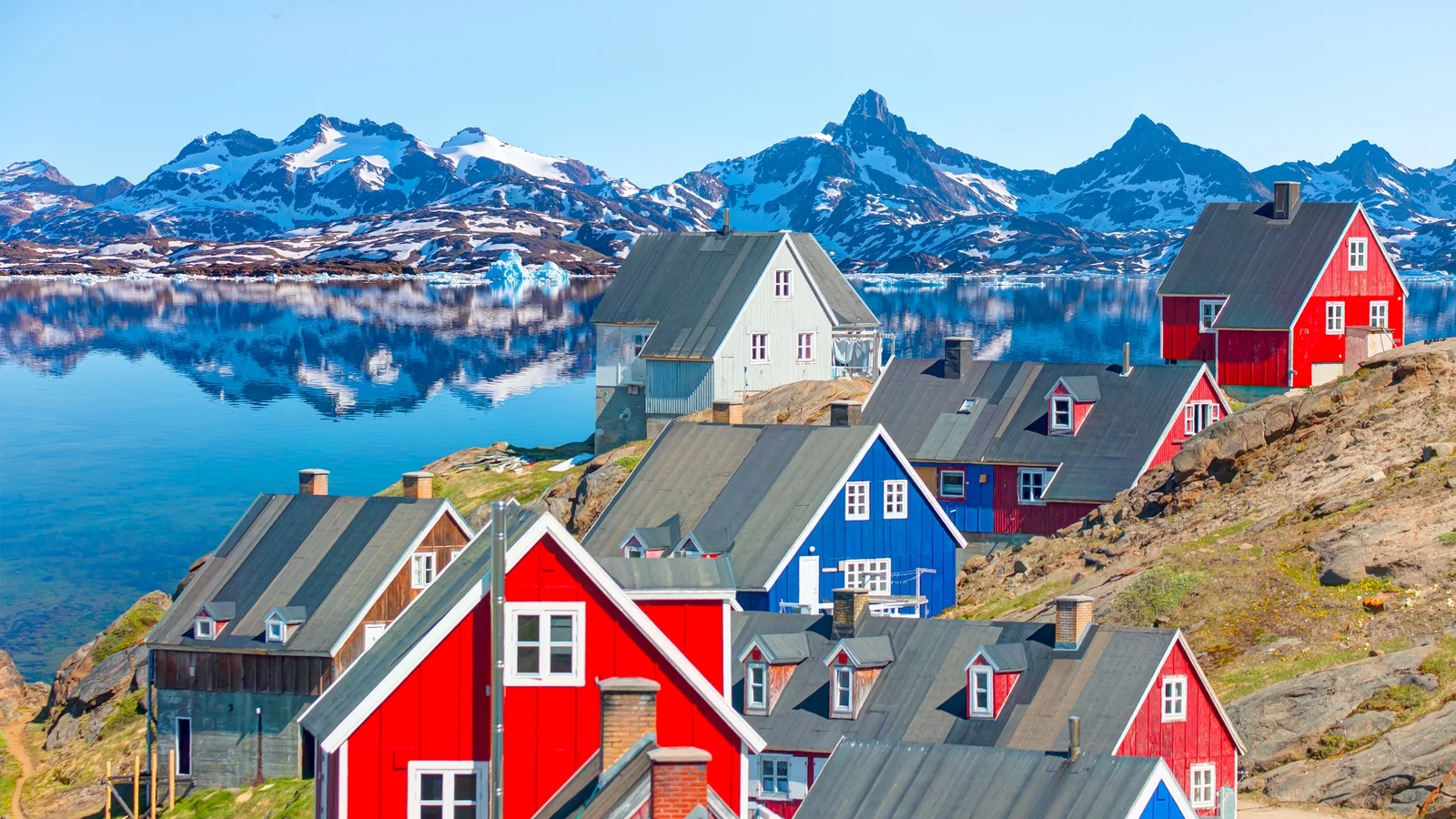
Greenland is vast: roughly 2.16 million square kilometers, the world’s largest island, blanketed largely by an ice cap that stores around 10 percent of the planet’s fresh water. Yet its population is small — about 56,000 people — clustered in resilient coastal communities where fishing, hunting and traditions keep a rhythm older than most nation-states.
But beneath the ice and on the rocky coasts are other resources and advantages that travel well beyond local livelihood: mineral deposits, rare earth elements, and strategic position. As Arctic ice thins and new shipping lanes open, Greenland sits astride routes and real estate that a dozen national security strategists would circle in red ink.
There is also the American footprint. The Thule (Pituffik) Air Base in northern Greenland remains a critical watchtower in transatlantic defence systems — a reminder that history and strategic geography have made Greenland more than a domestic matter for Denmark.
A Blunt Ultimatum or a High-Stakes Negotiation?
Recently, statements from the U.S. administration made headlines by treating Greenland’s future like an item on a geopolitical shopping list. Officials suggested a range of options — from increased diplomatic pressure to, bluntly, military means. Whether those words were a genuine strategy, a bargaining posture, or theater for domestic politics, they had a very real effect: they unsettled allies and animated people living on the island.
“It felt like someone was flicking the map with their finger, as if borders are just lines to be redrawn when it suits,” said Aqqaluk, a fisheries manager in Sisimiut, speaking quietly by the harbour. “But these waters, these fjords — they are our home. Decisions like this should not be made in far-away capitals.”
Across the North Atlantic, the reaction was swift. Copenhagen — the sovereign power in the Kingdom of Denmark — warned that any coercive move against an ally would be catastrophic for collective security. European capitals, mindful of the growing threat from other great powers in the Arctic, were emphatic that NATO’s cohesion should not be tested.
The NATO Rubicon: What Would an Attack on an Ally Mean?
NATO was founded in 1949 on a central premise: an attack on one is an attack on all. The alliance’s Article 5 has been the cornerstone of Western deterrence for seven-plus decades. But what happens when the same alliance faces the prospect of one of its members being pressured — even threatened — by another member?
“If the logic of deterring external aggression is undercut by internal coercion, the whole framework loses its moral and practical force,” said Dr. Laila Sørensen, a security studies scholar who has followed Arctic strategy for years. “Allies must trust that commitments and boundaries are sacrosanct. Once that trust fractures, you don’t just lose a territory — you funnel doubt into every future commitment.”
It is worth asking: how would other NATO members respond? In public, most states have been careful. Behind closed doors, however, diplomats speak of alarm. Some suggest that the U.S. already has ample legal access to Greenlandic facilities through agreements with Denmark, making force both unnecessary and enormously destabilising. Others fear that even the insinuation of coercion erodes the alliance’s moral standing.
Local Voices: Greenlanders Weigh In
In the coffee houses and fish markets of coastal towns, people react with a mixture of disbelief and weary resolve. Greenlanders have long navigated the complex dance of autonomy under the Danish crown, balancing modernity with traditions that tightly interweave community and the land.
“We cannot be reduced to a question on a chessboard,” said Inuk, a schoolteacher in Ilulissat, as children skated on thin patches of newly thawed ice. “Our language, our fishing rights, our hunting grounds — who speaks for them if decisions are made elsewhere?”
Local leaders have also pointed to the cautionary history of external powers using local territory for strategic ends without full consultation. That history fuels skepticism: not merely of geopolitics, but of the processes that might erase Greenlandic voices.
Geopolitics, Climate, and the Long View
This episode illustrates a profound global tension: climate change is reworking geography and economics, and political systems are scrambling to adapt. Arctic warming is opening previously inaccessible resources and routes, making the North Atlantic an arena of renewed competition among powers. China’s investments in Greenlandic mineral exploration, Russia’s expanding Arctic military posture, and the U.S. interest in maintaining strategic presence all intersect here.
How do democracies balance strategic imperatives with respect for local self-determination? How do alliances preserve unity without suppressing legitimate national or territorial concerns? These are not abstract questions. They affect whether a mid-sized island community lives under a governance arrangement agreed by its people, or under decisions made as if sovereignty were a negotiable commodity.
What Comes Next?
At the time of writing, the most likely outcomes are diplomatic: increased talks between Copenhagen and Washington, heightened public diplomacy that reassures partners, and possibly new agreements to clarify military access and Icelandic or Nordic involvement in Arctic security. But the shadow this episode casts is deeper than any single agreement.
“Even if the crisis cools, the memory of it remains,” said a senior NATO diplomat who asked to remain anonymous. “Trust is slow to build and fast to erode.”
For the people of Greenland, the episode has already had an effect: it jolted conversations about self-rule and international visibility, and it has forced a reassessment across capitals about how alliances handle internal disputes.
Final Questions for the Reader
What would you do if your home were suddenly discussed as a bargaining chip? Should strategic needs ever override the expressed wishes of local communities? As borders and climates shift, are our institutions equipped to defend both security and sovereignty?
These are uncomfortable questions without easy answers. But they are necessary. Because when a map becomes part of a negotiation, the human lines drawn on that map — the lives, languages and livelihoods — deserve to be the loudest voices in the room.