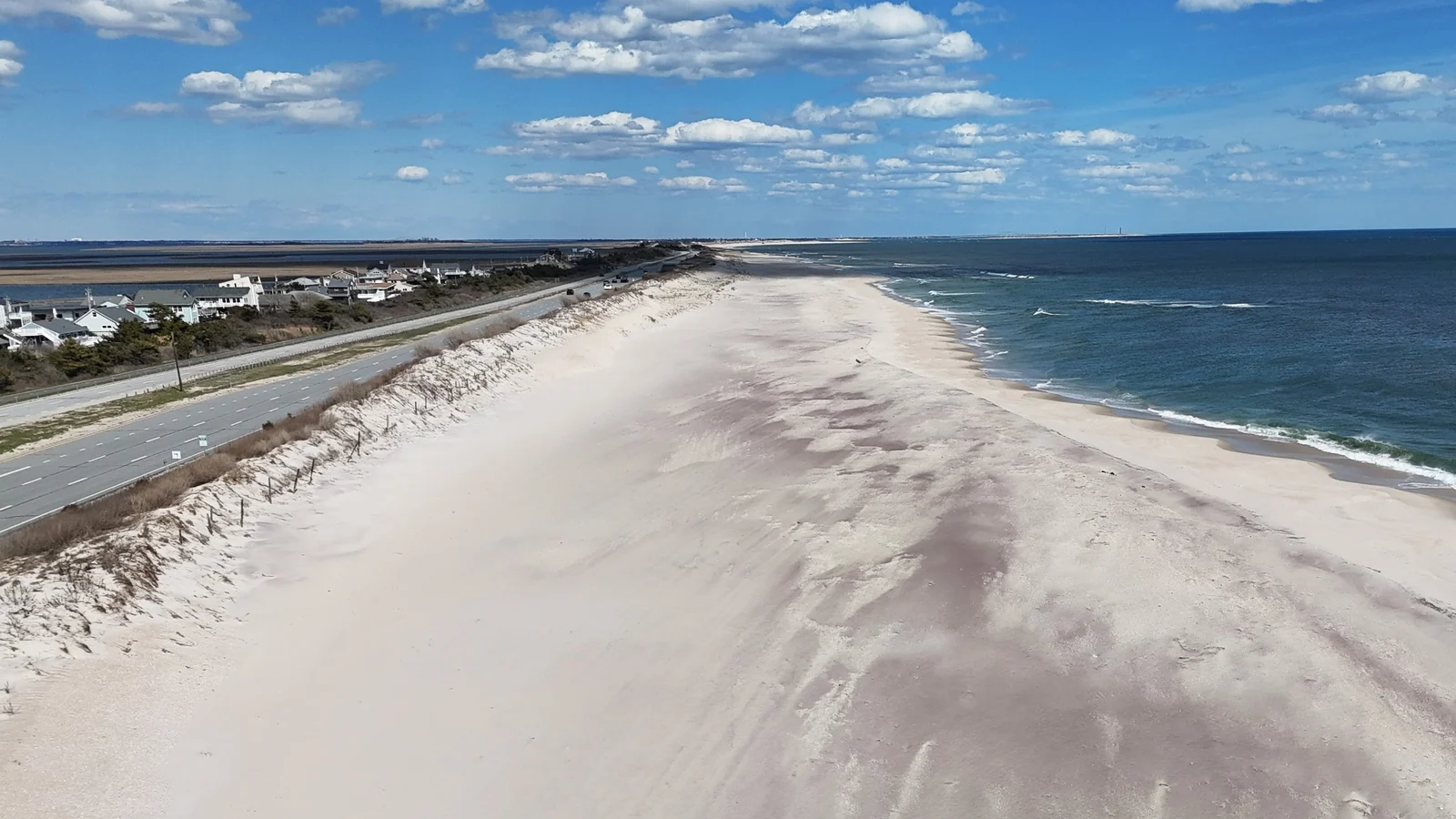
When the Shore Holds Secrets: The Guilty Plea that Reopened Gilgo Beach
The wind off the Atlantic carries salt and the persistent hush of dunes, but for years it seemed to whisper secrets the coastal community of Long Island could not bear to hear. This week, those whispers became a confession: Rex Heuermann, a 62-year-old architect once thought to be indistinguishable from his neighbors, has entered a guilty plea to the kidnapping, torture and murder of seven women whose remains were linked to the grim strip of shoreline known to the nation as Gilgo Beach.
It is a quiet sentence of facts — arrested outside his Manhattan office in July 2023, initially pleading not guilty, now admitting guilt in Suffolk County court — but the human weight behind those facts is enormous. Families who have moved through years of bewilderment, investigators who chased cold leads, and a small seaside town that has learned to live with a dark history are all rearranged by this single legal turn.
How a Case Collapsed into Clarity
The Gilgo Beach discoveries between 2010 and 2011 first alarmed Long Island the way few things do: the remains of 11 victims — nine women, one man and a child — scattered along a brushy stretch of the Robert Moses State Parkway, eyes drawn to the Atlantic horizon as if answers might wash ashore. For years the case lay tangled. Most victims were women who did sex work, a group historically marginalized and often overlooked by systems designed to protect.
Investigators pivoted slowly from frustration to focus. In 2022, a lead sharpened: Heuermann was identified as the registered owner of a vehicle a victim had been seen in. That thread pulled further until forensic detection, once primitive by comparison, found a way to speak. DNA on a discarded pizza box tied him to one of the victims; mobile phone metadata placed him on routes connecting his life to the victims’ last known movements. Some evidence was found in his family home in Massapequa Park. And in search histories, interrogating queries like “Why hasn’t the Long Island serial killer been caught?” left a virtual fingerprint of obsession.
“Forensic science doesn’t always show you the whole story, but it hands you the threads,” said a retired detective involved in the case, reflecting on the quiet, incremental work that makes a case. “You follow the threads, and sometimes they lead to a man who used to be unnoticed because he chose to be.”
From Architect to Accused: A Community’s Conflicted Portrait
Heuermann’s professional life — an architect, married, and the father of two — helped mask him in a community that prized stability and suburban normalcy. Neighbors describe neat lawns and a routine existence; the revelations about his alleged crimes have forced them to reconcile ordinary facades with extraordinary violence.
“We waved to him at the mailbox. He seemed quiet, polite,” said a neighbor who lives two streets over, asking to be unnamed. “Now when I walk the dog by the beach I look at everyone differently. It’s hard not to think about the people who had to be taken to make this story.”
Across the small towns that dot Long Island’s south shore — from Massapequa Park to the scrubby parking lots near the parkway — there is a shared sense of relief complicated by a deeper sorrow. Relief because a suspect has confessed; sorrow because the losses were preventable and because investigating those losses took too long.
The Evidence: Small Things, Big Consequences
The case against Heuermann hinged on a tapestry of modern evidence woven with both the minutiae of daily life and the cold logic of digital trails. The DNA on a discarded pizza box — a seemingly mundane object — became a pivotal piece. Cell phone data, which can triangulate presence through towers and ping points, placed the suspect along routes connected to the victims. The discovery of related material in his home painted a picture investigators could no longer ignore.
“We live in an era where our garbage, our pixels, our late-night searches live on. Those things can be the difference between a cold case and closure,” said a forensic analyst who studies patterns in violent crime. “This was not a single breakthrough. It was the cumulative effect of persistence, technology and good police work.”
Faces Without Names for Too Long
Names matter. For too many years, some victims were reduced to coordinates on a map of dunes and scrub. The revelation that Heuermann has pleaded guilty to seven murders — crimes spanning from 1993 to 2010 — forces a reckoning with how society values lives that sit at the margins. When sex workers are murdered, investigations can lag; stereotypes and bureaucracy have a way of creating distance between the victim and the urgency of justice.
“They were someone’s daughters, sisters, mothers,” said a volunteer who has worked with families of the victims. “You can’t measure what a family loses, and you can’t measure the years spent waiting for answers. This plea gives them something they didn’t have before, but it can’t give back the years.”
What This Moment Tells Us
There are larger chords in this small community drama. The Gilgo Beach case shines a harsh light on how violence intersects with vulnerability, how technology can both hide and reveal, and how community memory works when the unthinkable becomes part of daily life. It also asks uncomfortable questions: How many other cold cases might be solved if marginalized victims were treated with the same urgency as others? How will policing evolve in a world where our most mundane acts — tossing a pizza box, making a search — can expose us?
Nationally, the case is a reminder that advances in DNA technology, cell-site analysis and digital forensics are changing the criminal justice landscape. But technology alone is not a panacea. It’s the blend of investigative doggedness, community cooperation, and legal scrutiny that turns data into conviction.
For the Families
Even as the legal process moves forward and Heuermann faces the specter of life in prison if the plea is approved, families must navigate a different, longer path: ceremony and grief without full answers, ritual and remembrance without the easy solace of closure.
“No verdict will make it better in a way that matters,” said a woman whose relative is among the victims, her voice tight with years of withheld sorrow. “But for all the nights we sat up wondering if he’d be caught — for that alone, I can sleep a little easier.”
Where Do We Go From Here?
This case will sit in textbooks, in podcasts, in neighborhood conversations for years to come. It is an object lesson in the interplay of place and secrecy, in how a quiet shore can hide a roaring storm, and how the smallest evidence can outlast the most carefully constructed lies.
As you read this, think about the communities you pass through without noticing, the people you assume you know, and the systems that decide whose disappearances merit immediate inquiry. What responsibility do we share to ensure that every life is treated as a life worth investigating? What changes in policy, empathy, and resources could stop another community from learning the hard way how fragile safety can be?
Gilgo Beach will always be a place of wind and brine, of gulls and dunes. It will also, now, be another stretch of coastline marked by a human story of loss and the long, imperfect arc toward accountability. The guilty plea doesn’t erase the trauma. But for the families, for the town, and for a broader public that has watched the slow machinery of justice grind on, it is a moment when a long silence was finally broken.