Hidden in plain sight: guns, a Dover ferry and an ordinary man at the centre of an extraordinary case
At first glance it was an everyday crossing: a grey vehicle rolling off a ferry from Calais into the bright, bracing air of Dover, tyres hissing on wet tarmac, passengers stretching after the Channel crossing. Then officers stepped forward, a routine stop turned into something that smelled, unmistakably, like something darker.
On a chilly afternoon last week, counter‑terrorism police at the Port of Dover say they found ten self‑loading pistols stashed behind the seats of a car. Some of those guns were reportedly loaded. The man driving the vehicle — 24‑year‑old Khalid Ahmed of Ealing, who holds both Dutch and Irish nationality and who was born in Amsterdam — has been remanded in custody, accused of trying to smuggle weapons into the UK.
From ferry deck to magistrates’ bench
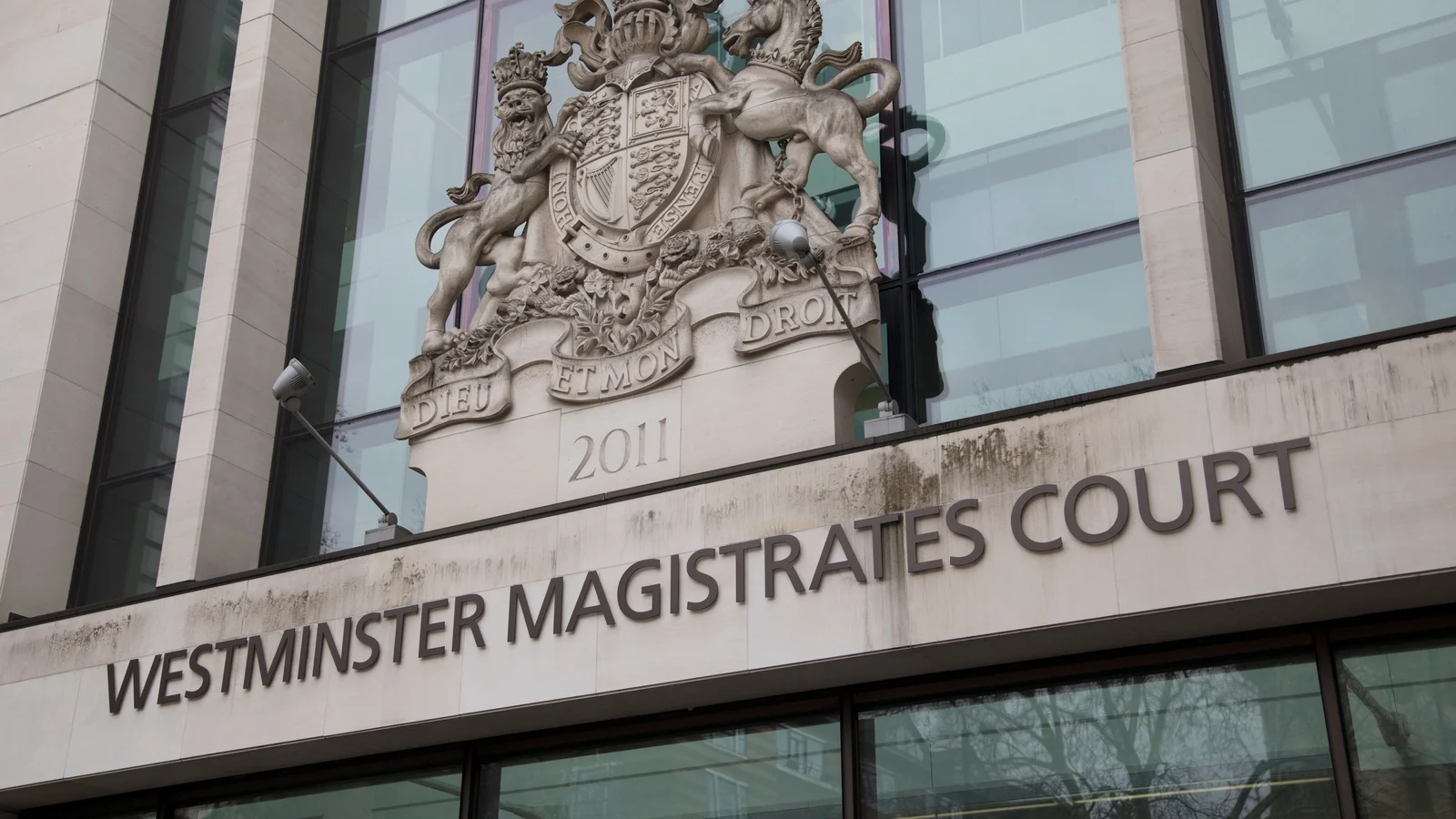
Ahmed appeared at Westminster Magistrates’ Court, where he did not enter pleas to ten counts of possession of a prohibited weapon and a charge of possessing ammunition. He has been remanded until a hearing at the Central Criminal Court on 24 April.
“We treated this as a serious matter as soon as the vehicle was stopped,” a senior police officer involved in the operation told me. “The fact that some weapons were loaded raised immediate concerns about public safety. Investigations are ongoing.”
Such scenes — a vehicle intercepted at a busy port, police pulling back a seat to reveal weapons — have an almost cinematic quality. But the reality behind them is granular, procedural and urgent. The Port of Dover is one of Europe’s busiest cross‑Channel gateways, handling millions of passengers, freight trucks and cars every year. For the authorities, the challenge is to keep daily life flowing while also catching those who would use that flow to move contraband.
A local snapshot: Ealing and Amsterdam
To neighbours in west London, Ahmed’s story reads like the outline of a life many would recognise: a construction worker, early twenties, with a rhythm marked by shifts and commute. “He kept himself to himself,” said a neighbour who asked to remain anonymous. “I’d see him up early in the morning, heading off with his tools. It doesn’t feel like him — but we don’t know what goes on behind closed doors.”
His Amsterdam birthplace is a reminder of how European lives now crisscross borders with ease. Dual nationality, foreign roots, seasonal work travel — they can all be innocent hallmarks of modern life. But those same patterns also create spaces where organised smugglers — and lone operators — can attempt to exploit transit hubs.
Why this matters beyond one car and one port
This isn’t merely about a single arrest. It is a flashpoint that touches on larger questions: how porous are our borders to illegal arms? How do nations balance the free movement of people and goods with the imperative of preventing violence? And what does this incident say about the networks — or the vulnerabilities — that allow ten pistols to cross from Calais into Kent?
“The discovery of multiple firearms at a major port increases the likelihood that this wasn’t an impulsive act by an isolated individual,” said Dr. Marianne Lowe, a criminologist who studies arms trafficking in Europe. “Smuggling of weapons often involves networks; even if an individual is acting alone, they’re usually tapping into existing logistical routes.”
Historically, the UK has one of the lowest rates of firearm homicide in the developed world. Stringent laws have been tightened since high‑profile mass shootings in the late 20th century — notably the handgun bans after the 1996 Dunblane tragedy — and prosecution for possession of prohibited weapons carries heavy penalties. But a low baseline doesn’t mean zero risk. Small numbers can still have catastrophic consequences.
Numbers and enforcement — the landscape
- Handguns were effectively banned in mainland Britain in the aftermath of the 1996 Dunblane massacre.
- Ports like Dover are routine checkpoints for customs and border security, processing millions of passengers and vehicles annually; this volume makes selective searches necessary but also challenging.
- Even in countries with strict gun controls, illicit markets persist, and the interception of multiple weapons frequently points to wider smuggling attempts rather than isolated possession.
Voices from the ground
At the Port of Dover, a port worker who has spent decades loading ferries described the rhythm of crossings. “You get the same faces, the same trucks, the same cars,” she said. “But every so often something jars. You learn to notice the little things — a nervous driver, a vehicle that doesn’t match the manifest. That’s when you flag it.”
Legal experts cautioned against jumping to conclusions about motive. “Being charged is not the same as being convicted,” said Aisha Rahman, a defence solicitor. “We will want to see the evidence. The court process exists to test those allegations — whether this was part of a larger supply chain or an ill‑judged move by an individual will be central to the case.”
The human element: fear, bewilderment, responsibility
Think for a moment about the household in Ealing where someone now sits behind bars. Neighbours whisper. Family members recalibrate their lives. A young man’s future veers into the uncertain. Stories like this crack open a simple, unsettling question: how do ordinary lives become linked to extraordinary risks?
“I’m worried for our community,” said Fatima, who runs a small grocery in the area. “We want safe streets. But we also want the truth to come out. If someone has been led into danger, we should understand how.”
Policy, prevention and the long view
The incident raises policy questions about cross‑channel security and intelligence sharing. Effective interdiction rests on timely information sharing between agencies across borders — what to search for, who to profile, how to target the networks rather than simply the symptoms.
“In our interconnected continent, criminal activity crosses jurisdictions as easily as legitimate trade,” Dr. Lowe added. “That makes international cooperation and targeted intelligence all the more critical.”
What to watch next
The case will return to the Central Criminal Court on 24 April. Until then, a few facts are worth tracking: the evidence that led officers to stop and search the vehicle; whether investigators link the weapons to a wider network; and how prosecutors frame intent. Each will add clarity — or complexity — to what began as a routine port stop and has now become a legal drama with potential national implications.
And for readers: what do you think? Do you trust that ports and borders strike the right balance between openness and scrutiny? Are our legal systems equipped to untangle cross‑border criminality without sweeping up ordinary travellers? These are not easy questions. But every incident — even one that starts on a ferry ramp beneath the gulls — pushes us to rethink them.
For now, the scene at Dover is frozen in the public mind: ten pistols, a detained man, a courtroom date on a calendar. Behind those facts are communities, questions about enforcement and the uneasy awareness that the things we assume are safely out of reach can sometimes be closer than we imagine.