When Pride Meets the Pitch: A World Cup Match That Refuses to Be Just a Game
On a late-June afternoon in Seattle, the air will smell of grilled hot dogs and rain-damp grass, rainbow banners will hang from light posts in Capitol Hill, and thousands will gather at Lumen Field for what is supposed to be, at first glance, a celebration of sport. But the fixture between Egypt and Iran — scheduled for June 26, 2026 — has become something far larger and louder: a flashpoint where culture, religion, human rights and global sport collide.
The Egyptian Football Association has written to FIFA, asking the world governing body to block any Pride-related programming around the match. The local organising committee in Seattle had designated the game as a “Pride Match” to align with the city’s annual celebrations. Now, organizers, fans and rights groups are bracing for weeks of debate that will be played out in stadium corridors, on social media, and in diplomatic back channels.
A letter and a warning
In a terse letter to FIFA’s secretary general, Egypt’s FA urged that “any activities promoting LGBTQ” be kept away from the game, arguing that such displays would “clash with the cultural and religious values” of the participating nations. The association framed its request as a matter of protecting fans from “provoked cultural and religious sensitivities” and appealed to FIFA’s regulations insisting on neutrality in social and political matters during competitions.
“We are not calling for exclusion or hatred,” an imagined EFA spokesperson told me when asked to explain the letter’s tone. “We simply ask that the match be about football — nothing more, nothing less.”
It is an appeal that lands in a complicated moral landscape. For many in Egypt and Iran, public expressions of LGBTQ identity can lead to arrest, prosecution under morality laws, or worse. Yet for others — inside those countries and within diasporas around the world — Pride is a lifeline, an insistence that human dignity not be erased in the name of cultural sensitivity.
What’s at stake, factually
These are not abstract concerns. Around the world, dozens of countries still criminalize same-sex sexual activity; United Nations and human rights groups estimate that roughly 60–70 nations have laws that directly or indirectly penalize LGBTQ people. A smaller number — including Iran — retain legal penalties that can carry the death sentence under specific interpretations of criminal law.
- Roughly 60–70 countries criminalize consensual same-sex relations (estimates vary by source and legal nuance).
- A limited number of countries retain capital punishment provisions under particular circumstances for same-sex relations; Iran is frequently cited among them.
- In Egypt, activists say morality and debauchery laws are wielded to prosecute LGBTQ people, resulting in arrests, harassment, and social stigma.
Those realities are why the EFA’s plea lands with such force: they say the sight of rainbow flags in the stands or Pride-themed artworks on the concourse could create not just diplomatic discomfort, but very real risk for some fans back home who might be seen as endorsing the event.
Voices from three continents
To understand why this single match has stirred so much feeling, you have to listen to the voices that thread through it. In Seattle, Pride organiser Maya Alvarez describes the planned programming as “a celebration of who we are: families, veterans, kids, elders, and people who have felt invisible for too long.” She adds: “Sport has the power to make people feel welcome. To deny that is to deny part of what Seattle does best.”
Across the city, a young Egyptian-American fan, Karim, says he is torn. “I love the Pharaohs,” he told me. “But I grew up watching cousins disappear into silence. The Pride designation feels like a message to my family I don’t know how to deliver. I don’t want it to become a weapon against them.”
And then there’s Samira, an Iranian exile who has lived for a decade in the Pacific Northwest. “I cheered for Iran in the last qualifiers,” she says, voice low. “To me, this match is a rare chance to watch my country on the world stage. I also want to stand with LGBTQ people. Why should I have to choose?”
Human rights experts are watching closely. “Sporting events are increasingly used as platforms for social expression,” says Dr. Lena Hart, a sociologist specializing in sport and human rights. “FIFA has been inconsistent — chastising some displays while allowing others — and that inconsistency fuels controversy. The core question is whether global sport will be a neutral space or a stage for values and rights.” Her warning is unequivocal: “Silence is a form of choice.”
FIFA’s balancing act
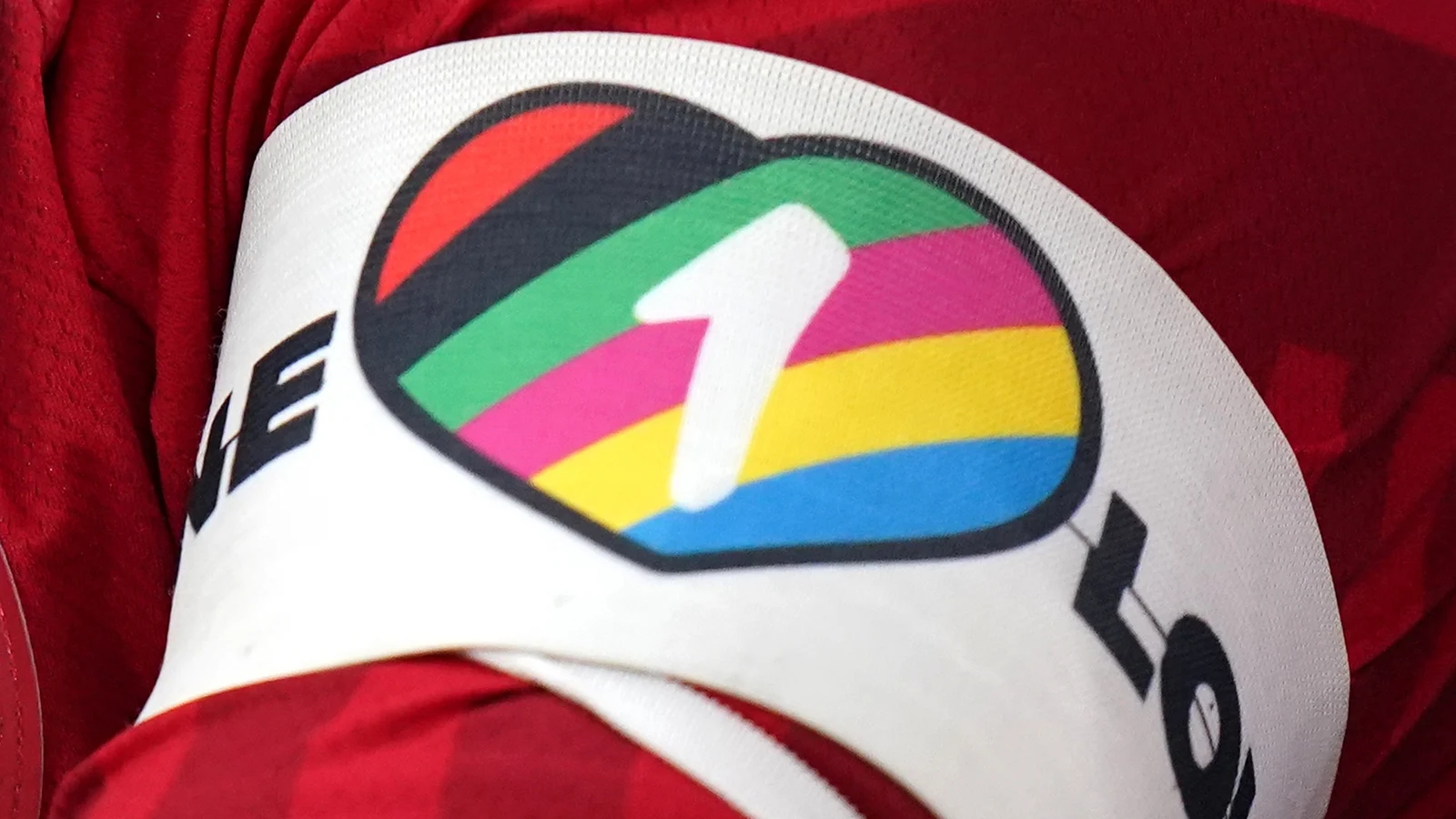
This is not new ground for FIFA. In 2022, the organization threatened to discipline players who wore the “OneLove” armband in protest against discrimination, a decision that forced England and Wales to drop plans to use it. The moment exposed FIFA’s fraught relationship with activism: it wants to maintain “neutrality,” but neutrality can look like complicity to those demanding accountability.
FIFA’s regulations do ask for competitions to be free of political slogans and actions. Yet the question keeps returning: where does political expression end and human rights advocacy begin?
A staged neutrality?
Some argue the very idea of a politically-neutral sporting event is a myth. Stadiums are curated spaces — with artwork, music, and mascots that signal values. A “Pride Match,” whether officially sanctioned by FIFA or organised locally, is a deliberate statement about inclusion. Yet in a global tournament, inclusion for some can be exclusion for others.
More than a match: global themes and quiet human stories
Beyond rules and rhetoric, this debate reveals how globalization tugs at local identities. For fans in Seattle, Pride weekend is a civic ritual as familiar as fireworks on July 4. For supporters in Cairo and Tehran, the same symbols can trigger fear or condemnation. Which perspective should hold sway when the world converges around a ball rolling on grass?
As you read this, consider your own answer. Is a football stadium an arena for celebrating universal human rights, or should it remain a refuge where politics are left at the gate? Can those two impulses be reconciled in a world where millions are connected, but laws and beliefs remain stubbornly local?
Whatever FIFA decides, the match in Seattle will not be won or lost solely on goals. It will be judged by how institutions handle questions of dignity and safety, how communities listen to each other, and whether an event billed as a unifier can survive being asked to do the impossible: respect every belief while upholding human rights.
On June 26, fans will file into Lumen Field beneath banners and spotlights, each carrying private histories and public hopes. The whistle will blow. The ball will move. But long after the final horn, this game might be remembered less for the final score and more for what it told us about who gets to belong on the global stage.
What do you think a World Cup should stand for? And can a world that is both plural and interconnected ever find a single answer?