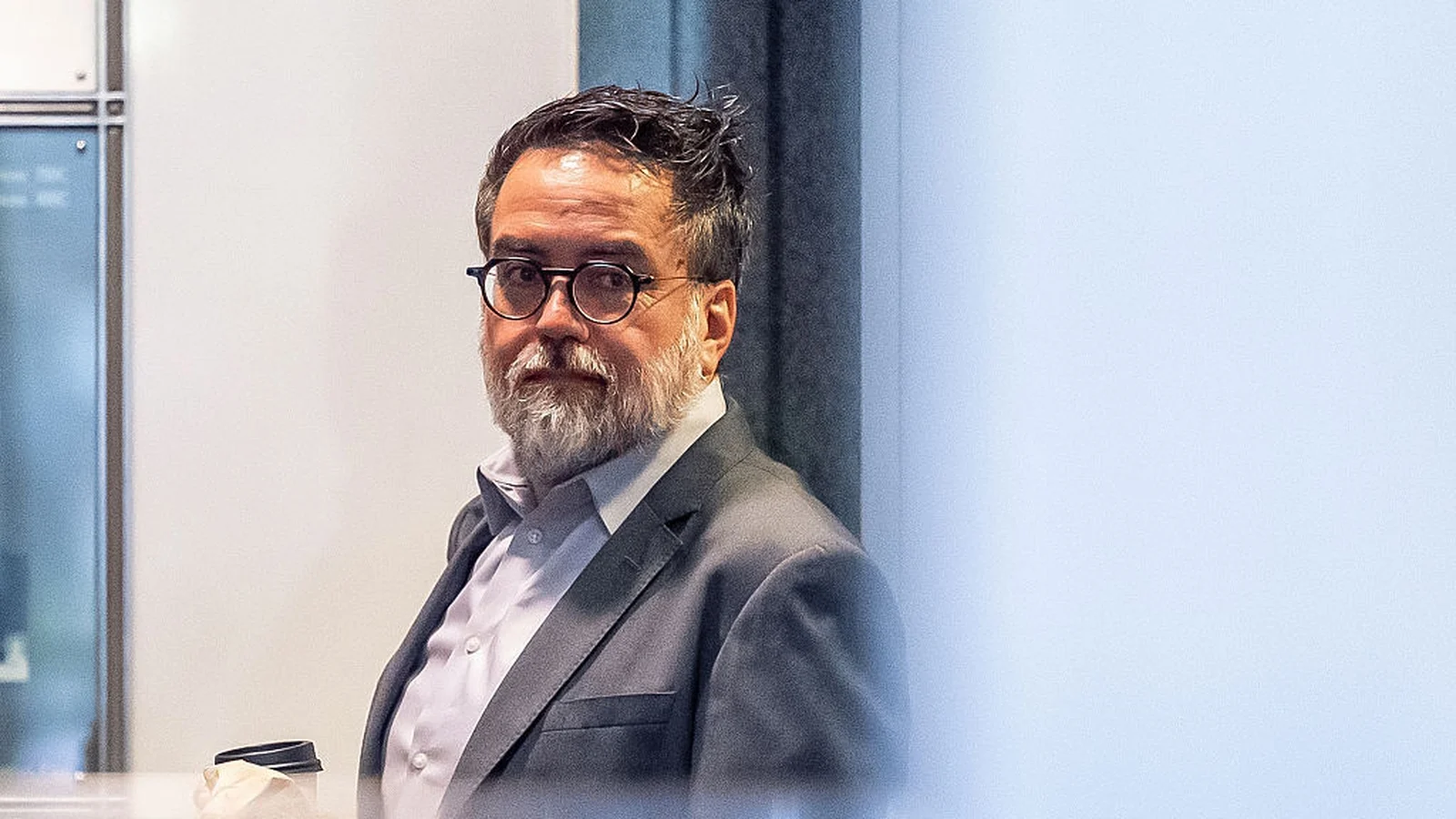
Testimony in a closely watched courtroom battle over Facebook and Instagram turned sharply personal when a former Meta engineering director told a judge that Mark Zuckerberg drove a culture where child safety took a back seat to growth.
Arturo Bejar, now a prominent critic of Meta Platforms, delivered the accusation on his second day on the witness stand in a landmark trial brought by a coalition of states — a case that could reshape how Facebook and Instagram operate.
California, Colorado, Kentucky and New Jersey allege Meta built its services to hook young users, contributing to anxiety, depression and suicide while misleading consumers about safety.
Those states, along with 25 others, also claim Meta violated federal law by improperly collecting and using personal data from children under 13 while they used its platforms.
The trial opened yesterday and is expected to run for six weeks, with Mr Zuckerberg expected to testify.
Mr Bejar, the states’ first witness, told the court that Mr Zuckerberg was deeply involved in decision-making and that Meta’s top-down structure meant meaningful product changes would happen only if the CEO demanded them.
“If Mark makes something a priority, mountains move in months,” Mr Bejar said.
He also challenged Mr Zuckerberg’s October 2021 pushback to allegations raised by whistleblower Frances Haugen — claims that Meta understood its products were unsafe for children, knew how to fix them, and chose not to in pursuit of higher profits.
At the time, Mr Zuckerberg said Meta continuously relied on research to improve its products.
“It’s so false, every part of it,” Mr Bejar said. “You just cannot trust Mark Zuckerberg with kids.”
Misogynistic comments toward daughter
Mr Bejar worked at Meta from 2009 to 2015 and later examined the wellbeing of teenage Instagram users as an independent contractor from 2019 to 2021.
He told the court he was notworking directly with Mr Zuckerberg during that period and, as an outside contractor, did not have access to some internal resources.
Mr Bejar has long criticised Meta’s child-safety record. In 2023, he testified before a US Senate committee that the company knew about harassment and other harms affecting teenagers on its platforms but failed to address them.
Questioned by Meta lawyer Brian Stekloff, Mr Bejar said he did not understand the risks his daughter would face in 2021 when he helped her open an Instagram account she still maintains.
Mr Bejar said his daughter was 16 at the time and wanted a space where women could talk about cars, but instead encountered misogynistic comments, including remarks about her breasts.
“I kept an eye on how distressing it was for her,” Mr Bejar said. “She got a good following, at the price of harm.”
Profit over safety
Earlier in his testimony, Mr Bejar told a lawyer for the states that Meta consistently put engagement and profit ahead of safety.
He criticised a Meta tool that encourages users to take a break — a feature the company has pointed to in its defence — arguing it was “designed to fail” because it is not set as the default and prompts can be easily ignored.
Mr Bejar also said Meta had technology capable of flagging users suspected of being under 13 and requiring verification, but that the company effectively looked the other way through a “don’t ask, don’t tell” policy because doing so was financially beneficial over the long term.
“Where the youngest kids are is where the users are going to be in the future,” he said.
Experts have described the case as the most significant legal test to date of social media’s impact on young users.
Meta is also facing thousands of similar lawsuits alleging harm to children.
Mr Bejar has served as a key witness against the company in three cases that have reached trial so far.
One of those, brought by New Mexico, ended with $942 million (€806m) in damages and penalties and an order requiring Meta to change its platforms in the state.