A new digital curfew: Australia prepares to turn off the lights for under‑16s
On a humid summer morning in suburban Sydney, 15‑year‑old Maya thumbed through a half‑asleep feed of videos while her brother packed a cricket bag. “It’s the first thing I check,” she said, voice still woolly from sleep. “It’s how I know what’s happening with my friends.”
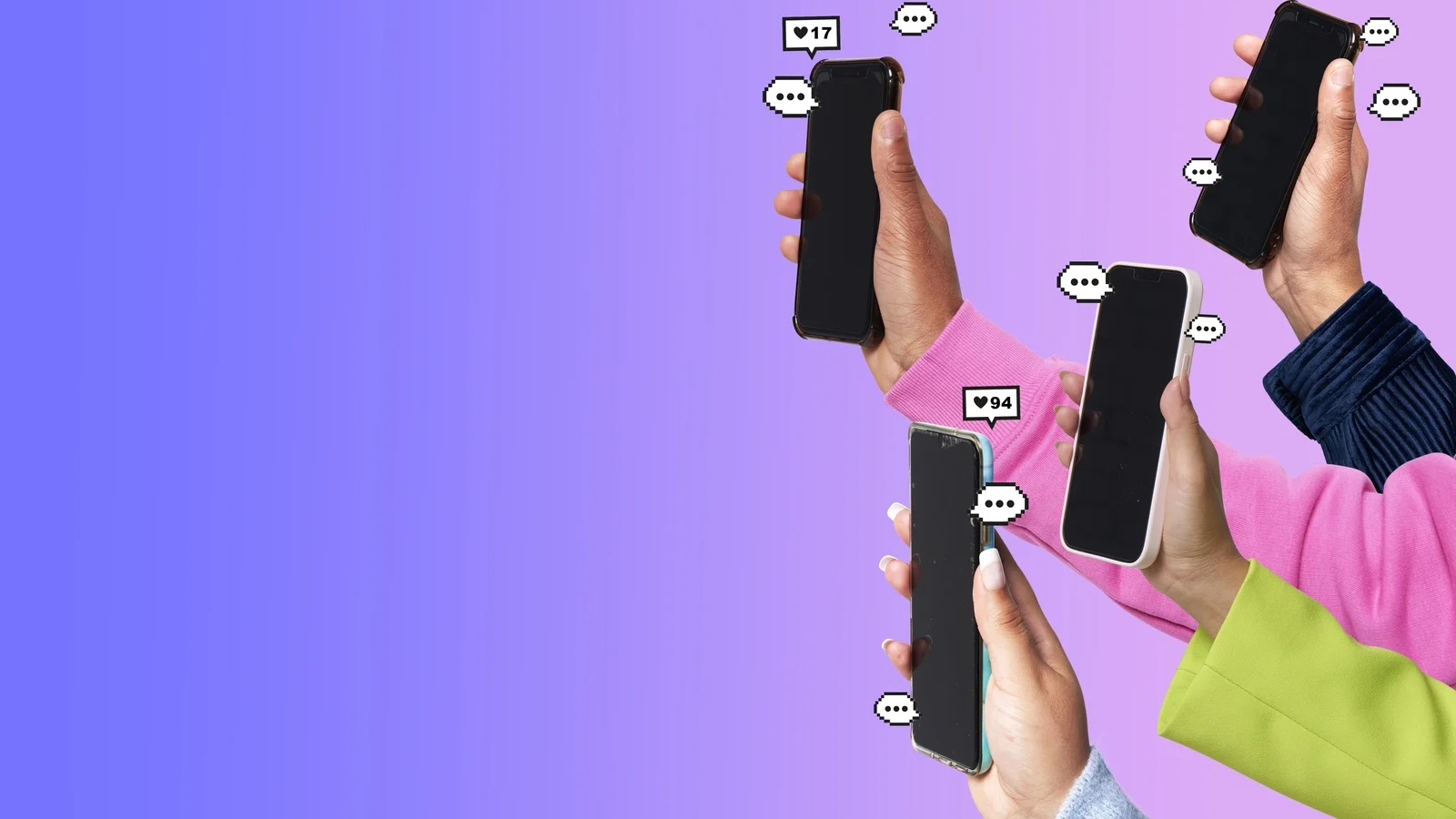
In four days’ time — on 10 December — Australia is poised to do something no other nation has attempted at scale: ban children under 16 from using mainstream social‑media platforms. The government frames the move as an act of protection. “We cannot outsource our kids’ safety to algorithms and anonymous strangers,” Communications Minister David R., told reporters. “This policy is about rebuilding a safer, childhood space.”
The decision follows a government‑commissioned study showing that 96% of Australian children aged 10–15 had used social media, and that roughly 70% had encountered harmful content at some point. Those figures, stark in the sterile language of policy papers, take on a different tone when you hear them in a classroom or at a beachside café.
How it’s supposed to work — and what that really means
At the heart of the new rules are three levers: platform obligations, age verification, and enforcement. Large apps will be required to block access to accounts for users under 16, or to obtain verified parental consent. Companies face heavy fines for non‑compliance and will be expected to report regularly to the eSafety Commissioner.
Practically, this will mean app stores and social networks introducing age gates that are more than a “How old are you?” checkbox. Expect requests for government ID, digital identity checks, or third‑party verification services. Telcos might also be roped in to flag underage accounts, and payment providers could be asked to confirm parental consent.
“Age verification at scale is not trivial,” said Dr. Aisha Mendes, a cyber‑security specialist at the University of Melbourne. “You’re balancing accuracy with privacy, and any system that asks families for ID opens a host of data‑security and equity problems.”
Voices from the street: parents, teens, teachers
In the inner suburbs of Melbourne, a single mother, Tanya, said she welcomes the move. “My 12‑year‑old was getting sucked into comparison and bullying. If this gives us breathing space, I’m all for it,” she said. “But the government needs to support parents — digital literacy classes, real support, not just a headline.”
Not everyone shares that view. “They’re treating screens like candy — you can just take it away,” sighed Liam, 17, who leads a youth theatre group in Brisbane. “For queer kids, for kids in remote areas, social platforms are lifelines. Where do we send them when they’re 14 and have no local community?”
Teachers report both relief and alarm. “I’ve seen students bullied through closed groups and pressured into dangerous challenges,” said Sarah Nguyen, a high school wellbeing coordinator. “But remote learning and school projects also rely on digital tools. Blanket bans risk cutting off legitimate educational uses.”
Experts sound the cautionary notes
Psychologists point to a complex evidence base linking heavy social‑media use with anxiety, disrupted sleep, and body image concerns among adolescents. “There’s real harm,” said Professor Mark O’Connell, a child psychiatry specialist. “But the solution cannot be a blunt prohibition without investment in mental‑health services and prevention programs.”
Digital‑rights advocates warn of unintended consequences. “When you push activity out of regulated platforms, you push it into encrypted apps, VPNs, or underground servers,” said Priya Raman, director at RightsNet. “Young people are resourceful. They’ll find workarounds, and regulators will be chasing shadows while created more surveillance by design.”
Practical questions the law still must answer
How will the ban affect users who are 15 but care for younger siblings? What about migrant families where children act as interpreters or community liaisons online? What safeguards are there when an app asks for a driver’s licence or passport to prove a child’s age?
Here are the most pressing operational problems regulators will have to address:
- Age verification: Can systems be both secure and privacy‑preserving?
- Equality: Will disadvantaged or remote youth lose access to support networks?
- Enforcement: What penalties and monitoring tools will be used against global tech firms?
- Borders and workarounds: How will families using VPNs or overseas app stores be monitored?
Beyond the headlines: cultural texture and local reality
This is a country where childhood summers smell of sunscreen and eucalyptus, and where teenagers trade memes between surf lessons. The announcement has filtered differently through Australia’s urban cafes and its outback towns. In a small coastal community in Far North Queensland, an Aboriginal youth worker, Janelle, worries about cultural consequences. “Our young people use social media to keep kinship ties across long distances,” she said. “You can’t stop that with a policy that doesn’t understand communities.”
In Sydney’s inner west, a grandmother named Mavis told me over flat white coffee that before phones, kids played cricket until dusk. “But we didn’t have predators on the other side of the screen. This is a hard problem,” she said, fingers clasped around the cup.
The global dimension: who else is watching?
Australia’s move is not happening in a vacuum. Ireland has been examining similar restrictions, and platforms such as TikTok have announced they will comply with local laws where required. Tech firms are navigating a patchwork of rules from the EU’s Digital Services Act to national protections for children.
“This is the beginning of a new era in internet governance,” said Dr. Elena Korsakov, a policy researcher at the Global Digital Institute. “Nations are no longer content to leave platform harms to corporate policy. They’re setting red lines. The question is whether this redrawing of the internet will protect children, or simply relocate risk.”
What to watch for on 10 December — and after
Expect lawsuits from tech companies, a scramble among verification providers, and heated debate in the courts and playgrounds alike. Watch for:
- Implementation details: who will verify age and how?
- Early exemptions or carve‑outs for educational or health services
- Data‑privacy implications of large‑scale ID checks
- Evidence emerging about whether the measure reduces harm or drives kids elsewhere
Where do we go from here?
There are no easy answers. We can imagine a future where children grow up without being tracked into habits that erode sleep and self‑worth. We can also imagine a future where a ban isolates the most vulnerable.
So I ask you: should the state be the digital nanny, or should it equip parents and communities with the tools to guide children safely through an online world? Is the trade‑off between protection and liberty worth the risks of surveillance, exclusion and fragmented community?
Whichever path Australia takes in the coming days, the decision will be watched around the world. Other nations will measure the policy’s outcomes — the reduction in reports of abuse, the data‑privacy fallout, the legal challenges — and decide whether to follow suit.
For now, Maya says she’ll lose more than a feed: “It’s how I show my art, how I keep in touch when I’m on stage.” Her brother packs the cricket bag, checks his phone anyway, and pockets it like so many teenagers doing the same thing across a sunburnt nation on the cusp of a new digital experiment.