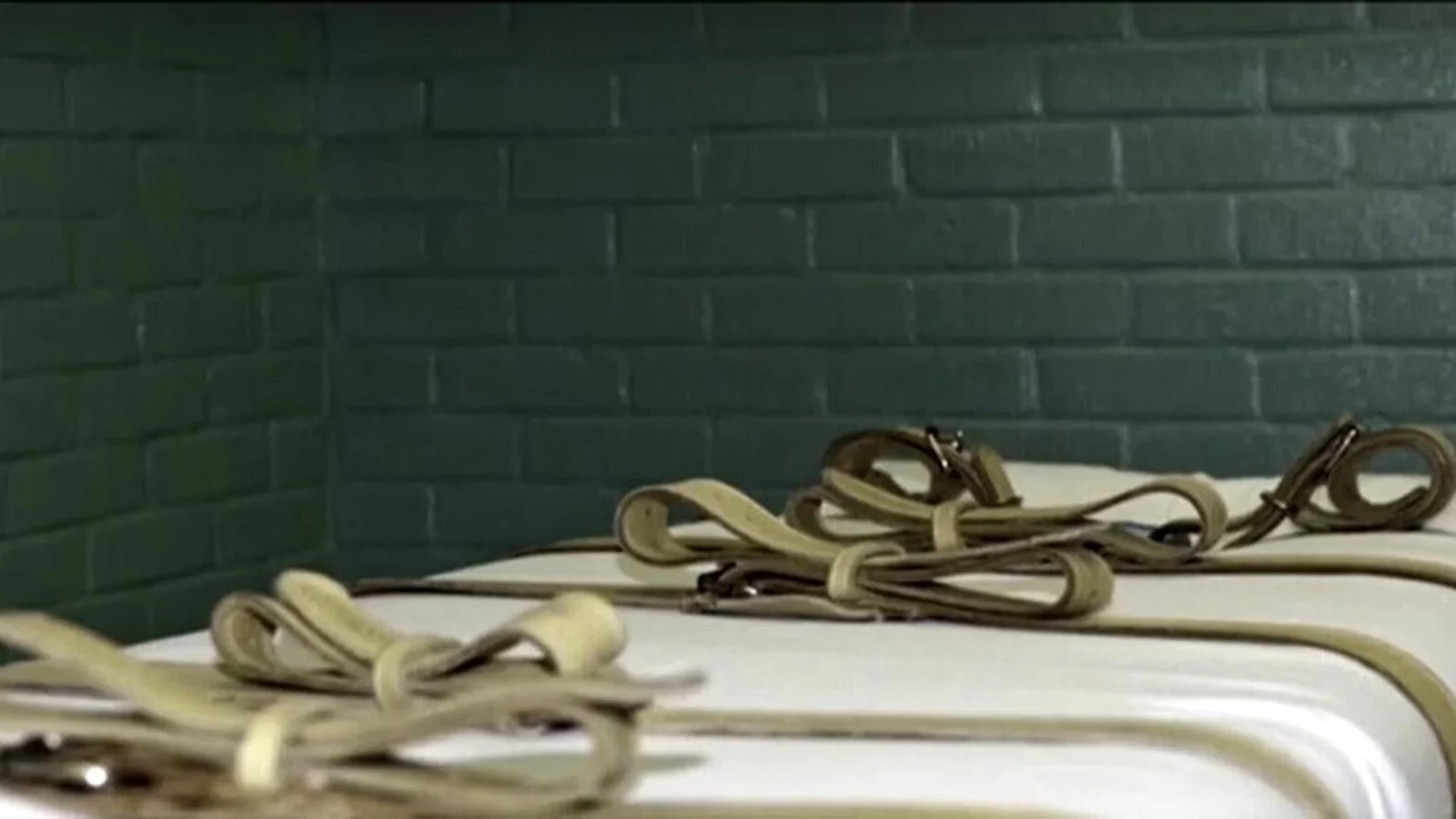
A botched execution of a woman in Tennessee — described as unprecedented — has thrown fresh fuel on America’s long-running argument over how the state should carry out death sentences, from lethal injection to firing squads.
Methods used in the US
Execution practices differ widely from state to state. States conduct the overwhelming majority of executions in the US, while executions at the federal level remain uncommon.
Lethal injection, permitted in 28 states as well as under federal authority, has dominated the modern era of capital punishment since the death penalty returned in 1976.
In 2025, there were 47 executions nationwide, and 39 of them were carried out by lethal injection.
Five others involved nitrogen inhalation — first deployed anywhere in the world in Alabama in 2024 — a technique UN experts have compared to “torture”.
Three people were executed by firing squad in South Carolina, the first time that method had been used in the United States since 2010.
Several states, however, have faced a persistent obstacle: securing the drugs required for lethal injections, as pharmaceutical companies often avoid any link to capital punishment.
That dynamic affected South Carolina, Utah and Indiana, among others, each of which restarted executions in 2024 after pauses of more than a decade tied to difficulties obtaining the necessary drugs.
Looking at how frequently alternatives are authorised, electrocution and gas inhalation come next — each allowed in nine states — followed by firing squads, which remain on the books in five states.
A litany of botched executions
History shows that no method is free from the possibility of a dramatic breakdown.
In Alabama in 1983, John Evans’s leg caught fire after the first electric shock, and smoke was seen coming from his hood. Officials administered three shocks before his heart finally stopped.
In Ohio in 2009, Romell Broom was subjected to two hours of failed efforts to start a lethal injection as three members of the execution team attempted to find a vein, sticking needles into his arms, hands and legs 18 times.
He became the first prisoner since 1946 to survive an execution attempt in the United States, and he later died of Covid-19 in his cell in December 2020.
Even firing squads — often portrayed as more straightforward — can go wrong, according to Laura Porter, director of a coalition of US organisations that campaigns to abolish the death penalty, speaking to AFP.
Porter pointed to Mikal Mahdi’s 2025 execution in South Carolina, saying the shooters “missed the target of the heart, and so it took longer for [him] to die,” citing the autopsy findings.
Nitrogen inhalation, she said, was carried out “with severe, severe problems in Alabama,” and that “it’s temporarily on hold,” she said.
“I don’t believe that there is a perfect way to kill people,” Ms Porter said.
She also stressed the toll on those assigned to carry out death sentences, saying “participating in execution is incredibly stressful and harmful to corrections officers,” she added.
Botched execution consequences
When an execution goes badly enough to prompt public outcry, states often respond by pausing executions to revisit procedures, or by turning to other authorised methods.
Tennessee halted executions in 2022, then restarted lethal injections in 2025 after adopting a revised protocol.
Alabama moved to nitrogen inhalation in January 2024 after a lethal injection execution went wrong in November 2022.
Still, Ms Porter argued that states will struggle to prevent repeat failures without greater transparency around how executions are conducted.
“When there are problems with protocols, or when there are problems with the drugs, or there are problems with the competency of the execution team, it is very, very difficult to obtain any information until after the problem has happened because we are given no information about the execution process,” she said.