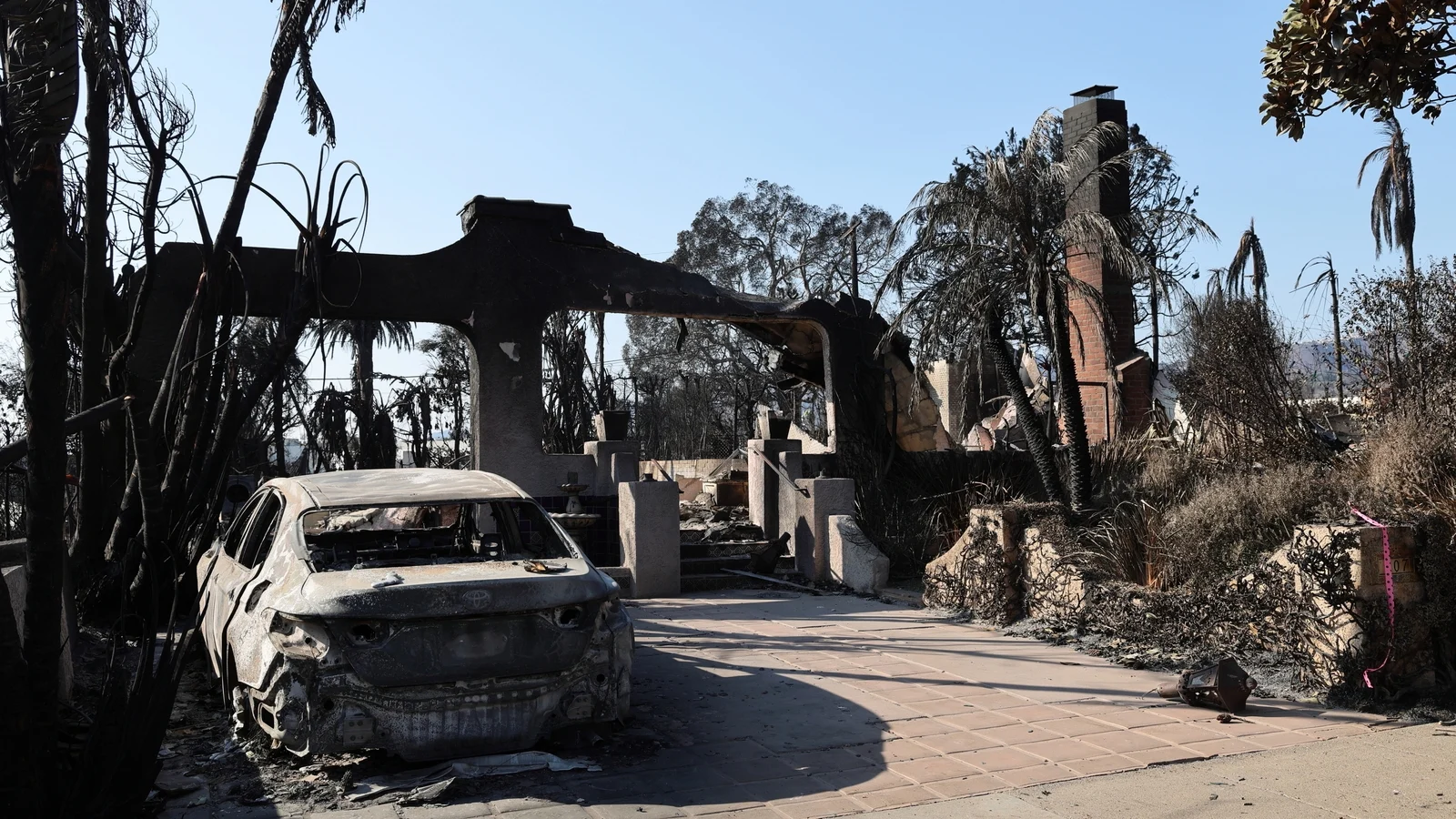
Smoke Over Altadena: A Community Waited — and the Alarms Came Too Late
When the first tongues of flame licked over the ridgeline outside Altadena in January 2025, they moved with a dispassionate speed that felt almost personal. Ash fell like gray snow on porches. Neighbors who had shared barbecues and potlucks for decades suddenly found themselves strangers to each other’s fate: one block evacuated, another left to its own devices.
By the time the last ember cooled, 31 people had died across Los Angeles, 19 of them in Altadena. Most of those victims were concentrated on the west side of town — a neighborhood with deep roots in the city’s African American community. That painful imbalance is now the subject of a formal probe launched by California’s attorney general.
“Did Race Decide Who Got the Warning?” — An Investigation Begins
“My office will investigate whether race, age or disability played a role in how emergency warnings were issued in west Altadena,” Attorney General Rob Bonta announced, his voice measured but unforgiving. “Preliminary reports suggest residents in the historically Black neighborhood received evacuation alerts hours after other parts of Altadena were warned.”
Those delays, if proven, may have been a decisive factor in the death toll. Residents and community leaders have whispered it for months: a pattern in which warnings, resources and attention arrived with different urgency depending on zip code. Now, the state will follow the paper trails, the emergency logs, the radio dispatches, and the phone records.
On the Ground: Stories of Waiting, Running, and Loss
Walk through west Altadena today and you hear the same things: the smell of scorched chaparral, the clang of a community trying to rebuild, and the flat, tired repetition of lines like “We asked, but no one came.”
“We saw the smoke first,” said Marion Cole, who has lived on Mariposa Avenue for 28 years. “My husband called 911. We waited for a code red. We waited for an alert. The east side — they were told to go. We sat on our porch until the sky went orange and the sirens were still on the other side of the canyon.”
Volunteers set up card tables at the church parking lot, dishing coffee and listening. A barber, whose shop escaped but whose friend’s home didn’t, boiled down the moment with a single, aching line: “We trusted the system. The system didn’t trust us back.”
Who Gets the Text?
Emergency alerts are supposed to be automatic — county sirens, text blasts, door-to-door notices in some neighborhoods. But in the chaos of multiple simultaneous fires, the sequence of who received a “go now” and who received nothing at all has become a central question.
“We need to examine decision-making: who prioritized areas, why certain alert vectors were used, and whether language or disability access played a role,” said an emergency management expert at a California public university. “These are not just bureaucratic questions. They are life-and-death.”
Hydrants Without Water, Reservoirs Left Empty
In Pacific Palisades — an enclave of wide streets and ocean views — residents watched firefighters struggle against two separate indignities: hydrants that sputtered and then failed, and a municipal reservoir that lay inexplicably empty as flames closed in.
“We ran out of water,” a career firefighter who asked not to be named for fear of reprisal told me. “You can train for wind and slope and structure, but you cannot fight a fire when your hoses are dry.”
These failures have fueled a broader narrative of mismanagement. Questions about infrastructure upkeep — from pipelines to storage tanks — are now tangled with claims that staff shortages and budget choices left the city vulnerable.
Budget Cuts, Political Heat
Mayor Karen Bass has faced intense criticism for approving budget reductions to local fire services in the months before the infernos. Critics say those cuts, even if modest on paper, translated into slower response times and fewer resources at a moment that demanded everything.
“This is not a partisan issue; it’s a preparedness issue,” said a community organizer who helped coordinate relief in Altadena. “People are angry because this felt preventable.”
Supporters of the mayor say budgetary decisions are complex and that staffing and equipment alone can’t guard against this new era of megafires. But the optics of empty hydrants and a drained reservoir — images that traveled fast on social media — have hardened public sentiment into suspicion.
More Than Fire: A Story About Inequality
Wildfires rarely exist in a vacuum. They are born of climate trends — hotter, drier weather and earlier spring melts — and they are shaped by human decisions about land use, infrastructure, and emergency systems.
California’s fire seasons have lengthened dramatically over recent decades. Experts point to a combination of warming temperatures, bark beetle infestations, and decades of forest management practices as drivers. The result: fires that are faster, larger, and less predictable.
But the difference in who gets warned and who doesn’t often tracks lines drawn by history: wealth and whiteness on one side, underinvestment and marginalization on the other. The Altadena inquiry asks whether that history translated into policy choices during the moment of crisis.
Questions the Inquiry Will Ask
- Were standard alert procedures applied uniformly across all Altadena neighborhoods?
- Did digital and non-digital communication channels fail specific populations more than others?
- Were resource allocations — staffing, water supplies, on-scene command — distributed equitably?
Why This Matters Beyond One City
Look beyond Los Angeles and you see echoes: from Mediterranean Europe to Australia, communities are grappling with fires that reveal fractures in social safety nets. The Altadena story is local, yes, but it also points to a global problem: when climate shocks arrive, existing inequalities can turn natural disasters into human catastrophes.
“We talk about resilience as bricks and barriers, but real resilience is about networks — who gets help, who is listened to, who gets a warning at 3 a.m.,” said a social scientist who studies disaster equity. “If you ignore social geography, you will lose lives.”
Rebuilding Trust, Not Just Houses
In neighborhoods where generations have lived, rebuilding is as much about relationships as it is about stucco and roofing. People want answers. They want to know that someone analyzed what went wrong and changed the systems that failed them.
“We need transparency,” said Pastor Lillian Harper, who turned her basement into a temporary shelter last winter. “Not platitudes. Not headlines. Real accountability and a plan so our grandchildren don’t face the same neglect.”
What You Can Do — and What We Should Ask Ourselves
As the investigation unfolds, the rest of us — readers, citizens, policymakers — should ask: How do our warnings reach the most vulnerable? Where are our hydrants and reservoirs being tested? Who in our communities sits on the margins of emergency planning?
We can push for simple, pragmatic reforms: multilingual alerts, regular water-system audits, community liaisons embedded in fire response protocols, and funding models that prioritize equity as much as efficiency.
But there is a deeper question: when disaster reveals the seams beneath our civic fabric, do we sew them back stronger — or simply patch the tear until the next storm?
The attorney general’s investigation will take time, and facts will emerge that reshape our understanding of those terrible January nights. For now, as Altadena counts its dead and replants its trees, the community is asking for something beyond any immediate fix: recognition, accountability, and a promise that when the next warning must be issued, no one will be left waiting on the wrong side of an alert.