Night of Sirens: When Tel Aviv Held Its Breath
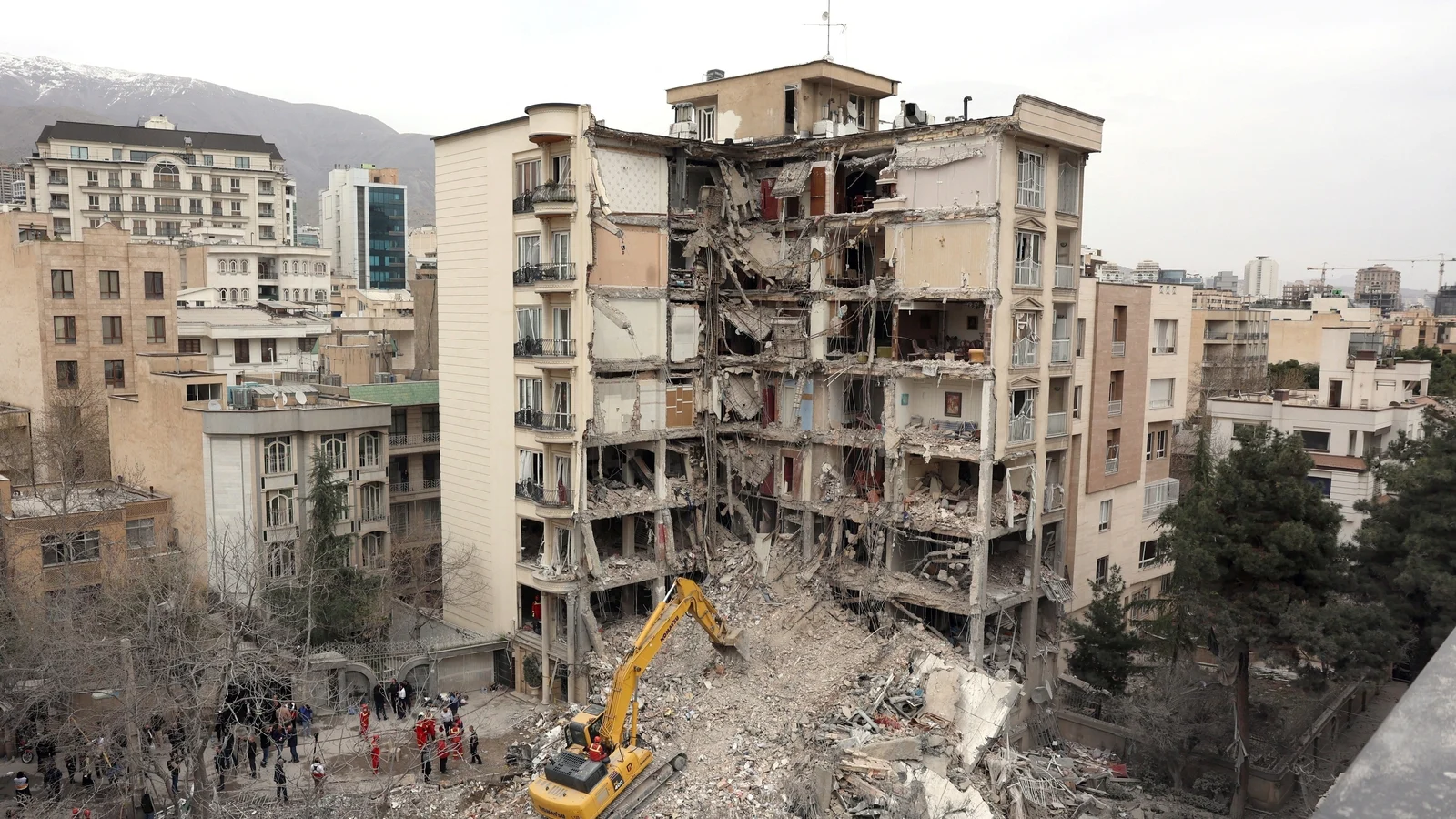
It began with a sound that fractures the ordinary: a high, insistent wail that swept through neighborhoods, over cafes, and down office towers. Air-raid sirens blared across parts of Israel — Tel Aviv among them — as what the Israeli military described as multiple waves of missiles arced toward the country. Residents poured into stairwells, balconies, and the brief refuge of shuttered shops, listening to the thunder of interceptions and the terrifying crack of debris striking roofs and streets.
“I was waiting for my coffee and then everything changed,” said Amir, a driver who stood on the corner of a bakery in northern Tel Aviv, fingering a half-empty espresso cup. “You don’t think it will come here. Then you hear it — like someone punching the sky.”
In several places, falling fragments from intercepted missiles dented cars and shattered windows. Homes in the north reported damage; no deaths were reported in the latest exchanges. Still, the psychological toll was unmistakable: a city that prides itself on its hummus-slow mornings and late-night comedy shows reduced, for a time, to quiet vigilance.
Pause and Paradox: A President’s Reprieve
Against the backdrop of the missile salvos, the White House delivered an unexpected twist: the U.S. president announced a five-day postponement of a planned strike against Iran’s electrical grid. The decision, he said, followed what were described to him as useful talks with Iranian interlocutors. The president framed the delay as a tactical pause — a breathing space in which diplomacy might yet take hold.
The immediate effect rippled through global markets. Share prices climbed and oil slipped sharply, tumbling back below the psychologically significant $100-a-barrel mark after spiking the previous days on fears of wider conflict. Traders breathed, then squinted at new data: U.S. Treasury yields nudged higher and the dollar regained some of its recent losses as investors tried to reconcile competing signals from the capitals of Tehran and Washington.
Markets and the Mood
Even in this reprieve, ambiguity loomed. The volatility underscored a raw truth: energy security and geopolitics are braided together like barbed wire and roses. The Strait of Hormuz, the crucial chokepoint through which roughly 20% of the world’s oil and liquefied natural gas transits, remains central to every forecasting model and every anxious call between ministers.
- Oil: Prices fell below $100 a barrel after the five-day postponement.
- Markets: Global equities rallied modestly on the news but remained fragile.
- Human toll: The conflict has already claimed more than 2,000 lives since late February.
Voices from the Ground and the Halls of Power
The pause did not land evenly. Within hours, Iran’s political class pushed back. Mohammad Baqer Qalibaf, a powerful parliament speaker and a figure often close to the corridors that conduct Tehran’s foreign policy, publicly denied any formal negotiations. “No talks took place,” he wrote, condemning what he called market-manipulating falsehoods. The Revolutionary Guards described the American statement as a familiar bit of psychological warfare — an attempt to shape perceptions rather than realities.
From the streets, opinions were as split as the headlines. “If there’s a chance for talks, take it,” urged Leila, a nurse in Haifa, who has treated civilians during previous escalations. “But don’t let a pause fool you. Preparation saves lives.” Meanwhile, an elderly shopkeeper in Beirut’s southern suburbs, watching smoke curl over the horizon from an earlier Israeli strike, shook his head. “We live on the edge of decisions we don’t make,” he said. “Every pause is long enough to worry and too short to heal.”
Analysts Weigh In
“What we’re seeing is a classic diplomatic gambit wrapped in the language of deterrence,” said Dr. Amina Rahman, a Middle East analyst based in Istanbul. “A temporary halt can calm markets and open channels for back-channel diplomacy, but without trust-building measures, such halts are brittle.” Her warning: progress on paper often frays in the face of competing domestic pressures and hardline actors on both sides.
Diplomacy on Fast-Forward: Islamabad, Omani Channels, and Backdoor Talks
Behind the headlines, a web of intermediaries — from Gulf states to Pakistan and Oman — have been acting as messengers in a fraught relay. Reports circulated that Pakistani officials might host talks as soon as this week, and statements from Tehran acknowledged consultations with Omani counterparts about developments in the Strait of Hormuz.
“When direct dialogue stalls, regional actors fill the vacuum,” explained Farid Al-Khalili, a diplomat who has watched similar back-channels in previous crises. “These are not full peace talks, but they often produce confidence-building gestures that prevent escalation.”
Yet even as envoys made discreet calls, hard-liners on all sides ratcheted up the rhetoric. Iran vowed reprisals against U.S. interests, hinting at new attacks, while Israeli leaders insisted operations against Hezbollah in Lebanon and potential targets in Iran would continue. The result: a diplomatic dance where every step is shadowed by the risk of a misstep.
Why the Strait of Hormuz Still Haunts Global Stability
To many outside the region, the details of meetings and missile speeds evaporate into headlines. But the Strait of Hormuz is a constant: a narrow, strategic artery that keeps lights on and economies humming across continents. When ships slow, prices rise. When insurance premiums spike, smaller economies feel the pinch first.
“If the waters remain contested, we could see prolonged disruptions to shipping that ripple through food, fuel, and manufacturing across the globe,” said Tomas Berger, an energy economist in London. “Even short closures boost volatility for months.”
What Comes Next? Questions, Risks, and a Call for Imagination
We sit now in that uneasy place between conflict and negotiation, where a five-day window becomes a crucible for choices. Will interlocutors turn a pause into a pathway toward de-escalation? Or will competing domestic pressures and mistrust erase the opening?
Here are the key questions every reader should carry with them:
- Can regional intermediaries translate face-saving measures into durable confidence-building steps?
- How will markets react if the pause dissolves into fresh strikes or if the Strait of Hormuz remains effectively closed?
- What humanitarian costs will deepen if the fighting widens or continues over months?
Every time an air-raid siren wails, it asks us to consider the human geometry of statecraft: parents choosing which room feels safest, shopkeepers tallying broken windows, traders adjusting portfolios, diplomats drafting language that might hold. The arithmetic of war is brutal and granular. It shows up in the plaster dust on a northern Israeli living room and in an insurer’s overnight memo.
For the global reader, the lesson is both immediate and American: geography matters. So does patience, nuance, and the messy work of statecraft often invisible in the cacophony of headlines. A five-day pause is not a solution. But sometimes it is enough to keep the world from tilting over for another breath — and that, in a year full of precarious balances, can feel like everything.