As it happened: Iran reopens the Strait of Hormuz
On a humid dawn in Bandar Abbas, the harbor’s usual rhythm returned like a breath exhaled after a long held silence. Small dhows bobbed, seagulls circled, and the clatter of tea cups rose from a seaside teahouse where fishermen and port workers huddled to watch the horizon. “We were all nervous,” said Reza, a crab fisherman who has threaded these waters for thirty years. “The sea is our life. When the world stops passing, you feel it in your bones.”
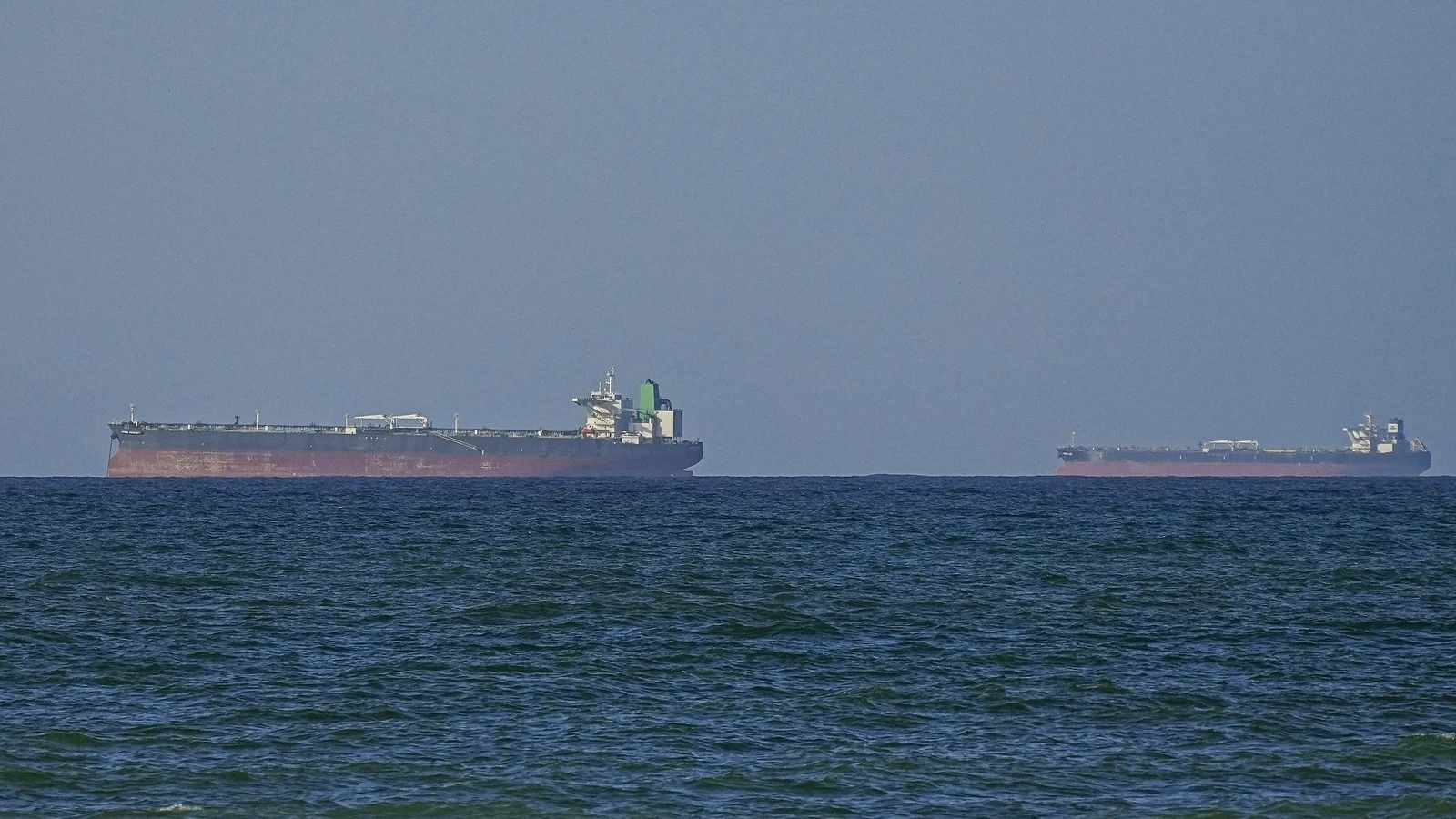
Iran announced today that it had reopened the Strait of Hormuz to commercial traffic after days of restricted passage that had thrown a fragile global energy market into a temporary tailspin. The strait — a slim artery linking the Persian Gulf to the Arabian Sea — is one of the planet’s most consequential chokepoints. About one-fifth of seaborne-traded oil moves through this narrow passage, carrying crude that fuels cities from Tokyo to Turku.
The scene at the waterline
The reopening was not cinematic. There were no trumpets, no boom of celebratory cannons. Instead, there were routine navy patrols resuming designated transit lanes, maritime pilots reporting clear waters, and, most tangibly, ships slowly easing out of anchorages where they had waited for days. A merchant captain radioed in a weary-sounding message: “We can finally head south. That’s the best news I’ve had this week.”
At the Hormuz port, saffron-scented smoke drifted from a small street stall, and an elderly tea vendor joked, “You must be careful — when ships dance, tea gets cold.” His humor belied the serious undercurrent of fear: every closure or skirmish here ripples across economies and households worldwide.
What triggered the shutdown?
Officials framed the closure as a response to rising tensions in the region and declared it a necessary precaution to protect local and national interests. A senior Iranian maritime official, speaking on condition of anonymity, told reporters, “We acted to ensure safety. Now the situation has been clarified and shipping may resume under monitored conditions.”
That measured language masks the complexity beneath. In recent weeks, localized confrontations, naval shadowing, and exchanges over seized vessels had escalated alarm among shippers and insurers. When passages near vital chokepoints tighten, decisions to halt navigation are often taken out of abundance of caution: tankers avoid risk, captains seek safe harbor, and companies calculate exposure in the blink of a market’s eye.
Why the Strait matters — and everyone should care
Think of the Strait of Hormuz as a global heartbeat. It is narrow — at its slimmest point only about 21 nautical miles across — and unforgiving. Yet it is also astonishingly busy. According to the International Energy Agency, roughly one-fifth of the world’s seaborne oil exports flows through here on a steady, grinding cadence.
When that cadence falters, the effects are immediate: energy traders watch brent futures, ports brace for adjustments, and families in importing nations feel the squeeze at gas pumps weeks later. The last time similar tensions spiked, insurance premiums rose, detour routes became costly, and markets flirted with volatility. “The economics of closure are straightforward,” explained Leila Martin, a maritime risk analyst in London. “Diverting a supertanker adds days and millions of dollars in extra costs. For countries with thin energy margins, even a short disruption can be painful.”
- Strategic weight: The strait connects the oil-rich Persian Gulf states to global shipping lanes.
- Economic impact: A short-term closure can lift freight costs and ripple through industrial supply chains.
- Security calculus: Naval presence from multiple countries underscores how local conflicts become global flashpoints.
Local voices, global reverberations
In the coastal markets, traders spoke in human terms about what geopolitics looks like when it touches everyday life. “When the tankers stop, my buyer in Dubai calls and says ‘hold shipments,'” said Farideh, who sells fabric in a narrow shop beneath arcaded balconies. “And then I can’t pay the electricity bill on time. Things you think are far away are very near.”
An Oman-based logistics broker, who asked not to be named, described the technical headaches: “We had 10 tankers waiting at anchorage yesterday, and the crew rotations have now been pushed back. Those delays turn into unpaid overtime, logistic nightmares, and more carbon emissions when ships burn fuel idling.” There is an uglier arithmetic to disruption: longer voyages mean more fuel, more emissions, and greater strain on a planet already tallying climate costs.
What markets and governments are doing
Markets reacted quickly when movement slowed. Commodity desks reported brief spikes in oil prices and a rise in the cost of maritime insurance for ships transiting the region. Governments meanwhile nudged emergency plans into play — tapping strategic reserves, re-routing shipments where possible, and quietly negotiating through diplomatic backchannels.
A European diplomat, who declined to be identified, said, “Every government wants the same thing: steady seas. We’re coordinating intelligence and trying to keep commercial traffic safe without inflaming the situation further.” That balancing act — using diplomacy to keep trade flowing while avoiding escalation — is now standard operating procedure in the age of interconnected risks.
Is this a long-term change or a blip?
That depends on decisions that have little to do with tides and everything to do with politics. Some analysts see these interruptions as wake-up calls that could accelerate longer-term shifts: investment in pipelines that bypass chokepoints, greater strategic petroleum reserves, and a faster pivot toward cleaner, decentralized energy systems that reduce reliance on fragile maritime routes.
“The world is learning a hard lesson about chokepoints,” said Dr. Hamed Azari, a geopolitical risk professor. “Globalization brought incredible efficiencies, but it also concentrated vulnerabilities. Whether states respond by diversifying routes, building redundancy, or by accelerating renewables will determine the next decade.”
How to hold this moment in perspective
For people on the shoreline like Reza, the reopening is relief mixed with wariness. “We are happy the boats go,” he said, tightening his weathered hands around a thermos. “But the sea has moods. We must be ready if it changes again.”
For global citizens, the moment asks a question: how much fragility are we willing to accept in systems that feed our cities and economies? The Strait of Hormuz will not disappear from maps; the physics of geography remain stubborn. But policy choices, investments, and diplomacy can make the difference between a short, manageable pause and a prolonged crisis that leaves real people counting the cost.
As ships resumed their slow procession southward this morning, the tea vendor in Bandar Abbas poured another cup and shrugged: “The water has always decided our fate. We only choose how we live with it.” How do you think the world should live with such dependence — and where should we invest to make those lives less precarious?