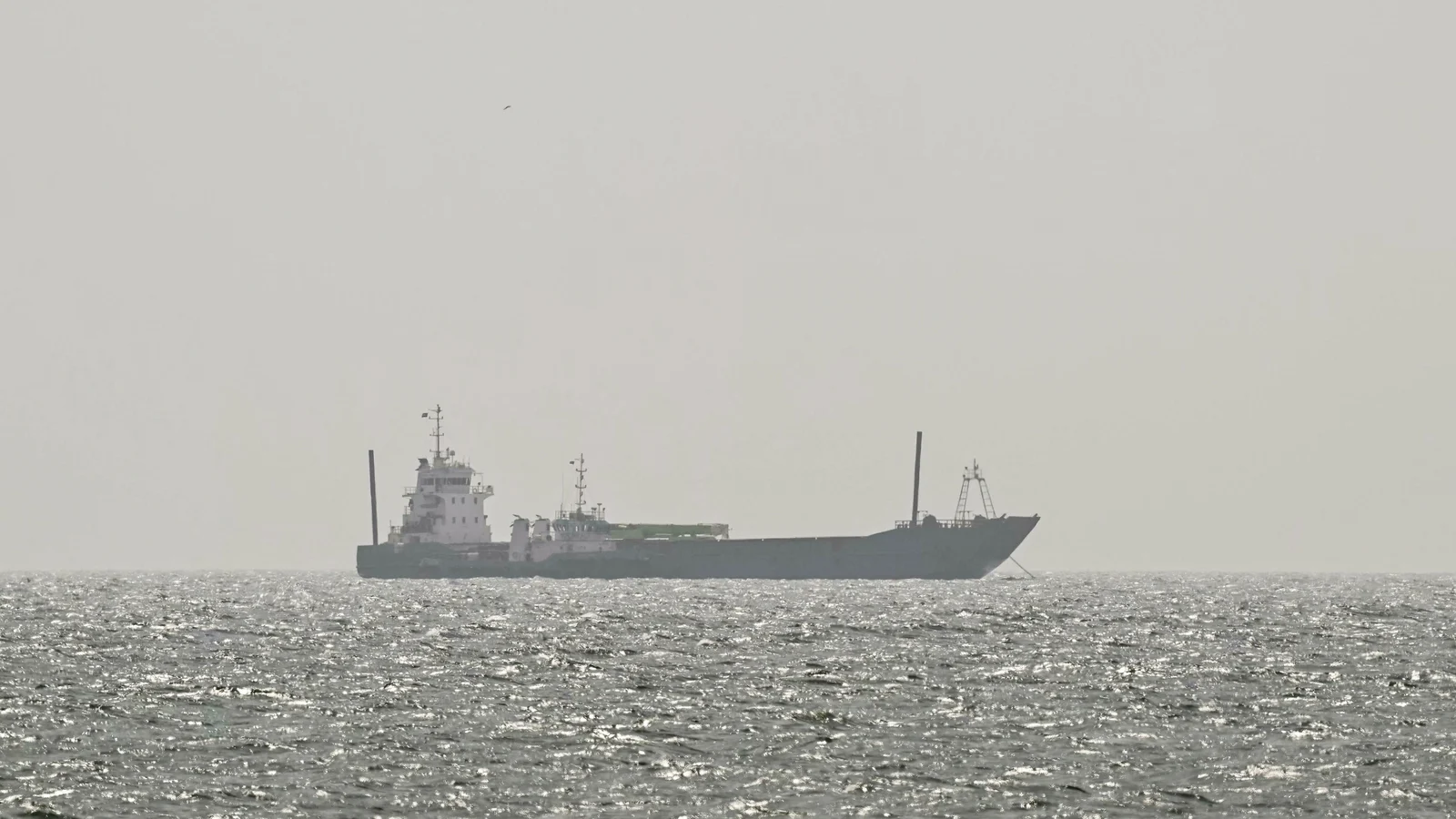
The Strait of Hormuz a vital artery for global energy supplies remained under pressure on Wednesday as Iran signalled progress toward a maritime arrangement with Oman but warned that any deal alone would not restore normal traffic, while the United Arab Emirates reported a fresh attack on a vessel transiting the narrow waterway.
A US official, who declined to be identified, said Washington expected Iran and Oman, the two states flanking the strait, to reach an agreement soon that would allow regular oil flows to resume.
Any understanding between Tehran and Muscat over managing the strategic passage is widely viewed as a key piece of a broader effort to halt the conflict sparked by US and Israeli attacks on Iran on 28 February.
Iranian Foreign Minister Abbas Araghchi said Iran and Oman were “very close” to agreement on a new shipping route through the Strait of Hormuz, but stressed that reopening the strait hinged on additional requirements, including US compensation to Iran.
Araghchi said Tehran no longer accepted the previous traffic separation scheme for vessels in the strait. He added that Iran was negotiating a temporary route with Oman while technical and legal questions tied to a permanent route were worked out.
Iran has responded to the US attacks by striking US bases in Gulf states and Jordan and by targeting shipping in the confined corridor, which carried a fifth of the world’s oil and gas shipments before the war.
The UAE said Iran had hit a carrier affiliated with its state oil company with a missile as it passed through the Strait of Hormuz, reporting no injuries in what it described as the latest escalation in attacks on commercial vessels there.
Iranian authorities did not immediately comment. Iranian media carried the UAE account but omitted the portion in which the UAE attributed the strike to Iran.
US to lift Iran blockade once deal is announced, official says
In recent weeks, the Trump administration has repeatedly suggested that an agreement to open the strait might be near, only for Iran to deny that talks were taking place.
Whether the newest round of negotiations produces an enduring framework was not clear.
“There is progress between Oman and Iran on the strait, and we expect a deal soon,” the US official said.
“Once the deal is announced to restore commercial shipping without impediments, the United States will lift the blockade of Iranian ports.”
“As always, US actions will continue to be performance-based and tied to Iran’s implementation of its commitments,” the official said.
A man walks in front of a wall mural in Tehran as daily life continues amid ongoing tensions between the United States and Iran
Iran’s Revolutionary Guards also said that the re-opening the Strait of Hormuz depended on the US accepting Iran’s conditions and was not related to the Iran-Oman negotiations.
Guards spokesperson Hossein Mohebbi did not specify the conditions but said the US must stop interfering in the regional negotiation process.
“Whenever the United States accepts Iran’s conditions, the Strait of Hormuz will certainly be reopened,” he said, according to Iran’s Tasnim news agency.
Deal would give Iran some control
A proposed deal between Iran and Oman aimed at helping end five months of war between Iran and the US would grant Tehran control over ships entering the Gulf through the strait, a senior Iranian source and two regional officials said on Wednesday — one of the most significant concessions yet described for Iran.
US officials have repeatedly said they would never accept Iran controlling access to the world’s most important trade route for energy supplies.
It remained unclear whether Washington had tried to alter the terms of the proposed arrangement.
Iran has cited the hostilities to justify imposing a toll on oil tankers.
That policy, along with firing on vessels that attempt to cross the strait without Iran’s permission, has severely disrupted global shipments, pushing energy prices higher and adding to inflation pressures.
Abu Dhabi National Oil Company, one of the world’s largest energy producers, said yesterday that 15 of its vessels had been struck in what it called unprovoked attacks while transiting the Strait of Hormuz since the start of the conflict.
The attacks have killed one crew member and wounded 20 others, it said.
Iranian media often report attacks on ships by saying they violated Iran’s directives, without specifying that Iran was behind the attacks.
Iranian strikes on Strait of Hormuz shipping have been coupled with increased attacks by its Yemen-based allies, the Houthis, who have targeted ships at another oil chokepoint on the other side of the Arabian Peninsula between the Red Sea and Gulf of Aden.