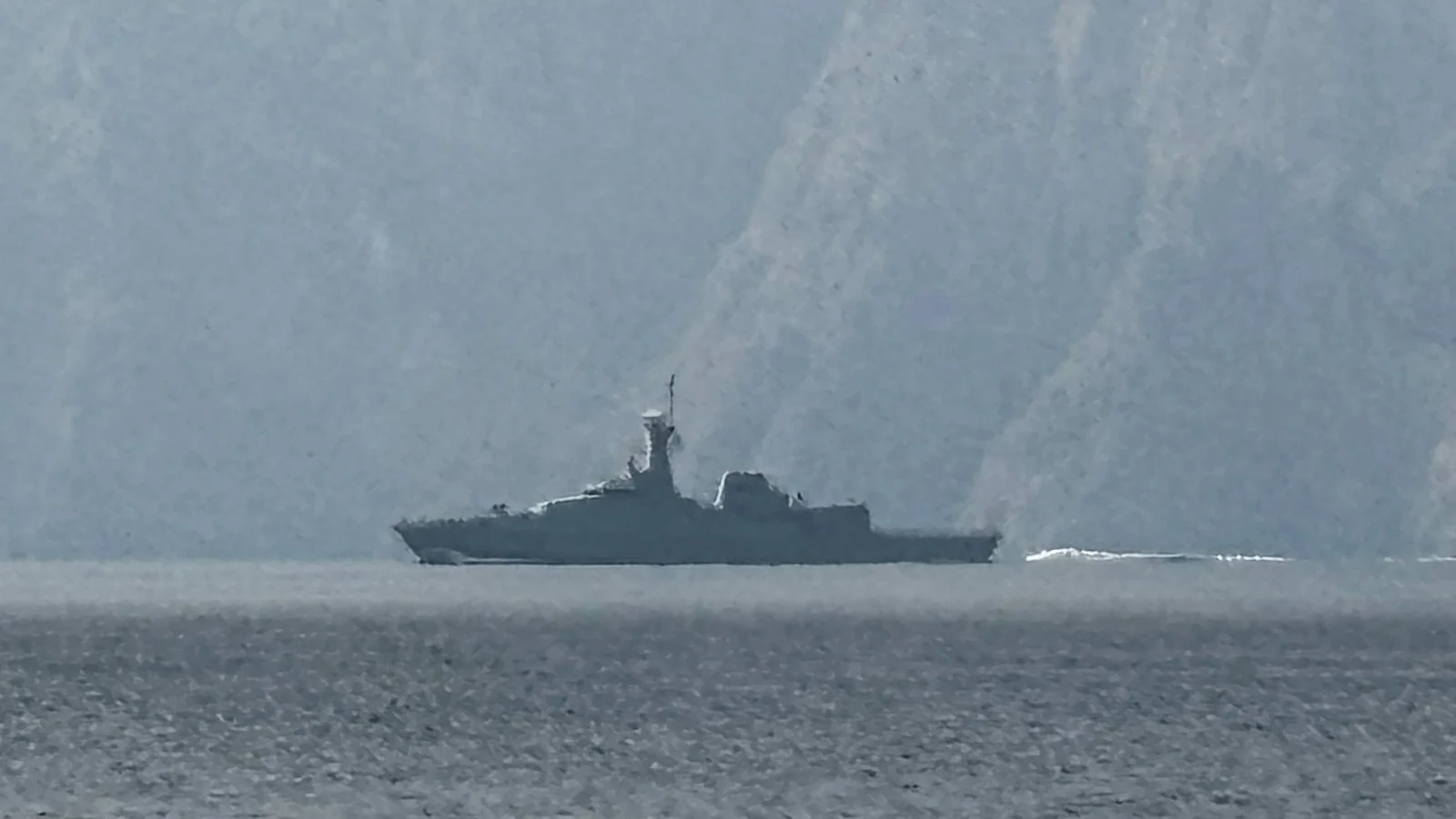
Dawn on the Water: Why the Strait’s New Normal Feels Permanent
The sun lifts off the Persian Gulf like a burnt coin, turning the water near Bandar Abbas a hard, metallic blue. Fishing dhows bob and creak; tankers wait like patient whales just outside the channel. A call to prayer drifts from a minaret, then is swallowed by the low roar of engines. This shoreline scene — at once ancient and industrial — has been reframed in recent weeks by an unnerving sentence from Tehran: traffic in the strait won’t return to “normal.”
It’s a terse declaration, but its ripples are global. For decades the Strait of Hormuz has been one of the world’s most strategic narrow maritime corridors: roughly one-fifth of globally traded crude oil flows through this hourglass of sea, carrying energy that powers economies from Shanghai skylines to European factories and U.S. fuel pumps. When the flow is threatened, prices wobble, insurers tighten their belts, and shipping companies make costly detours. The phrase “won’t return to normal” signals not a temporary blip but a stubborn recalibration.
On the ground, a changed rhythm
“Before, you could tell by the noise — enough tankers meant a steady hum, and everyone relaxed,” said Reza, a 52-year-old tugboat captain who has worked these waters all his life. “Now the horns mean caution. The radio talk is different. Even the fishermen watch the horizon more than they watch their nets.”
Across the quay, a café owner named Fatemeh pours sweet tea into small tulip-shaped glasses and says, “We’ve felt it in small things. Ship crews now stay on board more, they don’t wander ashore. Some seamen order food delivered — never leave the ship. There’s fear, yes, and also a kind of stubborn routine.”
From shore, you can see the adaptations — naval patrols more visible, smaller support vessels darting like guardian sharks, and, at night, a constellation of lights from anchored supertankers, each one a floating economy. What used to be routine transit now requires diplomatic clearance, military signaling, and a web of insurance calculations that can turn a profitable voyage into a loss-making gamble.
Why Tehran says “not normal”
When Iranian officials say traffic won’t revert to previous patterns, they are signaling several simultaneous realities: a more assertive maritime posture, new layers of regulation, and a volatile regional security environment that will likely persist. The message is both practical and political — a blend of strategic deterrence and a reminder that the narrow throat of the Gulf is not merely geography but leverage.
An unnamed official in Tehran told local media that “the days of predictable, unmonitored flows are over” and that new rules and patrols are meant to secure national interests. A Western maritime analyst, speaking on background, described the shift differently: “It’s about creating uncertainty. Even if actual interdictions are rare, the perception of risk forces markets, insurers, and shipping firms to act as if the risk is real.”
Practical consequences for global trade
When ships avoid Hormuz, they must travel around Africa via the Cape of Good Hope — a detour that can add 10 to 14 days to a voyage, raise fuel consumption, and inflate freight costs. These are not theoretical burdens; they cascade into higher prices for goods and longer lead times for manufacturers and consumers. Cargo insurance and “war risk” premiums have climbed in recent months for routes bordering the Gulf and the Red Sea, according to shipping brokers.
“We’re talking about supply chain friction multiplying at a few critical chokepoints,” said Dr. Lina Ortega, a maritime security expert. “When detours become standard operating procedure, the economic logic of where regions specialize and where factories live begins to shift. That’s long-term stuff.”
What this means for energy markets
Energy traders watch Hormuz like athletes watch a scoreboard. A credible disruption often sends Brent crude and other benchmarks upward — even the prospect of prolonged constraints can nudge prices and whisper into central bankers’ ears. The strait has been central to energy geopolitics for nearly half a century; any structural change to how traffic is managed invites ripple effects on inflation, policy, and diplomacy.
“One day of disrupted flow can spike prices,” said Malik Shaheen, an oil logistics manager in Dubai. “But a new normal — where ships are systematically rerouted or face unpredictable checks — reshapes contracts and hedging. It’s the slow burn that worries traders more than the sudden flare-ups.”
Voices from the neighborhood
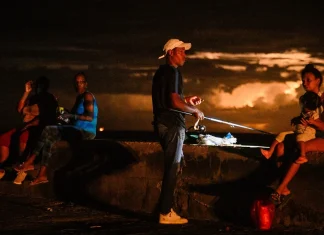
Local communities are quietly adjusting. The port’s stevedores now undergo additional briefings. Family businesses that supplied crew provisions report fewer walk-in purchases. Small-time fishers say their daily catch cycles are skewed because larger ships’ wakes wreck the surface conditions they rely on.
“There’s a cultural rhythm here tied to the sea,” said Nazanin, a schoolteacher whose father sold fish at the Bandar Abbas market for decades. “When the sea is anxious, the town becomes anxious. Prayer gatherings talk about peace and work — sometimes in the same breath.”
Outside the region, manufacturers in Asia and Europe are monitoring shipping schedules and contingency plans. Some importers are re-evaluating storage buffers. Investors are recalibrating risk models that once treated Hormuz as a dangerous but manageable bottleneck; now it’s a potential structural fork in how goods move between East and West.
Big questions, global stakes
How should the international community respond if a vital waterway is being normalized as a zone of contest? What obligations do naval powers have to maintain freedom of navigation, and at what cost? Can a global trading system tolerate the added friction of persistent maritime insecurity, or will markets and geopolitics force a more permanent realignment of supply chains?
These aren’t academic questions. They echo in boardrooms and ministries, in tugboats and tea shops. They ask the reader to wonder: where does local security end and global stability begin? And at what point does adaptation become acceptance?
A regional trajectory with global consequences
The Strait of Hormuz will probably remain a choke point for as long as energy-dependent economies and seafaring trade intersect here. Tehran’s declaration — whether viewed as bluff or strategy — has crystallized a broader truth about our interlinked world: narrow geography can wield expansive power.
If you look at the horizon now, you see more than tanker silhouettes. You see a test of policy, patience, and imagination. The question for the weeks and years ahead is less about whether ships will pass — they will — and more about under what rules, at what cost, and with whose consent. That is the new normal we are all being asked to reckon with.
-
About 20% of globally traded crude oil typically transits the Strait of Hormuz.
-
Rerouting around Africa can add up to two weeks and substantial cost for tankers and container ships.
-
Insurance and “war risk” premiums for Gulf voyages have risen as uncertainty grows.
What would you do if your town’s livelihood pivoted overnight on an announcement a thousand miles away? How would your suppliers, your energy bills, your commute change? Take a moment to imagine that shift — and then imagine its amplification across the globe. That, in a word, is what Iran’s terse statement about the strait has done: it made the local, unmistakably, everybody’s concern.