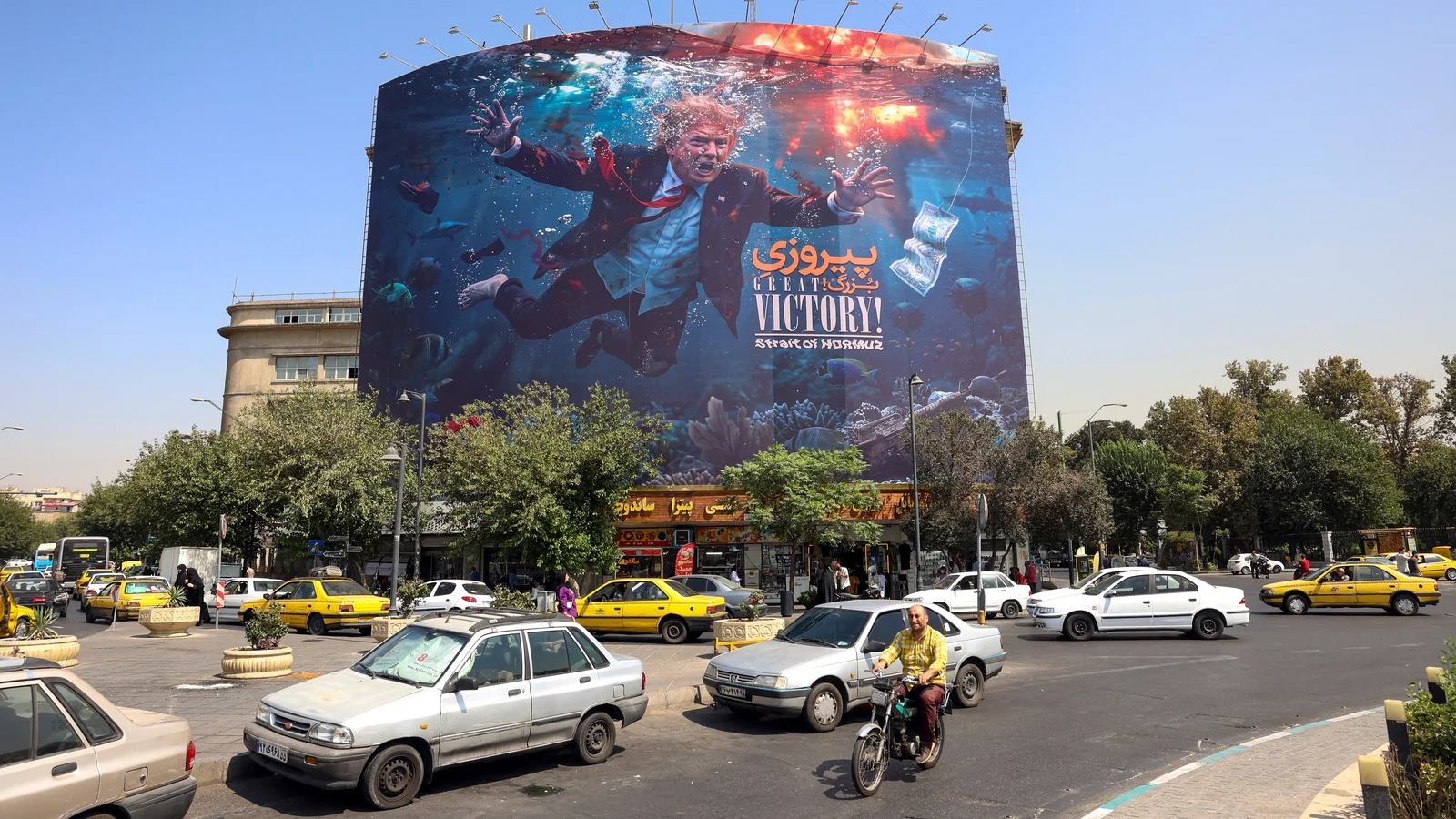
Six months into a US-Iran war that has jolted the Middle East and disrupted shipping lanes, Tehran says diplomacy is still possible — but only if Washington drops what Iran calls its pressure-first approach.
“Putting diplomacy back on track isn’t impossible. It hinges on US understanding of one simple fact: pressure doesn’t work,” Iranian Foreign Minister Abbas Araghchi posted on X.
For months, mediators including Pakistan and Qatar have tried to broker an end to the conflict launched by the US and Israel in late February, but those efforts have repeatedly stalled.
Although the two sides agreed to a ceasefire in April and signed a memorandum of understanding in June laying groundwork for a final peace deal, a comprehensive agreement has yet to materialize. Instead, Washington has since escalated what it has labelled “economic warfare” against Tehran.
In the latest bid to revive talks, Mr Araghchi met his Qatari counterpart yesterday in Tehran to focus on the Strait of Hormuz, which Iran closed at the outset of the war. The meeting came at the end of a week of intensive Iranian discussions with Oman and Pakistan.
Meanwhile, a US naval counter-blockade of Iranian ports is tightening the screws on petrol supplies inside Iran, where domestic production has fallen short. The United States has framed the campaign as an “economic D-Day” as it intensifies pressure on its adversary.
The April ceasefire halted the heaviest combat, but intermittent attacks — largely centered on the Strait of Hormuz — have continued to cloud prospects for a durable peace.
Latest Middle East stories
‘Build trust’
Tehran has for weeks been in discussions with Muscat on Hormuz’s future, as Oman’s territorial waters comprise the other half of the narrow passage. Iran has insisted the strait will stay shut unless Washington fulfils commitments under the June memorandum, which calls for lifting the US counter-blockade and removing sanctions.
“The US should build trust, speak respectfully, acknowledge our rights, and uphold commitments,” Mr Araghchi said.
Iranian lawmaker Esmail Kowsari, speaking on state television, echoed that stance and warned that if the memorandum is not implemented and the US “does not respect its commitments, not only will the Strait of Hormuz remain closed, but the United States must be ready for our offensive actions and we will seek them in the most distant places”.
Scott Bessent is expected to make make direct appeals to counterparts in bilateral meetings next week
Even as Washington says it intends to squeeze Iran’s economy, Tehran has endured decades of international sanctions, and experts remain sceptical about how much additional leverage the US can realistically apply.
Analysts argue that any American strategy to isolate Iran would likely depend on cooperation from China — a scenario they describe as improbable. Beijing has defended its relationship with Tehran and vowed to safeguard its interests.
China can still purchase Iranian crude — a key revenue stream for Tehran — through overland routes that do not depend on the Strait of Hormuz.
US Treasury Secretary Scott Bessent has said “no one is above the reach of US sanctions” when asked whether Washington would target Chinese banks that do business with Iran, ahead of an expected September visit by Chinese President Xi Jinping to the US capital.