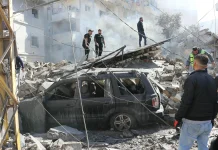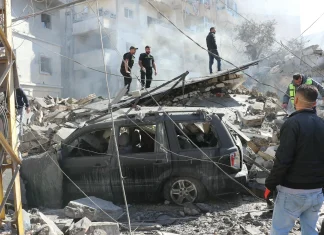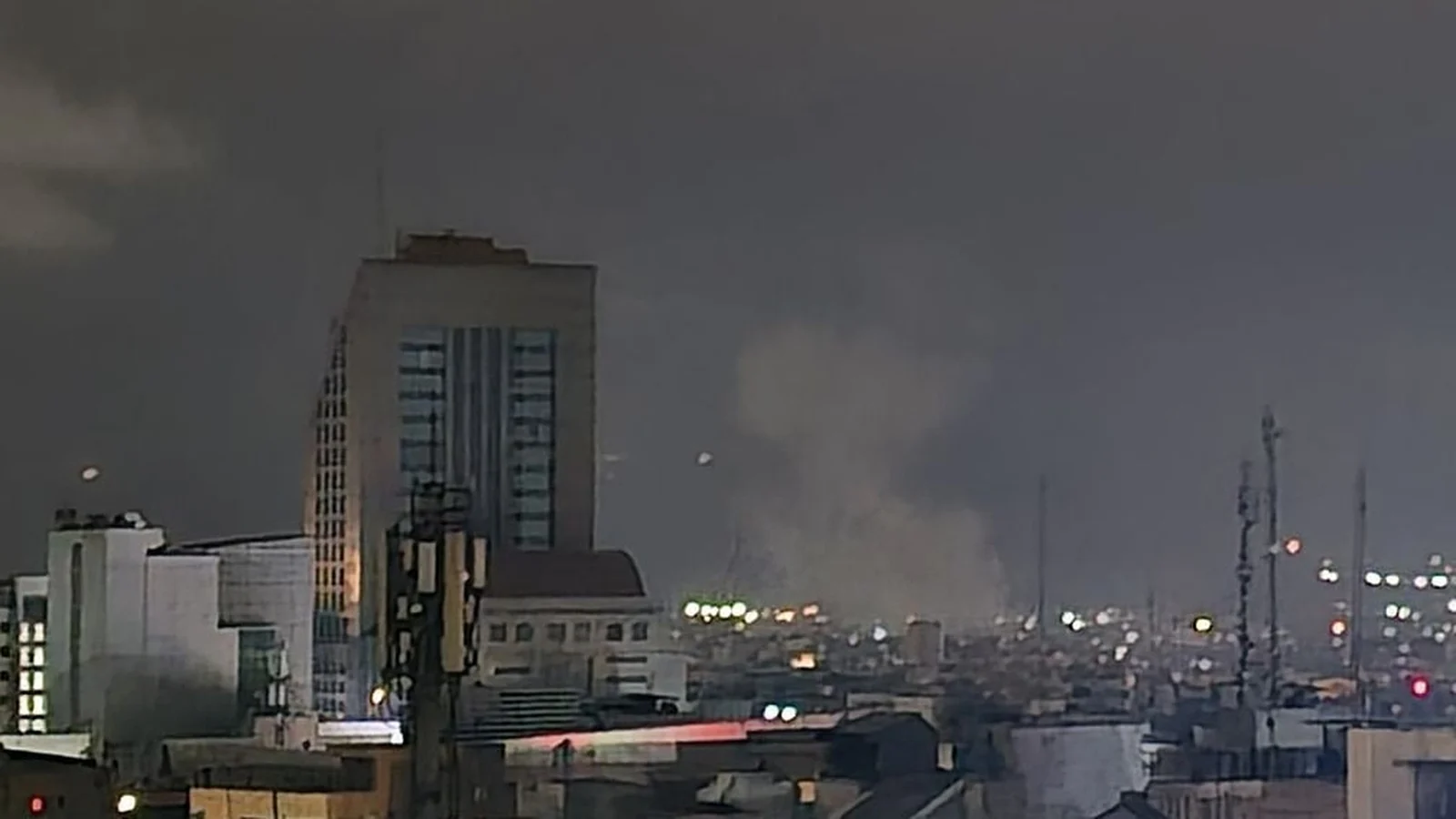
In the hush before dawn: Israel says it struck a “naval missile site” in Tehran — and the region holds its breath
When a government announces it has struck a target in another country’s capital, it shakes more than maps: it rattles routine, memory and the fragile sense of normal life. That is the mood sweeping across the Middle East this morning after Israel said it had carried out a strike on what it called a naval missile site in Tehran.
The claim landed like a stone in a pond. Tehran is not awash in harbors; it is a capital of ministries, bazaars and apartment blocks, not a seaside fortress. So the description — “naval missile site in Tehran” — immediately forced a second look, a question that refuses to leave the room: what exactly was hit, and why was it there?
What was reported — and what remains uncertain
Official Israeli statements were brief and pointed: the strike targeted a facility described as tied to naval missile capabilities. Tehran’s official media and state sources, at the time of writing, had not issued a full, detailed rebuttal or confirmation that matched the specificity of Israel’s claim. Independent verification from foreign journalists on the ground, international monitoring services, or third-party confirmations was, as of this hour, limited.
That gap between claim and independent proof is not unusual in shadow conflicts. But it does matter. We must differentiate between a confirmed, observable strike and a military statement that is itself a tool of strategy and signaling.
Why the geography matters
To appreciate the incongruity, consider this: Iran’s major naval bases sit on the Persian Gulf and the Caspian Sea, far from the urban sprawl of Tehran. The capital, therefore, is typically home to command centers, research facilities, logistics hubs and storage sites — not coastal missile batteries.
“If there is truth to the claim, it suggests a different kind of layout: one where missile systems, or the technology to arm them, are distributed inward, closer to command-and-control nodes,” said a regional security analyst who asked to speak off the record. “That would complicate anyone’s calculus of strike and counterstrike.”
On the streets of Tehran: voices and atmosphere
In the absence of full official clarity, the most vivid reporting often comes from those who live with the tensions. At neighborhood cafés and in the crowded alleys of Tehran’s markets, people offered a mix of stoicism, fear and weary resignation.
“We felt a shock this morning,” a fruit seller near Tajrish bazaar told a journalist in the city. “Whether it was loud enough to be a missile or just rhetoric, people are scared. We remember 2019 and the years after — nothing feels safe.”
An elder returning from prayer said, “We go about our lives, but when the sky trembles, we count our children again. We pray for calm, for wisdom.”
These quotes are representative of dozens of conversations, and they capture an everyday truth: for residents, geopolitical moves quickly translate into personal risk.
Echoes of the shadow war
This incident fits into a longer, quieter campaign of strikes, sabotage and cyberattacks that experts say has stretched across the Middle East for years. Nations have used deniable operations to degrade rivals’ capabilities, and Iran and Israel have been principal actors in this shadow choreography.
- There have been reported attacks on maritime assets and tanker seizures tied to tensions in the Gulf.
- Covert operations, including targeted assassinations of scientists and cyber strikes, have been part of the region’s modern playbook.
- Each incident raises the risk of escalation because miscalculation is easier in the dark than in the open.
“We must not underestimate the psychological impact,” said a former diplomat who negotiated in the region. “Strikes in capitals are messages: they are meant to deter, to degrade, and, importantly, to be seen.”
Possible motivations and consequences
Why would a state strike deeper into an opponent’s territory rather than on the periphery? The motives can be tactical, symbolic, or both. Here are some possibilities observers say to watch for:
- Neutralizing a perceived imminent threat — striking before a planned operation can begin.
- Disrupting logistics or research nodes that sit away from obvious frontlines.
- Sending a political message at home and abroad about capability and resolve.
- Attempting to degrade a rival’s ability to strike from unexpected launch points.
Each carries peril. A misread of intentions can rapidly magnify into broader confrontations. And in tightly wound regions, the domestic political payoffs of a strike — looking strong to voters, for example — can also stoke cycles of reprisal.
What international watchers are saying
Analysts in capitals from Washington to Brussels are likely cataloguing the same variables: capability, intent and thresholds for retaliation. “The risk is not just between two countries,” said an international security expert. “It’s the web: proxies, shipping lanes, international economic ties. A strike in Tehran does not stay in Tehran.”
At the United Nations and in regional diplomatic channels, calls for restraint will almost certainly follow; the question is whether words will be matched by action to de-escalate.
What to look for next
Over the coming hours and days, several things will be crucial to establishing the reality and the trajectory of this event:
- Independent verification from satellite imagery, international monitors, or eyewitness reporting.
- Official responses from Tehran detailing damage, casualties, or denials.
- Statements from regional allies and partners that may signal support or condemnation.
- Any movement among Iran’s regional proxies — in Iraq, Syria, Lebanon, or Yemen — that might signal retaliation.
Why this matters to the wider world
This is not just a regional story. The Middle East’s stability affects global energy markets, shipping routes and international security norms. A strike in a capital city raises uncomfortable questions about sovereignty, the rules of engagement, and how modern conflicts are waged in an era of long-range missiles, drones and cyber tools.
So I ask you, the reader: when a government strikes far from its own shoreline and calls it a naval action, what should we make of it? Is it a necessary pre-emptive defense, or a dangerous widening of covert warfare? Does secrecy make these strikes more effective — or more reckless?
Closing — a city listening for sirens
As dusk approaches and Tehran’s minarets begin to frame the sky, the conversations in tea houses soften into something like prayer. People count their blessings and their vulnerabilities. Nations count their capabilities and their costs. The truth of what happened may emerge slowly, in footage, statements and analysis over the next days. But the immediate truth is human: people living under the thrumming, unpredictable drum of geopolitics want the same small, universal things — safety, certainty, the ability to plan tomorrow’s breakfast.
Whatever the strategic calculus, remember that history often remembers not just the missiles and ministries, but the lives interrupted beneath them.