On the Cold Floor of a Warfarer’s Return: What North Korea’s Mine-Clearing Mission in Russia Reveals
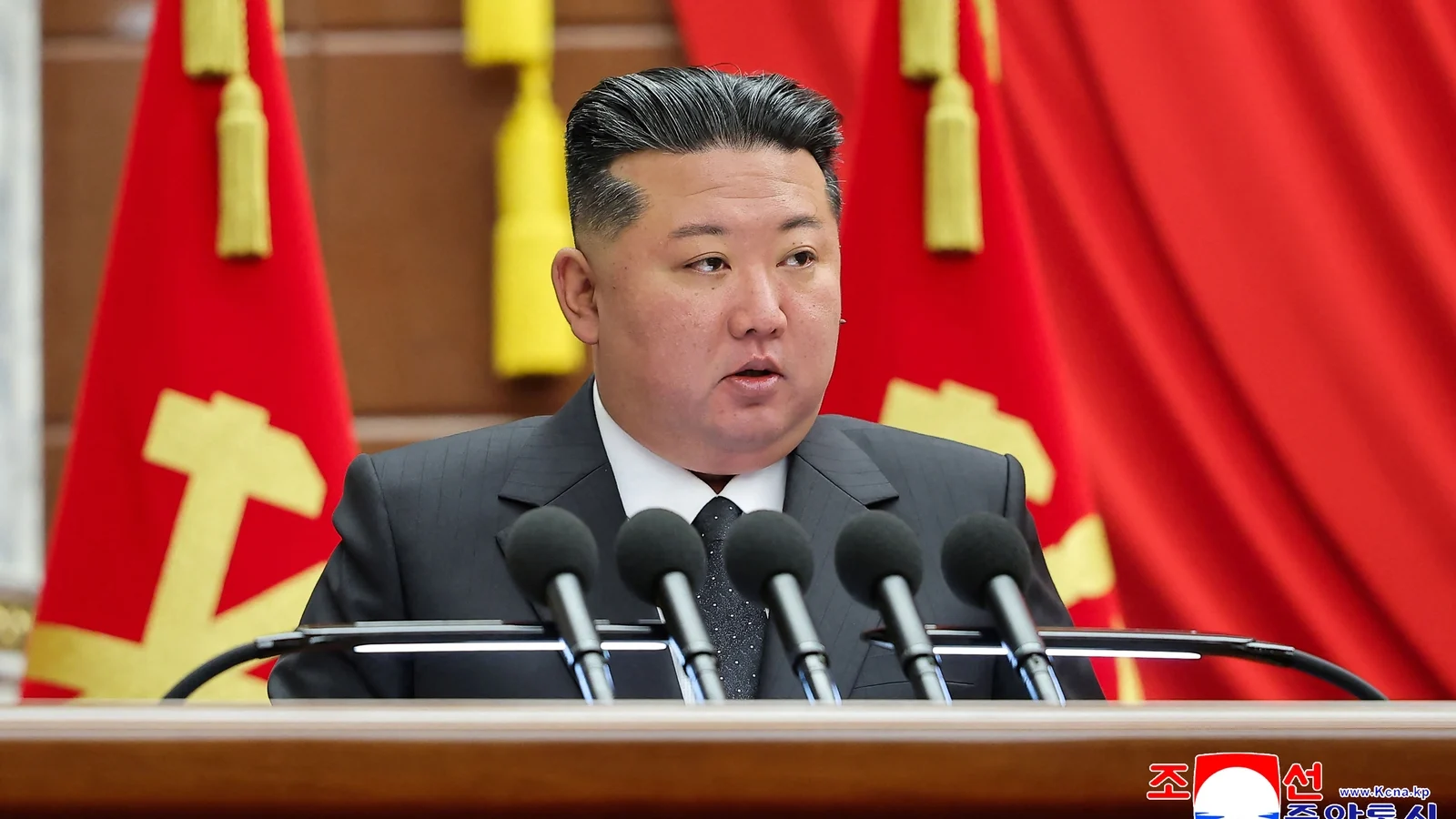
There is a photograph that will stay with me: a small, worn hand pressed against the cheek of a man in uniform. He sits in a wheelchair, eyes rimmed with red, and at his side stands a leader whose smile can be at once theatrical and paternal—the state’s script for grief and glory. This image, released by North Korea’s Korean Central News Agency (KCNA), shows Kim Jong Un speaking softly to returned soldiers who had spent four months in the mud and wind of another country’s fields, clearing mines in Russia’s Kursk region.
“They wrote letters to their hometowns and villages at breaks of the mine clearing hours,” KCNA quoted Mr. Kim as saying at a welcome ceremony. The state news agency emphasized the regiment’s “miracle” of turning a danger zone into a “safe and secure one” in less than three months. It also reported the death of nine soldiers during the 120-day deployment that began in August—casualties that were folded into ritual: medals, portraits, flowers, a leader kneeling before a fallen man’s image.
Not an Isolated Act: Soldiers, Sanctions, and Strategic Bargains
To understand why North Korean troops were clearing mines in western Russia, you have to look beyond the ceremony and into a map of interests. Since Russia’s full-scale invasion of Ukraine in February 2022, the battlefield’s appetite for manpower and expertise has been relentless. Intelligence agencies in Seoul and the West have reported that Pyongyang has supplied thousands of personnel to assist Russia’s military efforts in various ways. Mine clearance is one of the riskiest, most thankless assignments: slow, dangerous, and often out of sight.
Analysts say the relationship is transactional. Moscow, squeezed by sanctions of its own and by the logistical toll of a protracted war, can trade commodities that North Korea desperately needs—fuel, food, energy, and military technology. Pyongyang, isolated by international sanctions aimed at curbing its nuclear and missile programs, gains lifelines that help it endure, and perhaps advance, its strategic programs.
What the numbers tell us
- The deployment that Mr. Kim described lasted roughly 120 days and began in August, KCNA said.
- KCNA reported nine dead among the returning engineering regiment; state ceremonies were used to award the fallen posthumous honours.
- Independent assessments by South Korean and Western intelligence agencies have suggested “thousands” of North Korean personnel have been sent to Russia in recent months, although exact figures remain classified or disputed.
- Russia’s war in Ukraine began on 24 February 2022; as of this writing it has stretched on for nearly four years, creating persistent demand for human resources and technical help.
Faces, Voices, and the Anatomy of a State Narrative
State media framed the return as noble and sacrificial. In the photographs, a soldier who appears to be injured is hugged warmly. In other frames, Kim consoles families, places flowers beside emblems of the dead, and publicly laments the “pain of waiting for 120 days” without forgetting “the beloved sons.” These are ritual acts—public grief staged to do the work of legitimacy.
Hearing the story from the inside is different. A composite of voices—families, defectors now abroad, diplomats and analysts who monitor the peninsula—offers texture that state photos cannot. “My neighbor’s boy came back thin, carrying dust behind his ears like a talisman of where he’d been,” a collective of former residents might recount. “He didn’t speak much about the mines; he only asked for rice and quiet.” I label these as composite to reflect a pattern reported by multiple sources rather than a single confirmed interview.
“This is asymmetrical warfare at the political level,” one observer told me. “It’s not just boots for fuel. It’s a long-term hedge. North Korea gains hard currency and supplies; Russia gains manpower and plausible deniability in parts of its logistics.” That balance—if you can call it that—is the geopolitical choreography here.
Local Color: Ritual, Parade, and the Geography of Grief
There’s a recognizable choreography to North Korean state funerary culture: portraits of the dead cloaked in black; wreaths of artificial flowers; operatic music in the background; older women in neighborhood committees reciting the phrase “we will never forget.” In Pyongyang’s central square, the same staples of ceremony are used to fold individual tragedies into national myth.
Only months earlier, Mr. Kim had stood on a far different stage—shoulder to shoulder with China’s Xi Jinping and Russia’s Vladimir Putin—at a military parade in Beijing. The image of three authoritarian leaders at a celebration of force was meant to send a signal: alliances remade in pomp, with arms and mutual interest quietly exchanged behind closed doors.
Why This Matters Beyond the Photos
When foreign soldiers or technicians work in another nation’s conflict zones, the consequences ripple. There is the immediate human cost—the nine dead named by KCNA, the wounded in wheelchairs, the families who kneel before portraits. There is also a strategic cost: the loosening of sanctions regimes’ teeth, the demonstration effect that states can find workarounds, and the precedent that transactional military support can be sold to a domestic audience as “solidarity” or “noble sacrifice.”
And then there’s the question of norms. How does the world respond when a state cloaks the export of personnel to foreign battlefields in the language of engineering and humanitarian help, when intelligence agencies suggest those same hands are aiding a war effort? The answers will shape not only the trajectory of the Ukraine conflict but also the degrees of impunity available to other pariah regimes.
Questions to Sit With
So where does that leave us, the distant readers of grainy images and carefully honed phrases? What do we do with a photograph of a leader kneeling before a portrait that is at once real and rehearsed?
- How should international institutions respond when one sanctioned state becomes a logistical lifeline for another?
- What protections are owed to the rank-and-file conscript or operative who is sent to clear mines in someone else’s war?
- At what point does transactional geopolitics become a structural feature of twenty-first-century conflict?
Closing: Names, Numbers, and Humanity
Names were offered by KCNA in the form of medals and portraits; precise identities and accounts remain tightly managed. What emerges clearly is the cost: not just the nine lives the state mourned publicly, but the erosion of international barriers that once delineated acceptable behavior. The images of men returning—some broken, some smiling through a film of pain—are a reminder that geopolitical bargains are sealed in bodies.
When you scroll past the glossy photos and the ornate rhetoric, ask: who writes the letters home? Who reads them? And what will become of the boys who mailed those short, dirt-stained lines to villages in the North—letters written in the minute interlude between clearing mines and an uncertain return?