When Dawn Fell Over Caracas: A Country Shackled and a World Watching
There are mornings in capitals that arrive like any other: vendors sweeping the corner, the scent of strong coffee drifting from a street stall, the clatter of buses finding their rhythm. Then there are mornings when history barges into the ordinary and rearranges everything. This was one of those mornings for Caracas—when the skyline was split not by thunder, but by the sudden, surreal presence of foreign warplanes and a story that will be retold around kitchen tables and in diplomatic backrooms for years to come.
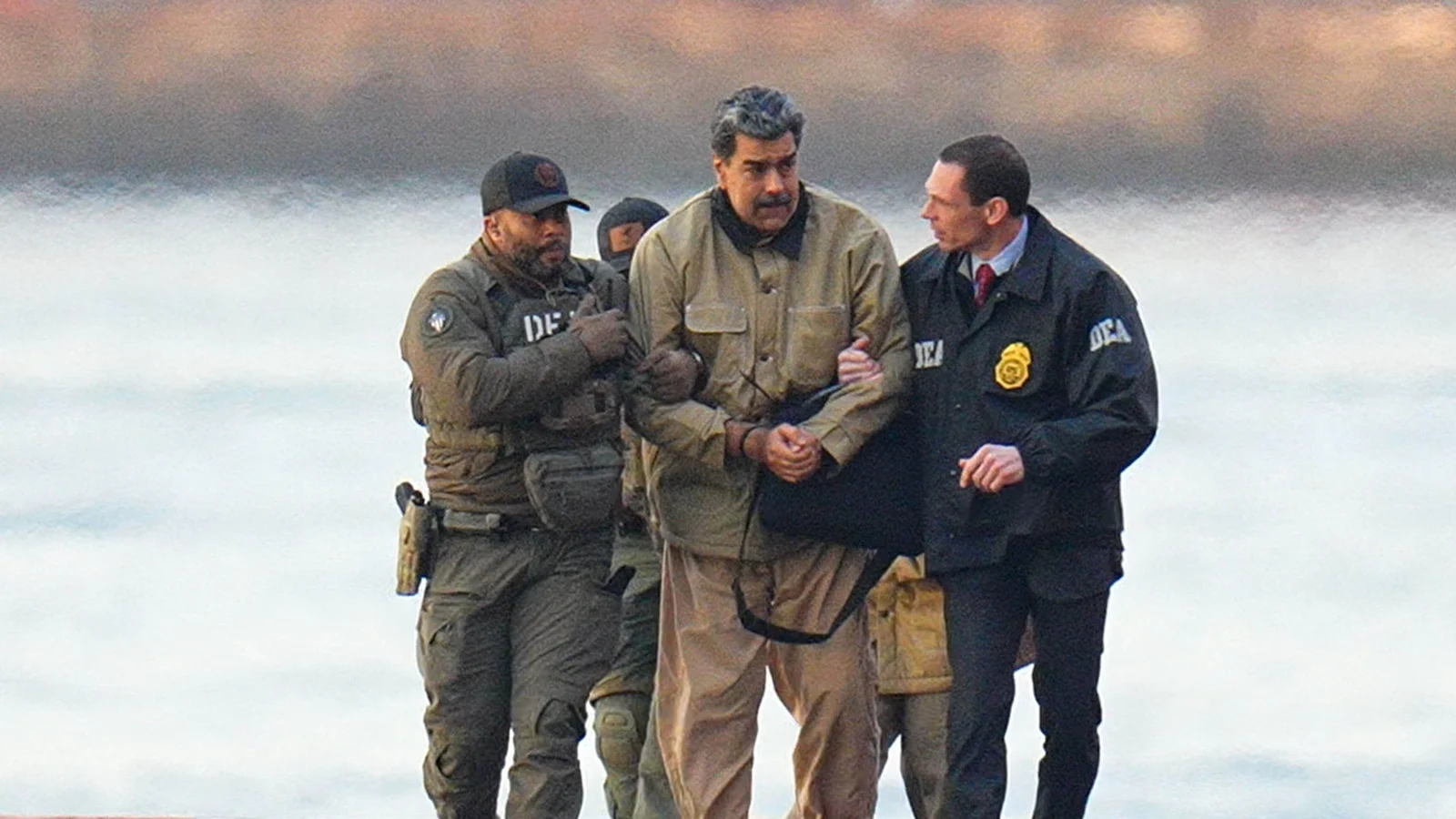
On 3 January, in a dramatic operation that stunned both allies and adversaries, former Venezuelan president Nicolás Maduro was brought into Manhattan custody. At 63, wearing an orange shirt and moving with the slow, unbowed cadence of a man who has survived countless battles, he stood before a federal judge and spoke three short words that echoed with defiance: “Estoy inocente” — “I’m innocent.”
From Caracas to Manhattan: The Courtroom and the Capture
The picture was almost cinematic: a leader who once presided over a petrostate, now standing in a packed courtroom in New York. Beside him, his wife, Cilia Flores, entered a plea of not guilty as well. The judge, in a brief but firm exchange, reminded them of courtroom protocol, curbing any long statements and setting a new hearing for 17 March while ordering both to remain in custody.
“I was captured at my home in Caracas,” Maduro told the court through an interpreter, his voice calm, as if narrating an unavoidable fact. “I am president of the Republic of Venezuela and I have been kidnapped here since 3 January.”
Outside the courthouse, the story took on immediate political weight. Thousands marched across the capital—some in open support of a man they still saw as a protector of the Bolivarian Revolution, others in bewilderment, anger, or quiet dread. In the government’s seat of power, Delcy Rodríguez was sworn in as acting president, handing the reins to a familiar face as the nation held its breath.
A Nation on Edge: Streets, Voices, and the Long Shadow of Oil
Walk through Caracas these days and you’ll hear the past in the present: the slow shuffle of retirees who remember the Chávez years, the clipped impatience of taxi drivers who know the routes by heart, the laughter of children chasing pigeons across cracked plazas. Yet under that everyday noise is an electric tension.
“We were sleeping; then the planes,” said Rosa, a vendor who sells arepas along Avenida Bolívar. “My niece’s phone rang with rumors. We don’t know who will be safe. We just know the lines at the grocery are longer, and the price of a kilo of rice keeps rising.”
Venezuela is a nation of roughly 30 million people—lively, resilient, and exhausted after decades of economic collapse, migration, and political stalemate. And beneath the human drama lies the geological and geopolitical prize: the world’s largest proven oil reserves, estimated at over 300 billion barrels. Oil—once a golden river—has by now become a complicated liability: difficult to extract, crippled by a creaking infrastructure and years of sanctions and mismanagement.
Markets, Muskets, and Migrants
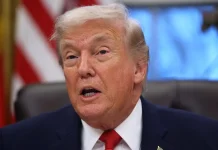
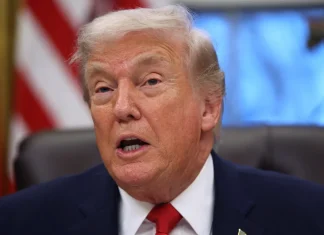
Within hours of the raid, global markets reacted. Shares in major US oil companies jumped, and indices like the Dow Jones and the FTSE 100 hit new records, a reflection of investors pricing in a new and unpredictable chapter for Venezuela’s oil. “Access to oil,” President Donald Trump declared in a blunt public comment following the operation, suggesting a willingness to take control of the country’s oil industry—but only after “fixing” what he described as the country’s broken institutions.
Such pronouncements, and the military means used to effect them, have international actors uneasy. Brian Finucane of the International Crisis Group said he was alarmed by what he described as a growing willingness to sideline international law. “An operation of this scale in a sovereign state, with civilian casualties reported, raises profound questions,” he said. “It’s not just about one regime; it’s about precedent.”
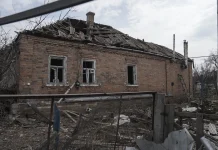
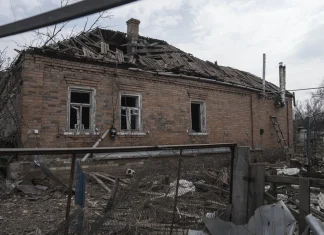
And the human toll, in the immediate term, is palpable. Cuba reported 32 of its nationals killed during the operation; U.S. officials said nearly 200 personnel were involved in the raid, with some injuries on both sides. “We prepared for the worst,” said a U.S. Defense official, speaking on background. “But we also planned for restraint.”
Voices from Inside and Out
The country’s opposition figures offered a fractured chorus. Maria Corina Machado, a prominent opposition leader who has been in exile since leaving to accept a Nobel prize, denounced the new acting president. “Delcy Rodríguez is rejected by the Venezuelan people,” she told a broadcaster from an undisclosed location. “She is one of the main architects of persecution and corruption.” Machado also signaled her intent to return, telling supporters she would come back “as soon as possible.”
Meanwhile, diplomats and former officials warned that the path ahead could be darker before it gets better. Brian Naranjo—a former U.S. diplomat expelled from Venezuela in 2018—said he has never been more worried about Venezuela’s future. “There’s a very real possibility things get much, much worse before they get better,” he told me. “Any transition that does not center Venezuelan civil institutions risks more collapse.”
What Caracas Feels Like Today
At a small tienda near El Silencio, an old man named Jorge rolled a cigarette and looked at the skyline where the air patrols had been. “We lived through shortages,” he said. “We lived through marches. But this—this feels like someone picked up our house and shook it to see what was inside.”
Across town, a nurse at a public hospital spoke quietly about long shifts and the uncertainty of supplies. “We treat whoever comes,” she said. “But if the power goes, if the oxygen stops—who will answer for that?”
Beyond Borders: What This Moment Means
Ask yourself: when a powerful nation uses force inside another sovereign state in pursuit of resources and to capture a leader, what message does that send to the rest of the world? To governments watching their own oil, to internal opposition movements, to the millions of migrants who have already left Venezuela? This episode forces a global reckoning with sovereignty, resource politics, and the limits of coercion as a tool for change.
There are sobering precedents: toppling a leader does not instantly repair institutions, rebuild pipelines, or return the skilled doctors who left. Nor does it guarantee quicker or fairer elections. As one Venezuelan academic put it over coffee: “You cannot fix decades of decay with a headline.”
Questions to Carry Forward
- Will international law and humanitarian concerns be upheld as power shifts hands?
- Can an economy as dependent on oil as Venezuela’s be diversified in time to staunch the humanitarian wounds?
- Who will be the legitimate voice for Venezuelans inside the country and out—those who have stayed, those who fled, or those now claiming authority?
We are in a moment that will be studied in classrooms and argued in parliaments. But at the core are people like Rosa and Jorge and the nurse—whose lives are measured in daily realities, not geopolitical strategy. They need food on the table, water in the taps, hospitals that run, and schools for their children.
For now, Caracas waits. The plaza lights burn long into the night. The rumor columns churn with new theories. Diplomats redraw travel plans. Embassies send terse cables. Outside the noise, many Venezuelans simply hope for an end to fear and scarcity. They hope that whatever comes next will be rooted in law, dignity, and a chance for ordinary lives to recover.
And you—how do you weigh a moment when force meets a failing state? When resources, geopolitics, and human suffering collide? In the days and weeks ahead, the answers the world chooses will matter—deeply, and forever—to the people living under the shadow of Venezuela’s oil fields and beyond.