Maine’s Pause: Small Towns, Giant Servers, and the Moment a State Said “Not Yet”
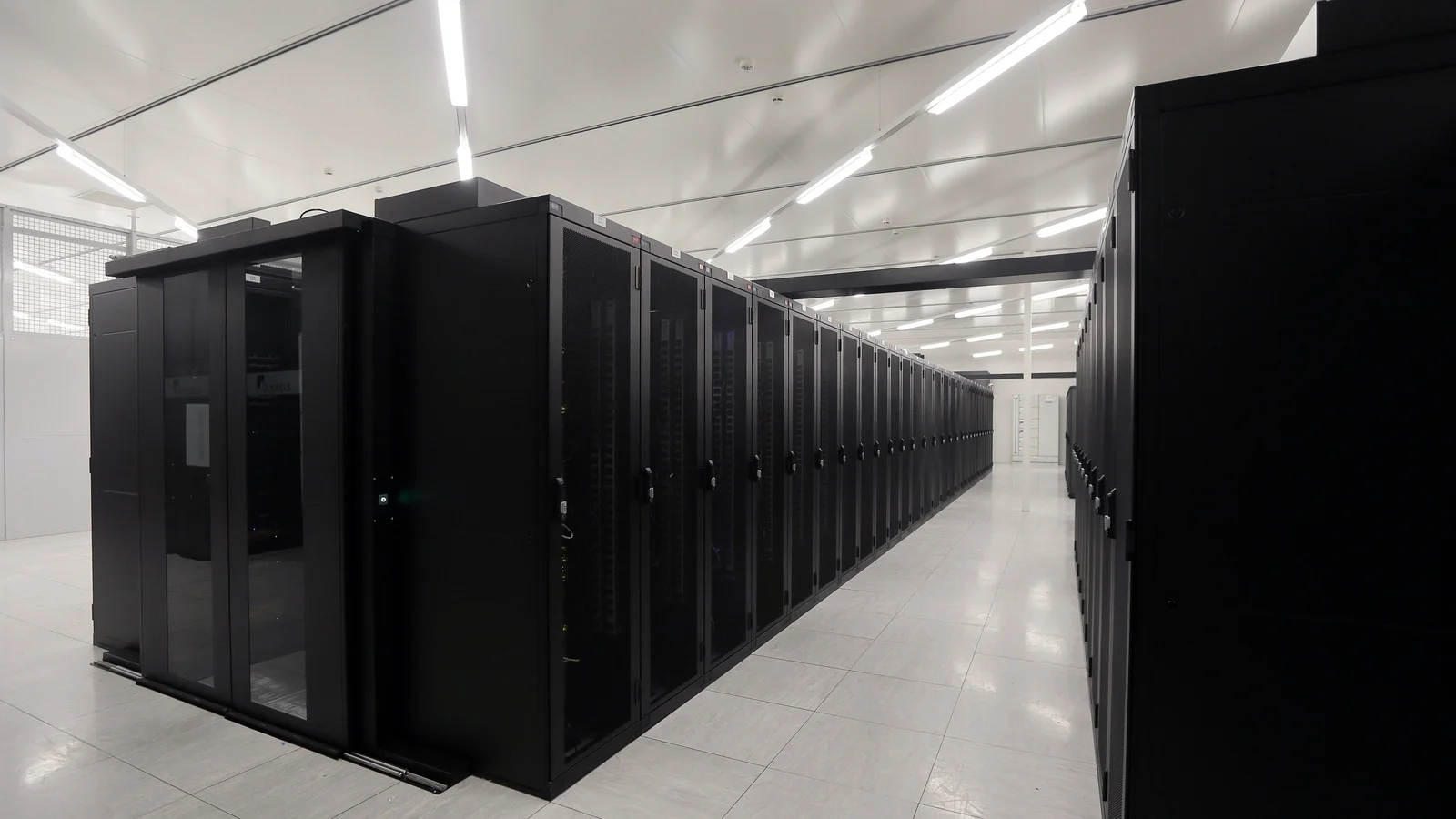
On an early spring morning in Augusta, Maine’s statehouse hummed with a debate that felt, somehow, both local and epochal. Lawmakers voted to hit pause on the construction of large data centres — those humming cathedrals of servers that power everything from streaming video to the latest generative AI models. The bill, approved by both chambers, now heads to the desk of Governor Janet Mills. If she signs it, Maine will become the first U.S. state to impose a temporary moratorium on big data-centre builds driven by the AI boom.
“We’re not anti-innovation,” Representative Melanie Sachs told reporters after the vote. “We are pro-deliberation. Communities deserve to understand the costs — to their wallets, their water, and their landscapes — before we invite projects of this scale.” Her words landed like a call to breathe, to slow down an industry sprinting at full speed.
Why a Moratorium Matters
Across the United States, the rush to house artificial intelligence has translated into concrete, steel and transformers. Tech companies are pouring capital into sprawling facilities to house banks of GPUs and cooling systems that never sleep. That buildout has been worth “tens of billions” in investment, analysts say, and has reshaped local economies — sometimes overnight.
But that growth brings a ledger of trade-offs. Data centres are voracious users of electricity; in some places they can alter grid dynamics and nudge up household power bills. They also demand water for cooling and vast tracts of land — land that might otherwise be fields, forest, or housing. Polling shows the unease: a Quinnipiac University survey found roughly 65% of Americans would oppose a data centre being built in their community.
Maine’s bill would block permits for facilities with electrical capacity above 20 megawatts until November of next year and would create a state council to evaluate future proposals — a pause intended to let lawmakers craft rules that balance innovation with community needs.
Voices from the Small Towns
Go to a town hall in midcoast Maine and you’ll hear things you won’t on a corporate earnings call. At a meeting in the coastal village of Rockport, lobsterman Eddie Carter described a scene at the harbor: “The sea gives us a living, and the town gives us a life. If a company came and sucked up our water or lit up the night sky with towers, it wouldn’t be the same. We want jobs, sure, but not at the cost of what makes this place home.”
Across the county in a pine-smelling township ringed by blueberry barrens, local councilwoman Joanne Reyes spoke bluntly about transparency. “Developers came here with glossy presentations, but when we asked about how much power they’d actually need, we were told ‘proprietary.’ That’s not enough. Our residents deserve facts so we can vote with our eyes open.”
These sentiments are echoed nationwide: communities asking who benefits and who pays when data centres land in their backyards.
Grid Stress, Rising Bills, and Water Worries
There are technical reasons for concern. Data centres’ GPUs — the chips that run today’s AI — are energy-hungry, and their density concentrates enormous loads on local distribution systems. The U.S. Energy Information Administration has flagged regions where household electricity bills have climbed, and while it’s seldom the sole cause, large industrial customers can tilt the balance.
Water is another knotty issue. Mega-facilities use a lot of cooling, often relying on water-intensive systems. That raises questions in drier parts of the country and even here in Maine, where rivers and aquifers support fisheries and recreation. “We have to think about cumulative impact,” said Dr. Aisha Khan, an energy policy researcher at the University of New England. “One project might be manageable. A cluster is a new reality. Policy needs to catch up.”
Not All Bad: Jobs and Infrastructure Gains
It’s not all cautionary tales. Proponents of data-centre investment point to jobs, property taxes, and the sometimes-unexpected byproducts of tech money: upgraded fiber networks, improved emergency services, and training programs that anchor young people locally. In towns that have struggled with population decline, a major employer is seductive.
“We could use the good-paying construction jobs and the ongoing maintenance roles,” said Anthony Rivers, who runs a family-owned hardware store in a rural county seat. “But we want contracts for locals, not just an influx of outside workers who leave once the plant is humming.”
The statewide moratorium is meant not as an absolute rejection but as a bargaining pause — a chance to set conditions that can make projects more beneficial to communities if they go forward.
What the Council Could Do
The proposed council, which the bill would create, is designed to be multidisciplinary: energy planners, environmental scientists, municipal officials, and community representatives. Its job would be to assess risks, project grid impacts, and sketch best practices around land use, water, and employment commitments.
“Think of it as a ‘pre-flight checklist,’” said Lena Occhi, a municipal planner in the Penobscot region. “We need consistent, transparent metrics so towns aren’t negotiating in the dark. That’s what this moratorium buys time for.”
Global Echoes: A Local Decision with International Themes
Maine’s moment is part of a larger global conversation. Cities from Iceland to Singapore have wrestled with the same questions: where should high-energy infrastructure sit, who decides, and how do we ensure environmental stewardship without stifling technological progress?
What happens in Augusta could ripple outward. If other states see that a pause yields stronger community protections and clearer regulatory frameworks, we might witness a shift from rapid, developer-led booms toward more measured, negotiated growth. Alternatively, a veto could send an equally powerful signal about the limits of local resistance to a global industry.
Questions for the Reader
As you read this from wherever you are — a city apartment, a rural village, a coastal town — ask yourself: When technology demands land and water, who should decide where it goes? Should communities be allowed to say no? And what trade-offs are we willing to accept in exchange for faster, smarter services?
Maine’s decision is a reminder: progress need not be headlong. There’s dignity in deliberation. There’s wisdom in asking how we balance the bright promise of AI with the everyday things that give life its texture — clean water, affordable power, green spaces and the quiet rhythms of small-town mornings.
Whether the governor signs the bill or not, this debate has already reshaped the conversation. It’s no longer only about megawatts and mega-deals; it’s about who belongs at the table when the future is built, and how a place — from the granite coast to the blueberry fields — can remain itself in the face of global change.