When Relief Needs a Deadline: Europe’s Tightrope Between Bailouts and Better Policy
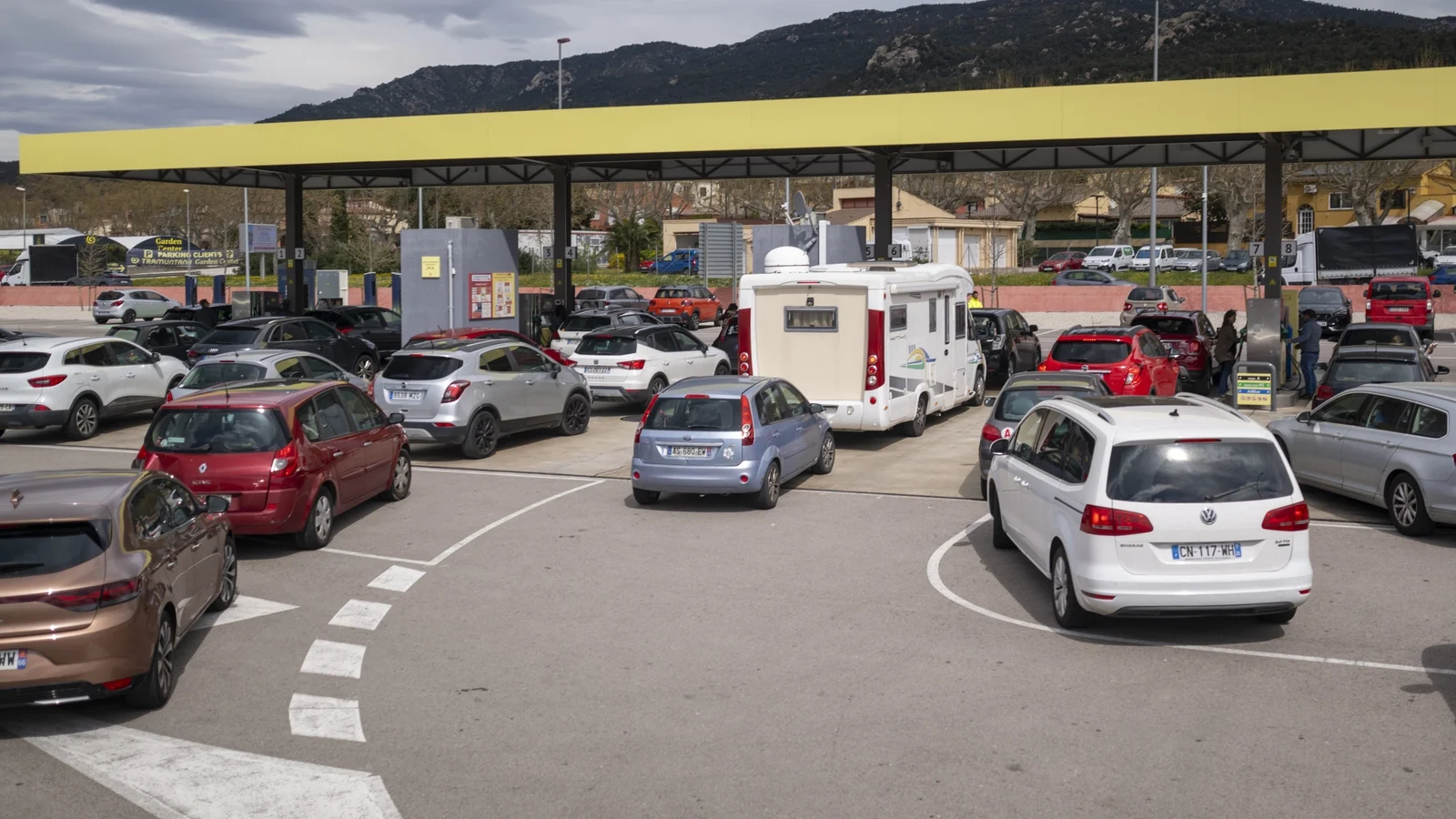
There’s a particular hush that falls over a petrol station at dawn—only the pumps breathe, a half-frosted dashboard light humming as an anxious commuter fills the tank. That hush was interrupted across Europe last week not by protesters or markets, but by a different kind of politics: the argument over how governments should soothe the sting of rising energy costs without locking in new problems for taxpayers, the climate and future budgets.
Valdis Dombrovskis, the European Commissioner for Economy, stepped into that debate on the stage of the International Monetary Fund with a blunt, plain-spoken warning: emergency help must come with an exit strategy. “When you hand people a blanket,” he said in conversation with IMF European Department head Alfred Kammer, “you don’t want them to think the cold is permanent.”
Lessons Still Fresh from 2022
The memory of 2022 is a political scar. When Russia’s invasion of Ukraine sent gas prices through the roof and electricity bills spiked, European governments reacted. Subsidies, tax cuts and price caps rolled out across the continent. They were politically expedient, and often broad—designed to be fast, not surgical. The result was immediate relief for households and firms, but also hefty fiscal bills and lingering distortions in energy markets.
“We learned that haste without precision can be costly,” Dombrovskis told the audience. “Broad-based measures are easier to administer—but they stay in place, and their price tag swells. That’s something we simply cannot afford now.”
Why “cannot afford”? Governments across the eurozone are operating in a different landscape than in 2022. Sovereign debt levels remain elevated in many member states, and central banks have raised interest rates to wrestle down inflation. The European Central Bank’s policy rate, much lower in 2021, was in the vicinity of several percentage points by 2024—a far cry from the ultra-loose settings that cushioned pandemic-era emergencies.
Targeting, Sunsets and the Politics of Pain
Dombrovskis’ prescription has three ingredients: targeted support, clear sunset clauses, and avoidance of measures that would prop up fossil-fuel demand. It reads simple on paper, but playing it in public is another thing.
“Targeted relief costs more political capital,” said Ana Ribeiro, a fiscal policy analyst in Lisbon. “You have to draw lines—who qualifies, for how long, and how do you verify need. That’s messy. But messy beats a long, open cheque that we’ll all pay for later.”
There is growing evidence that some governments are trying to thread that needle. Germany, for instance, unveiled a short-term fuel relief package—about €1.6 billion of measures lasting two months—aimed at softening the immediate shock without creating permanent incentives to burn more oil. In France, officials pledged to keep any sectoral supports limited to those most in need and to renew assistance on a monthly basis, not an open-ended entitlement.
“It’s basic governance,” said Marie Dupont, owner of a small bakery on a narrow street in Lyon. “We need help to survive this week, but we don’t want a policy that becomes our lifeline forever. We also want the help to reach us—not just big firms or everyone with a car.”
Why Avoid Boosting Fossil Fuels?
There’s a paradox at the heart of many relief programs: if you blunt price signals that encourage conservation and cleaner choices, you can end up prolonging the very demand you aim to temper. At a time when EU climate targets still require steady reductions in fossil-fuel consumption, policy choices that inadvertently expand demand risk contradicting long-term commitments.
“If the goal is to protect vulnerable households, subsidies targeted at them make sense,” said Dr. Tomasz Novak, an energy economist based in Warsaw. “Blanket fuel tax cuts, however, reduce the price for everyone—from the delivery truck driver to the SUV owner who commutes solo. That’s neither equitable nor green.”
Consider this: global oil demand has hovered around 100 million barrels per day in recent pre-pandemic years, and even small percentage upticks translate to millions of barrels. At today’s price sensitivities, a temporary reduction in pump prices can stimulate demand just as much as durable policy nudges—unless designed carefully.
Voices from the Ground
On the quays of Klaipėda, a port town where tankers and grain freighters anchor, the conversation is practical. “We don’t want subsidies to disappear if the problem is structural,” said Ieva, a crane operator who asked to use only her first name. “If fuel becomes cheaper for a month, we might catch up—but what about the next month?”
Across the Rhine in a service station near Frankfurt, Marcus, a long-haul trucker, was clearer about what he needs. “If authorities give us a targeted rebate, it helps us keep our costs down without wasting money on people who don’t need it,” he said. “We’ll accept means-testing if it means help reaches the small operators.”
Practical Principles for the Present
- Set clear time limits (sunset clauses) on emergency measures so they don’t persist by inertia.
- Target assistance to households and sectors demonstrably at risk to maximize effectiveness and minimize fiscal cost.
- Avoid across-the-board price cuts that could stimulate fossil-fuel demand and hinder decarbonization goals.
- Design administrative systems that are quick to deploy but robust enough to prevent leakage and fraud.
These are not just technocratic prescriptions. They are political choices about what societies prioritize: short-term comfort, long-term fiscal sustainability, and climate commitments. And often, the hardest part is selling that complexity to citizens who want a simple answer at the checkout.
Bigger Questions: Solidarity, Transition and Trust
One question hovers above all of this: what kind of social compact do Europeans want as they navigate repeated shocks—pandemic, war, supply-chain turmoil, geopolitical flashpoints? Do voters expect universal buffers, or do they accept targeted cushions that protect the most vulnerable while nudging everyone else toward less carbon-intensive behaviors?
“Crises reveal the seams in social contracts,” said Professor Eleni Markou of the University of Athens. “If governments show they can be both compassionate and disciplined—providing relief that’s temporary, focused and aligned with climate targets—they will strengthen trust. If they choose blanket measures, they might score short-term political points but undermine fiscal and environmental resilience.”
So, what would you choose if you were in charge for a day? A short burst of universal relief that buys immediate comfort—or a more surgical approach that may feel harsh to some but aims to protect the public purse and the planet over the long run?
Final Thoughts: A Time-Limited Blanket?
In the end, Dombrovskis’ message is less bureaucratic than moral: emergency interventions must not become permanent lifelines. We can be generous without being permanent; we can protect today’s families while insisting on the systems that prevent tomorrow’s crises. The petrol station at dawn will still be there when the sun rises—but the question now is whether the policy blanket you wrap around yourself will be stitched with a scheduled seam or left to fray into a budgetary and environmental tangle.
Europe’s leaders are testing that seam. Some governments are already trying pragmatic, time-limited relief. Whether this moment becomes a model of disciplined compassion—or a re-run of 2022—will depend on political courage, administrative IQ, and public patience. And, not least, whether voters are willing to accept the uncomfortable truth that every euro of relief carries a choice about our collective future.