Snow, Shouts and a Bullet: A Minneapolis Street That Became a Flashpoint
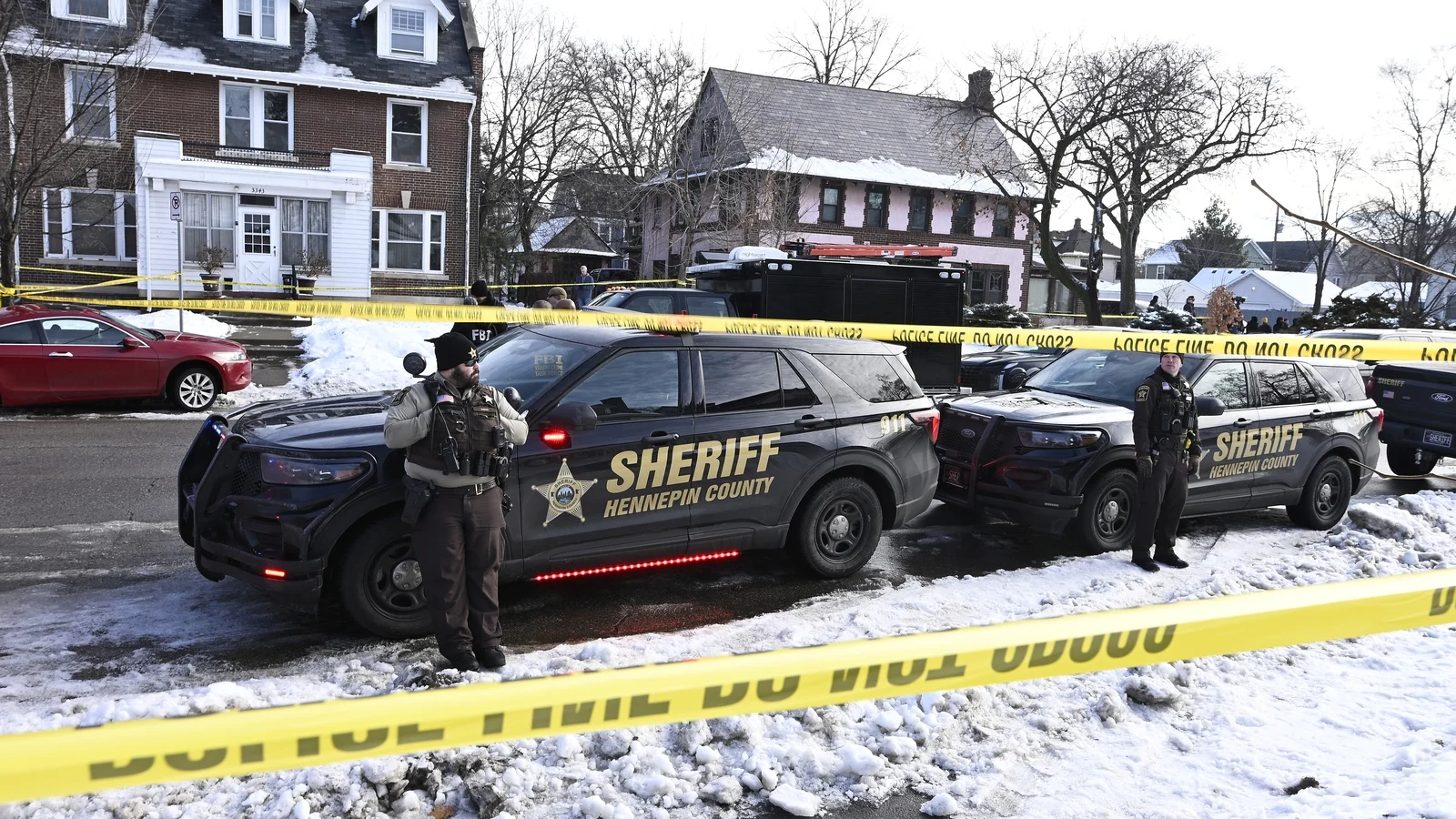
On a cold, gray morning in south Minneapolis, a narrow residential street that usually hears the rumble of buses and the chatter from corner cafés instead became a scene of confrontation and tragedy. Snow matted the sidewalks; breath steamed from the mouths of bystanders. Unmarked vehicles, officers in dark jackets, and a cluster of protesters—some chanting, some filming on phones—filled the intersection at 34th Street and Portland Avenue. Minutes later, a single car sped off, and three gunshots cracked through the winter air.
The driver, a 37-year-old woman according to city officials, was struck and later died. Federal agents with Immigration and Customs Enforcement (ICE) said the shots were fired in self-defence after the driver allegedly attempted to ram officers. The city’s mayor, however, was blunt in his condemnation, characterizing the federal account as false and demanding that ICE operations be removed from Minneapolis streets.
On-the-ground Perspectives: Voices from the Block
“I ran outside because I heard a scuffle and then the shots. It felt like a warzone for a moment,” said Sofia Martinez, who runs a tiny bodega a block away. “People were yelling that they were just trying to document what ICE was doing. Then all of a sudden the car was moving and someone went down. It was terrifying.”
A protest organizer, who asked to be identified only as Malik, told me he and others had gathered to block what they believed were ICE arrest operations. “We’ve been organizing against these raids for months. This feels like what happens when federal policy comes to a neighborhood and nobody in power asks the people who live here,” he said. “One person is dead and families are broken.”
From the other side, an officer with a federal task force—speaking on condition of anonymity—said the situation escalated in seconds. “We were trying to move our vehicle. A car blocked us. An agent tried to open the door, and the driver reversed forcefully,” the source said. “In that moment, an officer believed lives were at stake.”
What Happened, and Why It Matters
The basic events are straightforward in outline but disputed in detail: federal agents were conducting immigration enforcement in a neighborhood where many residents are immigrants or come from immigrant families. Protesters had gathered to impede what they saw as a predatory raid. Video circulating online—unverified by independent authorities at the time this piece was published—shows a Honda SUV in the path of unmarked law enforcement vehicles and a brief, chaotic confrontation in the snow.
According to a DHS statement, officers were attempting to extricate a vehicle and were then struck by it. “An ICE officer, fearing for his life, the lives of his fellow law enforcement and the safety of the public, fired defensive shots,” the department said. The department also described the incident on social media as an attempted vehicle attack, calling it “domestic terrorism.”
City leaders and many neighbors reject that frame. Minneapolis’ mayor described the federal narrative as misleading and called for ICE agents to leave the city. Minnesota’s governor pledged a full, expedited investigation and urged residents not to be swayed by what he called propaganda from the federal administration.
Local Color and Context
This corner of Minneapolis bears the imprint of the city’s multi-ethnic fabric. Somali-owned restaurants and cafes line nearby blocks; Hmong elders shop at small markets; Latino families have lived here for generations. Community members say that for many, encounters with federal immigration agents inspire fear more than cooperation.
“People here are used to looking out for one another,” said Amina Yusuf, who has lived in the neighborhood for 22 years. “We organize youth programs, winter coat drives. But when ICE shows up unannounced, everyone flinches. That fear is what made so many people come out today.”
Numbers, Policy and Protest: The Bigger Picture
This shooting did not happen in a vacuum. It is the latest flashpoint in a national tug-of-war over immigration enforcement, local autonomy, and the role of federal agencies in neighborhoods. The current administration has made immigration enforcement a central priority, ordering expanded raids and increasing the number of deportation operations. That policy shift has led to a rise in confrontations between federal agents and communities that describe themselves as sanctuary or immigrant-friendly.
Official statements accompanying these operations have cited large increases in threats and assaults against federal officers—figures the Department of Homeland Security has presented to justify a heightened security posture. Critics argue those statistics lack independent verification and that the presence of heavily armed federal teams in civilian neighborhoods often escalates tension rather than ensuring public safety.
Experts warn of a dangerous feedback loop. “When enforcement is scaled up without community engagement, you create environments ripe for conflict,” said Dr. Lena Torres, a professor of law and human rights. “Aggressive operations in dense urban neighborhoods translate into more protests, which can inflame already volatile interactions. It’s a cycle that can—and should—be broken with better policy and oversight.”
Witnesses, Media and a City on Edge
Journalists on the ground were also affected. Local television footage showed officers using pepper spray on bystanders and a reporter being treated after exposure. Dozens of protesters lingered long after the shooting, passing blankets, holding vigils, and demanding answers.
“To see someone shot here is unbelievable,” said Jerome King, a schoolteacher who stood in the cold to watch the vigil. “We teach our kids to be proud of this city. But when this kind of thing happens, you feel shame, sadness, and anger all at once.”
Questions for Democracy: Accountability, Power and the Role of Cities
What does it mean when federal law enforcement exercises power in a city that has resisted certain immigration enforcement policies? Who gets to set the rules of engagement on residential streets? And how should cities balance cooperation with federal agencies against their obligations to protect residents?
These are not hypothetical questions. Sanctuary policies—where cities limit cooperation with federal immigration enforcement—are explicitly designed to build trust between immigrant communities and local police so victims and witnesses will report crimes without fear of deportation. When federal agents bypass local channels, the delicate trust that municipal leaders have tried to nurture can fray.
“We are a sanctuary city in more than name,” said a Minneapolis councilmember. “It’s not about obstructing justice; it’s about protecting vulnerable people and preserving the bonds that keep neighborhoods safe.”
What Comes Next
Authorities say they will investigate the shooting. The state has pledged a prompt review, and federal agencies will conduct their own inquiries. For families and neighbors, the immediate need is human: answers, accountability, and perhaps most urgently, mechanisms to prevent a recurrence.
As the city absorbs the shock, the scene at 34th and Portland lingers as a bitter vignette of a nation wrestling with migration, enforcement, and the uneven distribution of power. One woman is dead. A community is grieving. And the rest of the country should be asking itself what kind of policies lead to bullets being fired on a snowy neighborhood boulevard.
Questions for You
- How should cities negotiate their responsibilities to public safety with the federal government’s enforcement priorities?
- What level of transparency and oversight is appropriate when federal agencies operate inside local neighborhoods?
- How can community voices be meaningfully integrated into decisions about policing in immigrant communities?
These are hard questions without easy answers. But they are the ones we have to face if we hope to prevent the next morning when a quiet street turns into a scene none of us can ignore.