Oakland Morning: A Courtroom, Two Titans, and a Question About the Soul of Technology
The courthouse steps in Oakland wore the wet polish of an early spring morning as people gathered—some for spectacle, others for duty. A woman in scrubs clutched her juror summons like a talisman. A delivery driver adjusted his helmet and glanced up at the federal building’s stone facade. News vans clustered like anxious insects along the curb.
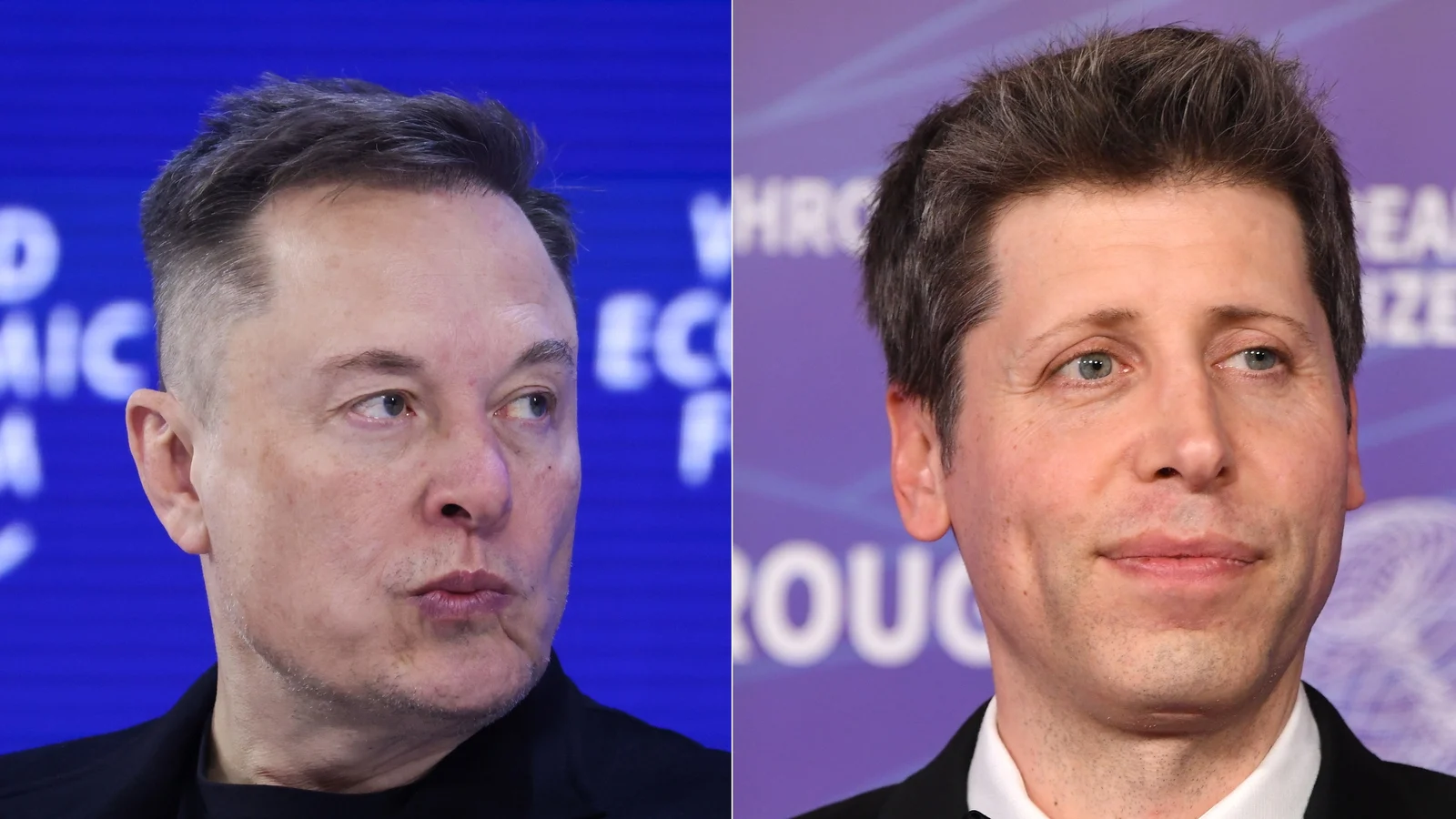
Inside, beneath fluorescent lights and the hush of officialdom, a trial began that feels less like a legal dispute and more like a defining argument about what kind of future we want from artificial intelligence. On one side: Elon Musk, the billionaire icon of rockets and electric cars. On the other: Sam Altman, the entrepreneur who helped steer a scrappy non-profit into the creator of ChatGPT and into the center of a multi‑billion‑dollar industry.
What’s at Stake
At the heart of the case is a claim that will land on jurors’ laps with outsized cultural weight: did OpenAI betray its founding promise to “benefit humanity” by reorganizing into a profit-seeking entity? Elon Musk is asking for staggering remedies—roughly $150 billion to be directed to OpenAI’s charitable arm, plus a reversion of the company to nonprofit status and the removal of certain executives from leadership roles.
“This isn’t about money for me,” a lawyer for Musk told reporters outside the courthouse. “It’s about mission and trust.”
OpenAI’s counters are crisp and pointed. The company and its leaders say Musk knew about, and participated in, the discussions that led to its new structure. They characterize this lawsuit as a bid to disrupt OpenAI’s growth—an attempt to hamstring a rival venture Musk later launched, called xAI.
Numbers that Make Heads Spin
Some figures driving the headlines are factual and narrow: nine jurors were seated, the trial calendar calls for juror deliberations to begin by 12 May, and Musk says he contributed about $38 million in early seed funding. Other numbers are swept into the realm of rumour and consequence: press accounts have suggested OpenAI’s market worth could climb into the hundreds of billions, with some speculative estimates in the range of several hundred billion to a trillion dollars if it goes public.
Whether those valuations are precise is less important, perhaps, than their symbolic power. To many, this trial is about whether a mission-driven lab can resist the gravitational pull of money and power—and about who gets to steward technologies that will affect billions of lives.
Inside the Courtroom: People, Not Just Players
The jurors selected are everyday people: a nurse, a city maintenance worker, a retiree. “I’m here to pay attention,” said Denise Howard, 58, a nurse who will decide in the end whether the words on paper were kept. “We all use these apps. We deserve truth.”
That human texture—coffee in paper cups, the low rumble of conversations in the corridor, the way a young public defender smooths notes before speaking—matters. For all the billionaires and boardrooms, this trial will be decided by ordinary citizens deciphering complex corporate structuring and lofty mission statements.
Outside, a barista named Samir Patel laughed when asked whether Silicon Valley’s dramas were good for business. “It’s like the techies on TV,” he said, handing me a cappuccino. “But these fights shape what ends up on our screens. That’s the part that matters.”
Voices in the Storm
Alongside courtroom statements, expect a chorus of witnesses. Company executives, investors, and perhaps even the principals themselves—Elon Musk, Sam Altman and Microsoft CEO Satya Nadella—are listed among potential testimonies. Musk may take the stand soon, according to court filings.
“This case will illuminate the choices that shaped a company at a critical inflection point,” said Professor Ayesha Khan, an AI ethicist who teaches at a major California university. “It’s about governance. It’s about how mission and markets interact when technology can reshape economies and societies.”
Microsoft, one of OpenAI’s largest investors and a partner on cloud and compute infrastructure, has denied any collusion in wrongdoing. The company’s involvement has become a focal point for questions about how corporate partnerships influence the direction of foundational technologies.
Local Color: Oakland’s Uneasy Spotlight
Oakland—the city of murals, ferry rides, and a famously robust community of artists and activists—finds itself briefly at the center of a global conversation. A mural of a phoenix near the courthouse seemed fitting to many passersby.
“People here watch power carefully,” said Maria Lopez, who runs a small bodega two blocks away. “We remember stories—good and bad—about big promises. This is a story about keeping promises.”
Questions for a Global Audience
What does it mean when a project that began as a research collective becomes an engine of profit? Can public benefit survive alongside shareholder returns? If an AI lab’s work shapes the tools we rely on—educational platforms, hiring algorithms, chat assistants—who should control that power?
Those questions are not just American or Californian. This trial will land in newsfeeds worldwide, because the systems at stake are woven into global society. Across continents, governments are wrestling with AI policy: from data protection and algorithmic accountability to research transparency and the distribution of economic gains.
Broader Themes and the Road Ahead
- Governance: How should AI labs balance public interest with investor incentives?
- Transparency: What obligations do researchers and companies have to disclose risks?
- Economic distribution: Who captures value when foundational technologies scale?
“This case could set a precedent, or at least send a signal,” Professor Khan said. “Courts are not the only place norms are made. But they reflect societal expectations about stewardship.”
What to Watch
Watch for testimony about the conversations that led to OpenAI’s restructuring, and for the legal framing of philanthropic trust and unjust enrichment. Keep an eye on how the court treats Microsoft’s role and on any ruling that might reshape corporate governance norms for mission-oriented organizations.
And watch, too, the quieter effects: how the trial influences investor confidence, hiring in AI labs, and the public’s appetite for rapid commercialization of powerful technologies.
Ending Where We Began
As you read this, imagine yourself on those courthouse steps, feeling the cool air and the buzz of people making decisions that will ripple outward. Whose version of “benefit to humanity” should prevail when technology moves faster than our institutions?
That question won’t be answered in a single trial, but the courtroom in Oakland will be one of the places where our collective answer is debated. And whatever the verdict, the conversation about AI’s moral compass—about whether profit and purpose can coexist—will keep echoing in communities from Oakland to New Delhi to Nairobi.