

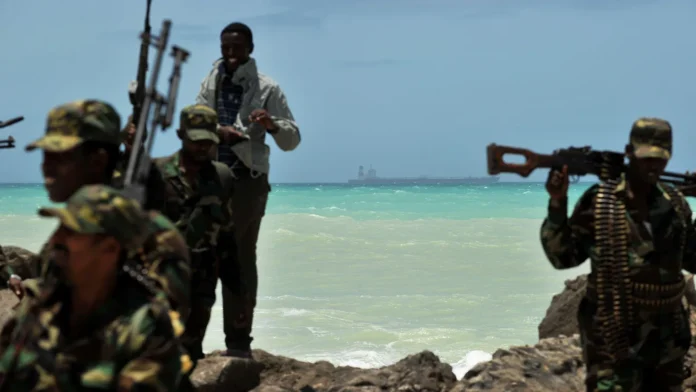
Apr 27(Jowhar) Xogo dheeraad ah ayaa kasoo baxaya Markab nooca xamuulka qaada ah oo Burcad Hubeysan ku afduubteen xeebaha Soomaaliya, Markabka ayaa ku gooshaya Calanka Panama, wuxuuna kusii jeeda Musanbiig, 16 shaqaale oo 10 kamid ah Carab yihiin ayaa la xaqiijiyey in ay saaran yihiin.
Man scheduled to appear in court after Washington gala shooting
Gunfire at the Gala: A Night of Glamor Interrupted
They came for the jokes, the jostle of politics and press, the half-serious roast that is as much a Washington ritual as it is a vanity fair. The White House Correspondents’ Dinner has always been a place where power and punchlines collide — until a few seconds of violence turned a ballroom into a tableau of chaos and courage.
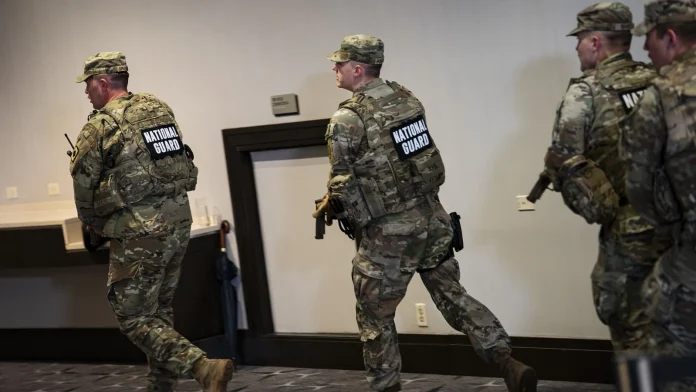
On a warm spring evening at the Washington Hilton, where chandeliers gild the ceiling and the city’s political life often feels like a pageant, a man armed with a shotgun, a handgun and knives pushed through a hotel security checkpoint toward the ballroom where the dinner was in full swing. He opened fire, and the sound of laughter and camera shutters snapped into silence.
The scene
Guests watched as Secret Service agents moved with practiced urgency. The president and first lady, already at the head table, were hurried offstage. A Secret Service agent at the checkpoint was hit — saved, officials later said, by a bulletproof vest — and quickly taken to hospital before being released. Within moments, other agents and plainclothes officers tackled and detained the suspect near the entrance. The man, later identified as 31-year-old Cole Tomas Allen of Los Angeles, was arrested at the scene.
“I was three rows back,” said a journalist who asked to be identified only as Maria. “One second it was jokes about the midterms, the next it was everyone ducking. You hear shots and your brain doesn’t want to accept it. Then agents are on him — it was quick but felt like forever.”
A chilling claim
Acting officials quickly painted a stark picture: the apparent target of the attack was not only the glittering cohort of political and media elites in the room but the president and senior members of his administration. An acting U.S. Attorney General said investigators believed the president and his team were “likely” targets. In the hours after the incident, law enforcement revealed that the suspect had checked into the Washington Hilton a day or two earlier and had sent a manifesto to family members shortly before the event.
“This was not a random burst of rage,” said an official involved in the investigation. “He had a plan and he executed part of it, but the plan was stopped before tragic loss of life on a larger scale.”
Who was the man arrested?
The name on the arrest report — Cole Tomas Allen — belongs, authorities say, to a 31-year-old who had been living in Los Angeles. Officials said he referred to himself in his materials as the “Friendly Federal Assassin,” language that investigators and family members described as both alarming and incoherent. Mr. Allen, according to law enforcement sources, sent that document to relatives shortly before heading to Washington.
“He was a troubled kid,” said a neighbor from a Los Angeles block where the suspect once lived. “You wouldn’t think he’d end up here. He liked his music and kept to himself, but people saw signs and some did try to get help.”
Charges being prepared include assault on a federal officer and use of a firearm during a crime of violence. The suspect is due to appear in court later today where those charges will be filed formally.
Security, luck and a vest
The Secret Service, whose mandate is to protect the president and visiting dignitaries, came under immense scrutiny and praise in quick succession. The agent who was struck by gunfire was wearing protective gear — a vest that, according to officials, prevented a bullet from becoming a fatal wound.
“The vest did its job,” said Anthony Guglielmi, a Secret Service spokesperson, who confirmed the officer had been released from hospital. “The agent is in good shape and was able to continue assisting at the scene.”
“We train for chaos,” a veteran protective agent told me. “You cannot predict everything, but you prepare for reactions. Tonight, that training saved lives.”
Questions for a polarized moment
What does it mean when such an emblematic evening — where journalists, politicians and entertainers mingle under the same roof — becomes the setting for an armed attack? For many Americans, it is another flashpoint in a longer narrative: that of a deeply polarized country where political violence has crept into the public square with increasing frequency.
Since 2024, the president has survived two other attempts on his life, underscoring how security challenges have escalated alongside political division. But the danger here extends beyond a single individual: it raises urgent questions about the safety of public events, the reach of radicalizing online chatter, and the fraying of civility in public discourse.
“These are not isolated incidents,” said Dr. Lena Ortiz, a security studies scholar at a university in the capital. “We’re seeing a pattern where grievances — sometimes rooted in mental illness, sometimes stoked by conspiratorial communities online — are culminating in violent attempts that target both leaders and institutions. The question is how to balance openness in democracy with the very real need for security.”
Numbers that sob into the record
- Gun violence remains a deep national problem: hundreds of mass shootings are recorded each year by civilian tracking organizations, and roughly 40,000–50,000 Americans die from firearms annually when suicides and homicides are combined.
- The Secret Service has long credited rigorous training and coordination with preventing would-be assassinations; but each new incident tests those systems in unpredictable ways.
Local color and a city that keeps watch
Outside the Washington Hilton, Dupont Circle hums with life: sidewalk cafés, late-night taxis and a steady stream of people returning from a night out. Locals said the hotel’s ballroom — a place of velveteen drapes and silver-framed mirrors — had always seemed slightly removed from the street-level dramas of the city. Last night, the separation blurred.
“I walked by afterward and you could still smell smoke from the pyrotechnics of someone’s wallet flash,” said Omar, a doorman who has worked in the hotel district for decades. “We’re used to big names, loud laughter, and a bit of nonsense. But tonight the nonsense almost turned deadly.”
After the headlines: what comes next?
In the days to come, investigators will pore over surveillance footage and digital footprints. Family members will be questioned. The courts will convene. And for many Americans, the image of agents rushing a president from a stage will linger.
There will be the predictable chorus: condemnation, calls for tighter security, and renewed argument over mental health, firearms policy and the corrosive effects of our current political climate.
But there is another thread in this story worth pulling: the way in which ordinary people — journalists, servers, hotel staff, and the agents themselves — can act in the darkest moments to steady a room. That is where, perhaps, the most human part of this incident sits.
So I ask you, reading this from wherever you are in the world: what do we owe one another in public life? How do we preserve the rituals of democracy — even the absurd, self-satirical ones — while protecting those who participate in them? The answers are not quick, and they will require more than security protocols. They will require a conversation about civility, community and the common life we share.
Tonight, a vest and fast action held a catastrophe at bay. Tomorrow, the harder work begins.
Mali’s defence minister killed as clashes continue across the country
When the Desert Broke Open: Mali’s Night of Blasts and an Army in Mourning
There are moments when a country’s fragile routine snaps, like a twig underfoot. Yesterday was such a day in Mali — a string of coordinated assaults that pierced the country’s already thin veil of calm, leaving one of its most powerful men dead and sending ripples of fear from the streets of Bamako to the wind-scarred towns of the north.
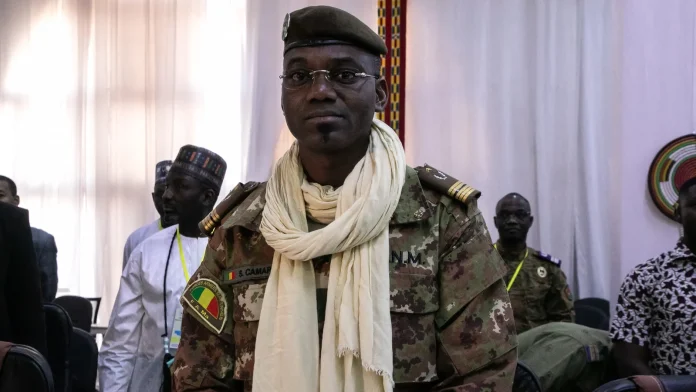
Defence Minister Sadio Camara, his second wife and two grandchildren were killed after a car bomb detonated outside his house in Kita, a town west of the capital. The news, confirmed by family members and a government official, landed on a populace already strained by a decade of insurgency and repeated coups. For many Malians, the attack felt less like a single act of violence and more like a sudden, cruel validation of everything they’ve feared.
The day the map trembled
What made yesterday’s violence extraordinary was its choreography. For the first time in years, Tuareg rebels from the Azawad Liberation Front (FLA) and fighters from the jihadi Group for the Support of Islam and Muslims (JNIM) carried out simultaneous operations across the vast Sahelian expanse — striking near Bamako, in the northern towns of Kidal and Gao, and in other strategic pockets of the country.
“They wanted to send a message,” said a military source who asked not to be named. “Not just to seize ground, but to show they can reach wherever they want. They succeeded in sowing fear.”
In the northern city of Kidal — a place that for many Tuareg is as much a symbol as it is a town — combatants say they have forced Malian forces and their Russian allies out of Camp 2. “We saw a military convoy leave at dawn,” a resident told reporters. “And then we saw our fighters take to the streets.” Kidal had been retaken by Malian forces with Wagner support in late 2023, marking a temporary end to more than a decade of rebel governance.
Why this matters beyond Mali
The death of a defence minister in a car bomb is not merely a domestic scandal; it is a geopolitical tremor. Mali’s rulers, part of a succession of juntas since the 2020 coup, have severed long-standing ties with France and much of the West, gravitating instead toward Moscow. Wagner mercenaries played a visible role in past years; more recently, Russia’s Africa Corps — under the direct control of Moscow’s defence ministry — stepped into the vacuum. Now, as armed movements reassert themselves, the question of external partners’ influence and the security architecture of the Sahel has never seemed more precarious.
United Nations Secretary-General António Guterres condemned the attacks, urging coordinated international action to tackle violent extremism and meet urgent humanitarian needs. The European Union labelled the incidents “terrorist attacks,” and the world, in general, watched a country that produces some of Africa’s most coveted minerals — Mali is one of the continent’s largest gold producers — shake under the weight of armed contestation.
On the streets: voices and anxieties
In Bamako’s markets, where the chatter of vendors is usually a backdrop to daily life, the tone has changed. “People are afraid to travel at night. My niece was due to start a new job next week and now it’s postponed,” said Aminata Traoré, a fruit seller in the markets near the Senou district. “We’ve grown used to hearing about the north, but now it is here. It feels closer.”
A resident of Kita, who saw the aftermath of the blast, spoke softly about the panic. “There was glass all over the yard,” he said. “Children were screaming; their faces were white. How do you explain to them that this is politics? That people they have never met decided they are expendable?”
An international security analyst based in Dakar, Dr. Léonard Mbaye, put the assault into a wider frame. “What we are witnessing is an evolution in tactics. Armed groups are coordinating across ideological lines — jihadi networks with ethnic rebel movements — to undermine central control. This is not about territory alone; it’s about legitimacy and spectacle.”
Human cost and the shadow of displacement
Official tallies reported 16 civilians and soldiers wounded and “limited material damage,” but statistics seldom capture the true human cost. Mali, and the broader Sahel region stretching from Senegal to Sudan, has seen waves of displacement and deepening food insecurity for years. Hundreds of thousands of people across Mali have been uprooted by violence and climate stressors that make farming unpredictable and migration more likely.
“When the fighting comes, women and children are the first to bear the burden,” said Mariam Diarra, who works with a humanitarian group that provides shelters in the capital. “We try to prepare contingency plans, but funding is always a problem and access to the north is complicated by security constraints.”
What’s next? Uncertain choreography
The junta has insisted that the situation is under control in the targeted localities. Yet control on paper looks different from control on dusty streets where fighters can disappear into the landscape. The reported withdrawal of allied Russian troops from Kidal underscores how quickly alliances can shift and how fragile any claim to stability can be.
Will Mali’s government reassert authority, or will a diffuse set of armed actors carve out de facto governance across swaths of the country? How will external partners — be they regional blocs, European donors, or Moscow — respond to prevent further deterioration? These are not merely tactical questions. They ask us to think about what kind of state Mali will become, and what model of security the Sahel will accept.
Echoes beyond borders
The fallout is not confined to Mali. Neighboring Niger and Burkina Faso have experienced coups and their own dealings with foreign mercenaries and shifting alliances. The pattern points to a larger trend in global politics: the retreat of traditional post-colonial ties, the rise of alternative security providers, and the increasing privatization of conflict through mercenary groups. All of this happens against the backdrop of climate change, economic fragility, and a global appetite for the minerals that countries like Mali hold.
So, what do we owe the people of Mali? Sympathy is not enough. We must watch, yes — but also ask: who will fund the humanitarian response? Who will back political solutions that include local voices, from Tuareg elders in Kidal to market women in Bamako? How will the international community balance counterterrorism priorities with the urgent need for development and climate resilience?
For now, Mali stands at a crossroads. In the short term, families bury their dead and count their wounded. In the longer term, a nation wrestles with questions of identity, power, and survival. The night the desert broke open will be remembered not only for its explosions, but for how Mali, and the wider world, chose to respond.
- Defence Minister Sadio Camara, his second wife and two grandchildren were killed in a car bomb attack in Kita.
- Attacks were coordinated between Tuareg rebels (FLA) and JNIM, striking multiple towns including Kidal and Gao.
- The UN and EU condemned the violence and called for international support to address extremism and humanitarian needs.
Where do you stand when borders blur and alliances change? How should the international community reckon with states that oscillate between fragile governance and open conflict? Mali’s answer to those questions will shape not only its own future, but the security of an entire region. Watch closely.
Timeline: How the Washington Gala Dinner Shooting Unfolded
Gunfire at a Gala: How a Night of Jokes and Jackets Turned into a Night of Fear
The Washington Hilton is a place of soft chandeliers and last-minute tux fittings, where jokes land under crystal and cameras flicker like fireflies. On the evening the White House Correspondents’ Association dinner was interrupted by gunfire, that familiar warmth curdled into frightened silence—then a flurry of shouted orders, sprinting agents, and stunned guests scrambling under tables.
It was the kind of scene that feels cinematic until you realize it’s painfully real: an event meant to celebrate the press, politics and the thin theater of Washington suddenly collapsed into an emergency drill. For the hundreds inside that ballroom—reporters, pundits, cabinet members, and aides—the night would replay in fragments: the pop of a weapon, the clamor of security, the slow, unsteady walk out the back door.
What happened that night: a clear, breathless timeline
Below is a concise timeline of the key moments as investigators and officials described them in the immediate aftermath.
- Around 8:35 p.m.—Guests heard shots in the lobby area of the hotel. Videos that later circulated show people dropping to the floor and Secret Service agents moving decisively toward the disturbance.
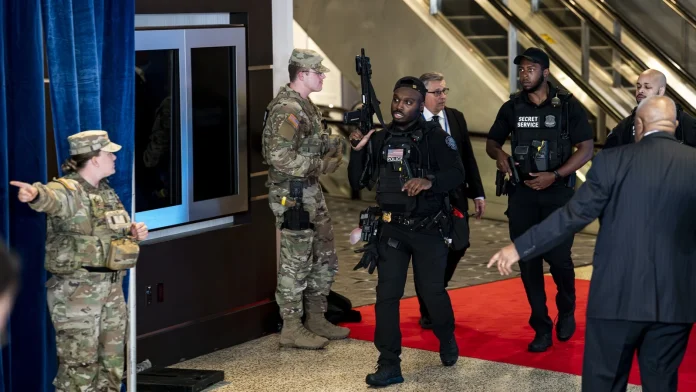
- A lone individual charged a Secret Service checkpoint near the lobby while armed with multiple weapons, including a shotgun and at least one handgun, according to law enforcement briefings.
- Secret Service officers intercepted the suspect at the checkpoint. Officers exchanged fire with the individual but, officials said, the suspect was not struck by gunfire; he was tackled, restrained, and later evaluated in a local hospital.
- One Secret Service agent suffered an injury and was taken to hospital for treatment; the suspect was also transported for medical assessment. Authorities described the incident as involving a single attacker rather than a coordinated assault.
- The president and his cabinet were escorted out of the venue; later, officials indicated the event would be rescheduled within weeks rather than continuing that night.
- Federal prosecutors quickly announced charges related to using a firearm during a violent crime and assaulting a federal officer—standard moves when an attack targets protective agents or federal premises.
Voices from the room
Official statements were careful and clinical; the human reaction was not. A reporter who was seated near the stage spoke with me the next morning, still shaking at the memory.
“One moment we were waiting for the speeches, the next everyone just dropped. I remember hearing people whispering, ‘Is this real?’ It felt unreal—like something out of a movie, but it wasn’t,” she said.
A veteran Secret Service officer, speaking off the record, described the disciplined chaos from the other side: “You train for this thousands of times, but training is different from the smell of adrenaline. We move, we communicate, we protect. That’s what we’re there to do.” He added, “Nobody wants a headline that begins with ‘What went wrong.’ We want one that says ‘We held the line.'”
A nearby hotel concierge, a lifelong Washingtonian with a quiet delivery, offered a different kind of context: “People here think of this hotel as a stage for the city—royalty, presidents, press. When the doors were sealed and lights dimmed, all those small intrigues of the night disappeared. You could hear people praying and crying in the same breath.”
Wider context: security, guns, and what this night says about America
When something like this happens at a high-profile event, it forces questions beyond the immediate: how do we protect public figures, how do we keep the press safe, and what role does gun violence play in the backdrop of civic life?
Consider the broader numbers. The United States continues to contend with tens of thousands of firearm-related deaths annually—an inescapable statistic in policy debates about weapons access and public safety. Law enforcement agencies, from local police to federal protectors, regularly update tactics for high-profile events, but those plans are constantly being tested by new and unpredictable threats.
Security experts I spoke with point out that the presence of a determined lone attacker is particularly hard to neutralize in open public spaces. “Hardening venues helps,” said a former security adviser who has worked on protective details for foreign dignitaries, “but the balance between openness and safety is fragile. If we make every public appearance feel like a bunker, we risk losing the democracy we’re trying to protect.”
Why this mattered beyond the ballroom
For journalists and for the institutions they cover, the attack carried symbolic weight. The WHCA dinner is a ritual where the press and politicians mix, where satire meets spectacle. It’s part awards ceremony, part roast, and part social glue that lubricates an often fraught relationship between reporters and power.
When violence intrudes upon that space, it chips away at a sense of inviolability. “If the space where watchdogs gather is under threat,” asked a media ethics professor, “what does that do to civic confidence? The threat isn’t just physical; it’s psychological.”
International observers took note as well. Diplomatic colleagues emailed reactions, reminding us that venues where democracy meets scrutiny should be safe, not sites of peril. For a global audience, the image of reporters fleeing a gala is more than local drama; it is a snapshot of how fragile public life can feel, even in nations that pride themselves on stability.
What now? Practical steps and lingering questions
Authorities are continuing investigations, reviewing footage, interviewing witnesses, and cross-checking timelines. Charges were filed quickly against the suspect, and federal agencies emphasized that the threat had been contained without mass casualties.
But containment doesn’t erase unease. Organizers of similar events across the country will inevitably reassess security protocols, guest lists, and venue choices. That raises practical trade-offs: fewer attendees and tighter access might reduce risk, but they also change the very nature of public civic rituals.
So I ask you: when we reimagine public gatherings with safety as a primary design, what do we lose and what do we preserve? Are armored checkpoints the new normal—or can design, technology, and community vigilance coexist in ways that keep public life vibrant?
Closing
The night at the Washington Hilton will be catalogued in reports and briefings, but its real residue will be in memory—the startled faces, the hush, the hurried exits. People will argue about policies and tactics, and rightly so. Yet amid the analysis, it’s important to remember the human dimension: the reporters who returned to their desks the next day, the agents who made split-second decisions to protect others, and the ordinary staff who tried to keep calm in impossible moments.
We tell these stories because they remind us that public life, however imperfect, is precious. How we respond—through policy, through community, and through shared ritual—will shape what comes next.
Death toll rises to 19 after roadside bombing in Colombia
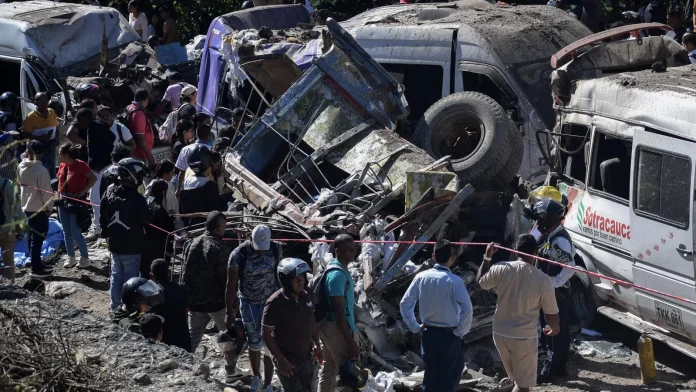
Smoke on the Pan-American: A Highway, a Crater, and a Country on Edge
They describe it as if the road itself had been torn open. Soot-blackened buses leaned like broken toys in the dust, a yawning crater scarred the asphalt, and the air tasted of diesel and fear. On a stretch of the Pan‑American Highway that stitches together the restless southwestern department of Cauca, a bomb detonated with a force that sent ripples through communities already accustomed to living on the fault line of Colombia’s long conflict.
By the next morning Colombia’s National Institute of Legal Medicine and Forensic Sciences reported it was examining 19 bodies. The Cauca governor’s office put the immediate death toll at 14 and confirmed more than 38 wounded. Witnesses and rescuers arrived to overturned cars, twisted metal, and the kind of silence that follows a sudden, public violence.
The scene—and the signal
“I heard a sound like the mountain falling,” said Diego, a farmer from a nearby village who walked the stretch of highway at dawn. “When I got there, people were screaming, and smoke was everywhere. The road looked like it had been swallowed.”
Military officials described a calculated ambush: assailants reportedly blocked the highway by parking a bus and another vehicle across the lanes, forcing traffic to stop before the explosion. Colombia’s military chief, General Hugo López, called it “a terrorist attack against the civilian population” at a press briefing, framing the blast as more than a single act of violence—it was an attempt to terrorize everyday life.
For the people of Cauca, however, the blast was also a brutally familiar note in a longer, sadder song. This is a region scarred by decades of armed actors—leftist guerrillas, right‑wing paramilitaries, and criminal bands—each with roots in narcotrafficking, illegal mining, and extortion. A single headline can’t convey the slow grinding pressures of roadside checkpoints, forced displacements, and threats to local leaders. But a crater in the highway does something else: it refuses to be ignored.
A countdown to the ballot box
The timing is painfully explicit. Colombia is a month away from national elections scheduled for 31 May, when voters will select a successor to President Gustavo Petro. Security has become a top electoral issue, and an attack that kills civilians on a national artery can have a chilling effect on turnout and public confidence.
“They want to shape the political map by blood,” said Ana María Rojas, a schoolteacher in a town near the highway. “If people are afraid to go to the polls, the ones who profit are the armed groups.”
President Petro himself used social media to condemn the bombing, labeling those behind it “terrorists, fascists and drug traffickers,” and urged the military to increase pressure on criminal networks. He pointed fingers at Iván Mordisco, whom the president has described in the past as one of the most wanted criminal leaders in the country. Whether the attribution will stand up under investigation, and whether it will alter the political climate before voters gather, remains unclear.
Violence on the rise—what the numbers say
The recent blast is not an isolated incident. Authorities documented a string of attacks in Valle del Cauca and Cauca in the days surrounding the bombing—26 recorded incidents over two days, according to Defense Ministry briefings—following a separate bomb attack at a military base in Cali that injured two people the prior Friday.
These incidents map onto broader, stubborn realities. The 2016 peace accord with the Revolutionary Armed Forces of Colombia (FARC) dramatically reduced the footprint of one of the country’s largest guerrilla armies, but not all fighters accepted the deal. Dissident factions have since evolved into criminal enterprises, moving into drug production, trafficking, and local extortion. Experts estimate thousands of dissidents remain active, embedded in territories where the state’s presence is weak.
People on the ground: fear, anger, resilience
At a temporary shelter set up beside the highway, volunteers handed out thermoses of coffee and wrapped injured travelers in blankets. “We took two buses full of people to the town square,” said Javier, an emergency worker with the municipal civil defense. “You never get used to the sight of blood. But you learn how to act fast.”
Local leaders spoke with a tone that mixed fatigue and defiance. “The bomb was meant to break us,” said Rosa Santos, an Afro‑Colombian community organizer. “But people here wake up every day and rebuild. We will not let violence decide our future.”
Others were less sanguine. A shopkeeper in a small market called El Rosal, who asked that only his first name, Mario, be used, said: “People are talking about leaving. My nephew got a message last week from someone telling him to stop working with a candidate or else. Now this—how can we have a real election when fear is part of the campaign?”
Voices from the capital
Analysts in Bogotá have been watching these escalations closely. “What we are seeing is a multipronged strategy,” said Dr. Alejandra Ríos, a security analyst specializing in insurgent behaviors. “Armed groups aim to destabilize the pre-election period, to undermine trust in state institutions, and to force concessions through intimidation. This is not only about territory; it’s about narrative.”
Ríos emphasized that the reach of dissident groups has been facilitated by lucrative illicit economies and long-standing social grievances in rural zones. “Without comprehensive state presence—schools, roads, legal economic opportunities—these groups can fill a vacuum. The bomb on the highway is a dramatic manifestation of those dynamics.”
Politics under pressure
Security is shaping campaign rhetoric. Leftist Senator Iván Cepeda, who has defended negotiation strategies with armed actors, currently leads in some polls, while conservative figures such as Abelardo de la Espriella and Paloma Valencia have promised tougher action against rebels. All three major contenders have reported death threats and have been campaigning under heavy protection.
Last year’s shooting of conservative frontrunner Miguel Uribe Turbay—wounded in broad daylight while campaigning in Bogotá—reminds Colombians how quickly political speech can turn to bloodshed. The question now is whether the state can ensure a peaceful process that allows citizens to vote without fear.
What comes next?
In the immediate term, authorities have bolstered military and police presence in vulnerable zones, and investigations are underway to establish responsibility. But boots on the ground are only part of the solution, experts warn. Long-term stability demands jobs, justice, and institutions that reach the countryside. It requires reducing the economic incentives of illicit markets and protecting local leaders who often pay the highest price for speaking out.
So, where does a nation go from the edge? Can a bomb on a highway be a turning point that spurs a deeper commitment to the rule of law, or will it harden divisions and hand more power to violent actors? Those are not just political questions; they are human ones, asked by families who have lost loved ones and by towns that now have a crater in their main road.
“We will mend the asphalt,” said Mayor Luisa Calderón of a nearby municipality, staring at the rocks and ash. “But mending the trust will take longer. Our hope is that voters will choose a future where fear does not decide who governs.”
As Colombia approaches its next vote, the country watches a single, fractured highway as if it were a mirror—reflecting both the scars of the past and the choices that will shape the road ahead. What would you do if your ballot might make a difference to whether that road stays intact or splits open again?
US-Iran peace prospects dim after Trump cancels crucial talks
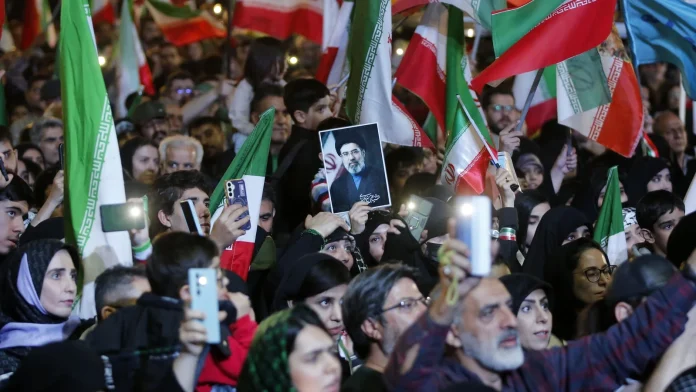
Empty Hands in Islamabad: A Fragile Pause That Never Quite Held
The diplomatic quarter of Islamabad smelled, for a few days this week, like fresh samosas and strained hope—an odd perfume for a city that has lately been acting as the world’s hapless middleman.
On the morning that Iranian Foreign Minister Abbas Araqchi departed Pakistan, he left more than a pile of diplomatic notes. He left an unmistakable silence where a breakthrough might have been. Envoys from Washington never arrived; a planned visit by two high-profile intermediaries was cancelled. And a conflict that had been burning for months, skimming the edges of global markets and world order, slid back into an ominous standoff.
When mediators come away with little
Diplomacy in motion is a messy, human thing—long dinners, private phone calls, interpreter-shuffled meaning. Still, Araqchi called his trip “productive” in guarded terms. Pakistan’s leaders, who had tentatively rolled out the red carpet for shuttle diplomacy, were left instead with the awkward logistics of unanswered questions.
“We did what small countries do best: try to hold two sides in a room and remind them why there’s value in talking,” said a Pakistani diplomat in Islamabad who asked not to be named. “But talking alone isn’t enough when the terms on either side are immovable.”
That immovability was on display in stark fashion. Tehran signalled it would not enter negotiations it perceived as coerced—no talks under blockade, no deals authored by pressure. Washington, for its part, cancelled the envoys’ trip, calling the Iranian offer insufficient and suggesting further travel and expense couldn’t be justified for a proposal that fell short.
Standoff and the stranglehold on energy
If you live in a place where filling a car is a regular chore, the consequences of this stalemate will already be familiar: gas prices creeping upward, household budgets getting squeezed, longer-term inflationary ripples nudging central banks to pay attention. The row between the world’s largest economy and a major oil producer has already nudged energy prices to multi-year highs.
At the heart of the economic anxiety is the Strait of Hormuz—a narrow throat of water that, in calmer times, carries roughly one-fifth of the world’s seaborne oil and liquefied natural gas. Iran has largely closed it in recent weeks; Washington has blocked Iranian oil exports in turn. For ships, it means longer routes, higher insurance premiums, and a steady hike in the cost of getting fuel to market.
“The practical results are immediate,” said Laila Mansour, an energy analyst based in Dubai. “Shipping costs rise, refineries contract supply and traders hedge aggressively. That’s how you move from geopolitical tension to grocery-store pain in weeks.”
- Roughly 20% of seaborne oil and LNG flow through the Strait of Hormuz in normal times.
- Maritime insurers have raised premiums on Gulf transits, increasing freight costs for global commodities.
- Central banks, already battling sticky inflation, face new uncertainty as commodity-driven price shocks re-emerge.
On the ground: voices from four neighborhoods
In Tehran, the rhetoric is not the careful prose of negotiators but the blunt cadence of a country under pressure. “We will not sell ourselves into a deal written at gunpoint,” said a mid-ranking Iranian political adviser in a voice hardened by weeks of internal debate. “You can’t ask us to remove red lines while your ships are blocking our ports.”
In Washington, there is impatience—and a performative certainty. A senior U.S. official, speaking on the condition of anonymity, framed the pause as leverage. “If they want to return to the table with a serious offer, we’ll listen. Until then we will protect our interests and our partners in the region,” the official said.
In Beirut’s port cafés, where conversations have turned incessantly to what happens across the blue, a fisherman shrugged at the whispers of escalations. “We’ve learned to watch the boats,” he said. “Some days there’s work; some days there isn’t. Politics comes to the sea like fog—sometimes it lifts, sometimes it doesn’t.”
And in Islamabad, a taxi driver named Amir folded his hands on the steering wheel and said: “We hosted them with chai and patience. But peace is not served in cups. It takes courage. Who has courage remains the question.”
Militarized margins—Hezbollah and the tested ceasefire
It’s not only Tehran and Washington trading barbs. On the edges of the conflict, proxy alignments and local actors are testing fragile arrangements. Israeli forces have been ordered to strike Hezbollah targets in Lebanon, officials said—moves that threaten to tear the already thin veil of a ceasefire.
Those attacks crack the veneer of a pause that was holding, if shakily, for now. Each flashpoint risks widening the map of confrontation from a bilateral standoff to a regional conflagration.
Why the world should care—beyond headlines
Consider two simple truths: modern supply chains are tightly interlaced, and energy remains a foundational input for economies and livelihoods. When one chokepoint like Hormuz tightens, the effects ricochet into manufacturing, transportation, and household budgets across continents. Investors flee to safe havens; currencies wobble; food prices—already pressured by weather and conflict—feel the squeeze of higher transport costs.
This conflict also spotlights a broader tension of our time: the limits of traditional diplomacy in an era of polarized leadership. Can face-to-face negotiations still do the heavy lifting when domestic political theater turns every concession into potential political suicide? Or are we witnessing a new normal, where deals require back-channels and third-party guarantees to survive?
“It’s a question of leverage and legitimacy,” said Dr. Hana Yusuf, a scholar of Middle Eastern diplomacy. “Diplomats can make meetings happen, but they can’t make leaders want to be vulnerable in public. And without vulnerability, agreements have no roots.”
Where we go from here
For now, the picture is one of pause, not peace. Ceasefires hold in galleries of statements, but blockades, strikes and sanctions remain tools on the table. The next few weeks will be crucial: will cooler heads seize quiet corridors to craft a deal, or will skirmishes outside the formal talks harden positions further?
Ask yourself: how comfortable are you with a global order that still hinges on a narrow strait and a handful of capitals resolving existential questions in midnight calls? What would a more resilient system look like—more diversified energy mixes, stronger regional mediation, or a reimagining of how international law protects commerce?
The diplomats have retreated to their capitals. The negotiators will regroup, or they won’t. In the dusty alleys of Islamabad and the echoing halls of Washington and Tehran, people are quietly recalculating their bets. Meanwhile, the rest of us watch the price at the pump and wonder whether the next crisis will be one that can be negotiated—or one that will negotiate us.
Four decades on, Chornobyl still faces serious contamination and safety risks
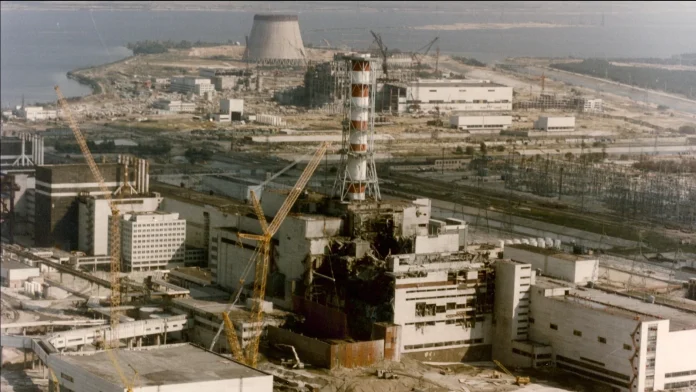
Four Decades Later: Chornobyl’s Ghost Still Casts a Long Shadow
There are places on Earth where time collapsed the moment catastrophe arrived. Prypiat is one of them—the Ferris wheel stopped mid-rotation, a doll sits forever in a cracked schoolroom, and refrigerator doors swing open onto emptiness. It has been 40 years since the early hours of 26 April 1986, when Reactor 4 at the Chornobyl nuclear power plant blew apart during a badly judged safety test, hurling a plume of radioactive particles across Europe and into the lives of ordinary people forever.
The Night the Sky Changed
At 01:23 a.m., an experiment meant to improve safety instead shredded a reactor’s core and its roof. The blast murdered two plant workers instantly and irradiated the men who rushed to fight the inferno; around 30 of those first responders would die in the weeks that followed from acute radiation syndrome. For days, invisible clouds drifted, changing the chemistry of soil, pasture and people. Belarus, to the north, took the brunt. Radioactive particles were detected as far away as Sweden—where alert technicians were the ones who first raised the alarm—and only then did Soviet authorities tell their own citizens that a catastrophe had occurred on their soil.
Human Cost and the Making of an Exclusion Zone
Within weeks some 200,000 people were uprooted—families carrying photo albums, samovars, the small private myths that shape a life. Authorities carved out an exclusion zone roughly 30 km around the plant—more than 2,500 square kilometres rendered functionally uninhabitable. Thousands of soldiers, miners and construction workers—known collectively as the “liquidators”—were conscripted to clean up contaminated roads, roofs and reactors. Their sacrifice was immense, and the arithmetic of illness that followed remains contested. Estimates of long-term deaths tied to the accident vary widely; some studies point to thousands of excess cancers, particularly thyroid cancer in children, while others urge caution in attributing all health trends to a single event.
“We left with two suitcases and never came back,” remembers a fictionalized voice common in the region: an elderly woman who once taught at a Prypiat kindergarten. “We watched the buses go and thought we would return in a week. We never did.”
From Ruin to a Rusting Ark: Decommissioning and the New Safe Confinement
The battered nuclear station limped on in a reduced form for years; the final reactor was shut down in 2000. The most visible attempt at containment arrived in 2016: a colossal steel arch—the New Safe Confinement (NSC)—slid over the ruined Reactor 4 like a giant bandage. It was a triumph of engineering and an emblem of post-Soviet international cooperation, a structure designed to seal in deadly dust and give engineers time to dismantle what remained.
Yet decommissioning is slow, meticulous work. Today, more than 2,000 people remain employed at the site, sorting, packing and isolating contaminated materials in operations that will take decades to complete. The work is painstaking and expensive—and fragile in ways engineers never imagined.
War and the Return of Risk
In 2022, the landscape of risk shifted again when Russian forces occupied the plant in the opening weeks of their full-scale invasion of Ukraine. They held roughly 300 staff captive and cut off external power to facilities accustomed to redundancy. Oleksandr Hryhorash, head of Chornobyl NPP’s operational control, described the episode bluntly: “It was an act of nuclear terrorism by the aggressor state of Russia. It is very sad that the international community reacted very weakly, or, one might say, did not react at all,” he told Ukrinform.
The occupation, while eventually ended at Chornobyl, exposed the facility to a new kind of danger: warfare in the shadow of radiation. The plant lost off-site power during the earliest days of occupation; diesel generators kept essential systems running for only a brief period. Then, in February 2025, a Russian drone penetrated the NSC, leaving a 15-square-metre hole and igniting a fire on the outer shell. Firefighters stamped out the blaze; workers installed temporary patches, but the European Bank for Reconstruction and Development estimated a full repair could cost as much as €500 million.
“A Ticking Timebomb?”
The International Atomic Energy Agency’s inspectors have been blunt. After a December inspection of the temporary fixes, the IAEA reported that the NSC “had lost its primary safety functions” and warned that timely, comprehensive restoration is essential to prevent further degradation. Ukrainian officials point to repeated Russian drone flights within 20 km of the facility and to the detection of dozens of hypersonic Kinzhal missiles traversing similar distances near Chornobyl and the Khmelnytskyi plant since 2022. For many observers, the image is stark: an aging, fragile shield pierced by modern, remote weapons.
“We built the NSC to buy time,” says a fictionalized senior engineer who has worked at the site. “War bought back the risk that engineering tried to bury.”
At the Edge of Memory: People, Place, and the Everyday Strange
Walk the edges of the exclusion zone and you will sense contradictions: wolves prowl in the tall grass while Soviet apartment blocks crumble around them. A handful of “samosely” — the self-settlers who returned to their ancestral plots—still tend gardens despite the warning signs. Tourists in hard hats and respirators take photos of the silent schoolhouse and the Ferris wheel, and guides recite the names of buildings like prayers.
Local traditions persist. The smell of black bread and borscht still anchors memories; local musicians still play village songs in displaced communities. These are not just relics on display. They are the textures of a life interrupted and partially resumed, of a culture that endures even where governments and markets hesitated to intervene.
Why Chornobyl Matters to the World
Chornobyl is not only a local tragedy; it is a global cautionary tale about the fragility of technological systems in a world of geopolitics. There are roughly 440 commercial nuclear reactors operating globally, and many more communities that depend on them for low-carbon energy. In conflict, those facilities become political prizes and acute hazards. The European Commission’s statement on the 40th anniversary called for Russia to “immediately cease all attacks on nuclear facilities in Ukraine” and to comply with the IAEA’s Seven Pillars for Nuclear Safety and Security during war—principles meant to keep power, personnel and infrastructure secure even amid fighting.
How should the world balance the need for resilient nuclear infrastructure with the reality of conflict? What responsibility do international actors have when the risk is not localized but transboundary, when a plume can cross borders and a damaged shield can endanger neighbours? These are uncomfortable questions that Chornobyl asks of us still.
Looking Forward
Standing at the exclusion zone’s fence on a windy day, you can taste the past and the future at once. The New Safe Confinement, scarred but upright, testifies to human ingenuity. The drone scar on its shell testifies to our modern recklessness. The people who live on the margins of this story—engineers, exiled residents, liquidators, and the samosely—measure loss differently. For them, the reckoning is intimate. For the rest of the world, Chornobyl is a mirror.
Will we learn from its reflection, and from the recent violations that have reopened old wounds? Or will geopolitics continue to push the most dangerous infrastructures into the rearview of policy until the next catastrophe forces our hand? On this 40th anniversary, the question is not merely historical. It is urgent, global and unresolved.
- Approximate exclusion zone: more than 2,500 square kilometres
- People displaced after 1986: over 200,000
- Workers currently at the site: ~2,000
- Year reactor 4 was encased by the New Safe Confinement: 2016
- Estimated cost to fully repair the NSC after the 2025 drone strike: up to €500 million (EBRD)
What would you do if your home became a monument to a global failure? How do we protect future generations from risks created by our technologies and our conflicts? Chornobyl asks us to answer, and the longer we delay, the heavier the cost of silence.
Ethiopian Airlines Wins Three Prestigious Titles at the 2026 PAX Readership Awards

Ethiopian Airlines, Africa’s largest airline, is proud to announce that it has been recognized with three accolades at the PAX Readership Awards 2026, in Hamburg Germany. Ethiopian received the awards in the following categories:
Wasiirka Gaashaandhigga Mali oo lagu dilay dalkaasi
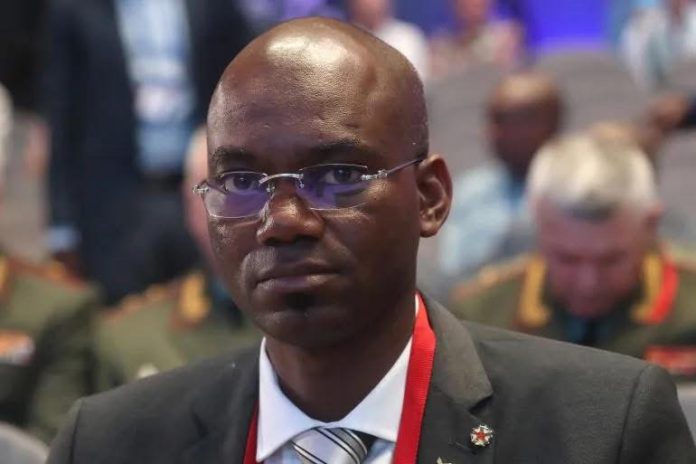
Apr 26(Jowhar) Wasiirkii Gaashaandhigga Maali, Janaraal Sadio Camara, ayaa lagu dilay weerar isku dubaridan oo ay fuliyeen kooxda Al-Qaacida xiriirka la leh (JNIM) iyo fallaagada Tuareg-ta oo maalintii Sabtida dalkaas ka bilowday.
Harris: Political violence doesn’t belong in a democracy
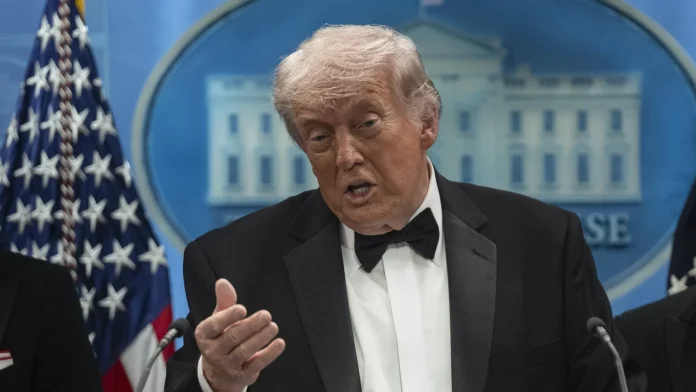
Night of Glass and Gasps: Washington’s Dinner That Turned the World Watching
It was an evening that had, until a single, terrifying moment, all the soft edges of an old ritual: tuxedos and tails, the whirr of cameras, the murmur of reporters swapping barbed jokes with politicians. The White House Correspondents’ Dinner has long been equal parts roast and refuge—a place where the fourth estate slips on its formal shoes and, for one night, pretends the cameras aren’t aimed at them.
Then a shot cut through the clink of crystal and the laughter. For a few surreal minutes, the hush that followed felt larger than the room itself—stretched thin by disbelief, then fear. Guests ducked under tables; servers froze with trays midair. Smartphones popped up, not to document the punchline but to summon help.
What Happened — The Facts as We Know Them
Authorities say the gunfire occurred at the annual event in Washington DC that President Donald Trump attended, and a suspect was quickly taken into custody. Remarkably, officials reported no physical injuries among the president, the First Lady, Vice-President JD Vance or attendees.
Less than 48 hours before Britain’s King Charles was due to arrive on a state visit, the incident sent a ripple through diplomatic and security circles. Teams on both sides of the Atlantic were reported to be coordinating closely to reassess and fortify protection arrangements for the royal party.
Immediate Reactions — From Dublin to Paris to London
Responses from political leaders were swift and solemn. Ireland’s Tánaiste Simon Harris posted on social media expressing relief that nobody was hurt and reiterating a simple truth: political violence has no place in a democracy.
French President Emmanuel Macron called the armed attack “unacceptable,” offering support for the president. In London, Prime Minister Keir Starmer described the scenes as shocking and said that any assault on democratic institutions or on a free press must be condemned in the strongest terms.
“It’s a huge relief that those present were not physically harmed,” a senior British official said during interviews, underscoring the delicate choreography now required to keep visiting dignitaries safe in the days ahead.
Voices from the Room
Out on the edge of the ballroom, where the catering staff hovers between the chandeliers and the crowd, stories stack up like folded napkins—small, sharp, and human.
“I was carrying a tray of canapés when everyone started to scream,” said Maria Alvarez, a server who has worked dozens of high-profile events in the capital. “People didn’t run toward the exits at first—some were just frozen. One gentleman helped a woman tie her shoe because she couldn’t bend. There was this odd kindness amid the terror.”
Jonathan Reed, a freelance photojournalist, described the moment his instincts overruled his profession. “You learn to capture the moment,” he said, voice tight. “But when it’s this close, you stop thinking about the story and only think about getting someone out. I left my camera on a chair. I didn’t care.”
Why This Feels Bigger Than a Single Incident
We live in an era where violence and spectacle often intersect. A political event that historically showcased the uneasy flirtation between politicians and the press has become, for some, a flashpoint of larger cultural and political tensions.
Security experts point out that attacks like this, even when non-lethal, reshape public life. “An incident in a high-profile setting is designed to do more than harm an individual—it’s intended to send a message,” said Dr. Leah Montgomery, a professor of security studies. “Whether that message is ideological, performative, or merely intended to terrify, it forces a reassessment of how we gather, how the press operates, and how democratic rituals continue.”
There are measurable consequences. After high-profile attacks, cities often see tightened security protocols, visible increases in armed police and changes to public access for weeks or months. The intangible impacts—on journalists’ sense of safety, on the willingness of citizens to attend public forums, on the tone of political discourse—can last much longer.
Press Freedom Under a Cloud
The venue that the shooting interrupted was not just a gala. It is a fixture in the relationship between government and media, a night that leans into satire to preserve the punch of scrutiny. To many journalists, the sight of a gun fired at such a place is a symbolic threat that resonates beyond the physical safety concerns.
“Journalism depends on the idea that we can ask hard questions,” said Naima Khan, an editor at a national daily. “When the space where we come together is attacked, it’s an attack on a way of doing our jobs. It’s chilling.”
Local Color: Washington at the Crossroads
Washington’s neighborhoods—Georgetown’s brick walks, the muted parks sloping toward the river—are often portrayed as outraged or solemn in the face of national events. On an evening like this, those familiar streets hum with extra security vans, with the chatter of advance teams, with neighbors consulting one another on what it all means for the city’s sense of normal.
“We were watching from a little bar, like everyone else in the city,” said Tom Harlow, who runs a bookstore near Dupont Circle. “When the news came through, people stopped browsing. The owner turned off the music. For a community that prides itself on being politically awake, it felt like a collective bite had been taken out of our calm.”
Questions That Stay with Us
As the dust settles, several questions loom. How will security protocols change for high-profile events in democracies that are already wrestling with strained civil liberties and a fraught political climate? What does an attack like this do to the fragile public confidence in the idea that disagreement can be contained within the rules of politics and debate?
We must also ask: how do we keep the press safe while preserving its proximity to power? And what welcome diminishing returns await if we retreat from public, unscripted encounters out of fear?
Looking Forward
For now, investigators will pore over evidence, and diplomats will recalibrate travel plans and protection details. Politicians will offer statements—words meant to steady the nerves of allies and citizens—and pundits will weigh motives and implications. But beyond the statements and the security briefings, an everyday truth remains: democracy is sustained by ordinary people showing up.
So here’s a direct question to you, the reader: how willing are we to defend the open rituals of our civic life when they become uncomfortable or unsafe? Are we prepared to fight for the messy, imperfect, often loud encounters that keep representative systems honest?
Tonight in Washington, no lives were lost. That fact is both a relief and a reminder. It is easier to mourn the idea of safety than the reality we must now collectively build anew. The hard work after a night like this isn’t just in the hands of security teams and politicians—it’s ours, too: to insist that disagreement stays lawful, that the press remains free, and that our public rituals survive without turning into fortified shows of fear.
Shots ring out at Philippine Senate as politician dodges ICC scrutiny
A Senate on Edge: Gunfire, a Fugitive Senator, and the Philippines’ Quiet Crisis
They say the city never sleeps, but on a humid midday in...
United Arab Emirates denies Israeli claim Netanyahu visited UAE
Night-time Diplomacy, Daylight Denials: A Gulf Mystery Unspools
On a warm Abu Dhabi evening, the city’s glass towers shimmered like a row of sentinels above...
Massive 800-drone Russian daytime assault kills six in Ukraine
Daylight Thunder: Ukraine Faces an Unprecedented Drone Barrage
On a bright spring morning that some residents remember for the smell of fresh bread and the...
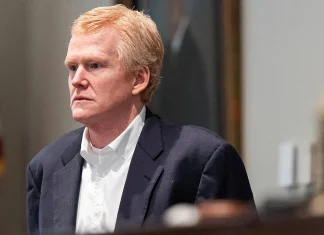
Retrial Set for U.S. Lawyer Convicted in Wife and Son Murders
When the Scales Waver: The Overturning of the Murdaugh Murder Conviction
There are moments when a courtroom ruling sounds less like a verdict and more...
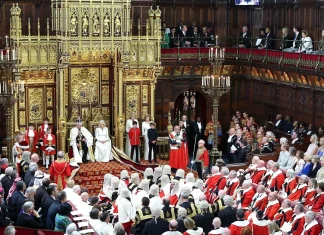
Corbyn says Starmer is unlikely to survive as prime minister
A Party at Sea: Why Corbyn Thinks Starmer’s Premiership May Not Last
There are moments in politics that feel less like a slow boil and...