


Aug 24 (Jowhar) Ra’iisul Wasaaraha Xukuumadda Jamhuuriyadda Federaalka Soomaaliya, Mudane Xamze Cabdi Barre, ayaa maanta u ambabaxay dalka Shiinaha.
Ukraine strikes cause fires at Russian nuclear facility
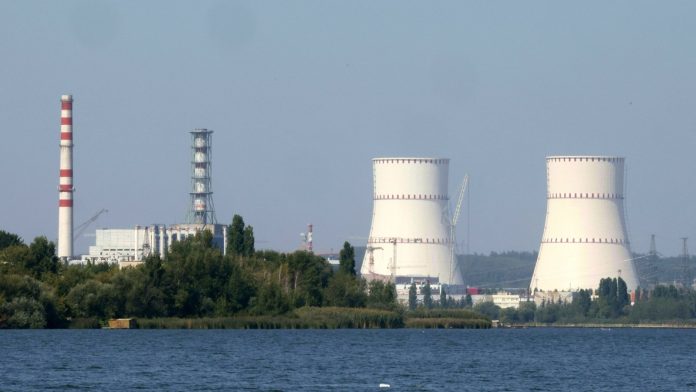
Under Fire: The Heavy Toll of Ukraine’s Daring Drone Strikes on Russian Soil
On a night charged with symbolism and defiance, Ukraine launched a series of bold drone attacks striking deep into Russian territory, rattling one of Russia’s largest nuclear power stations and igniting a massive blaze at a key fuel export terminal on the Baltic coast. Beneath the headlines and the thick plumes of smoke lies a story of a war that refuses to simmer down, even as leaders on both sides speak, cautiously, of peace.
The Unseen Front Line Beyond the Trenches
August 24th is a day wrapped in deep meaning for Ukrainians — marking their bold declaration of independence from the Soviet Union in 1991. But in 2023, the day also rang loud with the roar of drones overhead and the steady crackle of fire. Ukraine’s state-of-the-art unmanned aerial vehicles conducted a remarkable, coordinated assault on Russian infrastructure, proving that this conflict has morphed from the dusty trenches and artillery barrages of 20th-century warfare to a modern-day theater of cyber and aerial precision strikes.
According to the Russian Ministry of Defense, over 95 Ukrainian drones were intercepted across more than a dozen Russian regions that day — a staggering volume revealing both Ukraine’s tactical reach and Russia’s growing vulnerability. As night fell, one particular incident grabbed global attention: The Kursk nuclear power plant, located just 60 kilometers from Ukraine’s border, was caught in a deadly crossfire.
Kursk Nuclear Plant: A Brush with Disaster
At the heart of the incident was a drone that detonated near the plant just past midnight, triggering an auxiliary transformer fire that forced a dramatic 50% cutback in the output of reactor number three. “There were no injuries and radiation levels remain stable,” reassured plant officials, yet every word rang tense with the underlying reality — any damage to nuclear infrastructure could escalate into disaster.
To put this in perspective: Kursk is not just any power plant. It is a linchpin in Russia’s energy grid, supplying power across a vast swath of the western side of the country. Its reactors have become silent characters in this war drama — three down or offline due to damage or maintenance, and the one hit above now running at half capacity.
International eyes, including those of the International Atomic Energy Agency (IAEA), are unwaveringly fixed on this flashpoint. A spokesperson for the IAEA emphasized the critical imperative: “Every nuclear facility must be protected at all costs — not only for national security but for global safety.” The near miss at Kursk stirred fears not just in Russia or Ukraine, but worldwide, echoing haunting memories of past nuclear emergencies.
Flames on the Baltic: The Ust-Luga Terminal Attack
But Kursk was just the opening act that day. Nearly a thousand kilometers north, in Russia’s Leningrad region bordering the frost-kissed waters of the Gulf of Finland, Ukrainian drones rained down on the sprawling Ust-Luga fuel export terminal. This facility, operated by Novatek, is a critical artery in Russia’s energy exports, processing everything from naphtha to jet fuel — commodities destined for Asia and Europe alike.
Images and amateur video captured on Russian Telegram channels showed a drone careening directly into the complex. Moments later, flames erupted into the night sky, throwing up a towering black plume visible for miles. Alexander Drozdenko, the regional governor, conveyed grim urgency: “Firefighters and emergency crews are battling the blaze as we speak—no casualties have been reported.” Yet, the symbolism was unmistakable — Ukraine striking at the very economic veins fueling Russia’s war machine.
For locals, the scene was surreal and sobering. “The fire lit up the sky like daylight,” recounted Marina Petrova, a Leningrad resident. “You could smell the smoke even from kilometers away. It’s as if the war suddenly caught fire in our backyard.”
Ripples Across the Landscape: More Strikes and Disrupted Lives
Ust-Luga was not alone in feeling the impact. Farther south, Ukrainians targeted the industrial hub of Syzran in Samara region, hitting what officials say was either an oil refinery or a critical industrial site. The attack, which tragically injured a child according to the regional governor, disrupted vital energy production. Rosneft, Russia’s oil giant, reportedly had to halt operations following the damage.
These attacks, far beyond the dusty endless front lines, highlight an evolving war strategy: targeting logistical and infrastructure nodes rather than engaging in pitched battles alone. Kyiv views these strikes not as acts of aggression but as retaliatory and tactical moves to degrade Moscow’s military logistics and war-fueling economy.
The Wider War: A Drone-Centric Future?
What does this tell us about the nature of warfare today? For one, drones — once novelty tech — have become lethal tools reshaping conflict dynamics. They offer precision, agility, and a psychological edge. Ukrainian forces, despite being outmatched in many traditional areas, have harnessed these UAVs to penetrate deep into Russian territory. Their successes ignite debates about the future of defense, the sanctity of civilian infrastructure, and the bloody dance of war in global hotspots.
With 2,000 kilometers of contested front lines weaving through Eastern Europe, such strikes underscore a sobering reality: this is no frozen conflict. It is alive, shifting, and escalating — with innocent civilians often caught in the crossfire.
A Personal Reflection
As you absorb these developments, pause to consider the human stories behind the headlines. The engineers racing to contain nuclear fires. The firefighters thrown into night battles with terrifying blazes. The families shuttering windows to block out black smoke, wondering how many more strikes until the war truly feels endless.
What do these strikes reveal about resilience — not just of states, but of people? How do we reckon with the increasing militarization of technology and the peril it spells for nuclear sites and civilian hubs alike?
In an era where diplomacy talks quietly and drones roar loudly, Ukraine’s aerial strikes on the Kursk plant and Ust-Luga terminal echo far beyond territorial disputes. They challenge our collective conscience about war’s cost and the desperate yearning for peace in a fractured world.
In Conclusion
The night Ukraine’s drones darkened the Russian skies serves as a vivid reminder: conflict today is as much about control of skies and supply chains as it is about boots on the ground. For anyone tracing the pulse of this global crisis, the question remains—how long can fragile power plants and distant fuel terminals withstand the storms of war? And, most poignantly, when will the echoes of these drone strikes be replaced not by fire and smoke, but by silence and healing?
Mareykanka oo maraakiib Dagaal geeyay biyaha u dhow Venezuela

Aug 24 (Jowhar) Madaxweynaha Venezuela Nicolás Maduro ayaa si adag u cambaareeyay in Maraykanku uu sadex markab dagaal uu geeyay biyaha caalamiga ah ee u dhow xeebaha Venezuela.
Dhimasho iyo dhaawac ka dhashay qarax ka dhacay magaalada Muqdisho
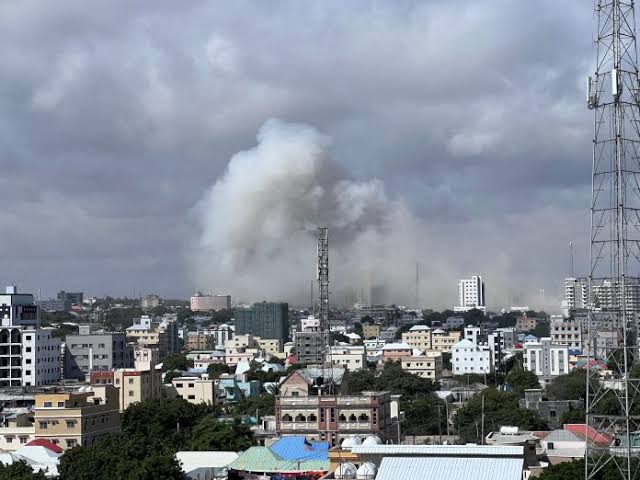
Aug 24 (Jowhar) Qarax miino ayaa saaka ka dhacay xaafada suuqa xoolaha, gaar ahaan meel ay ciidanka NISA ku leeyihiin barkontrol.
Lyle Menendez Refused Parole Years After US Killing

The Menendez Brothers: Denied Parole, and the Enduring Shadow of a Grisly Past
More than three decades after the chilling murders of José and Kitty Menendez in their lavish Beverly Hills estate, the legal saga gripping not just California but a global audience continues to unfold. Just a day after Erik Menendez’s parole denial, his older brother Lyle Menendez faced the same verdict—barred from freedom, forced to remain behind prison walls for at least three more years.
For many, this is a case frozen in time, the 1989 slayings sensationalized in headlines and dramatized on screens worldwide. But beneath this cold legal update lies a story as complex, raw, and human as ever—a story about family secrets, trauma, justice, and the shifting tides of societal awareness.
Fractured Brotherhood and Public Fascination
When the California Department of Corrections and Rehabilitation (CDCR) announced in a terse statement that Lyle Menendez was denied parole at his initial suitability hearing, it marked the latest chapter in a saga that resembles a Shakespearean tragedy, wrought with conflicting narratives and moral ambiguity.
“Joseph (Lyle) Menendez was denied parole for three years,” the department stated simply. Behind these clinical words lurks decades of pain, public obsession, and a movement for leniency fueled by evolving conversations around abuse and mental health.
The Menendez brothers—two names embedded in the American consciousness—have long been subjects of fascination. Netflix’s recent dramatic portrayal, Monsters: The Lyle and Erik Menendez Story, reignited a wave of discussions, bringing new audiences into the depths of the case. Documentaries have revisited the details—arguments, courtroom drama, their privileged upbringing, and the labyrinthine truth behind that fateful night three decades ago.
A Nightmare in Beverly Hills
Jose and Kitty Menendez were murdered in 1989 by their own sons, in a colossal betrayal that shocked a nation accustomed to sanitized celebrity crime stories. Prosecutors painted a cold, calculating picture: the brothers killed not out of desperation, but in a calculated attempt to seize a multimillion-dollar inheritance.
But the brothers’ defense has been a counter-narrative that challenges us to rethink notions of victimhood and justice in families riddled with abuse.
Initially, the brothers claimed the murders were a result of mob violence—a story quickly debunked. Then, through varying versions of their experience, they finally came clean in a harrowing confession made by Erik during therapy sessions: years of sexual and emotional abuse by their father, a secret so dark it beggared belief.
“We were trapped in a house built on fear and silence,” Lyle said in a recorded statement years ago. “Defense wasn’t just instinct; it was survival.”
Changing Tides: Culture, Awareness, and the Quest for Redemption
Prison years have done nothing to diminish public interest. If anything, they’ve shifted how we see Erik and Lyle. Once reviled as cold-blooded killers, a more sympathetic narrative has emerged, intertwined with the #MeToo movement and a broader reckoning over abuse.
“The Menendez case forces us to confront uncomfortable truths about family violence,” explains Dr. Bianca Ruiz, a sociologist specializing in trauma and justice. “It’s not a clear-cut case of right and wrong. It’s messy, heartbreaking, and deeply human.”
Theirs is a story where justice collides with mercy, where legal systems struggle to measure the scars invisible to the eye. The parole hearings, held separately and behind closed doors, are a testament to this complexity. The 11-hour sessions examined everything—from their current behavior to their reflections on the murders.
The Weight of Justice
Though the brothers’ initial sentences sentenced them to life without parole, a judicial resentencing earlier this year altered that trajectory. Now, after serving decades behind bars, they have the chance—however slim—at release following 50 years behind bars.
Yet parole denial underscores that justice still weighs heavily against them, despite shifting cultural perspectives and celebrity advocacy campaigns, including endorsements from figures like Kim Kardashian, who have spotlighted cases of alleged miscarriages of justice.
Joan Van der Molen, the late Kitty Menendez’s sister, who attended the hearings, voiced a poignant reminder: “This is more than just a story about two brothers. It’s about the lives destroyed that night. The consequences are real, and we must never forget the victims.”
Beyond the Headlines: What This Case Tells Us About Society
As you read this, consider the layers beneath the headline: What happens when privilege, pain, and repression intersect? How do we reconcile conflicting narratives within families and courts? And crucially, as society evolves, how do our concepts of punishment and forgiveness shift?
The Menendez brothers’ tale is more than a decade-old crime thriller; it’s a prism reflecting our own cultural evolution around trauma and justice. It poses challenging questions: Can trauma excuse violence? How do we balance legal accountability with compassion? What does justice truly mean when family betrayal is intertwined with abuse?
Millions of viewers, court watchers, and true-crime enthusiasts continue to debate these questions. And while the California panel has delivered its verdict against parole, the conversation they reignited seems far from over.
A Global Tale of Trauma, Family, and Justice
Whether you are in Los Angeles, London, Tokyo, or Nairobi, the story resonates. How we understand family, violence, and survival transcends borders. More than ever, as the global community grapples with systemic abuse and the aftershocks of trauma, the Menendez case invites us to hold space for the uncomfortable—recognizing that behind every headline lies human complexity.
The journey to understanding is seldom straightforward. For Lyle and Erik Menendez, freedom has been denied today, but the world’s gaze remains fixed on their story, pondering what justice looks like when past and present collide.
Do you believe trauma should lessen the severity of consequences? Or does justice demand an unforgiving reckoning? The Menendez brothers’ fate challenges us all to reflect—not just on their story—but on how we judge pain, survival, and the human capacity for forgiveness.
Siyaasiyiin Miisaan culus leh oo caawa isaga baxay Madasha Samatabixinta

Aug 23 (Jowhar)-Ra’iisul Wasaarihii hore Cumar Cabdirashiid, Guddoomiyeyaashi hore ee Baarlamaanka Shariif Xasan iyo Maxamed Mursal iyo Wasiirkii hore ee Warfaafinta Dahir Geelle ayaa caawa ku dhawaaqay inay iska casileen xubinnimada Madasha Samatabixinta.
EasyJet flight reverses course after man attempts to access cockpit

When the Skies Turn Turbulent: A Flight Interrupted by a Passenger’s Desperate Struggle
Imagine this: you settle into your seat, the hum of the engines lulls you gently as your airplane lifts off the runway, the cityscape of Lyon shrinking beneath the clouds.
You’re en route to Porto, Portugal—a trip that promises new adventures, a break from routine, or a reunion with loved ones. Suddenly, the sense of calm shatters.
A passenger, gripped by delirium, makes a desperate attempt to breach the cockpit’s sanctum—a place meant to be secure, beyond reach. The plane is forced to return, turning a simple journey into an anxious ordeal.
This unsettling scene unfolded late yesterday aboard EasyJet’s flight EJU4429, bound from Lyon-Saint Exupéry Airport to Porto. Less than minutes into the flight, what was to be a routine hop across Western Europe spiraled into a moment of crisis—one that not only disrupted schedules but underscored the fragile humanity behind air travel’s veneer of strict order and security.
A Sudden Crisis Above the Clouds
The incident started abruptly. According to French police reports and EasyJet’s official statement, a 26-year-old Portuguese man, suddenly succumbing to a state of delirium, tried to forcefully enter the cockpit. The isolation and pressure of his condition, compounded possibly by airsickness, turned into a dangerous confrontation onboard.
“It was like watching a nightmare unfold in real time,” said Claire Dubois, a fellow passenger who witnessed the event. “One moment everything was perfectly normal—people reading books, chatting quietly—and then the man just lost control. Others jumped in right away to try and restrain him, to prevent what could have been a terrible disaster.”
Indeed, the quick, composed reactions of passengers perhaps prevented a tragedy. Bound by a collective instinct to protect, several enabled the crew to regain order. After successfully subduing the distressed traveler, the pilots made a decisive move: return to Lyon for the passenger’s safety and the flight’s security.
Safety and Compassion in Lockstep
EasyJet’s spokesperson explained, “Upon identifying the passenger’s unusual behavior, the captain immediately informed air traffic control and prioritized the safety of everyone onboard by deciding to divert back to Lyon.” The flight touched down under the watchful eyes of police forces, who promptly removed the man for medical evaluation.
French authorities confirmed the passenger was diagnosed with delirium and airsickness, conditions that often intertwine in the pressurized atmosphere of commercial flights, particularly during stressful moments. Post-evaluation, he was admitted to a local hospital in Lyon, receiving expert care.
Dr. Marianne Leclerc, a specialist in travel-related health issues, offers insight: “Airsickness is more than just feeling queasy. In some individuals, the anxiety, the physical discomfort, and sometimes underlying health conditions can trigger acute confusion or delirium. It’s a reminder that health is complex, and air travel can uniquely challenge the mind and body.”
The Human Element Behind Aviation Security
This episode does more than recount a flight diversion; it peels back the layers on how airlines and passengers navigate not just turbulence but the unpredictability of human fragility.
Consider the strict regulations about who may enter the cockpit post-9/11, meant to safeguard not only passengers but the cockpit crew. Yet, behind these rules, empathy and quick thinking become vital when a passenger’s health—or sanity—is suddenly compromised. Airlines train their crews not only to operate aircraft but also to assess and manage emotional and psychological crises.
As EasyJet continued the journey to Porto after the passenger’s removal, other travelers expressed a mix of relief and lingering reflection. “It’s scary to think how fast things can change,” said Rui Fernandes, a native of Porto, on the same flight. “You trust the system, you trust the pilots, but this event was a stark reminder of everything that can happen when a person’s mind is overwhelmed.”
Connecting the Dots: Mental Health and Travel
Air travel, emblematic of modern global connectivity, also spotlights a growing conversation about mental health and accessibility. According to the World Health Organization, over 280 million people worldwide suffer from depression, anxiety, or related disorders—conditions that may worsen or surface during air travel stress. Delirium, while less common, can be precipitated by unique situational anxieties and physical stressors.
What might airlines and travelers learn from this? How can we collectively prepare not only our planes and airports but our minds for the journeys ahead? The incident in Lyon encourages dialogue about mental health first aid onboard, the role of medical screenings, and perhaps most importantly, the culture of compassion in travel.
Flight Delays and Human Stories
Flight disruptions make headlines, usually focused on inconvenienced schedules or economic costs. But behind every canceled flight or diversion is a deeply human story—of struggle, of medical emergencies, of heroism.
- EasyJet, one of Europe’s largest budget carriers, transports millions annually, making safe, compassionate responses to such incidents vital at scale.
- Flight crews undergo weekly training in emergency medical protocols to ensure readiness for unpredictable situations onboard.
- Passenger cooperation and quick action remain critical deterrents to potential crises escalating.
So, dear reader, the next time your plane jolts unexpectedly or your cabin-mate appears distressed, remember: the skies carry more than just physical luggage. They bear human emotions, vulnerabilities, and the quiet bravery of strangers united in fleeting camaraderie.
In Reflection: What Does This Tell Us About Travel—and Ourselves?
Does this event change your view of flying? Are airports and airlines doing enough to support passengers’ mental and physical health? Or is this another story urging us to glimpse beyond the headlines—to acknowledge the lived experiences hovering just below the surface?
In an era of rapid globalization, the health of travelers—both physical and psychological—must become part of the conversation. Air travel is no longer just a technological achievement but a human journey. And sometimes, those journeys require more than good weather and trained pilots—they require compassion, vigilance, and a profound awareness of our shared vulnerability.
As we board each flight, we become participants in a complex, fascinating dance of trust. What lessons can we take from the skies when reality tests our patience, our empathy, and our very resolve to connect?
From Lyon to Porto, a night disturbed by delirium became a quiet call to consciousness—reminding us all that behind every flight number, every ticket scanned, lies a human story worth telling and hearing.
Madixii Sirdoonka Milatariga Maraykanka oo shaqadii laga eryey
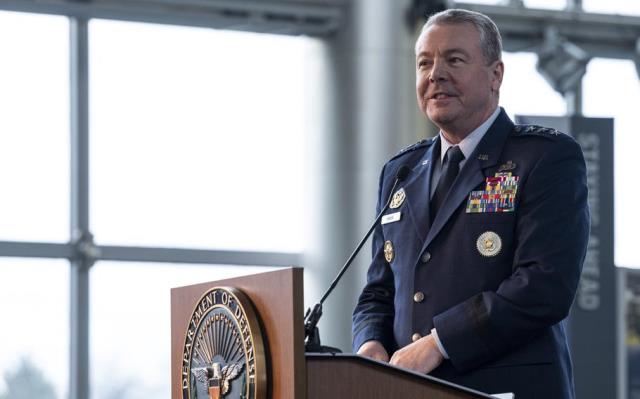
Aug 23 (Jowhar)-Xoghayaha Difaaca Maraykanka Pete Hegseth ayaa shaqada ka ceyriyay madaxii hay’adda sirdoonka ee Pentagon-ka Lt Gen Jeffery Kruse,
Zelensky Declares: “We Will Never Hand Over Our Land to Invaders”
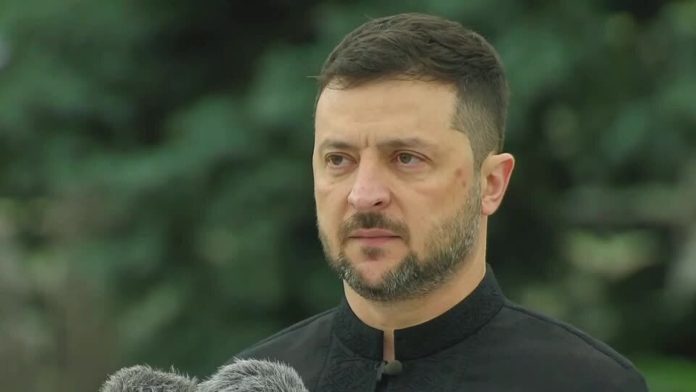
Under the Blue and Yellow Banner: Ukraine’s Unyielding Spirit in the Face of War
In the cool, crisp morning air of Lviv, the vivid blue and golden banner of Ukraine fluttered against a somber sky, a symbol of resilience and hope. The National Flag Day ceremony, held just days before Ukraine’s Independence Day, was not merely a ritual; it was a proclamation, a heartbeat of defiance echoing through streets scarred by conflict.
President Volodymyr Zelensky stood before the flag, voice steady but charged with emotion. “This flag is our goal and dream,” he declared, “for many Ukrainians living under the weight of occupation. They hold onto it tightly, because they know — we will not gift an inch of our land to an occupier.”
His words stirred memories of countless warriors—both men and women—who stand vigil in the trenches, the forests, and the battered towns, defending not just a patch of earth but the very soul of a nation. “This flag symbolizes what is dearest to hundreds of our defenders,” Zelensky said, “not just for Vovchansk, Dobropillia, or any one place, but for all of Ukraine.”
The Flag as More Than a Symbol
Beyond its colors, this flag is a story: of people displaced, of homes transformed into rubble, of unyielding tenacity. It whispers to those with roots stretched across the war-torn Donetsk and Luhansk regions, where fighting relentlessly ebbs and flows. “Every time I see it, I think about my family still living under occupation,” shared Maria, a teacher from Mariupol now resettled in Lviv. “It’s a promise that we’ll come back.”
In a country where millions have been uprooted, where neighborhoods turn ghostly silent after artillery barrages, this flag is a beacon — a signal that life and identity remain unbroken.
Diplomacy at a Crossroads: The Elusive Meeting that Could Shape a Nation’s Fate
In the shadow of the battlefield’s harsh realities, diplomacy remains an elusive hope. Zelensky has been calling for a face-to-face encounter with Vladimir Putin, insisting that a personal dialogue might be the key to unwinding the brutal knots of conflict. “Without a meeting, we are just talking past each other,” the Ukrainian leader claimed during recent interviews.
The Kremlin, however, retorts with bureaucratic coldness. “There is no agenda ready,” Russian Foreign Minister Sergey Lavrov stated flatly, dismissing suggestions of a meeting. “No meeting is planned.”
Meanwhile, the international community watches anxiously. Former U.S. President Donald Trump, who met Putin just last week in Alaska, has issued a formidable warning: Moscow faces a window of two weeks to commit seriously to peace efforts or endure potentially crippling sanctions. “I’ll make a very important decision,” Trump said with a hard edge, “and it could mean massive sanctions, or possibly nothing.”
This pressure underscores the stakes—not just for Ukraine and Russia, but for global stability. The world seems caught between hope and cynicism, waiting to see if diplomacy can outpace destruction.
Frontlines Shifting: The Grim Reality on the Ground
While leaders hash out terms behind closed doors, the firing line advances relentlessly. This morning, Russian forces announced the capture of two villages in the Donetsk region—Sredneye and Kleban-Byk—pushing ever closer to Kostiantynivka, a town crucial to Ukraine’s defensive logistics near Kramatorsk.
Such incremental gains come at a heavy cost. The fighting here is described by military analysts as “meter-by-meter,” with every inch won soaked in sacrifice.
“The advance is slow but steady,” explained Natalia Ivanova, a war correspondent embedded with Ukrainian forces. “You see it in the faces of soldiers—tired, but resolute. They know surrender is not an option, even though the price is high.”
Adding to the tension, Russia declared the capture of three villages in the Donetsk region, territory Moscow claimed to have annexed last September. These announcements are a grim reminder of the shifting frontlines, each territorial change reshaping lives and futures.
The Human Toll: Voices From the Shadows of War
Behind every strategic gain or loss lies a tapestry of human stories, often lost amidst statistics and headlines. Take Olena, a grandmother in Donetsk, who described watching her neighborhood transform into a no-man’s land.
“We buried my grandson in the cellar,” she said, tears welling. “But even as I grieve, I see the flag waving on the hill—the same one my son fought under. It says to me: keep going.”
Or consider Andriy, a young soldier recovering in a Kyiv hospital. “When I was at the front, that flag was the only thing reminding me what I’m fighting for. It’s not just land—it’s our right to live freely.”
The Flag as an Emblem of Resilience
In Ukraine, colors carry weight. The blue and yellow of the flag echo the vast skies and ripe fields—a poetic reminder of what the people cherish: peace, freedom, and fertility of the land.
“It is a symbol woven into our identity,” says historian Oksana Melnik. “To wave that flag is to say, ‘We are here. We endure.’ It transcends political boundaries and anchors the nation’s soul.”
A Global Reckoning: What Ukraine’s Fight Means for the World
Now, pause for a moment: What does Ukraine’s struggle mean for the rest of us? In an era of rising authoritarianism and fractured alliances, this conflict tests the resilience of international law, the spirit of sovereignty, and the meaning of self-determination.
Across continents, the war has ignited debates about global security, energy dependencies, and humanitarian responsibilities. The United Nations estimates that more than 8 million Ukrainians have been displaced inside and outside the country since the conflict began—a staggering human crisis reverberating worldwide.
And yet, this war is not just about geopolitics. It is about the indomitable will of a people who refuse to be erased.
Looking Forward: Holding the Line, Holding the Flag
As Ukraine marks its National Flag Day and looks toward Independence Day celebrations, the flag waves as a rallying cry—not merely a piece of cloth but a testament to endurance and hope.
Will the meeting between Zelensky and Putin ever come? Will Moscow heed the warnings of sanctions or continue grinding forward? The answers remain unwritten.
For now, Ukraine’s flag flies high—a vibrant patchwork of dreams and sacrifices, urging all who see it to remember that freedom is worth fighting for, no matter the cost.
And so, dear reader, ask yourself: in a world rife with division and uncertainty, what does it mean to stand firm and wave your own flag? What dreams and hopes will you hold onto, come what may?
Madaxweynihii u horeeyay oo taageeray Doorashada Guddoonka Baarlamaanka Waqooyi Bari

Aug 23 (Jowhar)-Madaxweynaha maamulka Galmudug, Mudane Axmed Cabdi Kaariye (Qoorqoor), ayaa noqday hoggaamiyihii ugu horreeyay ee hambalyo u diray guddoonka cusub ee Baarlamaanka Waqooyi Bari, ka dib doorashadii maanta ka dhacday Laascaanood.
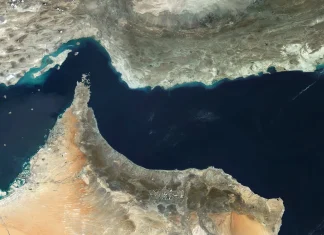
Second Turkish-owned vessel passes through the Strait of Hormuz
I’m missing the original news content you want rewritten. Could you paste the article or a link so I can accurately reimagine it?
If you...
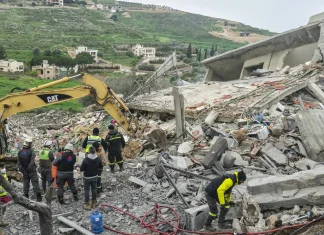
MP warns Israeli occupation in southern Lebanon has become ‘very dire’
In Southern Lebanon, Homes Become Frontlines — Voices from a Region Holding Its Breath
The sky over southern Lebanon has settled into a kind of...
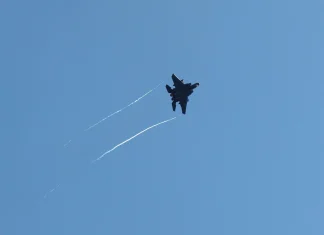
U.S. and Iran hunt for missing American pilot after warplane shot down
Skyfall: When the Night Became a Hunt — Two US Jets Downed, a Pilot Missing, and a Region Holding Its Breath
The Gulf night stank...
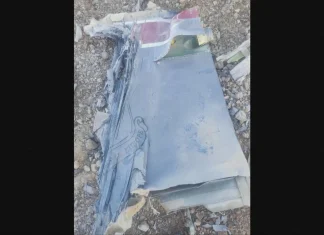
Live: US fighter jet shot down over Iranian airspace
When the Sky Broke: A Jet Falls and an Old Rivalry Reignites
The sun had not yet finished its climb when the news came in:...
US fighter jet downed by Iran; pilot reportedly rescued
Smoke over the desert: an American warplane falls, and a region holds its breath
There are moments when the desert seems to inhale, as if...