Home Blog Page 35

Noma Co-Founder Steps Down After Staff Abuse Allegations Surface

Noma restaurant co-founder steps down after abuse claims
René Redzepi said that he took responsibility for his actions

When the Temple of New Nordic Cuisine Faces Its Reckoning

On a gray Copenhagen morning, the quay where Noma first made its name feels both ordinary and charged. Fishing nets dry on nearby boats. Commuters hurry past, umbrellas snapping in the wind. But for more than two decades this stretch of harbor was also a destination for pilgrims—food lovers with passports, gastronomes clutching reservations, critics scribbling furiously. It was where René Redzepi turned foraged weeds, fermented seaweed and lonely grains into a vocabulary of taste that reshaped modern cooking.

And now, that glow is frayed.

The Fall and the Facts

Noma—an acronym from the Danish words nordisk and mad, “Nordic food”—opened in 2003 and, by many measures, rewrote what a restaurant could be. It closed in 2016, reopened in a new location in 2018, and collected a string of superlatives along the way: multiple times crowned the world’s best restaurant, an engine of culinary innovation and a classroom for chefs who would go on to open celebrated kitchens across the globe.

Last weekend, The New York Times published an account that has cast those laurels into shadow: 35 former employees were interviewed about behaviors and incidents at Noma between roughly 2009 and 2017, reporting episodes of physical intimidation, public shaming, and a culture of fear. In the days that followed, former employees and whistleblowers used social media to amplify those stories and to demand accountability.

René Redzepi, in an Instagram post many saw as a watershed, wrote: “After more than two decades of building and leading this restaurant, I’ve decided to step away.” He added, bluntly and unvarnished: “An apology is not enough; I take responsibility for my own actions.”

Voices from the Kitchen

Behind every report there are human voices—murmurs in the pastry station, late-night laughter tinged with anxiety, cooks who slept on couches because there wasn’t time to go home. “We were taught that excellence needs sacrifice,” a former line cook, who asked to remain unnamed, told me. “But it got darker than that. You’d see someone publicly berated for a mistake and the whole room would freeze. We learned to swallow pride and fear at the same time.”

Jason Ignacio White, who led Noma’s fermentation lab for several years, began posting accounts on Instagram last month, describing what he and others saw. “Noma is not a story of innovation. It is a story of a maniac that would breed culture of fear, abuse & exploitation,” he wrote—an incendiary assessment that crystallized the anger many ex-staffers felt.

At the Los Angeles pop-up this week—meant to be a celebratory showcase of Noma’s work—former employees organized a protest. “It felt surreal,” said an LA-based diner who watched the demonstration. “People came not because they hate the food, but because they want truth. They want systems that protect people in the kitchen.”

More Than a Personality Problem

This moment is not simply about one person’s temper. It is about the architecture of power in high-end kitchens, a place where rigid hierarchies, extreme stress and hero worship can combine dangerously. For decades, the myth of the tyrannical chef—brilliant, tempestuous, indispensable—was almost a genre unto itself.

“We’ve romanticized brutality,” said a labor researcher based in Copenhagen. “We treat stories of harsh discipline as rite-of-passage lore: you survive, you become great. But what gets lost is the cost—that people leave the industry, that trauma accumulates, that abuse is normalized.”

And this cost is not theoretical. Anecdotal reporting, industry surveys and workplace studies over recent years point to persistent problems in hospitality: long, unpredictable hours, precarious contracts, and power imbalances that leave younger staff vulnerable. The #MeToo movement in the culinary world exposed similar patterns, and this latest chapter at Noma feels like part of a larger, global reckoning.

What Changed—and What Didn’t

Redzepi has acknowledged failings before. In a 2015 reflective essay he admitted to losing his temper and even called himself a bully for parts of his career. Since then, Noma instituted training and policies aimed at transforming workplace culture, he and others have said. But many former staffers, and some who still admire the restaurant’s work, argue that formal changes cannot erase what was lived.

“You can write policies, you can hire consultants, but culture is embodied behavior,” said a Copenhagen-based chef who trained at Noma and asked not to be named. “If people learned that they had to perform fear to be taken seriously, that won’t disappear with a handbook.”

Paths Forward: Accountability, Repair, Reform

If this scandal teaches us anything, it is that reform must be both structural and personal. Apologies matter, but systems must be reset. That means stronger protections for workers, clearer reporting channels, and cultural shifts that decouple creativity from cruelty.

  • Transparent complaints processes—anonymous, independent, and with real consequences.
  • Unionization and collective bargaining rights for culinary and hospitality workers so power isn’t concentrated.
  • Mandatory leadership and bystander training focused on emotional intelligence and workplace safety.
  • Public accountability from institutions and funders that elevate culinary leaders—awards, festivals, and critics included.

“Real change needs muscle and patience,” an organizational consultant who has worked with restaurants told me. “It will be messy. But institutions that want to survive must prioritize human dignity as fiercely as they pursue flavor.”

Beyond Copenhagen: A Global Question

Why should anyone beyond Denmark care? Because Noma is not merely a restaurant; it is a node in a global network of culinary exchange. Chefs trained there lead kitchens in New York, Tokyo, São Paulo and beyond. The values transmitted within its walls travel—technique, ethos, and yes, behaviors. When a flagship institution falters ethically, the ripples extend.

What do we expect from our cultural icons? Do we allow brilliance to overshadow harm? The answers are being rewritten in real time—in courtrooms, in social media feeds, at picket lines outside pop-ups that once felt like theatrical stages. Those questions should make us uncomfortable; discomfort fuels change.

Where Do We Go From Here?

René Redzepi’s decision to step down is both an ending and a test. Endings invite truth-telling, but they also require follow-through. To prevent future harm, the culinary world must transform the habits that allowed that harm in the first place.

As for the diners, the students, the cooks still in the line—what will you demand? What will you tolerate? The stories of flavor we celebrate are only as valuable as the lives lived to create them.

Walking away from the harbor, I pass a small stall selling smørrebrød. The bread is ordinary, the butter generous, the pickled herring familiar. Food can be simple and humane. It can nourish without cost. That, perhaps, is the lesson many hope Noma’s next chapter will finally embrace.
Conflict in Iran nears two-week mark as both sides entrench

Both sides dig in as war in Iran approaches two-week mark
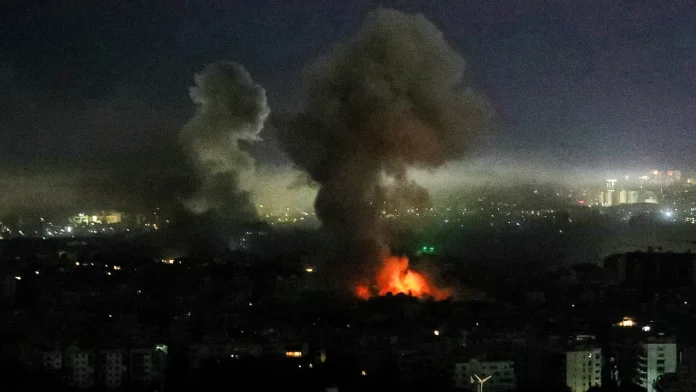
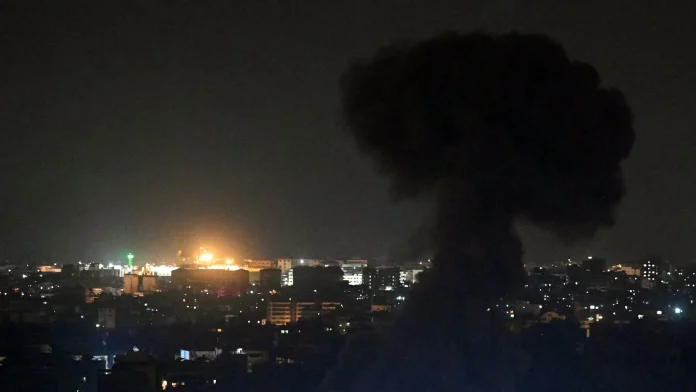
Smoke rises from the site of an Israeli airstrike that targeted an area in Beirut's southern suburbs, Lebanon

Two Weeks of Fire: How a Middle East War Is Reshaping Lives, Markets and Minds

By the time I reached the edge of a city that felt part ghost town, part fortress, I could already hear the war in the way people moved — a hurried, careful tread, as if every step might be the last ordinary thing they do that day.

What began as a cascade of missiles and strikes has, in less than a fortnight, stretched beyond battle lines to touch supermarket aisles, trading screens and living rooms across continents. Governments spin defiance like armor; civilians shoulder uncertainty like a blanket. The death toll climbs above 2,000, economies shiver, and a shipping chokepoint known as the Strait of Hormuz — where roughly 20% of the world’s oil normally transits — has become a geopolitical fault line.

Voices from the capitals

On state television, Iran’s newly installed supreme authority delivered a terse, recorded vow: to keep the Hormuz closed and to strike anyone who hosts U.S. bases on their soil. “We will not neglect avenging the blood of your martyrs,” the message declared — an unmistakable promise of persistence rather than surrender.

From Jerusalem, Prime Minister Benjamin Netanyahu took questions over a grainy video link, his tone clipped and strategic. “I will not detail the actions we are taking,” he said, but did not deny that Israel’s long-term aim was to topple Iran’s ruling structure — and that outside help could hasten change from within. “But we can definitely help and we are helping,” he added.

In Washington, the language was different but the mood similar: triumph and calculation braided together. President Donald Trump, asserting that the U.S. and Israel had “won the war,” framed rising oil prices as a benefit to American energy producers. “The United States is the largest oil producer in the world,” he wrote on social media. “When oil prices go up, we make a lot of money.”

Not everyone agreed. “Talking about profit in the middle of funerals is obscene,” Jessica Morales, a policy analyst with a global humanitarian NGO, told me. “People are dying. Families are shattered. The calculus needs to center on lives, not balance sheets.”

On the ground: markets, ports and neighborhoods

The economic reverberations have been immediate. Oil shot up roughly 9% to around $100 a barrel on renewed fears that Hormuz could remain closed for an extended period. In response, a consortium of developed nations announced an extraordinary release of 400 million barrels from strategic reserves — an attempt to steady global supply — yet traders remained nervous.

U.S. equities reacted as well: the S&P 500 recorded its sharpest three-day percentage drop in a month, reflecting investor jitters that this will not be a short, contained flare-up.

At sea, the violence has been stark and cinematic. Two tankers in Basra smoldered after suspected explosive-laden boats struck them; earlier in the week, three other vessels had been hit in the Gulf. Iran’s Revolutionary Guards claimed at least one of those assaults. A Thai bulk carrier burned; another container ship reported damage near the UAE.

“The sound was like a thunderclap,” said Omar, a port worker who watched a tanker burn from the shore in Basra. “We tried to pull survivors from the water. It’s not the kind of thing you forget.”

Lives under curfew

Inside Iran’s cities, security forces are highly visible: checkpoints, patrols, and the slow-moving columns of armored vehicles. “Security forces are everywhere, more than before,” Majan, a 35-year-old teacher from Tehran, told me by phone. “People are afraid to come out, but supermarkets are open; life goes on in small ways.”

That “small ways” detail is a thread you see again and again — the baker who keeps baking, the mother who still lines up for baby formula, the teenager who goes to the roof to listen for drones. Public mourning mixes with private calculation: some celebrated the death of Iran’s former supreme leader at the start of hostilities, while others, fearful of reprisals, keep dissent muted.

Meanwhile in Lebanon, the conflict has taken a terrible toll: nearly 700 people reported killed as Israel pursues strikes targeting Hezbollah positions, including in central Beirut. Thousands of residents have been ordered from southern neighborhoods in what officials describe as tactical steps to weaken the Iran-backed group.

Collateral and calculation

There is growing anger over civilian casualties. U.S. lawmakers asked for clarity after reports of a strike that killed dozens of children at a girls’ school in Iran. “When you have mass civilian deaths, you can’t hide behind ambiguity,” said Representative Alana Hughes, a Democrat. “We need a full accounting — and a plan for what comes next.”

But no one in the U.S. administration has provided a public estimate of how long the fighting might last or what reconstruction would look like, a vacuum that has only magnified political tensions at home.

Broader implications: energy, alliances and the new normal

Beyond the immediate carnage lies a cascade of long-term questions. How long before global energy markets adjust? Can supply chains that depend on a perilous chokepoint be diversified fast enough? Will regional alliances harden into new blocs, and how will countries that host foreign bases weigh their sovereignty against the risk of becoming targets?

“This is a wake-up call,” said Dr. Leila Farouqi, an energy strategist based in Dubai. “For decades, markets priced in a level of geopolitical risk. Now the calculus has to include persistent disruption scenarios. Companies and governments will have to plan for oil at $120, $150, maybe more, if the Strait remains unsafe.”

Even the language of warfare has shifted. Drones have been reported over Kuwait, Iraq, the UAE, Bahrain and Oman — a new, diffuse geography of conflict that undermines claims of having knocked out Iran’s long-range arsenal. Precision strikes, proxy skirmishes, and cyberattacks have rendered the battlefield both physical and virtual.

What does victory look like?

Each government frames an end-state differently. Israel talks about dismantling a hostile regime’s reach; Iran speaks of economic shock to force foreign withdrawal; the United States mixes hard power with strategic messaging. But for the people whose lives are interrupted, victory is simpler and more human: safe streets, consistent fuel supply, and funerals that can be held without sirens cutting them short.

Ask yourself: what would you accept as an end to this conflict? Is there a price you’d refuse to pay in the name of strategic advantage? These are not abstract questions when a port burns or when a child’s school is a target.

Small acts, big hearts

Amid the rhetoric and the statistics, small human things persist: volunteers in Beirut stuffing food packages into trunks; Tehran bakers handing out loaves to those who cannot pay; oil traders ringing phones in late-night rooms as they try to price not only barrels but human consequences.

“We are not numbers,” said Farah, a nurse I met near a field hospital. “We are people who want to live. If that sounds naive, then so be it. I will be naive until the lights go out.”

In the days ahead, expect more heat and more noise. Expect markets to test new highs and new lows, and expect families on both sides of the conflict to keep counting the cost in ways that cannot be summed in press briefings or shareholder reports. History will judge the strategists. For now, the world watches, waits, and hopes for something that looks like peace.

US Labels Strike on Girls’ School a ‘Targeting Error’ in Footage

Watch: Strike on girls' school a 'targeting error' - US

The Mistake That Tore a Community Apart

On a quiet morning that should have been ordinary — the kind of morning when parents tighten scarves, pour sweet black tea into small glass cups, and send their daughters off to class with a kiss on the forehead — a strike hit a girls’ primary school in Iran and changed a neighborhood forever.

A preliminary U.S. military report now says the strike was the result of a targeting error: investigators concluded that the coordinates used were outdated. The blast killed at least 175 people, a number that stubbornly refuses to feel abstract when you picture small shoes lined up in hallways and backpacks still hanging from hooks.

At the scene: a city with a wound

In the days after the explosion, the neighborhood was transformed into a place of slow-motion mourning. Mothers clustered under the shade of a mulberry tree, men stood in small circles rubbing their faces as if to wake from a nightmare, and shopkeepers in the nearby bazaar draped their awnings with black cloth.

“They were learning their letters,” said Zahra, 42, a neighbor who runs a corner tea stall and watched the children pass every morning. “I poured tea for the teacher every week. The voices are what I miss most. You never think the sound of small feet can be taken like that.”

Rescue workers combed through the rubble for hours. The smell of dust and smoke lingered for days. A teacher, her clothes stained with dust and grief, told a visiting reporter, “We were finishing a poem about spring. The book still lies open on the floor. How do you explain spring to a child who won’t come back?”

What the report says — and what it doesn’t

The U.S. military’s preliminary findings center on a failure of geolocation: the coordinates used to authorize the strike, investigators say, were not current, and that mismatch led to a tragic mis-targeting. Officials described the discovery in blunt terms — an error in the information that feeds the weapons system.

“Preliminary inquiries indicate the strike resulted from outdated targeting data,” said a U.S. defense official familiar with the probe, speaking on condition of anonymity. “We are devastated by the loss of innocent life and are conducting a full review of our procedures.”

But the report is only preliminary. It leaves many questions unanswered: who provided the coordinates, how were they approved, and what checks failed to catch the discrepancy? And perhaps most crucially for families who lost children, will there be accountability and redress?

Voices from the ground and the corridors of power

The political response has been immediate and fraught. U.S. leaders have publicly disputed responsibility even as investigators looked into the mechanics of the strike. Donald Trump — who has repeatedly denied U.S. responsibility — called the claims “false” on social media, echoing a pattern of public pushback that complicates a transparent reckoning.

“Denials don’t stop the counting of the dead,” countered Dr. Leyla Amiri, an Iranian human-rights lawyer. “What families need is not rhetoric but recognition, access to information, and reparations where appropriate. A preliminary report cannot be the last word.”

For locals, the human cost is front and center. “My daughter wanted to be a teacher,” said Reza, 58, whose niece was among the victims. “She would have grown old in that school. Now the walls remember more than the classroom.” His voice broke and then steadied. “They must tell us why.”

Why these mistakes happen

Modern conflict is wired: satellites, drones, encrypted communications, and fast-moving intelligence feed decisions made in seconds. Yet technology is not infallible. Outdated coordinates, human error in data entry, miscommunication across chains of command — any of these can unspool into catastrophe.

Experts note a worrying trend. “Precision munitions reduce some kinds of error but create a false sense of omniscience,” said Dr. Amir Sadeghi, a conflict analyst who has studied targeting mistakes in asymmetric warfare. “If you believe your map is perfect, you may lower your guard on verification steps. But maps are only as good as the latest survey.”

United Nations data over recent years has consistently shown that civilians — and children in particular — make up a growing share of casualties in many conflicts. Exact numbers vary by theater, but the human reality is stark: the places children inhabit — schools, markets, homes — are being touched by violence in ways once unimaginable.

Local color: a community stitched together by routine

The school itself was an everyday kind of institution: faded posters of the national alphabet, little desks carved with pencil hearts, a patch of courtyard where kids chased each other between classes. It served not only as a place of learning but as a social hub where families met after prayers, where birthdays were celebrated with flatbreads and honey.

“After evening prayers, women would sit on the steps and exchange recipes,” recalled Fatemeh, who taught kindergarten for 15 years. “Now the steps are empty. You can hear the mullah’s voice from the mosque, but the rhythm of the street has shifted. When a school is taken from a neighborhood, the neighborhood’s pulse changes.”

Questions that linger — and what they mean for the world

What does accountability look like in an era when military power can strike across borders with such precision — and sometimes such error? How do societies rebuild the trust necessary for children to return to classrooms? And what obligations do the states and institutions that wield force have toward reparations and transparency?

These questions matter globally. They reach beyond one neighborhood or one embattled region. They touch on international law, the ethics of remote warfare, and the daily realities of families trying to live ordinary lives in extraordinary times.

After the headlines: the long work of repair

Reconstruction here will not be only about concrete. It will be about memory and ritual: reopening the school, creating a memorial with the names of the lost, counseling survivors, and restoring trust between families and the institutions meant to protect them.

“We want a place where children can come back without fear,” said a city council member. “We want transparency. We want those responsible to answer.” His words were steady, deliberate — an inventory of needs more than an expression of fury.

What can you do — and what should we demand?

As readers watching from afar, what should we ask of our governments and international bodies? Demand independent investigations. Insist on humane rules of engagement. Support organizations that document civilian harm and provide relief. And, perhaps most importantly, humanize those who are too often reduced to numbers.

Because behind every statistic — like the tragic tally of at least 175 killed here — there are breakfasts skipped, poems unfinished, and futures rerouted. The question before us is not only who made the mistake, but how we prevent it from happening again.

Will the preliminary report be a turning point toward accountability and better safeguards — or a footnote in a headline cycle? The answer will shape how communities, nations, and the international system confront the unbearable price of error in war.

Lebanon Faces Rising Death Toll and Widespread Displacement Amid Conflict

Lebanese face more death, displacement in latest war
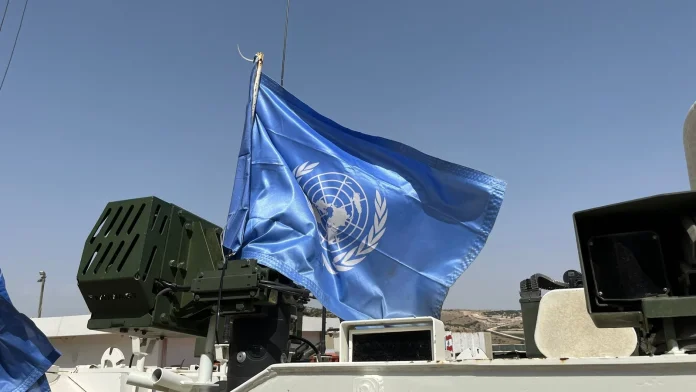
The UNIFIL flag is used on all installations, vehicles and checkpoints, signifying peacekeepers from various countries carrying out their duties in Lebanon

The country of Lebanon is currently facing a dire situation as conflict continues to escalate, leading to a rising death toll and widespread displacement among its citizens. The ongoing violence has caused immense suffering and devastation, with many innocent people caught in the crossfire.

Armed suspect and security officer exchange gunfire at Michigan synagogue

Gunman, security exchange fire at Michigan synagogue
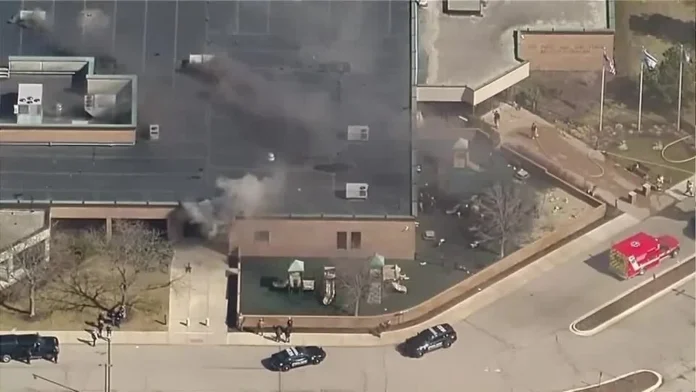
Aerial news footage from over the Temple Israel Synagogue in West Bloomfield showed plumes of smoke rising from the roof of the building

Gunfire at a Suburban Synagogue: Smoke, Sirens and a Community on Edge

Just after dusk on a quiet stretch of Orchard Lake Road, the ordinary suburban hum of West Bloomfield—coffee shops closing, kids finishing homework, a woman walking her dog—was ripped apart by the staccato crack of gunfire and the keening chorus of sirens.

By the time neighbors poured onto their porches, a plume of smoke had already threaded the sky above Temple Israel, a modest stone-and-glass building that has sheltered worship, weddings and Shabbat dinners for decades. Flashing lights painted the snow-dusted lawns red and blue. Officers fanned out. The scene felt, for many, unbearably close to home.

What Happened

Oakland County Sheriff Michael Bouchard told reporters that at least one person approached the synagogue and was met by on-site security, who exchanged gunfire with the assailant.

“At least one individual came to the temple,” he said. “Security saw him, engaged him in gunfire.”

The sheriff added that no one inside the building had been confirmed injured at the time he spoke, though the shooter “potentially” sustained harm. Law enforcement did not yet have the person in custody and were investigating whether more than one assailant was involved.

CNN, citing a law enforcement source, reported the suspect was dead; federal authorities, including the FBI’s Detroit Field Office, were among the agencies assisting on the scene. Local outlets also showed images of a vehicle apparently driven into the synagogue and a small fire on the building’s exterior.

The Jewish Federation of Detroit issued an immediate advisory: agencies were in precautionary lockdown and community members were urged to stay away from the area.

Voices on the Street

“It felt like a movie,” said Miriam Katz, a retiree who lives two blocks from Temple Israel and arrived within minutes. “I ran out in my slippers—your heart doesn’t know what to do. You want to help but you are terrified. I can still smell the smoke.”

A volunteer who asked not to be named described the scene inside the temple before the alarm. “We were closing up after a meeting. Some people had already left. Those of us who stayed were told to shelter in rooms, lock doors, and stay quiet. The security guard moved fast—he saved lives tonight, I truly believe that.”

Gov. Gretchen Whitmer, speaking from Lansing, said, “This is heartbreaking. Michigan’s Jewish community should be able to live and practice their faith in peace. Anti-Semitism and violence have no place in Michigan.” Her office pledged state assistance and support for local law enforcement.

“We’d been preparing,” Sheriff Bouchard later said, his voice low with both fatigue and resolve. “We’ve been talking for two weeks about the potential, sadly, of this happening. So there was no lack of preparation. All Jewish facilities in the area are going to have a lot of extra presence around it until we figure this out.”

Neighbors, Rituals, and the Geography of Safety

West Bloomfield sits on the northwest rim of Detroit’s metropolitan sprawl—a place of strip malls and synagogues, of bagel shops whose owners know the names of rabbinical leaders, where the Jewish community is woven into local commerce and schools. On Sundays, the farmers’ market draws a mixed crowd; on Fridays, the synagogue’s parking lot can be full by evening.

“This place is part of our fabric,” said Daniel Rosen, who runs a kosher deli a mile from the temple. “People drop by after services. Kids here grow up with bar mitzvahs, Hebrew school, mitzvah projects. You don’t expect to see smoke from the synagogue at night.”

There was a visible presence from community rituals even after the shooting—vehicles with mezuzot on their doorposts, a folded yarmulke placed on a mailbox as an improvised symbol of solidarity. Volunteers at a nearby community center began organizing meals for first responders and for families displaced by the lockdowns.

Context: A Time of Heightened Fear

This incident arrives amid an already-tense national backdrop. Authorities say they had been on heightened alert since the U.S.-Israeli conflict with Iran intensified nearly two weeks ago—an escalation that has been felt far beyond diplomatic channels.

Experts have long warned that foreign conflicts can produce reverberations at home, inflaming domestic actors and amplifying violent rhetoric online. “We’re seeing a dangerous convergence,” said Dr. Leila Mahmoudi, a scholar of extremism and digital disinformation. “International crises create openings for lone attackers and small groups to act on impulses that are nourished by online ecosystems—hate, conspiracy, calls to violence.”

Data from civil rights organizations and federal reports consistently show that Jewish communities in the U.S. have been disproportionately targeted in religiously motivated hate crimes. While figures fluctuate year to year, watchdog groups say spikes often track global flashpoints in the Middle East; synagogues, schools and community centers become both symbolic and literal targets.

Who Responded?

  • Local law enforcement: Oakland County Sheriff’s Office and West Bloomfield police
  • Michigan State Police and the Governor’s office coordinating state resources
  • Federal agencies: FBI Detroit Field Office assisting the scene
  • Community organizations: Jewish Federation of Detroit placing agencies on lockdown

What This Means for Communities and Policing

There are immediate, practical ripples—more armed security at houses of worship, cancelled events, and a renewed urgency among Jewish institutions to reassess safety plans. “We can’t live in a fortress,” Rabbi Aaron Lichtman said in a later interview. “But we also can’t pretend daffodils and doors will stop bullets. We have to balance welcome with vigilance.”

Security experts advocate layered protection: trained personnel, surveillance, community watch programs, and close coordination with local and federal law enforcement. “The ideal is a layered, community-centered approach,” said Elena Morales, a security consultant who has advised faith communities across the country. “One guard can matter. But the architecture of safety needs community awareness, hardening of access points, and trust with police.”

A Wider Conversation

What do we owe each other in moments like this? How do communities hold grief and fear without retreating into isolation? How do democracies protect freedom of worship while confronting the very real risks of targeted violence?

Those questions are not theoretical for the families who gather at Temple Israel on Friday nights. They shaped telephone calls to friends, plans to drive children to services for months to come, decisions to double-check safety plans at all neighborhood institutions—mosques, churches, temples, and schools.

“We’re not looking for pity,” said Miriam Katz, the neighbor. “Just peace. The right to light candles and sing without thinking about whether someone’s coming to hurt us.”

What to Watch Next

Investigators are piecing together motive, the suspect’s background, and whether this was an isolated act or part of something larger. Federal authorities will lead parts of the probe given the possible civil rights implications and the suspected vehicle-ramming element.

Officials have urged restraint in the rush to narrate the event. Rumors breed fear. Verified information, they say, must come from law enforcement channels and the Jewish Federation, which is serving as a community hub for real-time updates and counseling resources.

For now, the neighborhood remains split between shock and defiance. Gardens that once played host to Shabbat dinners are now staging areas for grief and mutual aid. People leave notes of thanks for first responders on the synagogue gate. Strangers bring coffee to volunteers. A young man lays a small bouquet at the curb with a Post-it: “We stand with you.”

Closing — An Invitation to Reflect

This is a story of a community that nearly became a scene from a national tragedy—and of people who, in the minutes and hours that followed, chose to show up for one another. It asks us to consider how we guard both the body and the soul of communal life.

What would you do if your place of worship were threatened? How can neighbors, officials, and technology companies better collaborate to reduce the chances of these flashpoints becoming tragedies? When a global conflict reaches our local streets, what lines do we draw—and how do we hold them?

Tonight, West Bloomfield sleeps a little more guardedly. But in the small of the night, beneath the smoke and the headlines, a community remembers its rituals, its neighbors, and the fragile, fierce work of staying open in a world that often asks us to close.

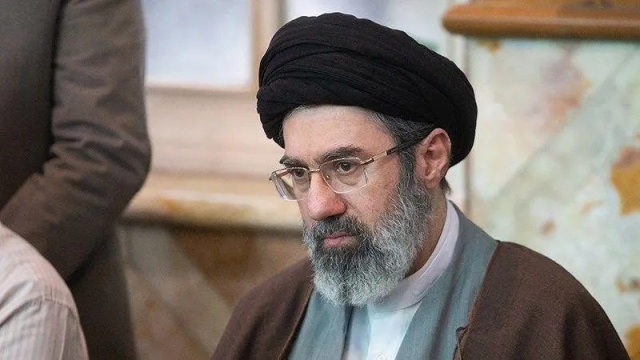
Mojtaba Khamenei;”Waa in la xiro saldhiyada Maraykanka ee Khaliijka”

Mar 12(Jowhar)-Hogaamiyaha cusub ee Iran Mojtaba Khamenei,  ayaa uga digay Mareykanka inuu si deg deg ah u xiro saldhigyada Khaliijka, haddii kale uu la kulmi doono weeraro kale, fariintiisii ​​ugu horeysay tan iyo markii uu xukunka la wareegay.

UN Says War Has Displaced Up to 3.2 Million People in Iran

Up to 3.2m people in Iran displaced by war - UN
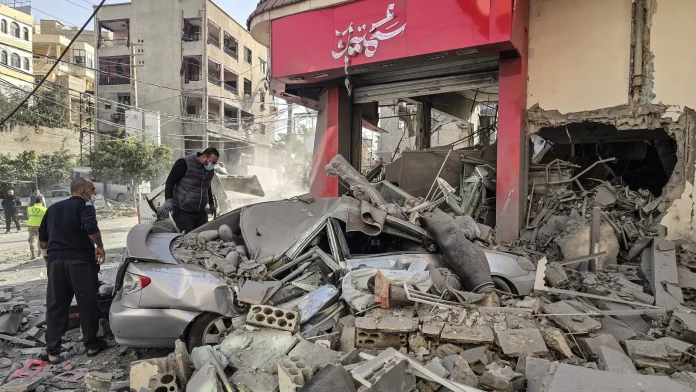
The aftermath of Israeli airstrikes on the southern Lebanese city of Tyre

Flames on the Water, Families on the Move: A Region Unraveling

From the Basra shoreline the other night, the sea looked like a molten answer to a question nobody wanted. Two tankers burned in the Gulf, enormous orange tongues licking at black smoke that turned the sky jaundiced. Local fishermen, who have read the tides and the weather like scripture for generations, stood on the quay and watched in silence — a silence that felt, in the bone, like a forewarning.

“I’ve seen fires at sea before, but nothing like this,” said Hassan, a 54-year-old fisherman whose hands still smelled of diesel and sea. “When the flames reached the waterline, we all felt smaller. My son asked if we might have to leave Basra like my grandfather left during the war. I didn’t know how to answer him.”

Displacement: A Human Tide Swells

For humanitarian agencies, the images are more than dramatic headlines. The UN refugee agency now estimates that up to 3.2 million people inside Iran have been displaced since the conflict escalated nearly two weeks ago — a staggering number that reads like a number of a crisis from another era.

“This is an initial estimate, and it’s a tragic one,” a UNHCR spokesperson told me, voice low over the phone. “Household surveys and field reports show whole neighborhoods uprooted. That figure will likely climb as fighting continues and access to some areas remains restricted.”

Put another way: in a country where cities can host entire extended families under one roof, the ripple effects of displacement reach into schools, clinics and the informal labor markets that sustain millions. Children are the most fragile threads in this tapestry — UNICEF reports more than 1,100 children have been killed or injured since the fighting accelerated. Hospitals report pediatric wards filling with anxious families; teachers try to salvage learning in the backrooms of community centers.

The Maritime Shock: Energy Choked, Markets Jittery

On land, the human drama is plain. At sea, the crisis has become a chokehold on global energy flows. After President Trump declared the conflict effectively over — and then pledged the United States had “virtually destroyed Iran” — a different reality surfaced: drone sightings and attacks across the Gulf and into the Arabian Peninsula, tankers ablaze, and a new calculus for insurers and shipping lines.

Oil prices, which dipped briefly after the announcement of a coordinated release of reserves by the International Energy Agency, have rallied past $100 a barrel. The IEA said its member countries would release 400 million barrels from strategic stocks — nearly half of that from the United States — in what it called the biggest coordinated intervention in recent decades. But as analysts pointed out, even a release of that scale would cover only about three weeks of supply through the Strait of Hormuz if the waterway remained impassable.

“Strategic reserves are a blunt instrument,” explained Dr. Anjali Rao, an energy policy analyst in London. “They can alleviate the immediate supply crunch, but they don’t change the underlying risk to the shipping lanes or repair the pipelines and refineries that can be damaged in a prolonged conflict. Markets are responding not just to barrels but to uncertainty.”

Banking, Business and Everyday Disruption

The ripple goes beyond oil. Citibank temporarily closed its branches in the United Arab Emirates; HSBC announced branch closures in Qatar. Iran’s Revolutionary Guards’ statement that it considered banks legitimate targets — and its warning that people should stay away — sent a current of fear through cities that had been hubs for international commerce.

“We had customers come today asking what would happen if the bank closed for weeks,” said Leila, a branch manager in Dubai who had moved to the UAE from Tehran a decade ago. “People keep asking the same question: How long will this last? No one has an answer.”

Violence Spreads: From Ports to Border Towns

The attacks are not limited to tankers. Drones and explosive-laden boats have struck vessels near Iraq and the United Arab Emirates. Images filmed from the shore at Basra and verified by Reuters showed the scale of the devastation. Iraqi authorities said the vessels had been hit by explosive-packed boats; at least one crew member was reported killed. Earlier in the day, a Thai bulk carrier was set ablaze, a strike claimed by Iran’s Revolutionary Guards, who accused the ship of ignoring orders.

Across the Levant, the map of confrontation widens. Hezbollah in Lebanon launched a heavy rocket barrage into northern Israel, provoking new orders from Israel’s defense ministry to expand operations. “If Lebanon’s government cannot stop Hezbollah, we will act ourselves,” Defense Minister Israel Katz warned in a terse statement, underlining how local actors are being drawn deeper into a conflict that threatens regional stability.

What Are the Stakes? Beyond the Headlines

Look up from any list of statistics and you see the same human contours: mothers searching for milk, traders unable to finish contracts, a tanker crewman who won’t board a ship to feed his family. The violence is being fought with new tools — drones, cyber webs, asymmetric maritime tactics — but the costs feel ancient: displacement, lost livelihoods, the slow grinding down of normal life.

“What we’re watching is not just military escalation,” said Professor Omar Haddad, an expert in Middle Eastern security. “It’s the weaponization of commerce. When ports, banks and shipping lanes become legitimate targets, the ordinary economic interdependence that kept this region connected for decades is being deliberately frayed.”

Iran’s leadership, according to its military spokespeople, has signaled a strategy to create a sustained economic shock to force political concessions — a chilling admission that civilians and global markets are now instruments of war. Tehran warned it could close the Strait of Hormuz and has said it will not negotiate with the United States while attacks continue. Global oil flows — nearly a third of seaborne crude transits the Hormuz choke point in calmer times — are suddenly in peril.

Human Stories, Global Reflections

Back in Basra, the fishermen began to gather wood to light small fires on their boats, more as warmth than signal. A woman selling tea at the harbor, who declined to give her name for fear of retribution, brewed cup after cup and offered one to me. “It feels like the world is watching us as a spectacle,” she said, stirring sugar into the tea. “But no one asks what we will eat if the ships don’t come, if the oil keeps burning.”

Her words lingered. They ask of us a difficult question: how do we respond when infrastructure, markets and politics collide to displace families and unsettle an entire region? Is the global community equipped to supply not just oil but shelter, medicine and the patience required to rebuild lives?

Where Do We Go From Here?

There are no simple answers. Diplomatic channels hum with activity, strategic stocks move, war rooms convene. Yet the immediate, human needs press: shelter for the displaced, protection for civilians near ports and pipelines, safe corridors for aid. The world can turn the taps of oil policy and money markets, but it cannot instantly plug the social ruptures.

So I ask you, as a reader watching this from elsewhere in the world: how does your country’s policy meet this moment? What responsibility do citizens have when global supply chains and geopolitics bend toward war? And perhaps most urgently, how do we keep the stories of people like Hassan and the tea seller alive in our public conversations?

When the fires at Basra dim and the hulls are cooled, the true reckoning will begin: how to stitch back livelihoods, reopen lanes of commerce without turning them into instruments of threat, and keep families in their homes. Until then, the Gulf will keep sending up plumes of smoke that cut not just the sky, but the fragile threads that bind all of us to one another.

Iran oo diiday xabad joojin ay soo jeediyeen Mareykanka iyo xulufadiisa

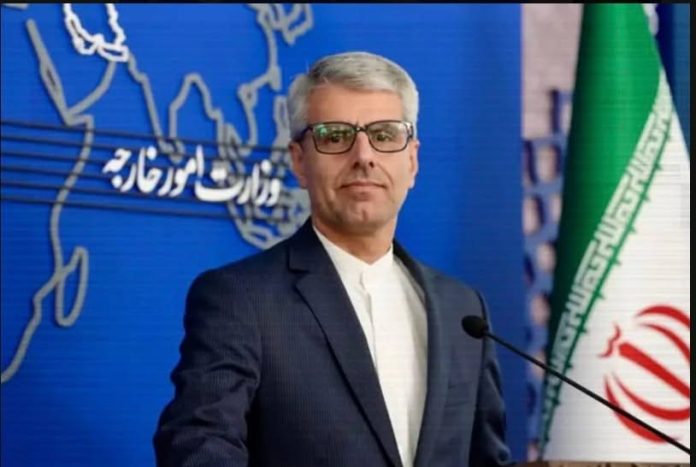
Mar 12(Jowhar)-Afhayeenka Wasaaradda Arrimaha Dibadda ee Iran ayaa sheegay in Tehran aysan aqbali doonin in dhinacyada ka soo horjeeda ay bilaabaan dagaal markay doonaan kadibna ay dalbadaan xabbad-joojin markay doonaan.

Russia Reports Constructive, Fruitful Talks With US Officials

Russia holds 'productive' talks with US
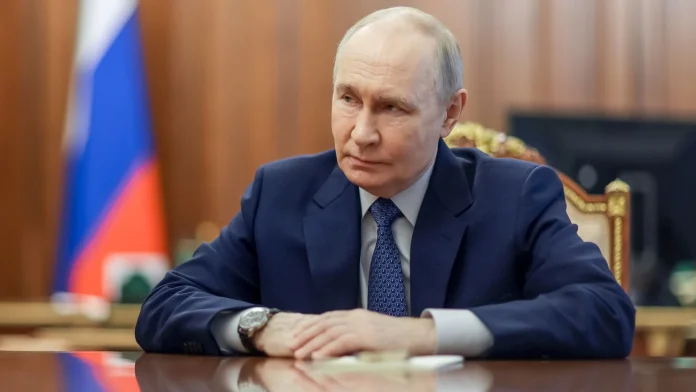
Vladimir Putin told Donald Trump on Monday that Russia wanted to be 'helpful' in relation to the Middle East war

When Oil Diplomacy Meets a Child’s Funeral: Florida Talks and a Ukrainian Village

On a polished terrace in Florida this week, men in suits traded guarded smiles and careful phrases about oil and stability. Far away, in a small town in northern Ukraine, a mother staggered through smoke and splintered glass to find that her 15‑year‑old daughter would not come home.

That jarring contrast — the chessboard of high finance and the raw, merciless arithmetic of war — is the story behind two headlines that arrived on the same newswire: a rare meeting between Russian and American emissaries, and a Russian strike that killed a teenage girl in Menska. Together they feel like two sides of the same global coin: one side reckoning with markets and influence, the other with loss and ruin.

Who met whom — and why it matters

The talks in Florida brought together figures close to both capitals. Kirill Dmitriev, an envoy connected to the Kremlin, described the conversations as “productive” after meeting U.S. representatives including a presidential envoy and senior White House advisers. U.S. participants said the teams discussed a range of issues — from energy flows to the fragile architecture of post‑war diplomacy — and agreed to keep lines of communication open.

“We had a candid, businesslike exchange,” a U.S. official who asked not to be named told me. “This wasn’t theater. It was about making sure global markets don’t fracture and that there are contingency plans if conflict escalates.”

To understand why such a meeting would be staged on U.S. soil — and why it would include discussions of oil — you have to rewind to 2022, when Russia’s full‑scale invasion of Ukraine sent shockwaves through world markets and prompted a raft of sanctions aimed at choking the Kremlin’s access to hard currency. For many nations, those sanctions were, and remain, a moral and strategic lever. For markets, they have been a source of constant pressure.

Now, as war in the Middle East reopened the page on energy volatility, officials in Washington quietly eased some restrictions on Russian oil to relieve upward pressure on global prices. The move was pragmatic, and some would say uncomfortable: geopolitics and human rights have rarely sat easily beside the imperatives of keeping gasoline pumps and heating systems supplied.

“They’re beginning to see the math” — what Russia wants

“Many countries are finally recognizing the central role of Russian oil and gas in stabilizing the global economy,” Dmitriev wrote on social media after the meeting. His tone — a mix of triumph and justification — underscored Moscow’s longstanding argument that sanctions are self‑harmful to the global system.

An energy analyst in London, Dr. Leila Hassan, put it this way: “You can ideologically oppose a regime, but the world still needs hydrocarbons. When supply tightens because of conflict, every market becomes connected. U.S. policymakers are balancing sanctions policy with the real risk of price spikes that hurt consumers everywhere.”

Before the 2022 invasion, Russia was among the largest global producers of oil and natural gas — supplying a substantial slice of the world’s energy needs. While flows and buyer lists have shifted since then, the lapse of sanctions in key corridors can ripple quickly through the price chain, relieving some pressure in the short term while raising thorny questions about leverage and long‑term policy coherence.

A 15-year-old life lost in Menska

And yet, while diplomats discuss barrels and markets, families are burying children. In northern Ukraine’s Menska, emergency responders woke residents early with sirens and the smell of burning timber. Two apartment blocks were gutted by the strike, windows blown outward, walls caked with soot.

“Her name was Katya,” a neighbor said, her voice raw. “She loved to sing in the school choir. We heard the explosion and ran. There was a hole where the house had been. She was still warm. I couldn’t believe it.” Her hands trembled as she spoke.

Local officials confirmed that a 15‑year‑old girl was killed and her parents were injured. The municipal council described the attack as “cynical” — a word that threaded through social feeds and neighborhood chatter like a ribbon of disbelief.

For the people of Menska, the larger chess game of sanctions and bargaining feels distant and irrelevant. “They talk about markets in big rooms,” said a volunteer firefighter who helped pull people from rubble. “We talk about how to get hot water back and who will walk the kids to school. It is all the same war, but from different rooms.”

Diplomacy strained by a war elsewhere

These events unfolded amid wider diplomatic attempts to negotiate a three‑party deal that had been faltering even before the new violence in the Middle East. U.S. pressure to get the parties back to the table has been relentless, but the theater of conflict — whether in Gaza, Ukraine, or beyond — has a habit of derailing the very conversations meant to stop it.

“Negotiations are fragile. They are easily knocked off course by surprise escalations,” said a former peace negotiator who has served in multilateral talks. “When one crisis erupts, all attention and leverage can shift. That leaves civilians — people like the family in Menska — even more exposed.”

What should readers take from this?

There are no tidy lessons here, only tensions that tug at common sense: economic pragmatism versus moral posture; the temptation to prioritize immediate price stability over long‑term pressure on a belligerent state; the persistent gap between boardroom diplomacy and the realities on the ground in war zones.

Ask yourself: would you rather pay more for energy today in order to keep pressure on an aggressor, or stabilize prices now and risk weakening sanctions? That’s not a hypothetical for many governments; it’s a daily calculus complicated by family budgets, election cycles, and humanitarian impulses.

  • Short term: easing restrictions can lower prices and avert immediate shortages.
  • Long term: continued reliance on the very revenues that fund conflict raises moral and strategic questions.

People, not policy papers

In the end, this story is about people. A dozen diplomats can meet in Florida and talk about contracts and contingencies, but their words are metered against the ash and grief in Menska. A teenage choir member who loved to sing is a measure of the human cost that cannot be captured by tonnage figures or market indexes.

“We were always taught to be proud of our nation,” a teacher from Menska told me. “But now I wonder what it means to be proud when our children are being buried.” Her question is a quiet one, but it hangs heavy in the air.

If there is a way forward, it will require more than stunt meetings and temporary market fixes. It will require sustained diplomacy, honest public debate about the tradeoffs of sanctions, and renewed efforts to protect civilians. It will require asking hard questions about responsibility and resilience.

Will the lines of communication opened in Florida become a bridge to de‑escalation — or merely another corridor used when the world freezes in panic and thaws into pragmatic arrangements? Will the memory of a child in Menska become a footnote in geopolitical calculus, or a spark that reorients policy toward protecting lives first?

For now, the world watches two scenes at once: polished negotiations under the Florida sun, and a village mourning under a grey northern sky. They are undeniably connected. The choices made in the halls of power ripple outward, and they return as headlines, funerals, and the quiet, stubborn work of rebuilding what war has broken.

Burning tankers near Iraq as Iran’s strikes undermine Trump’s claims

Trump and Iran signal no quick end to war
Smoke rises over Beirut's southern suburb of Dahieh following Israeli air strikes

When the Sea Caught Fire: A Gulf in Flames and the World Holding Its Breath

The sky above a quiet strip of water turned orange with flame, not sunset. Two oil tankers — hulks of metal that for years had simply threaded commerce through the Gulf — burned in Iraqi waters as crews scrambled, alarms screamed and a region already frayed by decades of tension felt the rope tighten around its throat.

It was not a single, isolated strike. In the space of days, attacks spread across ports, storage tanks and merchant shipping. Maritime reports and port officials described projectiles hitting three merchant vessels; rescue crews pulled survivors from blackened decks while one crew member was declared dead. Naval and security analysts described the incidents as part of an escalating campaign that has already shifted markets, politics and the daily lives of people from Basra to Bahrain.

The Fire’s Echo: Numbers and Narratives

International agencies have begun to tally the toll. The joint operation that began almost two weeks ago — air strikes attributed to US and Israeli forces — is being reported as having killed roughly 2,000 people, while UNICEF warns that more than 1,100 children have been killed or injured in the crossfire. Those figures sit like cold stones on a map that until now many in the west saw through the filter of price charts and policy briefs.

“We are watching not just ships burn, but the scaffolding of stability,” said Tony Sycamore, a market analyst at IG. “This is precisely the kind of shock that can turn a local conflict into a global economic crisis.”

Oil, Politics and the $200 Threat

Energy markets reacted before diplomats could finish their statements. The International Energy Agency — a coalition of major oil-consuming nations — recommended an unprecedented release of 400 million barrels from strategic reserves in an attempt to steady what officials called “one of the worst fuel shocks since the 1970s.” The United States then announced it would release 172 million barrels from its Strategic Petroleum Reserve.

From Tehran, the message was stark and deliberate. “Get ready for oil to be $200 a barrel,” a spokesperson for Iran’s military command warned, tying the price directly to regional security. Whether that grim prediction comes to pass depends on many variables: shipping lanes, the resilience of refining capacity, and whether markets believe the release of reserves will be a temporary balm or a structural change.

At a campaign-style rally in Kentucky, President Donald Trump declared that “the United States has won the war,” adding in a line meant for domestic audiences: “We don’t want to leave early, do we? We got to finish the job.” For voters deciding on midterm ballots, such declarations are both a promise and a provocation.

Where the World Meets a Narrow Strait

Geography has a habit of deciding history. The Strait of Hormuz — a 21-mile-wide choke point hugging the Iranian coast — funnels roughly one-fifth of the world’s seaborne oil. When boats that carry the lifeblood of global industry cannot pass, the ripple effects are immediate: higher pump prices, jittery currencies, and shipping routes that stretch around continents adding days and millions of dollars to every voyage.

Iranian authorities have warned that the Straits are “undoubtedly” under their control. The G7 has discussed escorting merchant ships as an option; in response, Tehran said such moves would be provocative. Mines have reportedly been deployed in the channel, complicating transit and putting at risk the seamen and dockworkers whose lives depend on the steady hum of commerce.

“When that water closes, everything else does too — food, medicines, wages,” said Aisha al-Salman, a fisherwoman from a small village near Basra. “We can handle storms, but not the man-made kind.”

People in the Middle of a Price Graph

Behind every barrel added to a strategic reserve is a life affected by its scarcity. Pump prices are climbing. Shipping insurers are hiking premiums. Families in port cities feel the squeeze as transportation costs ripple through markets. For hospital administrators in Basra and Muharraq, the present means preparing for a surge: fuel shortages can cripple generators, slow ambulances, and make cold storage unreliable.

In Bahrain, authorities reported an attack on fuel tanks at a facility in Muharraq, one of the island kingdom’s industrial linchpins. An interior ministry official described the strike as “targeted,” a calculated blow meant to signal reach and resolve. An aid worker in Manama, who asked not to be named for safety reasons, said, “We are moving supplies at night now. People queue for diesel as if it is a luxury.”

Voices from the Shore — Official and Otherwise

“This appears to mark a direct and forceful Iranian response to the IEA’s overnight announcement,” Sycamore observed, connecting the dots between markets and missiles. A veteran port official in Umm Qasr described the smell of burned fuel that hangs over the docks: “It smells like money burning,” he said, with a bitter laugh.

The US State Department has warned that Iran and allied militias may plan to target US-owned oil infrastructure and hotels frequented by Americans, while US military statements claim dozens of Iranian naval vessels have been neutralized in recent exchanges. Iran, in turn, has vowed to respond to threats to its ports and commercial centers by recalibrating targets across the region.

What Comes Next — A Cost Beyond Calculations

Ask yourself: how much of your life is priced in barrels? The immediate question is market stability. Will the release of strategic reserves cool prices? Can naval escorts restore safe passage through Hormuz? The longer, harder question is what this sort of conflict does to trade norms, to the rules that say a tanker should cross a channel unmolested and a child should be safe in school.

Diplomats talk about “de-escalation” and “channels of communication.” Ground-level actors — dockworkers, merchants, nurses — talk about coping. “We used to plan for the weekend,” said Karim, a truck driver in Basra. “Now we plan for whether there will be fuel.”

There are broader currents here, too: the world’s dependence on fossil fuels, the fragility of global supply chains, and the speed at which geopolitical shocks translate into daily hardship. How many times have we been shocked into this same pattern — conflict, price spike, temporary release, rinse and repeat — before reconsidering the structures that make such shocks so devastating?

Choices Ahead

  • Can coordinated release of reserves truly bridge a strategic disruption, or only delay a structural reckoning?
  • Will maritime escorts or mine clearance be enough to reopen Hormuz safely?
  • How will communities on the Gulf shores, already resilient, be protected from a conflict that indiscriminately raises the cost of living?

There are no tidy answers. There are only people lighting lamps in blackouts, captains rerouting their ships and children whose futures have been interrupted by a war-of-sorts that began far from their playgrounds. As diplomats exchange terse statements and analysts redraw scenarios, the Gulf burns a little brighter on the world’s television screens and a lot darker in the lives of those who live there.

Watch the horizon. Ask your leaders which costs they will accept, and which they refuse. Because when sea lanes close, the consequences wash up in places you might not expect — and sometimes in people who did not make the choices that set this conflagration alight.

US limits rights settlements for transgender students

U.S. moves to curb settlement agreements safeguarding transgender students’ rights

0
The Quiet Undoing: What the Education Department’s Move Means for Transgender Students On a sunlit playground in Sacramento a few weeks ago, a small cluster...
Artemis crew flies further than humans have gone before

Artemis astronauts reach farthest distance ever traveled by humans

0
When Humankind Stretched a Little Further There are moments that feel like they belong to everyone at once: a sudden hush, a collective intake of...
Australia's most decorated soldier on war crimes charges

Australia’s most decorated veteran charged with alleged war crimes

0
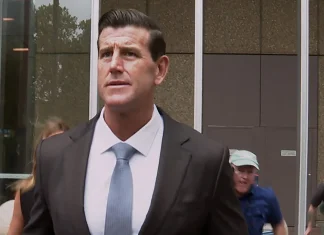
A nation holds its breath: the arrest of Australia’s most decorated soldier The sharp, fluorescent glare of Sydney Airport’s arrivals hall softened into a different...
Israeli military tells people in Iran to avoid trains

Israel’s military warns Iranians to avoid using train services

0
When a Warning Crosses Borders: The Night Phones Told Iranians to Avoid Trains It was a warm evening in Tehran — the kind where the...
Iran defiant on eve of Trump's ceasefire deadline

Iran Refuses to Back Down as Trump’s Ceasefire Deadline Looms

0
The Midnight Deadline: A Strait, a Threat, and a World Holding Its Breath By the time dawn bled pale over the Persian Gulf, a strange...