

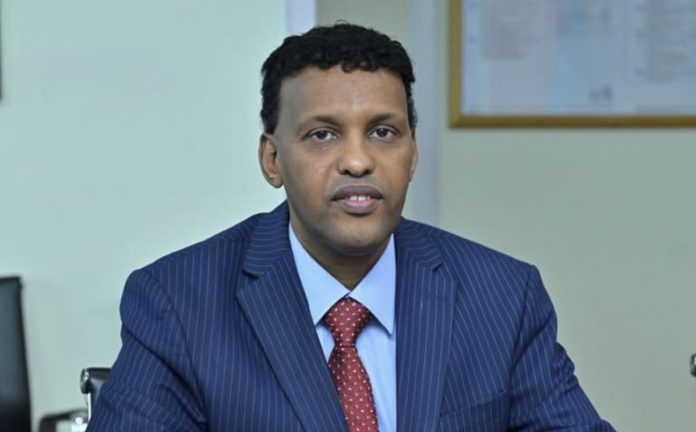
Apr 16(Jowhar) Danjiraha Soomaaliya u fadhiya dalka Itoobiya, Cabdullaahi Warfaa, ayaa si kulul uga digay faragelin shisheeye oo lagu sameeyo arrimaha gudaha ee Soomaaliya. Waxa uu safiirku si toos ah fariin ugu dirayay Israel.
Investigation into bomb threat at U.S. home of Pope Leo’s brother
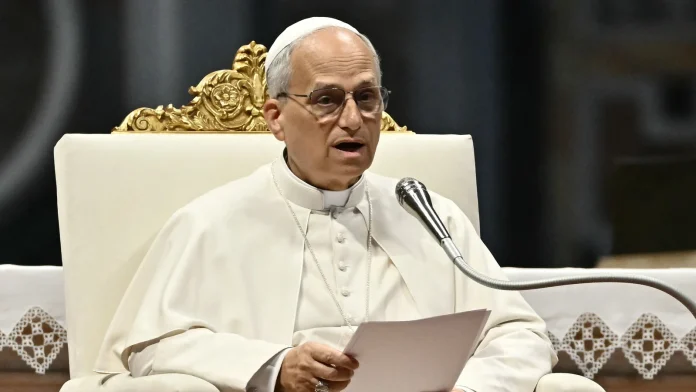
When Sirens Cut Through a Quiet Street: A Night of Fear on the Pope’s Brother’s Block
Last evening, as the sun sank behind the flat-topped roofs of New Lenox, a small town on the fringe of Chicago’s sprawl, an ordinary suburban street became the scene of an anxious, almost cinematic police response. Neighbors stepped onto lawns in slippers, clutching phone screens, while patrol cars threaded headlights through maple shadows: a bomb threat had been phoned in to the home of John Prevost — one of the brothers of Pope Leo XIV.
The mood was not rabid panic so much as a grainy, stunned disbelief. This is a place of barbershops, a Polish bakery that still folds dough by hand, and wide porches where folks wave to each other at dusk. “You never expect to hear sirens for something like this,” said Maria Kowalski, who’s lived two doors down for 18 years. “We worry about ice on the roads, not about bombs.”
A careful sweep, and a sober finding
Police sealed off the immediate area, asking residents to step back while bomb technicians and investigators made a methodical sweep. After hours of searching, officials concluded there were no explosives and no hazardous materials. The threat was unsubstantiated — but that finding did not erase the flurry of questions about motive, origin, or timing.
“We treat every threat as credible until proven otherwise,” said Lt. Daniel Herrera, who led operations that night. “The safety of residents is our first priority. Fortunately, there was nothing dangerous found on the premises.”
Investigators said they were continuing to trace the source of the false report. In an era of easily amplified messages — some honest mistakes, others deliberate provocation — tracking the genesis of a hoax can be as important as the physical search itself.
Politics, Piety, and a Pope from Chicago
At the center of this small-town drama is a family that suddenly occupies a large, global stage. Pope Leo XIV, born in the Chicago area and now leader of an estimated 1.3–1.4 billion Catholics worldwide, has been vocally critical of recent military actions in the Middle East. His rhetoric has been unusually sharp: in public appearances abroad, he has denounced the diversion of vast sums to warfare while communities suffer.
That moral clarity has made him a lightning rod. Back home, a chorus of praise and condemnation has followed. National political figures, including former President Donald Trump, have publicly derided the pontiff’s stance, calling him too liberal and “weak on crime,” while simultaneously praising certain family members who align politically with them.
John Prevost’s house sits on the same street that police cited when they initially reported the location tied to the threat. He is one of several siblings who have been pulled into the glare of public scrutiny because of their brother’s prominence. “This kind of attention isn’t something we asked for,” said Louis Prevost, who lives in Florida and has been mentioned favorably by some pro-MAGA commentators. “We’re ordinary people with a lot of ordinary worries.”
Neighbors, clergy, and the pulse of the parish
At St. Martin’s, the parish two miles away where several Prevost family members once attended, Father Andres Molina spoke with a mix of sorrow and resolve. “Our faith teaches us to pray for peace, but also to act responsibly toward one another,” he said. “Threats like this hurt families and communities regardless of whom they are aimed at.”
In a city with a deep Catholic heritage — neighborhoods where Polish, Irish, Mexican and Filipino communities find their rituals and rhythms — the news rippled. “Chicago raised him,” said Rosemarie Delgado, who runs the Polish bakery that has been on the corner longer than most of the town’s council members. “People here feel like they know the family. When something like this happens, it feels personal.”
Threats, Misinformation, and the New Normal
This incident is not an isolated quirk. Around the world, public figures — especially those who cross spiritual and political lines — have seen threats increase, whether anonymous calls, menacing letters, or coordinated online harassment. Security professionals warn that in polarized climates, symbolic acts of intimidation can be as damaging as actual violence.
“A hoax bomb threat functions the way an angry tweet does: it creates disruption, fear, and the sense that public life is unsafe,” said Olivia Kim, a security analyst who consults for religious institutions. “Even when there is no device, the emotional and material costs are real: evacuations, lost work, trauma for children.”
Ask yourself: how does a society balance robust debate with the safety of those who speak out? How do we protect families who share a name or a street with public figures without shutting down civic conversation?
What the facts can tell us — and what they can’t
Some context helps frame the immediate fears. The Catholic Church’s global reach is massive — over a billion adherents — and its leader’s comments carry weight across continents. Tensions over foreign policy can ignite passions domestically, especially when leaders criticize military priorities and question alliances or strategies.
But beyond the headlines and hashtags, there are everyday lives. In New Lenox, children went to bed shaken; for some elderly residents, the night’s sirens revived memories of other eras of anxiety. “I remember the Cold War drills,” said 78-year-old Harold Jensen, a retired teacher. “We were taught to duck under our desks. Tonight, we watched our phones.”
Aftermath and a wider reflection
In the hours after the all-clear, life resumed its suburban cadence. Mowers hummed again. Traffic lights held their steady amber pulses. But the conversation lingers: about the safety of loved ones, the responsibilities of public speech, and the thin line between criticism and intimidation.
“We can disagree vehemently without endangering one another,” Father Molina told parishioners on Sunday, his voice both weary and steady. “Church leaders should be free to speak conscience. Citizens should never be targets for that courage.”
The investigation into who made the call and why will continue. For now, the community has done what small towns often do: pull together, swap casseroles, and keep a watchful eye on one another. “We’re shaken,” Maria Kowalski said, “but we’re not broken.”
Questions for readers
- How should communities protect private citizens who become public figures by association?
- When does political disagreement cross the line into intimidation?
- What safeguards should be in place to prevent the spread and impact of false threats?
These are not easy questions, but they are necessary. In a world where local streets can suddenly intersect with global controversy, the answers will shape not only security policies but the health of our public life and the dignity of everyday people caught in the crossfire.
Trump;”Iran waxay oggolaatay inaysan yeelan hub Niyukliyer ah 20 sanno.”
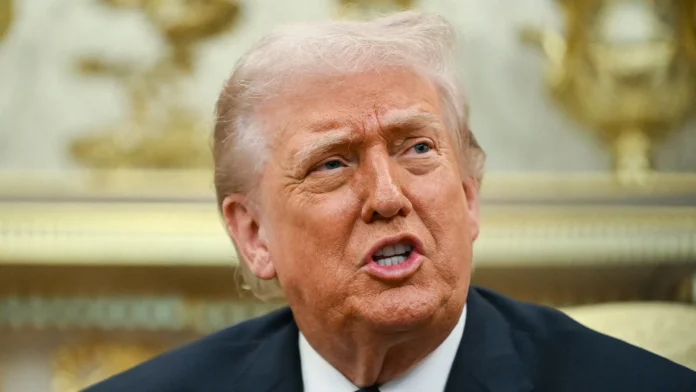
Apr 17(Jowhar) Donald Trump ayaa sheegay in Iran ay oggolaatay inaysan yeelan doonin hub nukliyeer ah muddo ka badan 20 sano.
Russian strikes kill at least 19 people across Ukraine
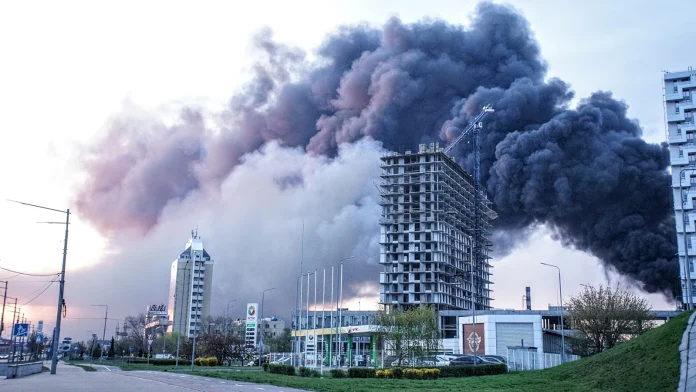
Night of Fire: How One Overnight Barrage Ripped Through Cities and Lives
Before dawn, Kyiv’s skyline — normally a jagged silhouette of church domes and glass towers — was carved by smoke. The smell of burned plastic and drywall hung low in the air, mixing with the late-spring scent of linden trees that should have been comforting, not complicit.
It began as a sound: first distant booms, then the abrupt, terrifying staccato of explosions. By morning the tally was grim and complicated. At least 19 people were confirmed dead across Ukraine; more than 100 injured. Apartment blocks, stairwells, ambulances and a music school in southern Russia were all touched by the same violent choreography of missiles and drones. This was not a single front-line strike. It was a night of dispersed destruction — across cities, at homes, in sleeping neighborhoods.
Voices From the Rubble
“The impact happened immediately. I heard screams, and we ran quickly. I tried to jump out of the apartment to save myself,” Tetiana, who lives in Odesa, told me. Her words drifted from a phone line that intermittently cut out; behind her a siren wailed as if still trying to outrun the shock.
Odesa suffered some of the heaviest damage. Roman, another resident, described scenes that are painfully familiar in this war but never normalized. “The ceilings collapsed, we were pinned by furniture. My wife and I tried to get out. She rushed to our son and screamed, ‘half his head is gone,’” he said, the voice brittle even over the connection. “We are exhausted. We don’t know how to sleep anymore.”
In Kyiv, where black smoke curled above the central district, 19-year-old Yeva spoke of a roof that fell like a curtain. “The attic collapsed right onto my mother and my two‑year‑old brother,” she said. “They were saved by a miracle.”
Casualties and the Numbers Behind Them
Local officials provided the stark figures: Kyiv’s mayor, Vitali Klitschko, reported four deaths in the capital, including a 12‑year‑old boy, and at least 62 people wounded. Regional authorities in Dnipropetrovsk detailed another five killed and 33 wounded. In the south, the governor of Krasnodar region said a 14‑year‑old girl and a young woman were killed when a volley of drones struck Tuapse.
The Ukrainian air force said the onslaught involved 659 drones and 44 missiles — a staggering scale that stretched air defenses and emergency services. The Russian military said the strikes targeted energy and military infrastructure and that it had intercepted hundreds of incoming Ukrainian drones. As is so often the case, the two narratives collided over the bodies of civilians.
Leaders, Condemnations and a Moment of Silence
President Volodymyr Zelensky, on a diplomatic visit in Europe, paused in a church in the Netherlands to call for a minute of silence. “Today in Ukraine is another very hard day, a really hard night,” he said, his voice measured by the gravity of the images he’d been sent. “This attack proves Russia does not deserve any easing of global policy or lifting of sanctions.”
Antonio Costa, president of the European Council, called the strikes “a horrendous attack against civilian targets,” accusing Moscow of choosing deliberate terror. Irish Justice Minister Helen McEntee tweeted her condemnation, writing that the brutal attacks showed Moscow had “no interest in peace” and urging increased pressure on the Kremlin.
Why This Attack Matters
Beyond the immediate human toll, this barrage is a vivid snapshot of how the conflict has evolved. What began as boots on the ground has morphed into nightly drone swarms, long-range missile barrages and a grinding exchange of infrastructure-as-target. Since Russia’s full-scale invasion in February 2022, the war has produced staggering human displacement and loss: estimates run into the hundreds of thousands killed and millions uprooted from homes. It also highlights how asymmetric tactics — cheap, numerous drones and precision-guided missiles — can terrorize vast civilian spaces.
“We’re seeing a deliberate strategy to create fear,” said an analyst who follows Russia‑Ukraine conflict dynamics closely. “Drones are low-cost, readily replaceable, and they force defenders to spread their resources thin. That’s an operational reality with massive humanitarian consequences.”
On the Ground: Community and Resilience
Even amid shock, small acts of care take root. Volunteers in Kyiv and Odesa set up stretches of folding tables where tea and porridge are handed out to families waiting for news. A women’s choir in one neighborhood began singing hymns under the rubble, not to be triumphant but to anchor each other.
“We make each other coffee now like it’s a ritual,” said Nadia, a volunteer at a community center in the capital. “It stops time for a minute. It helps us breathe.”
Details That Place You There
Walk a block around the damaged apartment buildings and you’ll find intimate, telling signs: a child’s scooter half-buried under plaster, a neighbor’s samovar set steaming on a windowsill despite power cuts, a hand-painted icon taped to a cracked wall. These are the small cultural notes of ordinary life disrupted — the tea, the family rituals, the communal gatherings that turn a neighborhood into a home.
Stalled Diplomacy and a Distracted World
Complicating the relief effort is the geopolitical backdrop. Peace talks aimed at ending the conflict have stalled, sidelined in part by other crises and by entrenched positions. Kyiv has rejected terms it views as capitulation; Moscow, by all public signals, has not shown willingness to bend on territorial claims. The result is a bruising, prolonged war that keeps pushing civilians deeper into harm’s way.
Meanwhile, global attention flickers between theaters of conflict. The United States and European partners have strained to maintain support for Ukraine as aid fatigue, election cycles and competing crises tug at policymakers. Yet moments like this night make the stakes clear: the violence is not confined to battlefields or military outposts; it floods living rooms and kindergartens.
What Do We Ask of One Another?
When you read about numbers — 659 drones, 44 missiles, 19 dead — it’s easy to distance yourself. But each number is a door that opens on a life: a child who wanted to be an artist, a father who fixed shoes, a mother who sang lullabies. What responsibility does a distant reader have? What do governments owe when civilian neighborhoods become targets?
As the international community debates sanctions, weapons supplies and humanitarian corridors, Ukrainian civilians continue to count the cost in the most intimate currency: loss, grief, and interrupted life. Whether policy shifts or public pressure can stem this pattern is a question for the coming months, and for the conscience of the globe.
Closing: A Morning After
By afternoon, rescue crews in Kyiv had wrenched one child from a collapsed 18‑storey building; neighbors had brought blankets and boiled water; volunteers had organized shifts to keep watch against another night. The city’s spires, scarred but standing, have become a kind of barometer — if they’re still visible, people say, the city’s heart keeps beating.
As you close this post, consider the ordinary details that war tries to erase: school bells, grocery lists, the smell of coffee in the morning. What will it take — for nations and neighbors — to rebuild not just structures but the trust and rhythms that make a place livable? The answer will shape not only Ukraine’s future, but lessons the world will need to learn if we hope to prevent similar nights from repeating elsewhere.
Landmark opportunity for peace emerges after newly declared ceasefire
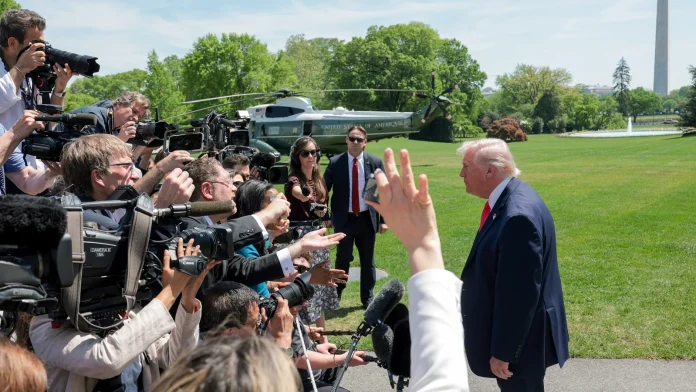
An Unsettled Dawn: How a Fragile Truce Opened a ‘Historic’ Window for Peace
The first morning after the truce felt like a held breath finally released. In the markets, stallholders lifted tarps and coaxed battered shelves back into life. Coffee steamed from a single battered urn on a curb; someone laughed at a child’s joke. Above the city, the call to prayer rose steady and familiar, threading through the silence like a promise.
“We haven’t slept properly in months,” said Fatima, a middle-aged woman who runs a tiny spice stall tucked between shuttered storefronts. “This morning I stepped outside and my heart could breathe. Not because I trust the peace—because I want to believe in it.”
Belief is the fragile currency of cities that have known war for generations. In this region—long a crossroads of empires, trade, and politics—truces have sometimes been doorways to ceasefire, sometimes merely a pause between storms. Yet diplomats, local leaders, and ordinary people are calling the latest pause “historic,” because it is accompanied by unusual bargaining chips: the promise of prisoner swaps, coordinated humanitarian corridors, and a rare international commitment to follow-through.
What changed this time?
On paper the terms are modest. The warring sides agreed to a temporary cessation of hostilities, monitored by a neutral third party, with phased prisoner releases and an opening of key crossings for medical evacuations and aid convoys. What makes this moment stand out is less the list of clauses than the convergence of pressure points: exhausted militaries, international diplomatic momentum, and the public exhaustion of communities who can’t sustain another cycle of destruction.
“This is one of the few moments where both the costs of continuing the fight and the potential benefits of stopping it are plainly visible,” explained Dr. Leila Haddad, a political analyst who has worked on conflict resolution in the region for more than two decades. “We have entered a phase where temporary quiet can be translated into durable change, but only if international actors and local stakeholders commit to patient diplomacy and reconstruction.”
Life at the seam of peace and uncertainty
Walking through neighborhoods that just days before were scarred by conflict, the details are at once mundane and searing. A barber sweeping hair into a plastic bag, a teen practicing guitar on a stairwell, an elderly man arranging plastic chairs where his home once stood. Children kick around a tattered soccer ball—rules overturned by the new reality of unexploded ordnance and absent playgrounds—but for now they run free.
“We are counting on the corridors,” said Omar, an ambulance driver whose fleet was decimated in the fighting. “If the trucks come, if the fuel comes, hospitals can breathe. If the prisoners come home, mothers will stop searching graves. If this pause becomes a turning point, it will be because ordinary people finally saw some relief.”
Relief is a slippery word here. International agencies estimate that millions in the territory rely on external assistance for food, water, and medical care. The precise numbers ebb and flow with access and reporting, but the pattern is clear: protracted conflict has hollowed out infrastructure and left a civilian population reliant on a steady flow of lifesaving supplies.
Voices from the front lines of peacebuilding
Not everyone greets the truce with open arms. For families who lost loved ones, skepticism is a reflexive defense. “A ceasefire is a piece of paper until I have proof my son is alive,” whispered Amal, who has a son listed among the missing. “I will dance when I hold him.”
At the same time, aid workers on the ground speak of slim, urgent opportunities. “Logistics windows like this one give us a chance to repair wells, to fix a generator, to vaccinate children,” said Marco Rossi, a coordinator for a European humanitarian NGO. “If we waste it on slow approvals and political posturing, we will fail twice—first the people who need us, then the fragile credibility we have with local communities.”
International diplomats are already framing the truce as a test. “We have to convert tactical pauses into strategic outcomes,” said one envoy speaking on condition of anonymity. “That means a time-bound roadmap for reconstruction, confidence-building measures, and an inclusive political process that addresses the underlying grievances.”
Beyond the headlines: culture, memory, and the everyday
To understand what peace would mean here, you must first taste it: a plate of warm hummus, the bitter-sweet smoke of roasting coffee beans, the rhythmic clapping of a grandmother teaching her granddaughter a local lullaby. These are the small economies of peace—moments that rebuilding budgets rarely capture but that stitch a community back together.
“If we fix the school roofs and the water pipes, if we build a market where a lot of small businesses can sell again, people will start investing in life,” said Jamal, a carpenter who has begun salvaging wood from bombed houses to make furniture. “I don’t need big promises. I need light at night, and work during the day.”
Cultural resilience is a theme repeated in basements, mosques, and cafés. Poets recite elegies for the lost and manifestos for the future. Pilgrimage routes, long disrupted, slowly reopen for traders and families. Such rituals, often dismissed as sentimental, are essential social glue.
The global stakes
Why should the world care about a tentative truce in one corner of the Middle East? Because the region’s stability is a web connecting energy markets, refugee flows, geopolitical alliances, and global norms about civilian protection in war. A failure here reverberates far beyond the city walls; a durable success could chart a new model for negotiated settlements in other protracted conflicts.
Yet peace won’t magically sprout from a handful of agreements. It will demand transparency, accountability, and sustained investment in social and economic reconstruction. It will require truth-telling about grievances, reparations for victims, and a political architecture that offers dignity to the disadvantaged.
A moment to decide
So what happens next? The answers will be decided in negotiations and kitchens, in UN boardrooms and barbershops. Will the corridors remain open long enough for returns and repairs? Will prisoner exchanges build trust, or be used as bargaining chips? Will international aid be nimble, or bogged down in red tape?
“History is made in the quiet hours after a gun goes silent,” reflected Dr. Haddad. “This could be one of those rare stretches—a few months of calm that become templates for a longer peace, or it could be another interlude that closes with more rubble.”
For now, the city breathes. People return to their routines slowly, suspicious of celebrations, unwilling to count on miracles. But the human impulse to rebuild—to cook, trade, teach, and love—has proved stubborn across centuries of hardship.
So I ask you, reader: when a fragile peace arrives at your doorstep, what would you do to protect it? How would you turn a pause into permanence? The answers we find here will matter not only to the people in this city but to how the world learns to mend after war.
Israel, Lebanon Begin Ceasefire as Iran Nuclear Deal Draws Near
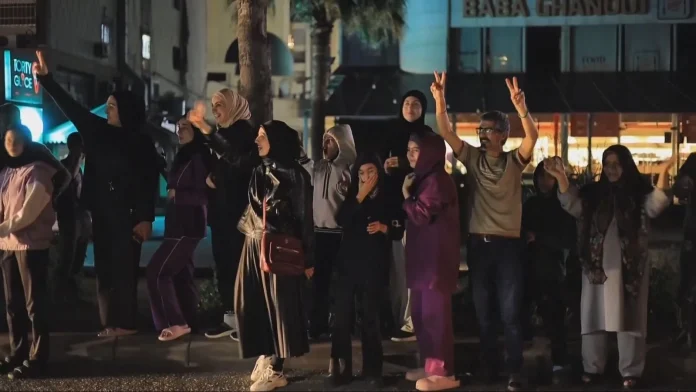
Midnight Ceasefire, Morning Uncertainty: Beirut Breathes — For Now
When the clock slid to midnight in Beirut, a city that remembers the sounds of war better than most, the sky answered in an old, combustible language: gunfire and rockets fired not in malice but in relief.
“We heard the shots and cheered. We are exhausted of running to basements,” said Layla, a 34-year-old shopkeeper in the Tariq al-Jadida neighborhood, standing outside her shuttered bakery as neighbors drifted in the cool air. “For one night, people feel like they can breathe.”
The ten-day ceasefire between Lebanon and Israel came into effect at 00:00 local time, a fragile pause brokered amid wider, complex diplomacy that Washington says could open the door to a broader accord with Iran. The agreement — hailed by some as a possible turning point and by others as a temporary reprieve — offered a rare moment of public jubilation punctuated by worry.
Scenes from the City: Celebration and Caution
From Beirut’s corniche to quiet southern villages, people marked the ceasefire in different registers. In the capital, celebration took the form of jubilant gunfire and the thudding rhythm of celebratory rockets; in the south, residents listened for the unnatural silence between strikes, wary of any sound.
“My children slept for the first time without waking up terrified,” said Nabil, a father of three from Tyre, voice tight. “But at 3 a.m., we heard mortar — or maybe it was a car backfiring. We would rather be wrong.”
The Lebanese Army reported that Israeli forces had committed intermittent violations after midnight, including shelling in several southern villages. The Israeli military, which prior to the ceasefire said its forces would remain deployed, had no immediate public comment on those specific allegations. Meanwhile, Hezbollah released a detailed statement saying its last attack had taken place at 11:50 p.m. — ten minutes before the ceasefire was supposed to take effect.
Such jittery exchanges are reminders that armistices on paper do not always translate to peace on the ground.
Washington’s Optimism — Realistic or Rosy?
In Washington, President Donald Trump presented the pause in Lebanon as more than a local truce: he framed it as a stepping stone toward a potential agreement with Iran that could end a regional war that began, according to official timelines, on 28 February. “We’re very close to making a deal with Iran,” he told reporters outside the White House, later telling a campaign rally in Las Vegas, “the war should be ending pretty soon.”
Trump said Tehran had signaled willingness to forego nuclear weapons for more than 20 years — a prospective concession that, if accurate, would mark a significant softening from previous red lines. He added that an accord could reopen the strategic Strait of Hormuz and bring oil prices down, easing inflationary pressures around the globe.
“If that happens, oil goes way down, prices go way down, inflation goes way down,” he said, tying diplomacy directly to economic relief.
U.S. national security aides were dispatched to coordinate with regional partners, the White House said: Vice President JD Vance, Secretary of State Marco Rubio and Chairman of the Joint Chiefs Dan Caine were named as points of contact to press for a lasting settlement between Israel and Lebanon — a lineup the administration described as evidence of seriousness.
Pakistan’s Quiet Mediation
At the center of the diplomatic choreography was Pakistan, with Army chief Asim Munir playing a discreet but pivotal role as mediator. Officials close to the talks said Munir had visited Tehran and returned with what they described as a “draft” that might bridge some of the most intractable differences — notably the fate of Iran’s enriched uranium stockpile.
Two sources familiar with the discussions said Tehran was considering shipping part, though not all, of its highly enriched uranium (HEU) abroad — a potential compromise after previously rejecting any such move. Yet Tehran has insisted on guarantees: it would reopen the Strait of Hormuz only if there were firm commitments, including UN-backed assurances, that the U.S. and Israel would not resume attacks.
What’s at Stake: Oil, Nukes, and Global Risk
The stakes could not be higher. The Strait of Hormuz is a narrow choke point through which roughly one-fifth of the world’s seaborne oil passes. When the waterway closes — even briefly — global oil markets react sharply. The International Monetary Fund warned that prolonged conflict had already pushed up energy prices and forced a downgrade to its global growth outlook; in the worst-case scenarios, sustained instability could nudge economies toward recession.
On the nuclear question, U.S. negotiators reportedly proposed a 20-year suspension of sensitive Iranian nuclear activities — a concession from demands for a permanent ban. Iran countered with a three-to-five-year freeze, according to people briefed on the talks. These timelines may sound abstract, but they are central: how long Iran is kept from weaponizable material, and what verification and enforcement mechanisms are attached, will determine whether the world is looking at a durable settlement or another fragile lull.
- Strait of Hormuz: Carries roughly 20% of seaborne oil.
- Casualties: The regional conflict has killed thousands, leaving towns and families scarred.
- Ceasefire length: Ten days — with discussions underway about extensions tied to further diplomacy.
Voices on the Ground and in the Halls of Power
“The ceasefire is necessary, but it is also a test,” said Dr. Rana Haddad, a Beirut-based political analyst. “You can stop bullets for ten days. You can’t stop the underlying grievances in ten days.”
Residents and aid workers worry about the humanitarian toll. “We have hospitals stretched beyond capacity,” said Amal, a nurse at a public hospital in southern Lebanon. “Even with the ceasefire, people need food, electricity, water. Ceasefires must be followed by aid lanes, not just press statements.”
In Tehran, officials reportedly told mediators they wanted sanctions lifted and significant guarantees. “You cannot discuss nuclear material in a vacuum,” a senior Iranian official told a visiting mediator, according to diplomatic sources. “We need relief. We need security assurances.”
Back in Washington, Defense Secretary Pete Hegseth warned that U.S. forces were prepared to resume combat operations if negotiations collapsed. That bluntness underscores the thin line negotiators walk between diplomacy and renewed escalation.
Unanswered Questions and the Long View
Will ten days be enough to translate fragile trust into durable instruments for peace? Can technical compromises on HEU and verification be paired with political guarantees strong enough to convince Tehran to halt hostile proxies, and to persuade Israel and Lebanon to de-escalate fully? And if an agreement is signed, will the economic relief — lower oil and less inflation — arrive fast enough to calm markets and voters?
These are not small questions. They are, in many ways, the test of our global institutions and the political will of regional actors.
For now, families in Beirut and villages along the border count the hours with guarded hope. “We will sleep tonight,” Layla said, wrapping a scarf tighter. “Tomorrow, we will see.” The rest of the world watches, because whatever happens in this corner of the Levant today ripples into boardrooms, marketplaces, and living rooms from Manila to Manhattan.
Final Thought
Ceasefires can be the beginning of healing — or the pause before a new round. Which will this be? It depends not just on diplomats and generals, but on whether promises are turned into action: inspections, sanctions relief tied to verifiable steps, humanitarian access, and crucially, a political will to build security beyond a string of temporary pauses.
Are we prepared to invest in that longer, harder work? Or will we applaud the silence of a single night and return to the habits that brought us here?
Pressure mounts for Andrew to relinquish Freedom of the City of London honour
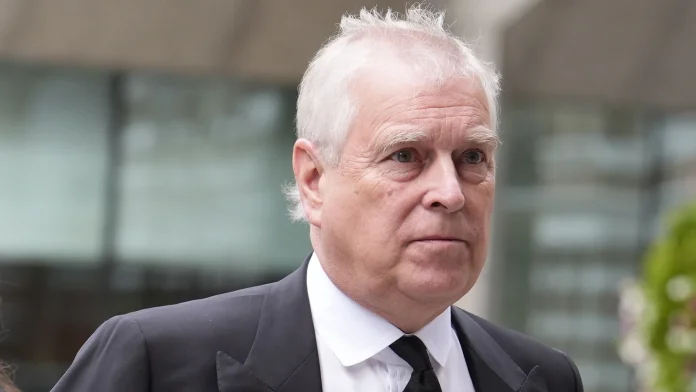
When Ancient Privilege Meets Modern Outrage: The City of London Asks Prince Andrew to Give Up a Ceremonial Honor
The Square Mile is a place of contrasts. Glass towers shoot up like new temples to global finance, while cobbled lanes, guildhalls and a stubborn London fog keep one foot firmly in the past. It was in that layered city—the City of London Corporation, the peculiar municipal body that runs the financial district—that elected members quietly agreed on a gesture heavy with symbolism: they will write to Andrew Mountbatten-Windsor, inviting him to formally relinquish his Freedom of the City.
On paper, it looks like administrative housekeeping. In practice, it is a small civic drama that speaks to much bigger questions about privilege, accountability and the limits of old honors in a shaken public conscience.
A centuries-old honor caught in a modern scandal
The Freedom of the City of London has roots stretching back to medieval guilds, when being a “freeman” could mean the right to trade, protection under city law and membership in powerful livery companies. Today it is largely ceremonial—a nod to service, status or lineage, and yes, a tradition that allows for showpiece gestures such as the medieval puff of granting someone honorary rights.
But not all freedoms are born equal. The City Corporation is clear: “Andrew Mountbatten-Windsor received the freedom of the City of London in 2012 by virtue of patrimony, which is inherited as the child of a freeman and constitutes a legal right,” a spokesperson said. In other words, because he inherited the status, there is no straightforward legal mechanism to strip it away; the honor exists as a matter of law unless the recipient chooses to surrender it.
So the elected members decided on a different tack: a request. They will write to him asking that he relinquish the freedom voluntarily. They will then wait—considering any reply in a future meeting and weighing what, if anything, can be done next.
Why now? The backdrop of scandal
The invitation comes after months—years, really—of mounting public scrutiny of Prince Andrew’s associations and conduct. He was arrested in February on suspicion of misconduct in public office, and his links to the late financier Jeffrey Epstein, who died in custody in 2019, have been relentlessly probed. In 2022 he settled a US civil claim that further fueled debate about whether those who have enjoyed the trappings of privilege should continue to hold ceremonial honors.
To many Londoners now, the Freedom of the City isn’t merely a quaint relic; it is a small but visible marker of how institutions handle reputational risk when their rolls include the well-connected. “It’s not about a piece of paper,” said Councillor Amina Hassan, who represents a ward in the heart of the Square Mile. “It’s about what we stand for. The City is supposed to be a place of trust and integrity for global markets. We can’t have our title lists undermining that.”
Voices from the Square Mile
Walk the lanes around the Guildhall and you will find opinions as varied as the city’s architecture. On a damp afternoon, Marcus Reed, who runs a coffee cart outside the Royal Exchange, said, “People are tired. They want symbols to mean something. If an honor is given, it should reflect values we’re proud to show off.”
At a neighboring investment firm, a junior analyst asked to remain anonymous: “I don’t expect the City to police every personal scandal. But when the press keeps talking about associations with people accused of the worst crimes, it becomes awkward for everyone here.”
Meanwhile, activists have not been silent. Small petitions and social media campaigns—some local, some international—have demanded the removal or return of honors held by those accused of misconduct. One campaigner, Eva March, who coordinates a survivors’ advocacy group, framed the City’s move as meaningful. “This is a test of how seriously we take institutional recognition. Honours have power. If they remain attached to people facing such allegations, it’s a slap in the face to victims.”
The legal and symbolic limits of the gesture
There is an uncomfortable technicality at the heart of the story: when a freedom is granted by patrimony, it’s effectively a hereditary right and not subject to the same cancellation processes as a granted or honorary freedom. That complicates the City’s options. It can request surrender. It can express disapproval. But it lacks a blunt instrument to erase the honor unilaterally.
Professor Sarah Benton, an expert in constitutional and municipal law, put it plainly: “This is largely symbolic. The City has thought carefully about what legal powers it actually has. Asking someone to relinquish an inherited freedom is an attempt to reconcile public expectation with legal reality. If the individual refuses, the City’s choices become far narrower.”
Small ceremonies, big questions
Why should ordinary people care about what looks like ceremonial housekeeping in a small patch of London? Because these decisions are shorthand for how societies reckon with status. We have seen similar debates play out globally: university buildings named for controversial figures, honorary degrees revoked, statues removed. Each action asks us to decide whether honors are a neutral historical ledger or an active endorsement of character.
And the question is not only moral but practical. A City that trades on reputation—on trust, regulation, and access to global capital—faces real costs when its symbols are perceived as tolerating questionable associations. “Markets care about governance and optics,” said David Lenz, a risk analyst. “You can lose intangible credibility, and that can translate into real economic friction.”
What happens next?
The City will send its letter. The decision will land in an envelope, perhaps on a desk, perhaps never answered. Then the Corporation’s elected members will reconvene and decide whether the reply—if any—warrants further action. It is a slow-moving civic soap opera, but one that will be watched closely by journalists, activists and institutions wrestling with the same dilemmas elsewhere.
So what do you think? Are ceremonial honors worth defending from the vagaries of public opinion, or should they be fluid instruments that reflect contemporary standards? Does inviting surrender—rather than forcing removal—properly balance legal limits with moral pressure?
In the end, the story in the City of London is a reminder that symbols matter. Whether the honor is returned, retained or quietly ignored, the debate it sparks will outlive any single letter. It will continue to force us to ask: how do we reconcile centuries-old traditions with twenty-first-century expectations of accountability?
Lebanese Army Accuses Israel of Shelling After Ceasefire
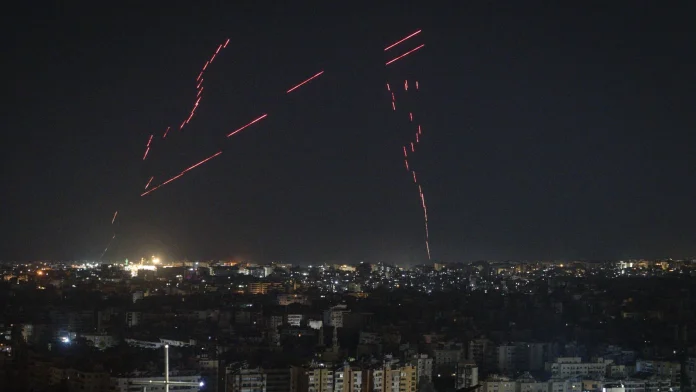
Midnight Ceasefire, Morning Unease: Lebanon at a Fragile Pause
When the clock in Beirut chimed midnight, the city exhaled a curious mix of relief and disbelief. In some neighborhoods, people poured into the streets, firing celebratory rounds into the night — a ritual that is part grief, part joy. For others, the sound was another reminder that peace can feel alarmingly thin.
“We lit a candle and then the fireworks began,” said Mariam Haddad, 47, who lives in the Verdun district. “For a moment I thought we might sleep. But the children are afraid. When a shot cracks in the air, you do not forget what it can mean.”
The 10-day truce between Lebanon and Israel, set to begin at midnight, has been billed as a breathing space — a corridor for diplomacy, an opening for negotiations that Washington hopes will widen into something much larger: a negotiated thaw with Iran. Yet within hours of the ceasefire taking effect, the Lebanese army reported violations, alleging intermittent shelling of southern villages and urging residents to stay away from front-line towns.
On the Ground: A Cautious Return — or Not
In the towns south of the Litani River, families have been living under a revolving door of orders and warnings. “We were told not to come back,” said Samir Khalil, an olive-farmer from the border region who has been sleeping in his cousin’s courtyard in Sidon. “My trees are still there, most likely. But what is the point of returning to a house that might not be there tomorrow?”
Lebanon’s official news agency and the army both reported that shooting and artillery fire continued in some areas after midnight — machine-gun bursts, the dull thump of distant shells. The Israeli military, for its part, warned civilians not to move south of the Litani, saying its forces were still deployed and prepared to respond to what it described as residual militant activity.
“We will not allow armed groups to reestablish positions that threaten our civilian population,” a military spokesperson wrote on social media. “This pause does not mean complacency.”
Diplomacy on Fast Forward: Washington, Tehran, Islamabad
Even as Beirut grappled with uncertainty, the White House signaled cautious optimism. President Donald Trump told reporters that talks with Iran were “very close” to a deal, describing Tehran’s offer as a pledge to refrain from developing nuclear weapons for at least two decades. The sound of diplomacy — meetings, shuttle envoys, a Pakistani mediator flying between capitals — seemed to move almost as rapidly as the headlines.
“If we reach an agreement, it changes everything,” a senior U.S. official involved in the negotiations said on condition of anonymity. “We can reopen shipping lanes, calm markets, and remove a major trigger for regional escalation.”
That trigger is the Strait of Hormuz, through which roughly one-fifth of the world’s seaborne oil passes. Closure of that choke point in recent weeks contributed to a historic shock in energy markets and forced multilateral institutions, including the International Monetary Fund, to warn that a prolonged conflict could drag the global economy into a downturn.
What’s Being Bargained For
At the heart of the discussions are age-old, stubborn dilemmas: how long any nuclear restrictions should last, what to do with Iran’s stockpiles of highly enriched uranium, and how — and when — sanctions might be lifted. Reported proposals have ranged widely; negotiators in Islamabad reportedly floated the idea of a suspension of certain nuclear activities for two decades, while Tehran initially suggested a far shorter timeframe, in the order of three to five years.
“Sanctions are not abstract numbers to us; they are people,” said Dr. Leila Mansour, a nuclear policy analyst based in Beirut. “They decide whether a patient gets medicine, whether a university can import equipment. Any diplomatic outcome needs to weigh human consequences as much as technical timelines.”
Hezbollah and the Local Reality
Hezbollah, which opened fire in support of Tehran a week into the conflict, presented its own timeline: the group says its last offensive action occurred minutes before the ceasefire, and supporters poured into the capital to celebrate what they portrayed as a tactical pause. But the group’s military statement and the army’s warnings painted overlapping but uneasy pictures of who controls which tracts of land.
“We fought to defend our people,” said a Hezbollah activist in a quiet cafe in southern Beirut, speaking under condition of anonymity. “This is not a game of headlines. The ceasefire is a chance to breathe, not to surrender.”
For ordinary Lebanese, however, the calculus is simpler and starker: food, shelter, and safety. Humanitarian organizations estimate that recent clashes displaced tens of thousands within Lebanon, and healthcare providers have struggled to cope with casualties while hospitals function under strain. Precise casualty figures remain contested; multiple sources describe “thousands” killed since the conflict with Iran escalated in late February.
The Stakes: Oil, Economy, and the Question of Guarantees
Beyond the immediate human cost, these negotiations touch nerves global and local alike. Oil markets, which have reacted dramatically to the prospect of a closed Hormuz, could stabilize if shipping lanes reopen — an outcome U.S. officials say would push prices down and ease inflationary pressure worldwide.
“A reopening of Hormuz would be a relief valve for the global economy,” said Amrita Sen, an energy economist. “But it depends on guarantees: permanent ceasefires, verifiable steps on nuclear material, and confidence that attacks won’t resume.”
Iran, according to unnamed sources, wants stronger assurances — possibly United Nations-backed guarantees — that any ceasefire will be permanent and that the U.S. and Israel will not resume strikes. Pakistani Army Chief Asim Munir, described as a key mediator, reportedly ferried draft proposals between capitals, with officials hoping for a second round of talks this weekend.
What Could Go Wrong — and Right
- Right: A signed deal could defuse immediate military threats, bring down energy prices, and open humanitarian corridors.
- Wrong: A fragile ceasefire could collapse if either side perceives duplicity, sparking renewed exchange that could rapidly widen the war.
There is precedent for both outcomes in the region’s recent memory. Transient truces can be followed by long lulls; or they can be mere pauses before heavier storms. The difference often comes down to trust — something in short supply.
Looking Inward: Lives in Suspension
Back in Lebanon, life limps forward in errands and small acts of defiance. A shopkeeper in Tyre swept his storefront in the morning light; a mother in Nabatieh boiled water for coffee and refused to say whether she would return to their village. “We have learned to wait,” she said. “We survive by waiting.”
As diplomats count the hours, as envoys shuttle between Islamabad, Tehran, Jerusalem, and Washington, ordinary people ask a simpler question: will this pause let us rebuild, or only postpone the next blow? Will young people believe in politics again, or only in the barrel of a gun?
What would you do if your village was a heartbeat away from a line on a map? Would you return at the first sound of silence, or wait for the ironclad guarantees that diplomats promise?
Those are the decisions that will determine whether this ceasefire becomes a turning point — or a haunting memory of another night when the city listened for the wrong sound and, for a while, found only the wrong kind of quiet.
Four officials indicted in probe over Swiss ski resort blaze
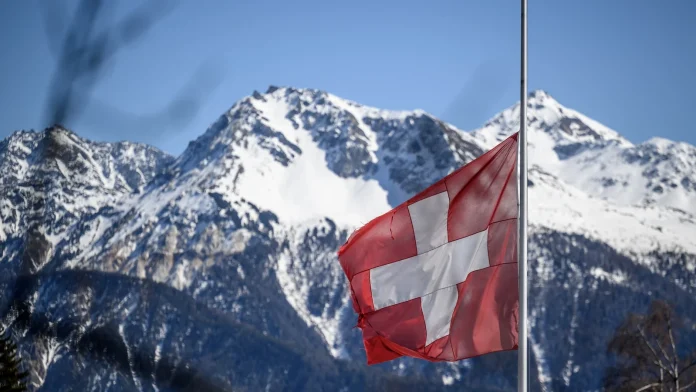
Crans-Montana: The Quiet Resort That Wouldn’t Be Quieted
On a frosty January morning, the alpine silence around Crans-Montana was broken not by the crack of skis but by a different kind of echo—siren wails, whispered grief, and questions that have not yet been answered.
More than a year after a New Year’s Eve blaze tore through the Le Constellation bar, taking the lives of 41 people—most of them teenagers—and injuring 115 more, Swiss investigators have widened their net. Four more current and former local officials are now the focus of criminal inquiries, bringing the number of people formally under investigation to 13, according to officials close to the case.
What’s new in the probe
The investigation now includes the sitting municipal councillor responsible for security, the officer who held that post from 2013 to 2016, the current deputy head of the canton’s public safety department, and the mayor who led the neighbouring municipality of Chermignon between 2009 and 2016.
Those four are scheduled to be questioned between 11 May and 3 June, a procedural step that prosecutors say is necessary as they piece together responsibility for a night that has become a symbol of collective trauma.
“Extending the investigation to additional individuals is not about piling blame; it is about reconstructing the full sequence of decisions and omissions that allowed such a catastrophe to happen,” said a spokesperson for the Wallis (Valais) public prosecutor’s office.
Families demand answers
For the relatives who lost children and siblings, the legal cadence—hearings, dates, requests—has a beat of its own: a slow drum that marks progress but also prolongs the ache.
“We have to know who failed them and why,” said Romain Jordan, a lawyer who represents several of the victims’ families. “The hearings are painful but essential. Each testimony brings a fragment of truth, and for parents who still feel their child’s absence at the dinner table, those fragments matter.”
Across the resort, memorials of candles and photographs remain tucked into nooks and window sills. A florist at the main avenue, her breath fogging in the cold, folded paper flowers into small bouquets for visitors who still come to pay respects. “People stop and cry. They ask me about the names,” she said. “This isn’t just a headline. It’s our town.”
How investigators say the fire started
Prosecutors believe the blaze began when celebratory bottles—champagne with sparklers affixed—were raised in the bar’s basement, their sparks igniting the sound-insulation foam that lined the ceiling. The result was catastrophic and rapid: dense smoke, blocked exits, and a crush of people trying to flee a space designed for revelry, not for evacuation.
Experts in fire safety warn that certain kinds of acoustic foam, popular for its sound-deadening properties, can be highly flammable unless strictly controlled. “Indoor pyrotechnics are a known hazard,” said Dr. Anna Keller, an independent fire-safety engineer based in Geneva. “In many jurisdictions, their use is heavily restricted, and the materials used on walls and ceilings must meet rigorous fire-retardant standards. If inspections lapse and the paperwork is never reviewed, the margins for error shrink to zero.”
According to the Federal Office for Civil Protection, 38 victims remain in hospitals or rehabilitation clinics—19 in Switzerland and 19 in neighbouring countries—underscoring the cross-border impact of a tragedy that struck a global tourist destination.
Accountability on trial
Already under investigation are the bar’s owners, a French couple who face accusations including manslaughter by negligence, negligent bodily harm, and negligent arson. Jacques Moretti, one of the owners, is due for further questioning on 5 June.
But the widening probe signals something else: an attempt to understand whether municipal or cantonal lapses—inspections not carried out, permits not followed—contributed to the disaster.
Mayor Nicolas Feraud has told investigators he was unaware that annual safety inspections at Le Constellation had not been completed for six years. “We always believed our teams had the capacity and resources to conduct the necessary checks,” he said in a statement to the press. “If there were gaps, we need to know why.”
Not everyone accepts that explanation. “A town that makes its living from tourism cannot afford to be complacent,” said Isabelle Perrin, who runs a chalet rental agency and lost a niece in the fire. “We tell visitors Crans-Montana is safe. We told our children it was safe. Those promises mean something.”
Prosecutors push back on calls for outside oversight
One of the more contentious legal battles has been procedural. Lawyers for victims’ families asked for an extraordinary prosecutor to be appointed—someone outside the local office to oversee the inquiry, given its international ramifications and intense media scrutiny. The Wallis prosecutor’s office rejected that request, asserting it has the jurisdiction, independence, and extra staff to manage the investigation.
“This case is extraordinary in its human and international dimensions, but that does not automatically strip us of competence,” the office said in a written response. “We have reinforced personnel and remain committed to impartiality and efficiency.”
Bigger questions that stretch beyond the Alps
The Crans-Montana tragedy sits at the intersection of familiar global anxieties: how do we protect young people in public spaces, how do local governments enforce safety in economies built on tourism, and how do we ensure transparency when community trust is shattered?
Nightclub fires are relatively rare in modern Europe, but when they happen the human cost can be devastating. The Station nightclub fire in Rhode Island in 2003—where indoor pyrotechnics ignited flammable soundproofing—killed 100 and fundamentally changed safety rules in the United States. Similar lessons are being sought now in Switzerland: were regulations adequate, were they enforced, and were the people charged with oversight doing their jobs?
These are not abstract problems. They are legal, architectural, cultural, and moral. They ask us to consider how a small Alpine resort, with its glittering hotels and crowded slopes, balances the desire for spectacle with the obligation to keep people alive.
What happens next?
Investigators will continue to call witnesses and comb through documents, receipts, emails, and inspection logs. More hearings are scheduled over coming weeks, and for many families every date feels like a step toward closure, or toward more questions.
“Closure is not a word I use lightly,” said Jordan, the victims’ lawyer. “Justice, accountability, lessons learned—those are what the families ask for. They do not want this forgotten or swept away by the next season of tourists.”
As spring thaws the snow on the slopes, Crans-Montana will open its lifts and welcome skiers. But the resort will be different for a long time: quieter at night, with memorials by the pavement, and with officials under watch as the legal process continues.
What should communities prioritize when rebuilding trust after a disaster? How do we balance economic life—restaurants, clubs, festivals—with the hard, behind-the-scenes labor of compliance and oversight?
Those are not just questions for Switzerland. They are questions for anyone who gathers under low ceilings, who lights candles for celebration, and who assumes that safety is simply given. In Crans-Montana, the work of answering them has only just begun.
Division Emerges Within Somalia Human Rights Commission Over South West Election
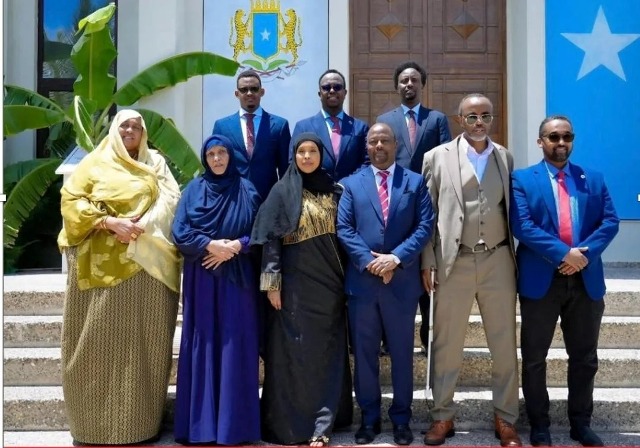
Mogadishu – Somalia’s Independent Human Rights Commission (NIHRC) is facing internal divisions following a dispute linked to the 28 March 2026 election in the South West State.
Lebanon and Israel resume US-hosted talks amid ongoing strikes
A Frayed Quiet: Washington Talks as Bombs Still Fall
There is a strange hush to diplomacy when the sound of airstrikes still hangs in the...

American children’s book author sentenced to prison for poisoning her husband
Behind the Headlines: A Quiet Suburb, a Loud Verdict
There are neighborhoods in Salt Lake County where snow-capped mountains frame tidy lawns and the scent...
Burnham seeks parliamentary comeback, opening door to challenge Starmer
A northern town holds its breath
On a damp morning in Makerfield, where the terraced houses sit shoulder to shoulder and the chip shops open...
No EU nominee has yet agreed to run for UN food agency head
The race for the next head of the United Nations' food agency, the Food and Agriculture Organization (FAO), is heating up as candidates from...
Streeting steps down; Burnham considers running in by-election
Note to readers: what follows is a creative, reimagined dispatch inspired by the headline "Streeting resigns, Burnham eyes bye-election." It is written as a...