Gunfire in a Kyiv Supermarket: A City’s Morning Interrupted
It was the kind of ordinary morning that in its ordinariness makes violence feel all the more surreal: commuters with steaming cups of coffee, a mother arguing gently with a toddler over cereal, an elderly man crouched by the deli counter choosing his bread. Then came the shots. In Holosiivskyi, a leafy district of Kyiv known for its parks and busy markets, a man opened fire in a supermarket and then barricaded himself inside, plunging a neighborhood into confusion and grief.
Interior Minister Ihor Klymenko announced on Telegram that police intervened and the attacker was “liquidated during the arrest.” “Special forces of the national police stormed the store where the attacker was,” Klymenko wrote. “He took people hostage and shot at a policeman during his detention. Before that, negotiators tried to contact him.”
Mayor Vitali Klitschko, speaking with the bluntness of a city that has learned to speak plainly about trauma, said the suspect had killed two people and that there were fatalities inside the store. He added that ten people were being treated in hospital and five others had sustained injuries. Beyond the numbers are faces, and families, and a city quietly bracing itself.
Inside the Store
“I heard three bangs—then the lights jittered,” said Olena, a cashier in her thirties who lives a few streets away. “At first I thought someone dropped a box. Then people started running. A woman pushed a stroller out and just kept whispering, ‘We have to go, we have to go.’”
Witnesses described a scene that shifted from confusion to organized fear: shoppers ducking behind shelves, a small group wedged into a frozen food aisle, a teenager using a phone flashlight to signal rescuers. “There was this humming sound of machines, then shouts, and the feeling that time had stopped,” said Ihor, a delivery driver who pulled into the lot as police arrived. “You realize you’re closer than you thought.”
How the Response Unfolded
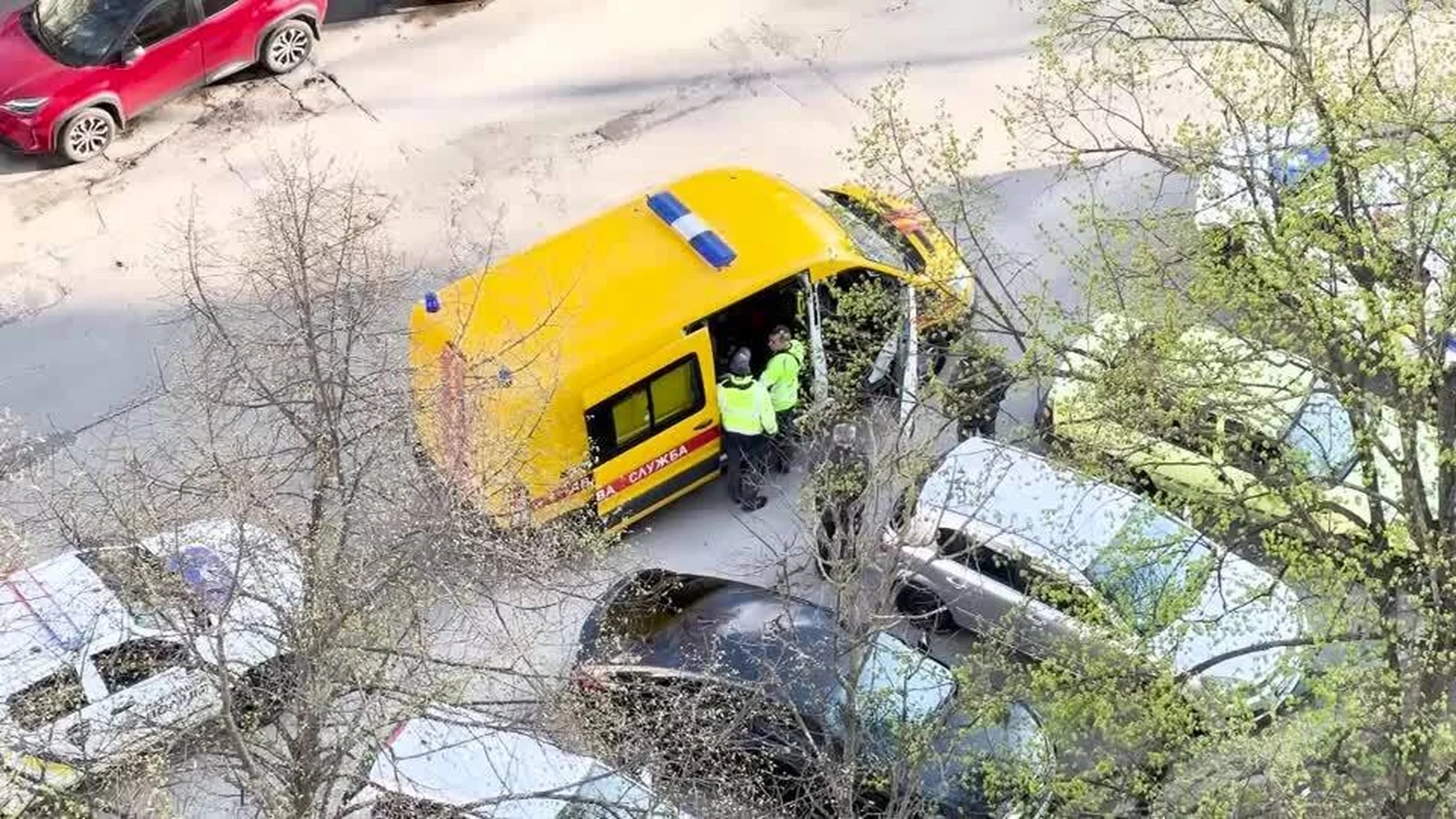
According to officials, negotiators were engaged, trying to talk the shooter out. The standoff ended when special forces entered the store. The Interior Ministry’s account says the attacker shot at a policeman during the arrest attempt. Kyiv’s mayor confirmed the death toll is being clarified; in chaotic hours after violence, numbers often change as police and hospitals sort through the injured.
Paramedics ferried victims to nearby hospitals, where doctors worked through the morning to stabilize the wounded. “We are treating ten people at the moment,” a hospital spokesperson told reporters, though names and ages have not been released. The lack of immediate detail does not dim the urgency: each official figure represents a life disturbed or lost.
What Holosiivskyi Feels Like Now
Holosiivskyi, a sprawling district that balances parks and residential blocks, has been a refuge of sorts in a city that has known too much alarm. Locals here are wary but not unused to emergency sirens; the rhythms of city life have been tested for years. Still, the shock of this incident cut through that weary normalcy.
“We come here to buy bread and light bulbs,” said Marta, who ran a small flower stall outside the supermarket before being asked to leave by police lines. “You don’t expect to flee for your life between the tomatoes and the soap.” Her hands trembled as she rearranged roses into buckets. “I’m not angry. I’m sad. Angry takes more energy.”
The scene outside the store was distinctly Kyiv: volunteers offering water, neighbors wrapping blankets around trembling shoppers, and a cluster of bystanders comparing phone videos. Blue-and-yellow flags streaked across the district’s lampposts—everyday markers of nationality that, in moments like these, offer both comfort and a reminder of fragility.
Voices from the Ground
“I was picking up dog food when it happened,” said Petro, a retiree who watched police tape stretch across the street. “You think of how small things can flip in a second. It’s a city of people trying to live. We’ll grieve, we’ll thank those who ran in to help, and then we’ll go on.”
A younger woman, Yulia, who waited hours to collect a friend from the hospital, put it more bluntly: “We are exhausted. We cannot keep rehearsing these horrors and still expect to sleep.”
Wider Threads: Security, Trauma, and Urban Life
Incidents like this don’t happen in a vacuum. They sit at the crossroads of global trends—urban density, weapon availability, mental health stresses, and the aftershocks of prolonged conflict. Kyiv has carried the scars and vigilance of recent years; still, each attack presses new questions about prevention and preparedness.
“Cities have to balance being open, democratic places with the need to protect citizens,” said a security analyst, asking to be identified only as Dmytro to avoid drawing official attention. “The immediate response—the speed of the police, hospital readiness—saves lives. The longer-term answer is social: mental health services, community ties, and intelligence that spots danger before it erupts.”
Globally, urban centers are wrestling with similar dilemmas: how to maintain public life without surrendering to fear. How do you keep the supermarket a convivial space instead of a place coded with risk? How do you tend to trauma that builds slowly, through news cycles and community losses?
Facts to Keep in Mind
- Officials say the attacker was killed during an arrest attempt by special police forces.
- Mayor Vitali Klitschko has indicated the suspect had killed two people and that there were fatalities inside the store.
- Ten people are being treated in hospital; five others sustained injuries, according to the mayor.
- Negotiators attempted contact before the assault team entered the premises.
Questions We Should Ask
When news like this lands at your phone, what do you think about first? The victims and their families, of course. Then perhaps the person who did the shooting—how did they get here?—and the responders who moved into danger. But there is a quieter question, too: how does a community stitch itself back together after the ordinary becomes a site of fear? What rituals of mourning and rebuilding will take hold?
As Kyiv sorts through unanswered questions and families count their losses, the city will confront both immediate needs and persistent ones. Emergency care, counseling, clear public information—these matter now. In the longer term, the work will be social and structural: building trust, investing in prevention, and ensuring that supermarkets remain places of everyday life, not arenas for tragedy.
Closing Thoughts
For now, Holosiivskyi remembers. People will return to the aisles, to the coffee shops, to the small normalities that make a city liveable. They will do so with a sharpened sense of one another’s fragility and resilience. “We will go to the store again,” Olena said quietly, “because we have to live.”
What would you do if your routine was disrupted? How do you imagine cities could better protect ordinary life—without turning every street into a fortress? There are no easy answers. But there are, and always will be, people who run toward danger rather than away—police, medics, neighbors—whose actions remind us what a community can be at its best.