Fire on the Water: When Counter‑Narcotics Turns into a Night at Sea
There is a particular smell to the ocean after an explosion: diesel, burning plastic, and something metallic that hangs in your nose like a warning. Along the long, low horizon of the eastern Pacific, where fishing boats carve lanes through mist and dolphins arc between wakes, that smell has been arriving more often. Last week, the U.S. military said another attack on a suspected drug-smuggling vessel left four people dead — the latest blow in a campaign that has so far cost more than 87 lives and which is rapidly becoming one of the most contentious uses of American force beyond its borders.
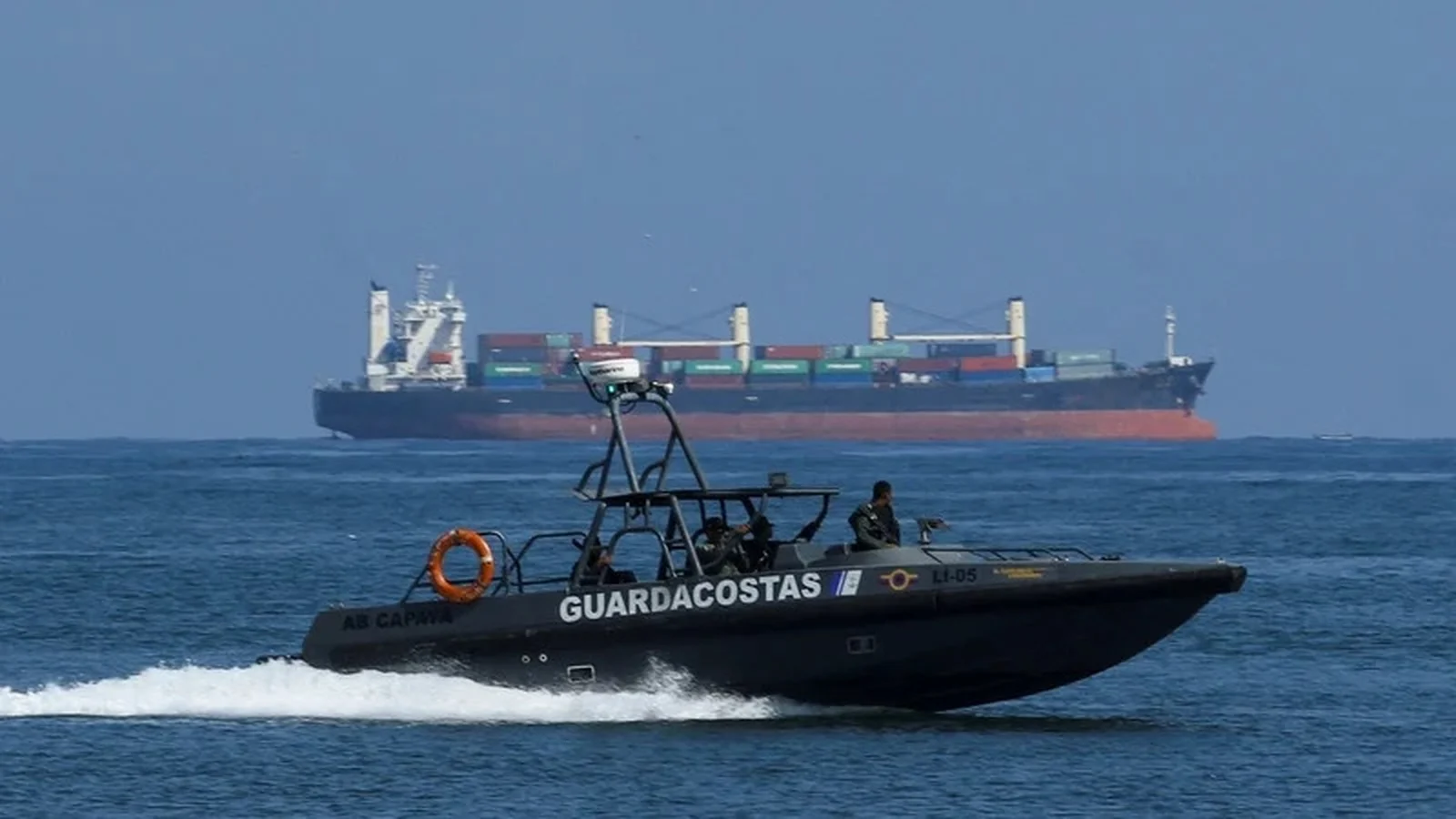
The scene, as released by U.S. Southern Command, is stark: a multi‑engine speedboat driving hard across open water, a sudden flash, and then the craft shuddering and erupting in fire. “Intelligence confirmed that the vessel was carrying illicit narcotics and transiting along a known narco‑trafficking route in the Eastern Pacific,” the command wrote. “Four male narco‑terrorists aboard the vessel were killed.”
This time the target, officials said, was a vessel operated by a “Designated Terrorist Organisation.” But for many, the labels — terrorist, narcotics trafficker, maritime target — don’t erase the images that haunt them: bodies in the water, a charred hull, and questions about who decided what and why.
The Politics of Precision
In Washington, the strike reopened a political fight that had been simmering for weeks after an earlier September engagement. That incident — in which U.S. forces struck wreckage of a boat that had already been struck and reportedly killed two survivors — has become the fulcrum of outrage and legal scrutiny.
“It is one of the most troubling things I’ve seen in my time in public service,” said Representative Jim Himes after viewing extended footage of that earlier strike at a classified briefing on Capitol Hill. Lawmakers were shown material that the public has only seen in clipped portions, and reactions ranged from moral alarm to firm defense.
“The first strike, the second strike, and the third and the fourth strike on 2 September were entirely lawful and needful,” countered another lawmaker at the briefing, underscoring the deep partisan divide over the campaign’s legality and necessity.
The White House and Pentagon have sought to draw lines of accountability — pointing fingers, in public, at Admiral Frank Bradley, the commander who oversaw the operation, and trying to distance other senior officials from the decisions that culminated in those deaths. That bureaucratic dance has done little to calm the waters.
Questions That Will Not Go Quiet
How much intelligence is enough to authorize a lethal strike on the open sea? When do suspected traffickers become “narco‑terrorists” and thus legitimate military targets? And who bears responsibility if civilians — or people rendered helpless by damage — are killed?
These are not academic questions. They are the kinds of questions that prosecutors, senators, and international law scholars will insist on answering if calls for investigations grow louder.
Coastlines, Communities, and the Human Cost
To understand what’s at stake, you must imagine the coastal towns that dot the Pacific rim: small wooden piers, markets where fish are weighed on creaky scales, women sorting lobsters under tarps, children running after stray dogs. For communities from Chocó’s mangroves to the banana‑belt ports farther north, the sea is livelihood and risk, history and hazard.
A fisherman in one such town, who asked not to be named for fear of reprisal, told me, “We have always known the sea takes. But this is different — I can smell the smoke from a strike and think of fathers we know who were on those boats.”
There are also practical fears. Increased militarization of sea lanes — carrier strike groups, surveillance drones, and fast coastal interdiction teams — can make life harder for legitimate mariners. Routes once used by small traders and fishermen are now monitored for narco‑traffic, and some captains say that the heightened tempo of patrols interferes with seasonal fishing grounds and raises insurance and operating costs.
Regional Ripples: Diplomacy and Distrust
It was predictable that Latin American capitals would react. Venezuela’s President Nicolás Maduro has accused the United States of using a counter‑drug campaign as a cover for regime change — a charge the U.S. rejects — and regional leaders, from coastal ministers to human‑rights advocates, have warned of blowback.
“Aerial or naval power cannot substitute for development,” said a Latin American policy analyst in Bogotá. “If we want to choke the narco‑economy, we need more than bullets: we need rule of law, job creation, and regional cooperation that isn’t perceived as occupation.”
For some governments, tighter cooperation with the United States has been embraced as pragmatic. For others, it is a sovereignty test. The image of the U.S. deploying what the White House described as the world’s largest aircraft carrier and other assets to the Caribbean — ostensibly for counter‑narcotics operations — rekindles old memories of intervention and a skepticism about motives.
Data and Dilemmas
Public figures offered by U.S. officials and international agencies show why the administration casts the problem in stark terms: cocaine and other illicit substances move westward across the Pacific and into markets where demand is high. The U.S. labels certain groups “narco‑terrorists” when they are believed to use drug profits to fund broader violent campaigns, an assertion that raises legal thresholds for kinetic action.
Still, the tally of more than 87 lives lost in this campaign — a number that has multiplied through a series of engagements — begs a sobering question: are we willing to accept this body count as the cost of disrupting supply chains? Or does the number force a rethink of tactics?
Voices from the Sea and the Halls of Power
On the docks, people speak in short, blunt sentences. “We don’t want traffickers, but we also don’t want our boys shot like prey,” one dockworker said, tapping the wood beneath his palm as if to measure the pulse of the place.
In Washington, the conversation is more procedural. A congressional aide explained, “Members wanted to see the raw footage. They wanted to know what the commanders saw in the moment. That’s how oversight works — you hold the wielders of force to account.”
And in a neighborhood clinic in a coastal town, a nurse shrugged and said, “We have drug addiction here, we have poverty here. Strikes on boats don’t feed mouths.”
Where Do We Go From Here?
There are no easy answers. The ocean is vast and indifferent. Narcotics networks are adaptable. Political rhetoric promises decisive action; law and ethics demand restraint and proof. The cameras that captured those blazing boats have given the public a rare view into the mechanics of modern warfare against non‑state actors, but they have also raised a mirror question: what kind of country — and what kind of world — are we willing to build with this tool?
As you read this, consider the tradeoffs. Is it sufficient to measure success in interdictions and seizures? Or should we weigh the shadow costs — the families left behind, the diplomatic strains, the legal precedents? What would you do if charged with protecting citizens while preventing state overreach?
The sea will keep moving. The debate will not. And those who live and work along the narco‑routes will continue to taste, in their lungs and memories, the tang of smoke that follows a strike. Whether that smell becomes a promise of safety or the scent of a campaign gone too far is a choice that belongs to all of us, not just to commanders at sea.