Sun, Sand and the Shadow of War: A Quiet Florida Room Where Big Decisions Stir
On a humid Florida afternoon, the glitter of palms and the distant rumble of traffic belie the gravity of a conversation unfolding behind closed doors.
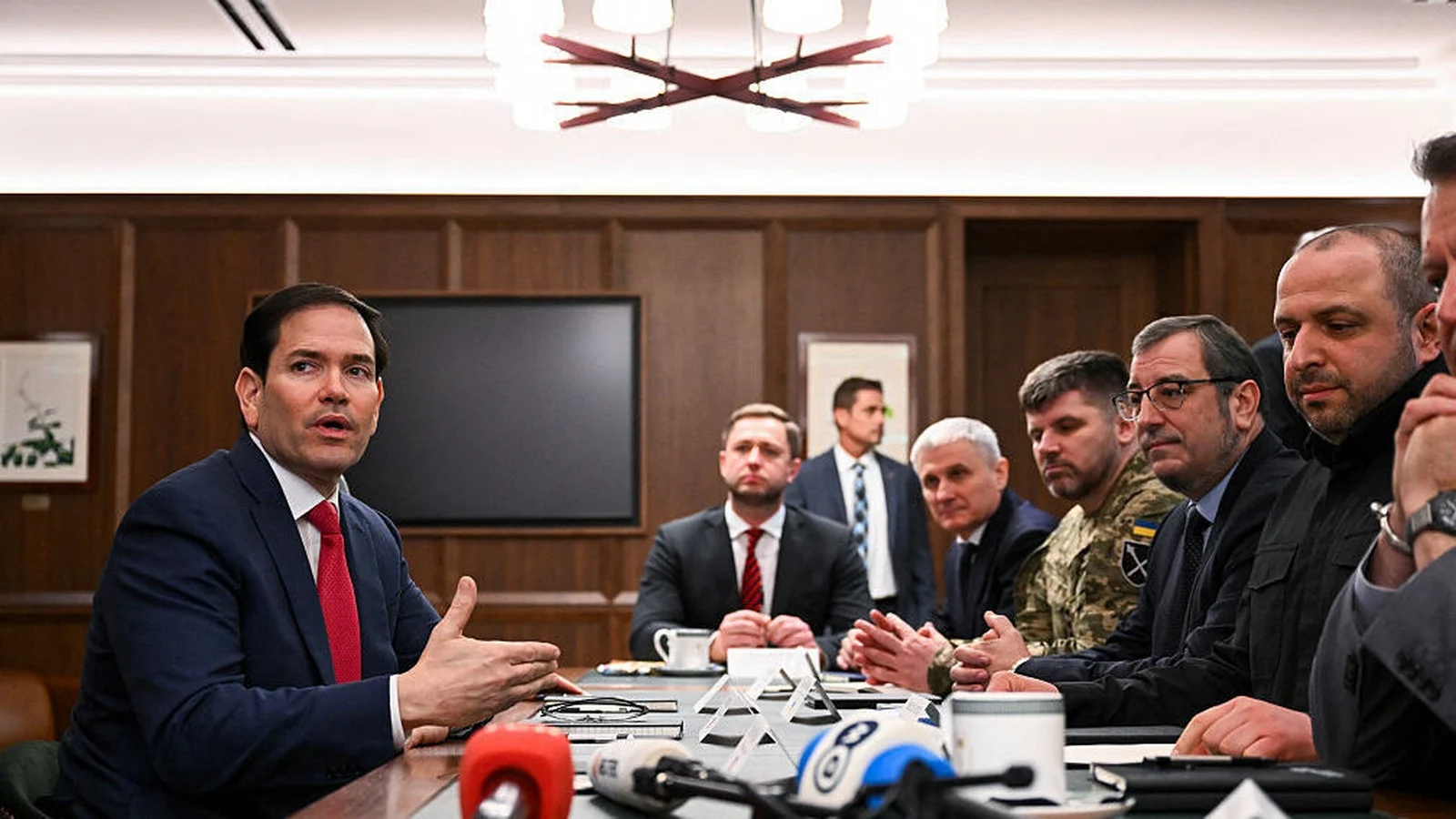
It was an unlikely stage: a conference room cooled by air-conditioning and florescent lights, where U.S. and Ukrainian officials sat across from one another and tried, in practical terms, to sketch the outlines of peace. Outside, tourists ambled; inside, maps and timelines were spread like battle plans, not for invasion but for negotiation.
“We came here to be purposeful,” one U.S. official said afterward, voice low and urgent. “There is a lot of detail to work through, and we know which interests cannot be compromised.”
That blend of pragmatic urgency and cautious optimism was the tenor of the meeting. It was described by participants as “very productive” — a phrase that, in diplomacy, usually means the hard work of piecing together competing priorities has begun, not that a treaty is signed.
Private Envoys, Public Stakes: The Witkoff Journey to Moscow
Within days of the Florida talks, an unusual diplomatic thread was set to continue in Moscow. Steve Witkoff — introduced by the White House as a special envoy — prepared to fly eastward, carrying with him the hope of translating negotiators’ progress into a conversation with the Kremlin.
Witkoff’s trip illustrates one of the more modern quirks of international relations: diplomacy that mixes official channels with private, high-level intermediaries. That blend can accelerate talks — or complicate them. It raises questions: who speaks for a nation in moments of existential consequence, and how are private actors held accountable for outcomes?
“When private envoys step into statecraft, they bring flexibility,” said an international affairs analyst. “But they also test the limits of transparency. The public deserves to know the red lines that cannot be crossed.”
Priorities on the Table: Security, Sovereignty, and Rebuilding
According to Kyiv’s negotiating team, three priorities guided the talks: protecting Ukraine’s territorial integrity, ensuring any dialogue is substantive rather than cosmetic, and building on prior progress made in Geneva. Those aren’t just diplomatic phrases — they are lifelines for a country that has been living with war for more than three years.
The broader picture is unmistakable. Millions of Ukrainians have been displaced inside the country and abroad; whole neighborhoods and critical infrastructure have been damaged repeatedly. International institutions have warned that reconstruction will require long-term investment in the hundreds of billions of dollars — a scale of rebuilding that will reshape Europe for decades.
“We’re not bargaining over lines on a map,” said a Kyiv negotiator who attended the Florida meeting. “We’re bargaining over how families can come home, how power will be restored, how our schools and hospitals will be rebuilt. That changes the way you negotiate.”
Corruption, Confidence, and a Fragile Trust
Trust is the fulcrum of any lasting deal. President Trump expressed hope that the Florida meetings could lead to a breakthrough, but he also warned that a corruption scandal surrounding Ukrainian officials — widely reported and hotly contested — “was not helpful.”
For many Ukrainians, the word “corruption” is a painful one: decades of graft had hollowed out institutions long before 2022. Tackling it is essential not only to build international confidence but to ensure that billions of dollars of aid and investment actually reach the hospitals, the roads, and the businesses that will sustain reconstruction.
“We know there are errors in our past,” said a Ukrainian reform advocate. “But asking the country to be perfect while it’s still under fire is unreasonable. The goal must be to build systems of accountability that survive the peace.”
The Human Cost: A Drone Strike Near Kyiv and the Everyday Toll
Diplomats met and planned while, back home, the war’s violence carried on in small but devastating ways. A Russian drone strike on the outskirts of Kyiv’s Vyshhorod district killed one person and wounded eleven, including a child, regional officials said. Rescue workers picked through shattered glass and bent metal; neighbors gathered coats and tea for the injured. A local woman, her voice hoarse from crying, wrapped her hands around a thermos and said, “We hold our breath each night. We tuck the children in and pretend the next knock on the door is just the wind.”
These aren’t statistics on a page. They are real lives interrupted — the baker whose oven has been dark for months, the teacher who turned her classroom into a shelter, the elderly man who still tends his balcony tomatoes despite the risk.
Rebuilding, Reimagined: New Appointments and the Long Game
President Volodymyr Zelensky made a significant administrative move amid the diplomacy. He appointed Oksana Markarova, formerly Ukraine’s ambassador to the United States, as his adviser on reconstruction and investment. This signals a recognition that diplomacy and reconstruction are two sides of the same coin: you cannot negotiate a durable peace without planning for the economic and social revival that will hold it together.
“We have to build not just houses but hope,” said a Western reconstruction strategist. “Investors need guarantees. Citizens need services. Both require strong institutions and clear priorities.”
Markarova’s American experience and ties to international finance could be pivotal in marshaling private capital, diaspora investment, and multilateral funds toward rebuilding critical energy grids, hospitals, and schools. But she will face the classic headache of post-conflict recovery: how to ensure speed without sacrificing oversight.
What Would Real Security Guarantees Look Like?
For Kyiv, “security guarantees” are not a rhetorical flourish — they are a prerequisite. What form those guarantees take — NATO accession, bilateral defense pacts, neutral status with strong external guarantees — could define the contours of peace for years. Each option carries political and military reverberations across Europe and beyond.
Ask yourself: how do nations balance the immediate hunger for peace with long-term stability? How much sovereignty can be preserved if external powers must guarantee Ukraine’s safety? These are not theoretical concerns. They will shape lives everywhere, not just in Kyiv.
Why This Matters to the World
The Florida talks, the private envoy’s flight to Moscow, the appointment of a reconstruction czar, and the ongoing attacks near Kyiv are all chapters in a larger story — one where the norms of international law, the integrity of democratic institutions, energy security, and migration patterns intersect.
Europe’s energy grids, global grain supplies, and the architecture of collective security have already been altered. The financial cost of rebuilding Ukraine will test the globe’s willingness to invest in stability rather than short-term gains.
So as diplomats shuttle across continents and negotiators map out contingencies, we should ask: what kind of peace are we willing to fund and protect? What sacrifices will we demand — and which lines will we refuse to cross?
Closing Thoughts
When the Florida rooms empty and the envoys fly, ordinary people in Ukraine will still wake to sirens, repair crews will still mend power lines, and parents will still whisper reassurance into cold bedrooms. Diplomacy is essential. So is patience, persistence, and a hard-headed commitment to rebuilding lives, not just borders.
We watch, and we wait: for concrete guarantees, for the cash and governance to rebuild, and above all, for a peace that Ukrainians themselves can call their own. Will the global community step up to that test? Only time — and courage — will tell.