Night of Gunfire in Iowa City: A College Town’s Morning of Shock
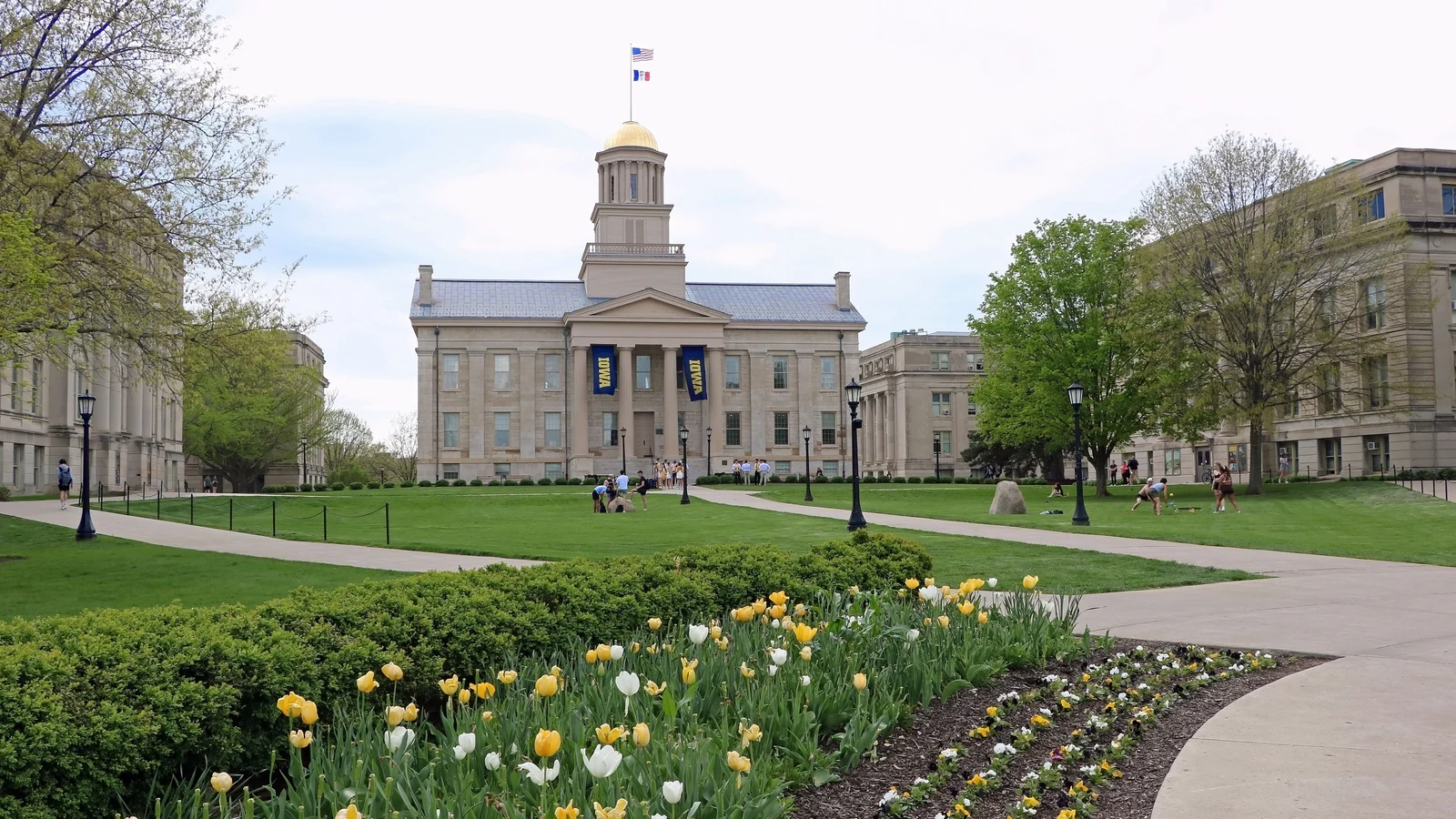
Just after 2am on a chill Midwest morning, the usual hum of Iowa City’s nightlife—laughing groups spilling from College Street bar doors, the distant whoosh of the Iowa River, the neon steadiness of the Hawkeye banners—was ripped open by something stranger and darker: the crack of gunfire.
It happened in a pocket of town that students and locals think of as familiar, almost domestic—a stretch where corn-fed Midwestern friendliness meets late-night revelry. Within minutes, emergency alerts flashed across phones: “Active shooter” was not the language used, but the message was unmistakable—stay away, remain vigilant.
First responders and the scene
The Iowa City Police Department arrived to reports of a “large fight” and, according to officials, “heard gunfire” when they reached the scene. In a terse statement released as daylight dragged itself over campus, city leaders confirmed that multiple people had been taken to area hospitals with gunshot wounds and that no arrests had been made.
“We’re treating this as an active investigation,” said a man identifying himself as Captain Mark Reynolds, his voice steady with the practiced calm of someone who has seen too many emergency scenes. “Our priority remains the safety of students and residents. We are working through leads and asking anyone with information to come forward.”
The university, echoing the police, said there were confirmed victims and urged people to avoid the area around College and Clinton streets. In the morning, the Pedestrian Mall—normally a place of coffee shops, bookstores, and bicycle bells—felt brittle and tentative, its usual playlist of college life briefly muted.
Faces in the crowd
Talk to anyone in Iowa City, and you get a mosaic of reactions. “I woke up to alerts and the sirens were nonstop,” said Lina Torres, a junior studying English who lives two blocks from the scene. “You never expect this in a town like this. Everyone feels safe. Then something like this happens and you realize how fragile that is.”
Across the street from a shuttered bar, Dan O’Malley, whose family has run a late-night diner in the neighborhood for decades, shook his head. “College towns are supposed to be where you grow up without too much fear,” he said. “Now parents are calling at 4am asking if their kids are okay. It’s heartbreaking.”
Hospital spokespeople confirmed that multiple victims were treated, but as of the first public disclosures, the conditions and identities of those hurt were not being released. “We’re focused on care and supporting families,” a representative told reporters, the lines around his eyes betraying long hours.
Where this sits in a larger pattern
This incident is not an isolated blip; in the United States, gun violence is a recurring, stubborn reality. According to the Centers for Disease Control and Prevention, tens of thousands of people die from firearms every year, and many more are injured. The human cost ripples out through classrooms, dorms, and neighborhoods, reshaping how communities think about freedom, safety, and everyday life.
Campus shootings have scarred universities across the country in recent years. Less than four years ago, a gunman opened fire at Brown University, leaving two dead and several wounded in a classroom; earlier this year, a different campus in the Southeast also reported fatalities after gunfire. Each event reignites familiar debates—about gun access, mental health services, campus security, and the role of law enforcement—while the people most directly affected try to put their days back together.
Experts weigh in
“What we are seeing is a public health crisis manifesting in educational spaces,” said Dr. Ayesha Khan, a researcher who studies firearm injury prevention. “When young adults are shot on campuses or in downtown entertainment districts, the ripple effects go beyond the immediate injuries. Attendance drops, enrollment fears grow, and mental health needs spike. That’s a long tail of consequences.”
Dr. Khan pointed to national patterns: research shows that places with concentrated nighttime economies—clusters of bars, venues, and student housing—can become hotspots for violent incidents when other layers of prevention are absent, whether that means fewer trained security staff, limited lighting, or a cultural tolerance for risky behavior late at night.
How a town copes
In the hours that followed the shooting, Iowa City mobilized the familiar routines that come out of long experience: emails from the university, community prayer vigils announced on social media, counselors dispatched to student housing, and additional patrols on the streets. A small memorial of flowers and candles appeared near the scene by late afternoon, strangers leaving notes that read, simply, “We are with you.”
For students, grief mixed with adrenaline. “You feel numb,” said Jamal Peters, a graduate student in sociology. “There’s this immediate worry—are my friends okay?—and then a slow, settling fear. You start to look at things differently: which streets you walk at night, who you text when you leave a party.”
The university also reminded students of on-campus resources: mental health services, 24/7 hotlines, and reporting tools for suspicious activity. Small acts of solidarity—students sharing rides home, professors postponing classes—helped stitch the day back together.
What can be done?
No single answer will stop all violence. But communities across the U.S. are experimenting with layered approaches: improved campus lighting and design, increased and trained civilian responders, robust student mental health programs, and policies aimed at limiting access to firearms for those at immediate risk. Here are a few measures towns and universities often consider:
- Investing in violence-prevention programs and conflict de-escalation training for bar staff and campus security.
- Enhancing communication systems so students receive clear, timely alerts on their devices.
- Expanding counseling and support groups to address trauma and prevent escalation.
- Working with local government on ordinances that promote safer nightlife districts through lighting, transport options, and regulated capacity.
Questions that linger
As the investigation unfolds and the wounded recover, bigger questions press in: How do we balance the freedoms of college life with the real needs for safety? What role should local and federal policymakers play in preventing future tragedies? And how do communities heal when a place that felt like home suddenly feels unsafe?
For now, Iowa City is a portrait in resilience: students creating impromptu support groups, bar owners opening their doors for those who need to talk, and local leaders promising transparency as the facts are pieced together. But resilience is not a substitute for prevention.
What would you do if your town faced this kind of shock? Walk home? Hold a vigil? Demand policy change? The answers we choose will determine whether these late-night streets are, again, just the backdrop for youthful laughter—or whether they remain haunted by a memory no one wanted.