At the Whispers of Westminster: A Prime Minister on the Brink
There are places in London where secrets gather like rainwater in the gutters — outside the red benches of the Commons, in the tiled corridors of Downing Street, and in the anonymous rooms where advisers pass folded-up memos like contraband. This week those places are alive with a different sound: not the clack of shoes on stone but a soft, urgent murmur that feels dangerously like doubt.
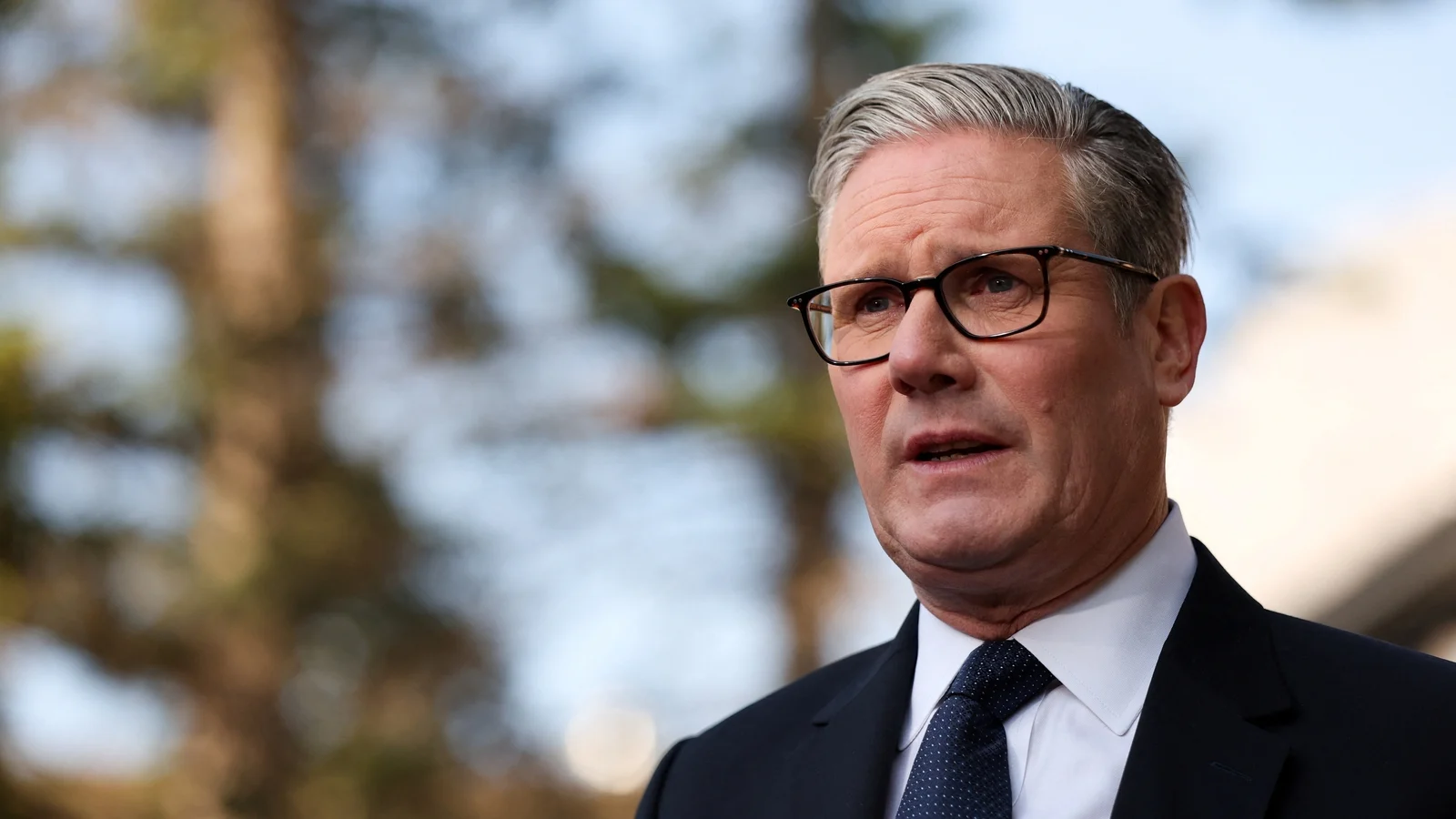
Keir Starmer, barely a year into a government born of a decisive 2024 victory, finds himself walking that thin ridge between authority and vulnerability. At the center of the storm is a decision that once seemed routine: the appointment of Peter Mandelson as the UK’s ambassador to the United States.
Now, with tens of thousands of emails, messages and documents slated for release in the weeks ahead, the Mandelson file has become a slow-burning fuse. Reports suggest these records may lay bare links between Mandelson and Jeffrey Epstein that were downplayed, misunderstood, or missed during vetting. The implication: the government’s judgment — and Starmer’s — is under fresh, public scrutiny.
Resignation, Responsibility, and a Cabinet in Conversation
On Tuesday, Morgan McSweeney, the prime minister’s chief of staff and a man credited in Downing Street with steering Labour to its 2024 triumph, resigned. In a brief statement he accepted “full responsibility” for advice that culminated in what many now call the “wrong appointment.” Starmer praised McSweeney’s “dedication, loyalty and leadership,” yet that praise has been swallowed up by criticism that the buck stops at the top.
“This is not a garden-variety personnel row,” said a senior Labour MP in the Commons tea room, speaking on condition of anonymity. “It goes to how we decide who represents Britain abroad, and who is deemed fit to hold our name.”
Across the political spectrum, voices of alarm have multiplied. On the left of Labour, MPs warned that the party must cleanse itself of “factionalism” — a word that carries the scent of internecine struggle. Trades unions, traditionally holding sway with the party base, have been blunt: calls for a leadership contest and outright resignation have come from union leaders worried about electoral risks in forthcoming local and mayoral contests.
Files, Facts and the Weight of the Past
Why does a diplomat’s appointment matter so much? Because the story is layered. Jeffrey Epstein, a financier who was convicted of sex offences in 2008 and died in custody in 2019, left behind a web of acquaintances that has for years tantalised journalists and investigators. Peter Mandelson — architect of New Labour’s rise, a former European Commissioner and a man whose fingerprints are on the UK’s modern political architecture — is not a stranger to controversy. That combination invites intense scrutiny.
Downing Street insists the vetting process was followed and that security services were asked to look into Mandelson’s account of the relationship. Starmer and McSweeney have argued that what was known publicly at the time pointed to a limited connection. Yet the incoming trove of internal correspondence could reveal more nuance — or more risk.
“The release of these documents is exactly the sort of cold sunlight that clarifies messy decisions,” said Dr. Amina Patel, an ethics scholar at a London university. “It’s not just about one man — it’s about institutional memory, the culture of making and defending appointments, and whether that culture serves democratic transparency.”
Inside the Room: A Meeting with Consequences
Starmer is expected to face the Parliamentary Labour Party (PLP) this week for a frank discussion. The silvered windows of Portcullis House will reflect a party at a crossroads — still proud of unseating a fractured opposition in the general election, yet nervous about narrative and tone as the public digests revelations about the Mandelson-Epstein nexus.
“This is a test of leadership,” said a woman who works as a researcher for a backbench MP. “People want to know: did we appoint someone because he was useful in Washington? Or did we excuse behaviour because he belongs to the club?”
It’s a question that reaches beyond personalities and into how modern democracies reconcile power with accountability. Around the world, publics are increasingly intolerant of elite networks that appear to shield their own. Transparency, for many voters, is no longer a courtesy — it’s a prerequisite.
Voices From the Ground
- “We didn’t vote for a return to old boys’ networks,” said Joana Mendes, a teacher in Manchester. “If the government can’t show it took this seriously, we’ll feel betrayed.”
- “A resignation is a start, but what we need are systems that prevent this happening again,” said Steve Harris, a local councillor in Sheffield. “Are vetting procedures fit for purpose? That’s the real question.”
- “The files have to be released. People deserve to know,” added a former civil servant who tracked ministerial appointments. “Opacity is the enemy of trust.”
What This Moment Reveals About Politics Today
There is a broader lesson in the Mandelson controversy: the endurance of networks and the fragility of reputations. In democracies everywhere, questions are surfacing about who gets to represent the nation and on what basis. The immediate outcome for Starmer’s leadership is uncertain — some allies insist he remains steady, others whisper that his hold is “narrower and much steeper.”
But beyond the immediate theatre of leadership survival, the episode forces a more basic civic reckoning. How do modern governments vet those who hold power? How do institutions guard against conflicts of interest when influence and access can be mistaken for qualification?
“We are living through a season where legitimacy must be earned daily, not assumed,” Dr. Patel said. “When the public sees secrecy, they assume self-interest.”
A Waiting Game, With High Stakes
In the coming days, as documents trickle into the public domain and as Starmer walks into rooms to answer questions both pointed and polite, the UK will watch. Will this be a hiccup on a steady course, or a turning point that reshapes Labour’s internal alliances and the government’s public mandate?
For voters, the real question remains: what do we want from those who govern us? A capacity to navigate difficult relationships on the world stage, or a commitment to clear-eyed integrity at home? Perhaps it can be both. But resolving that tension will require more than words of regret — it will require reform, honesty, and a willingness to let daylight in.
As Westminster waits for another instalment in this unfolding story — another statement, another email, another resignation or defence — one thought lingers in coffee-stained offices and high-ceilinged committee rooms alike: in politics, trust is earned in small acts as much as grand gestures. Will the coming disclosures be a reckoning, or an opportunity to rebuild? That, for now, is a question only time and transparency can answer.