Polling Day in Britain: A Nation’s Quiet Reckoning
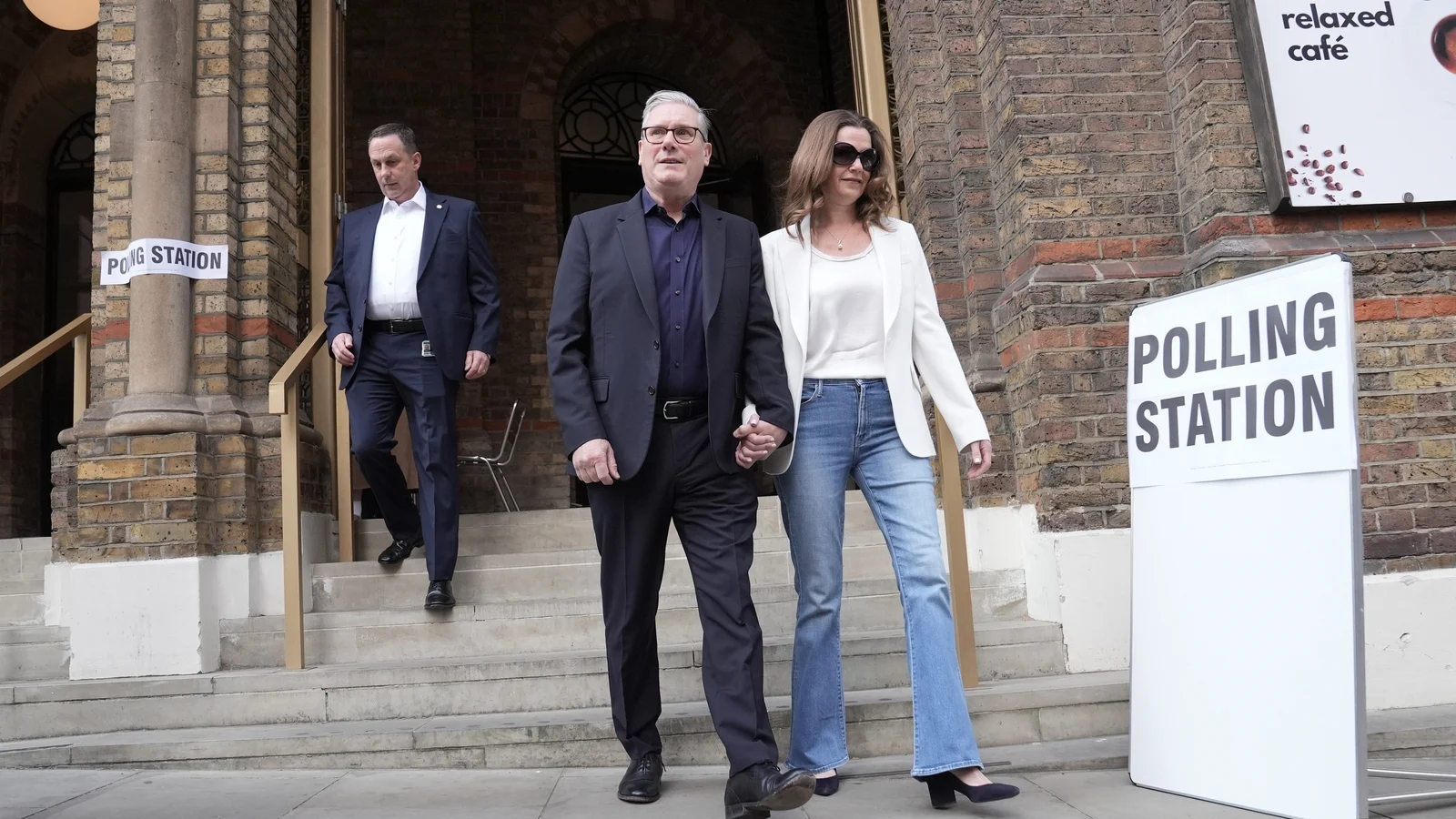
The caravan looked almost comical parked beside the village green in Duxford — a domestic relic turned temporary temple of democracy. A grandfather in a flat cap shuffled inside to cast his vote; a teenager rolled up in a hoodie, more curious than committed. Outside, the spring sky threatened rain and a small radio played football scores, punctuating the low hum of conversation. This ordinary scene is, in microcosm, where Britain’s big political questions are being judged.
Today’s local and devolved elections are not just another item on Britain’s civic calendar. They are a stress test for a prime minister whose party swept to power only months ago, a barometer for the surge of newer parties, and a referendum — of sorts — on whether voters want stability or upheaval. Across England, Wales, and Scotland, nearly 25,000 candidates are vying for more than 5,000 council seats on 136 local authorities. In Westminster’s quieter corridors, officials and activists are watching the numbers pop up on spreadsheets like heartbeat monitors.
High stakes, stark numbers
Poll-watchers have been bitterly candid: some analyses suggest Labour could lose around 1,850 council seats across England. In Wales, forecasts have been even harsher, with the governing party bracing for a defeat at the Senedd that would be its first national loss in over a century. And it isn’t just about local councils — every Scottish Parliament seat (129 in total) and 96 Senedd places in Wales are up for grabs.
“Local elections are where national stories get translated into human terms,” said a political analyst I met in a café in Leigh-on-Sea. “They tell us what people are worried about on their doorsteps: bins, broken pavements, adult care. But they also tell us whether the national mood has soured. Right now, that mood looks fragile.”
Voices from the voting queue
At a portable polling station in Leigh-on-Sea, volunteers swapped anecdotes as voters came and went. “We had a stream of people this morning — pensioners, parents, nurses,” said Aisha, a 57-year-old poll clerk who has worked elections for two decades. “Some are angry, some are hopeful. A lot simply say: ‘We want someone who will sort things out.’ That can mean very different things for different people.”
On the doorstep in a terrace near Manchester, an NHS worker named Daniel put it bluntly: “I voted Labour in the last election because I needed stability at work. But I can’t help feeling the promises haven’t landed. People are worried about bills and care. We need to see that change, otherwise what was the point?”
Opposite him, a small-business owner in Hampshire shrugged. “I want competence. I want local taxes predictable, the high street breathing again. I don’t care for the theatre of Westminster — I want roads and safety.”
Leaders’ appeals and modern political theater
The campaign trail has been a theatre of contrasts. The prime minister has framed the vote as a test of unity. “In tough times,” a Downing Street spokesperson summarized in the run-up to polling, “the government must stand up for families and keep the nation steady.” That appeal to steadiness sits uneasily with rumours of internal dissent: whispers of a backbench letter urging the prime minister to set a timetable for stepping down if results are poor have circulated in parliamentary corridors, and debates about recent diplomatic appointments have sparked fresh controversy.
Across the aisle, the Conservatives insist they are the only party able to deliver on immediate bread-and-butter issues — cheaper energy, more cops on the beat, relief for high street businesses. “We know where we went wrong and we’re fixing it,” said a regional Conservative councillor I spoke to. “This election is about competence, not slogans.”
On the fringes of the political map, newer parties have coached themselves as change agents. Reform UK, buoyed by a spectacular performance in last year’s local contests, has pushed a straightforward message: deliver decisive change now. “If you want real change, vote for it,” a Reform campaigner said at a hustings.
The Liberal Democrats and Greens, meanwhile, have pitched themselves as guardians of decency and local championing. “We’re calling on voters to back people who will work hard on the ground – not just shout in Parliament,” said a Lib Dem canvasser in Hull.
What’s at stake beyond seats
Local elections may appear parochial but they ripple outward. They shape who manages planning decisions, social care, housing allocations, and local policing priorities. They also influence national narratives: a poor showing for the governing party can embolden rivals and intensify internal leadership battles. The financial markets notice too; investors watch political stability and policy coherence closely.
“These contests can change the conversation inside party rooms,” said a seasoned political strategist who asked not to be named. “If leadership is perceived as weak, the instinct is to look for someone who can reset the agenda. That’s when you see rumours and manoeuvres. It’s messy, and often overblown, but it’s real.”
Statistics and the wider picture
- More than 5,000 council seats are contested across 136 English councils.
- Nearly 25,000 candidates stood for election.
- All 129 Scottish Parliament seats and 96 Welsh Senedd seats are also up for grabs.
- One forecast suggested Labour could lose roughly 1,850 council seats in England.
These figures are not just numbers on a sheet; they represent real offices that influence people’s daily lives. They tell us where power will be localised for the next four years and beyond — or where it may fragment into coalition and compromise.
Beyond the ballot: reflection and stakes for democracy
As evening draws near and counters in council chambers flick on their screens, voters will wonder if their little sheet of paper made a dent. Will this be the poll that forces a national rethink? Or will it be another episodic jolt in Britain’s churning political life?
“I don’t expect miracles,” said Marie, a retired teacher leaving the polling caravan in Duxford. “I just expect people to try. That’s what I want more than anything — effort.”
What do you expect from your local representatives? When politicians argue about national strategy, who is there to fight for your pavement, your school, your care home? Today, in a caravan and a church hall and a community centre, the choices being made may not feel historic in the dramatic way we often expect. But history is made of small things. The future is, often, decided one ballot at a time.