A nation in candlelight: remembering Kumanjayi Little Baby
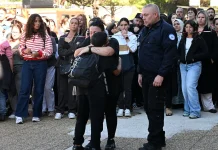
On a cool evening that smelled of red dust and eucalyptus, towns and cities across Australia flickered with the same quiet light: hundreds of candles held aloft, tiny flames bowing in the breeze, pink scarves and ribbons catching the streetlamps. They were small, warm beacons — and together they formed a country-sized chorus of grief, anger and a searching for answers.
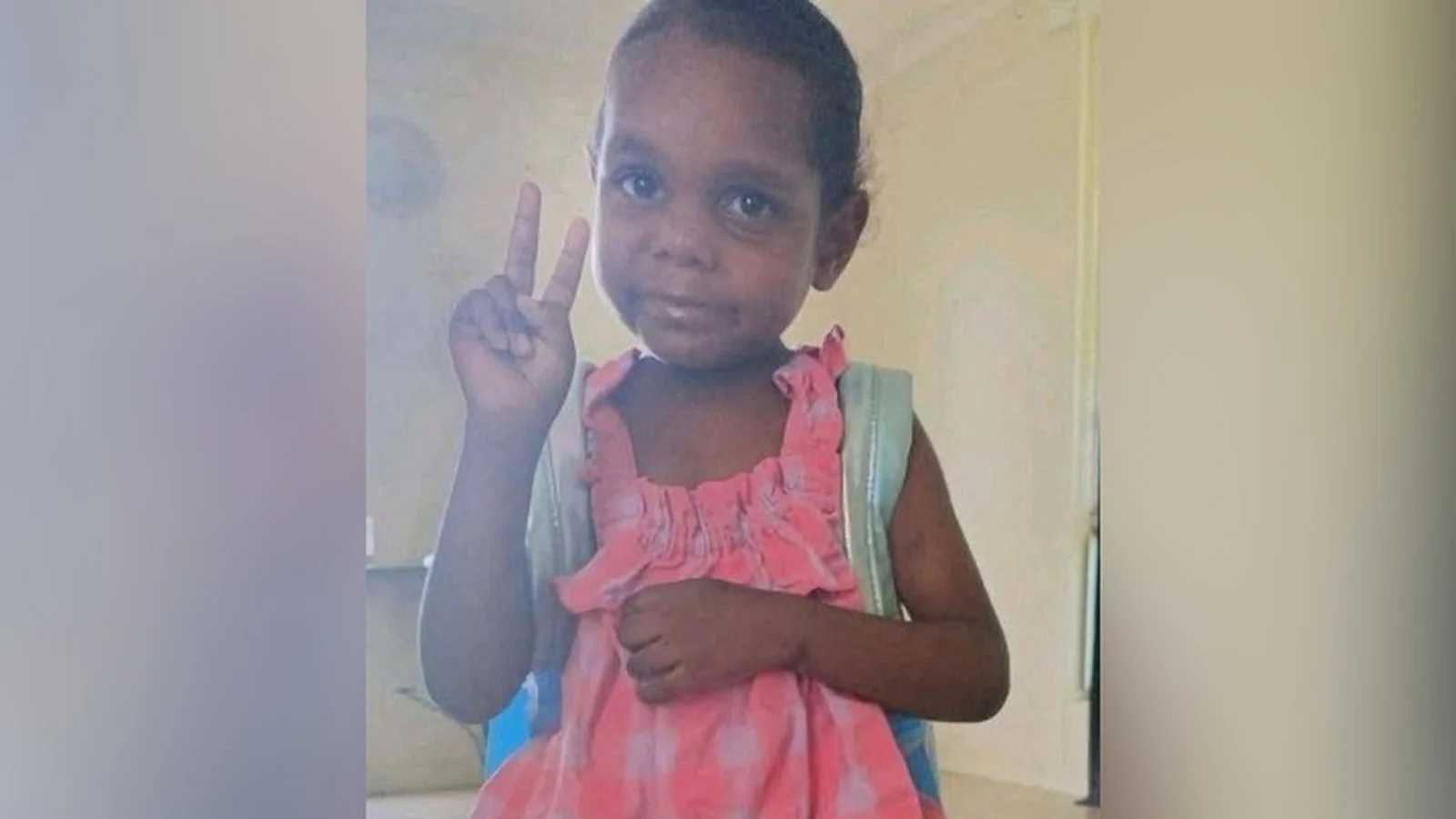
The name at the center of that chorus is Kumanjayi Little Baby, a five-year-old whose disappearance on April 25 and whose death after a five-day search has shaken communities from the shadow of the MacDonnell Ranges to Sydney’s harborside. Her death has also reopened raw conversations: about the safety of Indigenous children, the tensions between law and customary practice, and what justice looks like in a nation still grappling with a colonial past.
From disappearance to vigil
It began, as many tragedies do, with the frantic scramble. Volunteers — hundreds of them — joined police and local rangers to comb dense bushland and river red gum stands on the outskirts of Alice Springs, the desert town many locals still call Mparntwe. Tracks were followed, calls were made, helicopters scanned the red plains. Five days later, authorities found Kumanjayi dead. A 47-year-old man, Jefferson Lewis, was charged with her murder and two separate offences that cannot be publicly disclosed under reporting restrictions.
In towns and cities around the country, people gathered to remember her. Organisers asked mourners to wear pink — Kumanjayi’s favourite colour — and to bring candles. The image of strangers standing together in a soft, collective glow became the public face of what private grief and communal responsibility look like.
The Outback’s storm: payback and sorry business
In Alice Springs, the grief spilled over into a deeper, culturally specific response. A crowd estimated at around 400 Indigenous people gathered to demand what they called “payback” — a term that, to many Australians unfamiliar with the nuance, can conjure images of retaliatory violence. Within Aboriginal communities, however, the word sits within a broader lexicon of customary law, where retribution, restoration and balance mingle in practices that vary between nations.
Many in Alice Springs entered “sorry business” — the traditional period of mourning that governs behaviour, speech and ceremony after a death. For days the town was quieter in some parts, and louder in others: quiet, where conversations were held in whispers and families retreated to mourn; loud, where public meetings, songs and ritual kept the community’s grief visible and collective.
“We are hurting. Our children are our responsibility,” said Aunty Marlene (not her full name), an Arrernte elder who spoke with a voice both soft and fierce. “This isn’t about law alone. It’s about how we care for our kids when everything around them is pushed to the edge.”
Voices from the vigils
At a candlelight vigil in Sydney, a mother of two stood with a hand over her mouth, tears catching the flame light. “You don’t expect a child to be taken. You don’t expect to be lighting a candle for someone else’s little girl,” she said. “But we come together so she isn’t forgotten.”
Police issued statements expressing condolences and stressing that charges had been laid. “We mourn with the family and the community,” a senior officer said. “Our priority is a thorough investigation and ensuring the legal process runs its course.” Still, in many remote communities there remains a fraught relationship with policing — a history of mistrust that complicates how justice is both sought and received.
Dr. Amelia Carter, an Indigenous studies scholar, told me: “What we’re witnessing is grief refracted through structural inequalities. It’s not just the violence of one act; it’s the slow violence of dispossession, overcrowded housing, under-resourced services, and a justice system that doesn’t always speak the same language as customary law.”
Context and numbers that matter
These are not abstract concerns. Indigenous Australians make up roughly 3% of the national population but are disproportionately represented in many adverse statistics: they account for a far larger share of the prison population, for overrepresentation in child protection systems, and for poorer outcomes in health and housing in many parts of the country.
The Northern Territory, where Alice Springs sits, has one of the highest proportions of Indigenous people of any Australian jurisdiction; in too many remote communities, services that urban residents take for granted — mental health support, early childhood programs, stable housing and secure employment — are stretched thin.
Local color: life at the town edge
In Alice Springs, life is framed by the land: the MacDonnell Ranges that bleed orange at dawn, the spinifex-stippled plains, and the seasonal chatter of birds that flit between ghost gums. Children play on cul-de-sacs while elders sit in shaded verandas, cooling themselves with palm fans and cups of tea. Yet at the town’s edges, housing shortages push families into overcrowded homes and pressure points — where safety nets fray.
“You hear the kids playing, and you laugh,” said Jonah, a teacher who has worked in local schools for a decade. “But when something like this happens, you feel the fault lines. You think about how we missed the signs — or whether they were even visible to begin with.”
What the vigils asked of people
- Bring a candle
- Wear pink, Kumanjayi’s favourite colour
- Honor the family and respect the space for “sorry business”
Questions that linger
Vigils do not answer the larger questions. They are, at once, a balm and a mirror. They soothe by recognizing a loss; they reflect the deeper, systemic issues everyone must wrestle with. What do we owe to children in communities that have been historically marginalised? How can obligations under the law coexist with customary processes of healing? And how should policing, social services and community leadership work together in places where mistrust runs deep?
These are not questions with simple solutions. They demand patience, funding, cultural humility and sustained political will. Country-wide, Australians have at least one thing to decide: whether tonight’s candlelight will be another fleeting gesture — or the spark that reignites long-delayed conversations about prevention, protection and genuine partnership with Indigenous communities.
What comes next
Kumanjayi’s family will hold a vigil in Alice Springs; others will continue to hold remembrance events across the nation. For many, the immediate hope is for grieving, for community cohesion, and for a legal process that respects both the law and cultural protocols. For others, the tragedy underscores the urgent need for systemic reform.
As you read this, ask yourself: when we say “never again,” what do we mean? Is it enough to light a candle? Or must we, as a nation, light a path toward real prevention — better housing, culturally led family support, meaningful dialogue between systems?
Back in Alice Springs, as the last of the candles sputtered and the glow receded into the dark, one elder tugged her scarf tighter and said, simply: “We hold her in our stories now. But stories must be followed by change.” The country is listening. Now comes the harder part — answering.