A Shudder Across a Continent: When War Broke Open in the Middle East
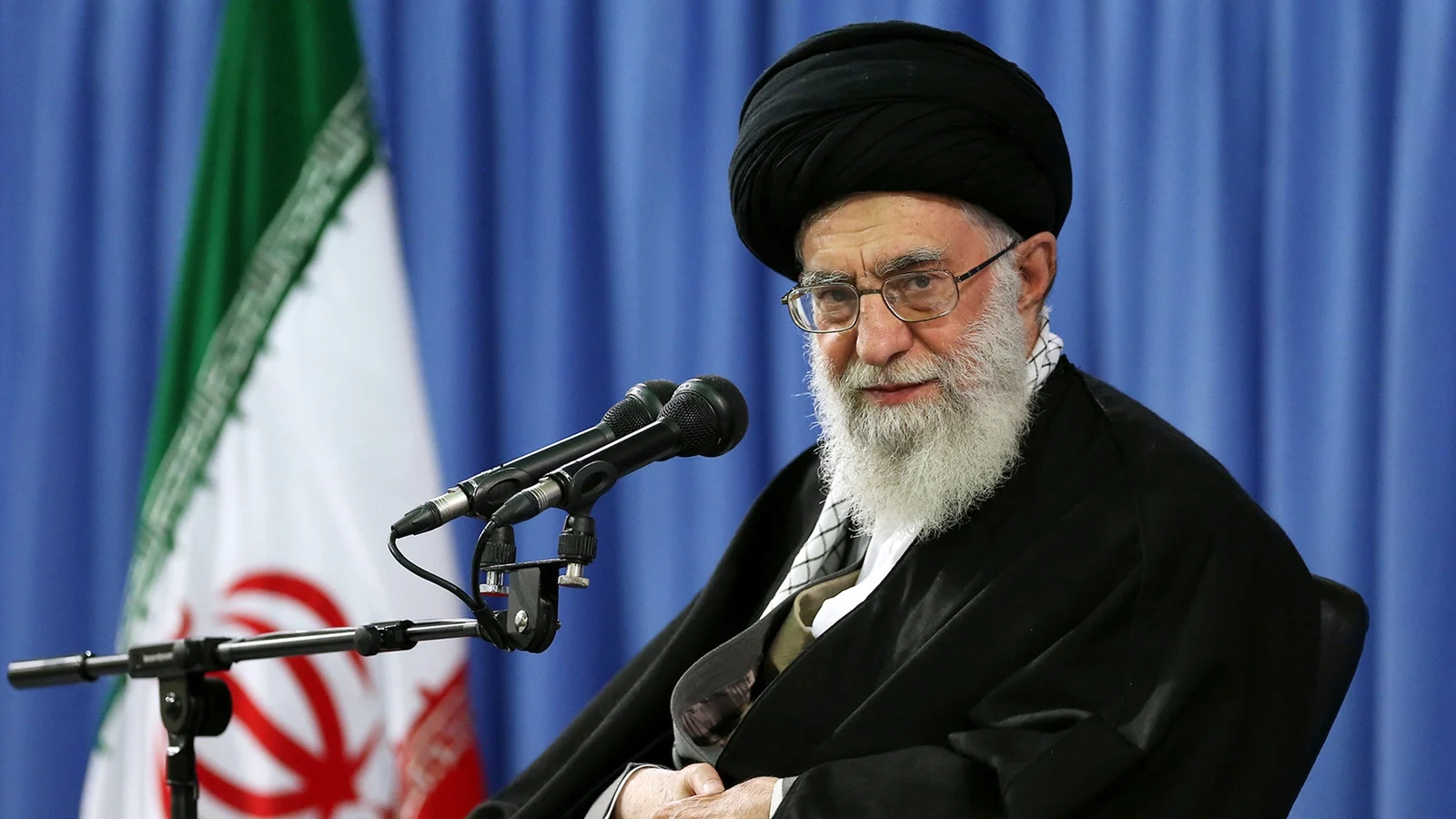
They say history comes in waves — a slow swell that becomes a wall of water. On that day, the wave broke. Morning television screens around the world lit up with a bleak headline: Iran’s Supreme Leader had been killed after what officials described as the largest coordinated strikes on Iranian soil in decades.
The news arrived like an electric jolt. In Tehran, flickers of celebration collided with long, keening sobs; in Los Angeles, members of the Iranian diaspora gathered in small, wary groups outside cafés and community centers, hugging, arguing, crying. On the trading floors of London and Singapore, traders mouthed the same word: Hormuz.
The military blows and the official response
Washington and Jerusalem said they had carried out a sweeping campaign — the Pentagon labeled it Operation Epic Fury — directed at senior Iranian leadership and scores of strategic sites across the country. Iran’s state television announced the death of the leader, ordered a 40‑day mourning period and declared seven days of public holiday to mark the loss. “With the martyrdom of the supreme leader, his path and mission neither will be lost nor will be forgotten,” a broadcaster intoned, the language of ritual and defiance rolled into one.
President Donald Trump framed the strikes as a decisive move against what he and U.S. officials described as an “imminent threat.” In a blunt Truth Social message, he said the strikes were designed “to end a decades‑long war with Iran and ensure it cannot develop a nuclear weapon.” He urged Iranians to seize the moment and “take over” governance of their country — words that landed like tinder on tinder.
Iran called the attacks unprovoked and illegal. The Revolutionary Guards warned of “the most ferocious” counter‑operation in the Islamic Republic’s history. In a terse, hard‑edged post on Telegram they vowed revenge; in Tehran’s alleyways, those words were met with equal parts fury and fear.
On the streets: mourning, celebration, panic
Walk the streets of Tehran or Karaj now and you’ll feel a city split along invisible lines. A shopkeeper in the old bazaar, wrapped in a threadbare coat, told me, “I woke up praying it wasn’t true. Then I turned on the radio and my hands were shaking. We don’t know whether to light a candle or to hide.”
Elsewhere, a cluster of young people near a university lit small fireworks in the early hours, not out of jubilation alone but as a symbolic rejection of a leadership many younger Iranians view as suffocating. “We’re tired of the missiles, the arrests, the lost futures,” said one student, voice cracking. “Does killing one man change the system? Or will it tighten the screws?”
In Isfahan, mourners draped black over public statues. In Los Angeles — where a large Iranian community has woven itself into the city’s fabric — small gatherings erupted in cheers outside a Persian market, while others stood silent, hands over their mouths, the relief and dread indistinguishable.
Damage and the wider theater
Iran’s response was immediate and broad. Hundreds of missiles and drones were launched toward Israel and several Gulf states hosting U.S. bases; many were intercepted, but some struck targets. The Pentagon reported no U.S. casualties, while Israel’s ambulance service treated at least 20 people after a missile hit a residential building in Tel Aviv. Photos circulated of a building with one side blown out, a roof collapsed like a paper cup.
Airspace in parts of the Middle East closed, airlines canceled flights, and traders braced for economic ripples. The Strait of Hormuz — the slender chokepoint through which roughly one‑fifth of global oil consumption transits — was declared closed by Tehran. Markets, already skittish, priced in the possibility of supply shocks.
Israel’s military said roughly 200 fighter jets had flown the largest mission in its history, striking hundreds of targets. Iranian media reported the deaths of senior commanders, along with several members of the supreme leader’s family. Whether those tallies hold, and the full human cost, will take time to verify.
Across the Gulf: fear and flare-ups
- Missiles were reported over Abu Dhabi, Dubai, Doha and other Gulf hubs.
- Reports of damage to an airport terminal in Dubai and to a hotel district raised alarms about civilian vulnerability.
- Bahrain and Kuwait reported attacks on facilities tied to U.S. forces; Qatar said it had intercepted incoming missiles.
The consequences are practical and profound. Airlines rerouted flights, insurers raised premiums, and shipping corridors that feed the global economy became political fault lines. In a world where energy security is intimately tied to geopolitical calm, the reverberations are immediate: a bumped grain of sand at Hormuz can rattle prices in supermarket aisles from Lagos to Lisbon.
Voices from both sides
“We are not a country that will kneel,” said an older man outside a mosque in Tehran, his eyes red from weeping. “They can take our leader and they can bomb our buildings, but they can’t bomb our memory.”
Across the Mediterranean, a security analyst based in Tel Aviv observed, “This is not about one man. This is about a network of power and proxy warfare that has stretched across three continents. Whatever the immediate military calculus, the political aftermath will be brutal and unpredictable.”
Back in the U.S., a veteran of the region added, “Precision strikes can take out a compound. They cannot erase decades of grievance, ideology and regional alliances. We are entering a phase where miscalculation could escalate fast.”
What this means for ordinary people
Think about the people who will suffer most: families displaced by strikes, hospital staff working under blackout conditions, oil workers rerouted, fishermen in the Persian Gulf watching ships stall. When leaders move across the chessboard, it is ordinary lives that become collateral maps.
How do you measure the cost of fear? How do you weigh the shape of peace against the sound of bombs? These are not rhetorical flourishes — they are questions people in Tehran, Tel Aviv, Abu Dhabi, and Los Angeles are waking to each morning.
Broader themes: power, legitimacy, and the age of surgical warfare
We are living through an era when high‑technology ordnance meets centuries‑old grievances. Drone swarms, hypersonic missiles, and coordinated cyber‑attacks can be deployed in hours; social legitimacy is harder to dismantle. Leadership vacuums rarely produce neat transitions; they produce messy contests for authority, often in the dark.
And there is another layer: the global public. Social media amplifies every clip of rubble, every shouted slogan, every prayer. Narratives harden quickly. Facts lag behind feelings. In that gap, myths birth themselves — and with them, cycles of revenge.
Where do we go from here?
For now, expect escalation, negotiations, and frantic diplomacy. The UN secretary-general has called for a ceasefire; some capitals have urged restraint; others have called for support. But diplomacy requires channels, and trust is thin. The coming days will test whether international institutions can keep a lid on what has erupted.
Ask yourself: if the stated aim is “peace through strength,” who decides when strength becomes permanent conflict? Who pays the bill? And can the world find a way to separate legitimate security concerns from vendetta?
For people on the ground, the questions are more immediate: Where will my children sleep tonight? Will my son be called? Will my shop survive? For leaders and strategists, the questions are more strategic. For the rest of us — the global audience watching from afar — the question is moral: what are we prepared to accept in the name of security?
History will record the dates and movements and the names of those who pulled levers. But it will also remember the small acts — the neighbor sharing bread with a refugee, the teacher keeping a classroom warm, the person who refuses to let fear define their days. In that human ledger, perhaps the truest account of these hours will be written.