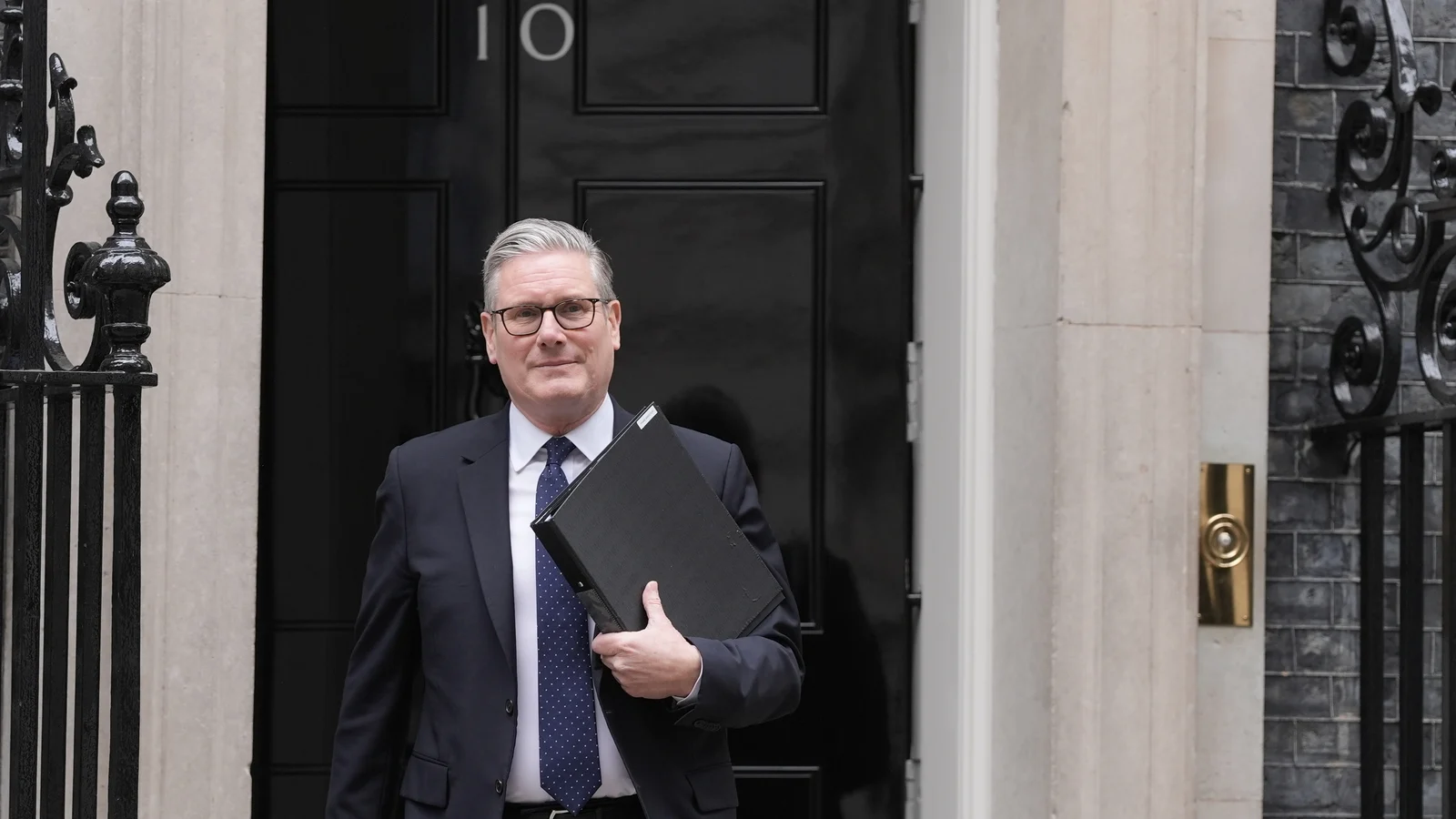
Note to readers: what follows is a creative, reimagined dispatch inspired by the headline “Streeting resigns, Burnham eyes bye-election.” It is written as a vivid, immersive blog piece and should not be taken as straight news reporting. Think of it as reportage filtered through a storyteller’s eye — grounded in the rhythms of UK politics, local life and the wider forces that shape them.
A sudden afternoon that shifted a town’s hum
There are moments when a place seems to take a collective breath. In the market square, a woman paused mid-step with two paper bags of apples. In the council offices, a junior staffer stared at an email twice. On the high street, the barista tamped a shot of espresso and then left it sitting on the counter as the radio crackled with the same phrase: “resignation announced.” The person at the center of it — a nationally known figure who had spent years as a prominent voice in Westminster — had tendered their resignation. And across town, people began to whisper the same name as a possible successor: Burnham.
The scene was quintessentially British — a mix of stoicism and gossip, of civic pride and impatience. Streetlamps blinked on as if to punctuate the uncertainty. It was a small town moment with national echoes.
Why this matters
A single resignation in the Commons can set off a chain reaction. It can force a by-election, redraw attention away from Westminster’s scripted battles, and create an opening for neighbouring political figures to test their appeal beyond their usual boundaries. By-elections have long been laboratories of public mood: lower turnout, higher intensity, the chance for personalities to leap into new roles.
From Westminster corridors to local tea rooms
Inside the curry house near the station, Noor, the owner, wiped his hands on a towel and said, “These things feel far away until someone you recognise leaves. Then it’s suddenly in the centre of everything.” Noor’s shop has seen MPs come and go, and he knows how quickly gossip unravels. “People talk about fairness, about promises. But what they really want is someone who shows up. Not just press conferences.”
If the whispers are true and an ambitious regional leader considers standing, the dynamics change. The person being speculated about here has been a relentless advocate for devolution, arguing for stronger city-region powers, more investment in transport, and a politics less obsessed with London. For many locals, the idea of a familiar face stepping into the fray feels like home turf politics meeting national theatre.
Voices from the street
“We don’t want another career politician parachuted in,” said Fiona, a primary school teacher and mother of two, as she shepherded her children across the square. “If someone comes here, physically comes and listens, I’ll give them a chance. But it’s the listening that counts.”
Tom, a retired engineer who has canvassed in more weather than he cares to remember, was blunt: “People are fed up with the same old promises. By-elections are small — turnout is often just a third or less of a general election — but they’re vivid. You get people who rarely vote, and you get the committed who always do. That mix can surprise you.”
Numbers that frame the story
To put this into perspective: the UK’s general election turnout has hovered in the high 60s in recent national contests — about two-thirds of eligible voters. By contrast, by-elections frequently attract far fewer participants; it’s common to see turnout between 30 and 45 percent. That gap matters. It means local party machinery, motivated volunteers and a handful of swing voters can disproportionately shape the outcome.
Labour’s internal polling and the math of modern British politics know this well. A regional heavyweight contemplating a straight shot to Westminster would weigh not only their national profile but also the capacity to convert name recognition into votes where people feel the daily pinch: on healthcare waiting lists, housing costs and local transport fares.
What party strategists are thinking
“A by-election is a mirror,” said a campaign strategist who asked to remain anonymous. “It tells you where the party is failing at the grassroots and where it’s resonating. If a well-known figure with executive experience — someone who has run a city-region — throws their hat in, it’s a signal to voters: we want to govern with experience, not just slogans.”
Opposition strategists, meanwhile, are watching the clock. By-elections are opportunistic — moments to test messages, to trial policy lines ahead of larger battles. They can deliver humbling defeats or galvanising wins. Either outcome provides its own kind of political capital.
Local color: the textures that matter
In the biscuit-and-tea lanes off the high street, conversation blends the practical with the poetic. There are references to the old municipal coat of arms still visible above a closed tobacconist, to the Saturday market’s beetroot seller who remembers rationing stories, to the football club that stitches civic pride into weekend rituals. This is the human geography of a constituency — the places people meet, argue and vote. It’s where national narratives either land softly or crash.
“My gran had a poster of a candidate in 1979,” joked a student at a nearby university, “and she’d always say: ‘Politics is like the telly — you can mute it, but it’s still on.’ We don’t want more noise. We want change.”
What this could mean beyond the constituency
Look beyond the immediate drama and you see larger themes: leadership tested by local accountability, the tug between regional power and national politics, and a moment when personalities can change the trajectory of a party. There is also a global resonance — democracies everywhere are wrestling with trust, representation, and who gets to speak for whom.
Will voters reward a well-known figure who crosses geographic boundaries to contest a seat? Or will they see such a move as opportunism — a parachute drop into a community that wants its own voice elevated rather than replaced? That question sits at the heart of modern politics: is leadership about spotlight or stewardship?
Questions to carry with you
- What does it take for a political figure to earn legitimacy in a place they do not currently represent?
- How do local identities shape national outcomes — and how do national narratives reshape local lives?
- When is momentum earned, and when is it manufactured?
The long view
Even as campaign leaflets start printing and volunteer lists are updated, the deeper contest will be about trust. Resignations are punctuation marks in political stories. They force reflection, re-alignment, sometimes reinvention. For the people on the high street who will ultimately decide, what counts are the practical things: a reliable bus timetable, a GP appointment that doesn’t take weeks, decent housing, and a school where teachers aren’t burning out.
There is poetry in the absurdity of it all: a single email can unravel years of steady narrative. But there is also humility. Politics, at its most human, is about showing up. If the figure now being discussed chooses to step into a by-election, they will be judged not by past speeches but by whether they can sit in the same cafe, listen to the same worries, and turn that listening into action.
So, reader: what would convince you? A grand vision, or a handful of carefully kept promises? A famous name, or someone who knows the potholes in your road? The choice, should the ballot appear, will be more than local — it will be a reminder that democracies are built from small acts of trust and an ever-present willingness to be held to account.