Australia’s bold move to bar under-16s from major social media platforms has not, at least so far, meaningfully slowed teenagers’ scrolling, according to one of the first studies to assess the policy’s impact.
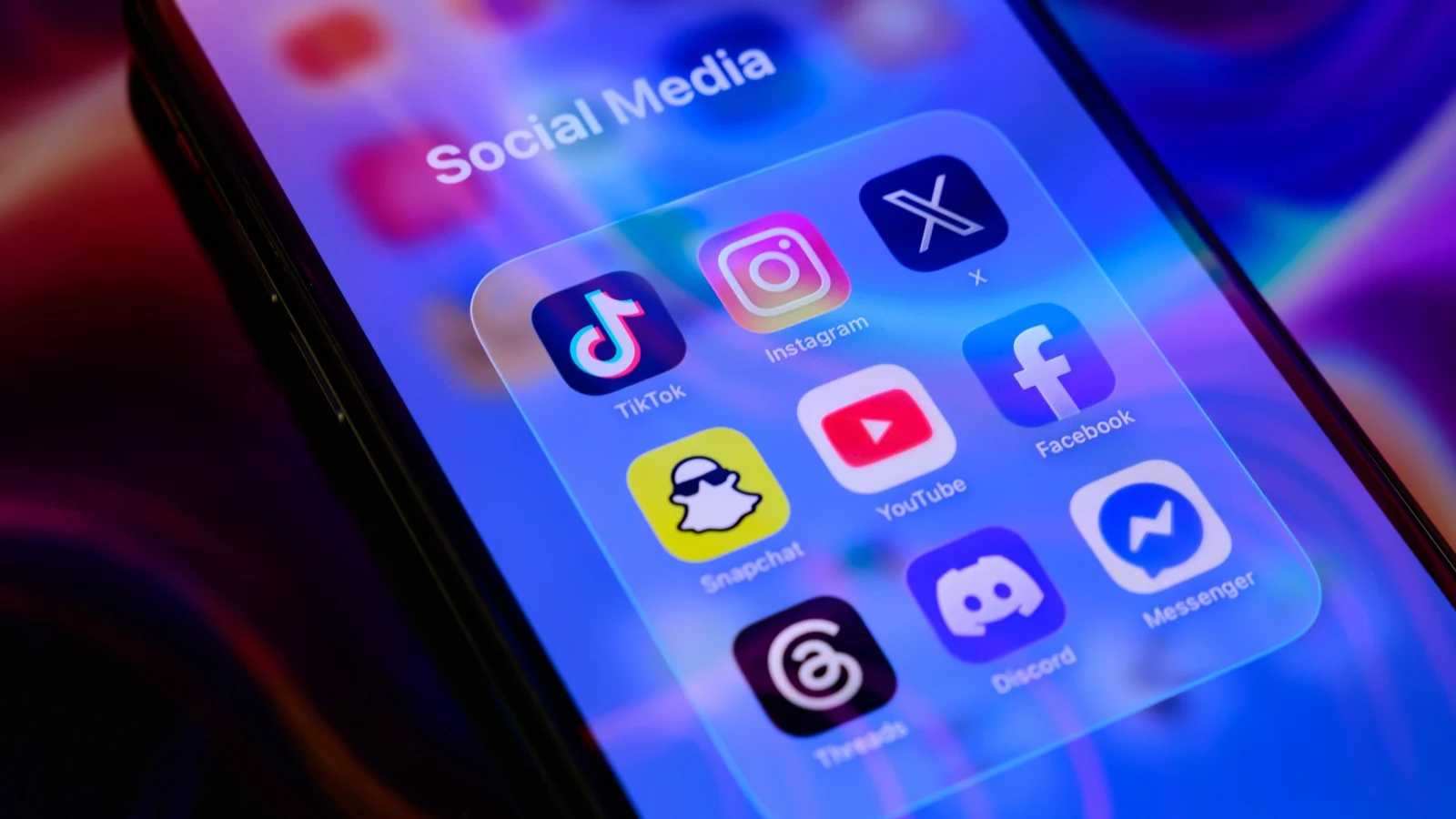
Australia in December banned under 16s from the likes of Facebook, Instagram and TikTok, in a crackdown designed to protect children from online bullying and “predatory algorithms”.
But in early findings published in a peer-reviewed study by the British Medical Journal, a team of Australia-based researchers said there is little evidence teenagers have stepped back from social media because of the new rules.
Instead, the study found many underage users have been sidestepping the restrictions — using accounts registered to older people, creating fake profiles, or accessing platforms through private browsers.
“We found insufficient evidence to conclude that exposure to the Act had any early substantial effects on social media use among adolescents aged under 16,” the researchers wrote.
The results are being watched closely well beyond Australia, as governments weigh whether the country’s approach could serve as a model for curbing the reach of increasingly powerful tech giants.
A growing mass of nations have either introduced or are mulling similar bans – including the UK, Indonesia, the UAE and New Zealand.
Read More:
EU-wide social media ban for under 16s being examined – Taoiseach
Ireland will ‘go it alone’ if no EU deal over social media ban for under 16s, Dáil told
To measure any immediate shift, researchers surveyed more than 400 young social media users just before the restrictions took effect and then again three months later.
They reported little change for users aged 12-13, a slight decrease for the 14-15 age group, and an increase in use for those aged 16 and older.
“The findings suggest that the period immediately after the introduction of the act was characterised by limited implementation, incomplete compliance, and substantial circumvention of social media restrictions.”
Under the law, tech companies can be fined up to €30m if they cannot demonstrate meaningful efforts to weed out underage users.
Australia in March accused Facebook, TikTok and YouTube of failing to meet their obligations.
“Australia’s world-leading social media laws are not failing. But big tech is failing to obey the laws,” Communications Minister Anika Wells said at the time.
“None of this is impossible. None of this is even difficult for big tech, who are innovative billion-dollar companies.”
Anika Wells said tech companies were not doing enough to make the restrictions work
Separately, the nation’s eSafety Commission raised “significant concerns” about Facebook, Instagram, Snapchat, TikTok and YouTube.
The ban has been welcomed by many parents, amid a growing body of research suggesting excessive time online can harm teen well-being and leave young people constantly tethered to their phones.
Platforms have said they will comply with the new requirements, while also warning the measures could drive teenagers toward darker, less regulated parts of the internet.
Responsibility for verifying that Australia-based users are 16 or older rests solely with social media companies, which must show they have taken “reasonable steps” to identify and remove young teenagers.
Some platforms are using AI tools to estimate ages based on photos, and users can also opt to prove their age by uploading a government ID.