A breakthrough from Swiss forensic scientists could give investigators a much wider window to spot traces of GHB — a widely known date-rape drug — in urine, potentially strengthening sexual assault cases where precious time is often lost.
The University of Zurich said in a statement that the newly discovered biomarker could “indicate earlier GHB intake even when the drug is no longer detectable using conventional analysis”.
“Every hour is critical when it comes to detecting the use of drugs used to render victims unconscious,” it said.
GHB is frequently linked to assaults because it can be administered without a victim’s knowledge, including by being slipped into drinks, and it leaves the body quickly — limiting the opportunity to capture evidence before it disappears.
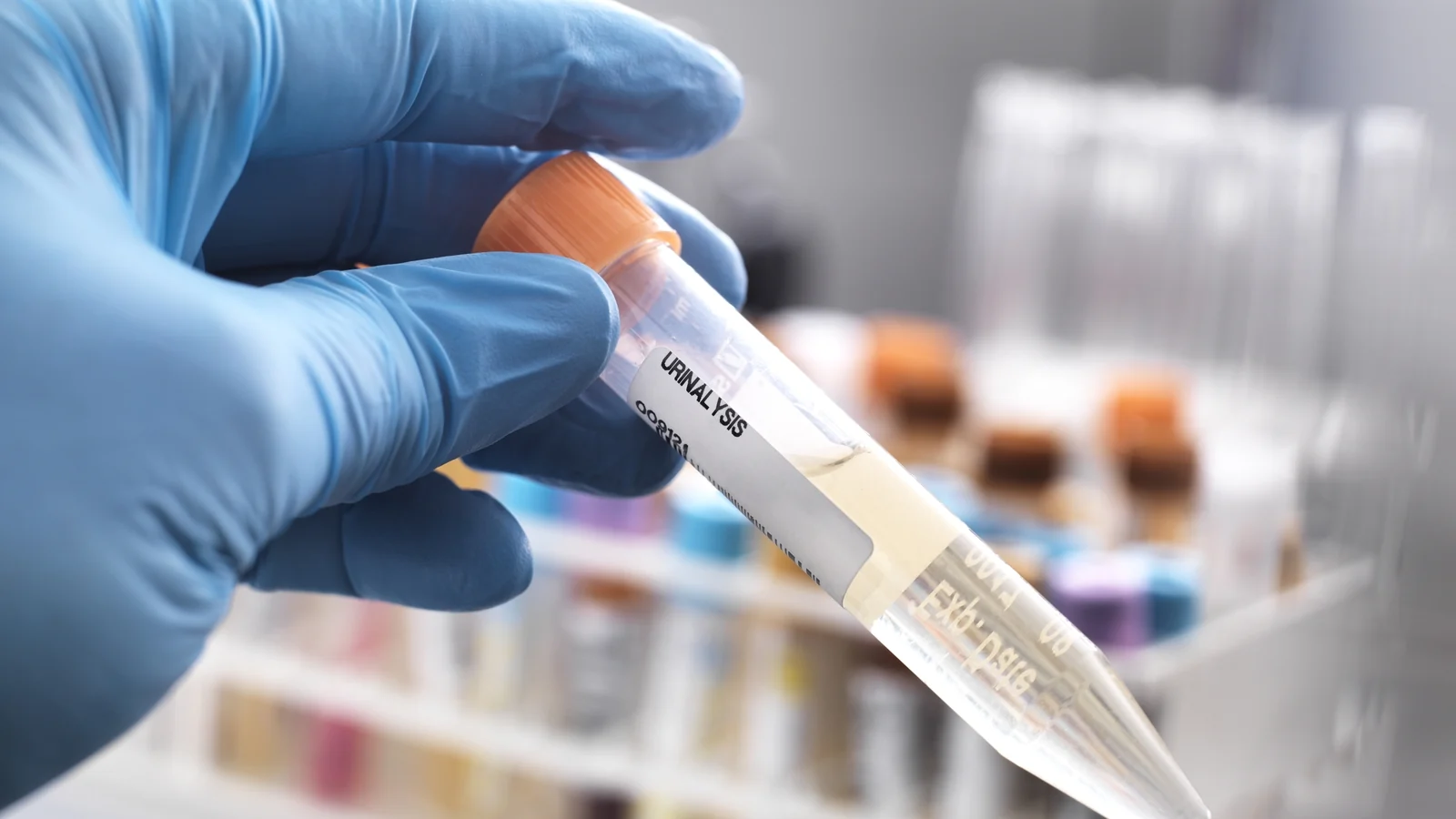
“The usual detection window is around six hours in the blood and 12 in the urine,” Zurich University said in the statement, published yesterday.
The new approach builds on earlier work by a team led by Andrea Steuer at the university’s Institute of Forensic Medicine, which in 2021 helped identify what the university described as a “promising biomarker” for the drug: a compound made of GHB and a sugar believed to be ribose, referred to as GHB-pentose.
“Unlike GHB itself, this biomarker remains detectable in the urine for longer after intake,” the statement said.
According to the study, the compound “remained detectable for up to three days after GHB intake, representing the longest detection window reported for a direct GHB-related biomarker to date”.
In research published last week in the peer-reviewed scientific journal Drug Testing and Analysis, the scientists examined 2,414 anonymised urine samples drawn from real forensic cases since 2024.
Among the samples, they singled out 14 in which “although GHB levels measured were below the threshold set for the test, GHB-pentose was still detected”.
“In eight of these 14 cases, the case details supported the suspicion that GHB had been taken or administered previously,” the statement said.
Those eight cases included three suspected criminal offences — two robberies and one alleged sexual assault — where investigators collected urine specimens only 13-16 hours after the incident.
“The findings offer the first indication from forensic practice that GHB-pentose remains detectable beyond the usual detection window for GHB,” Dr Steuer said in the statement.
Despite the encouraging results, the researchers cautioned that the evidence is not yet sufficient to pin down the diagnostic reliability of the biomarker or establish the maximum time it can be detected in any individual case.