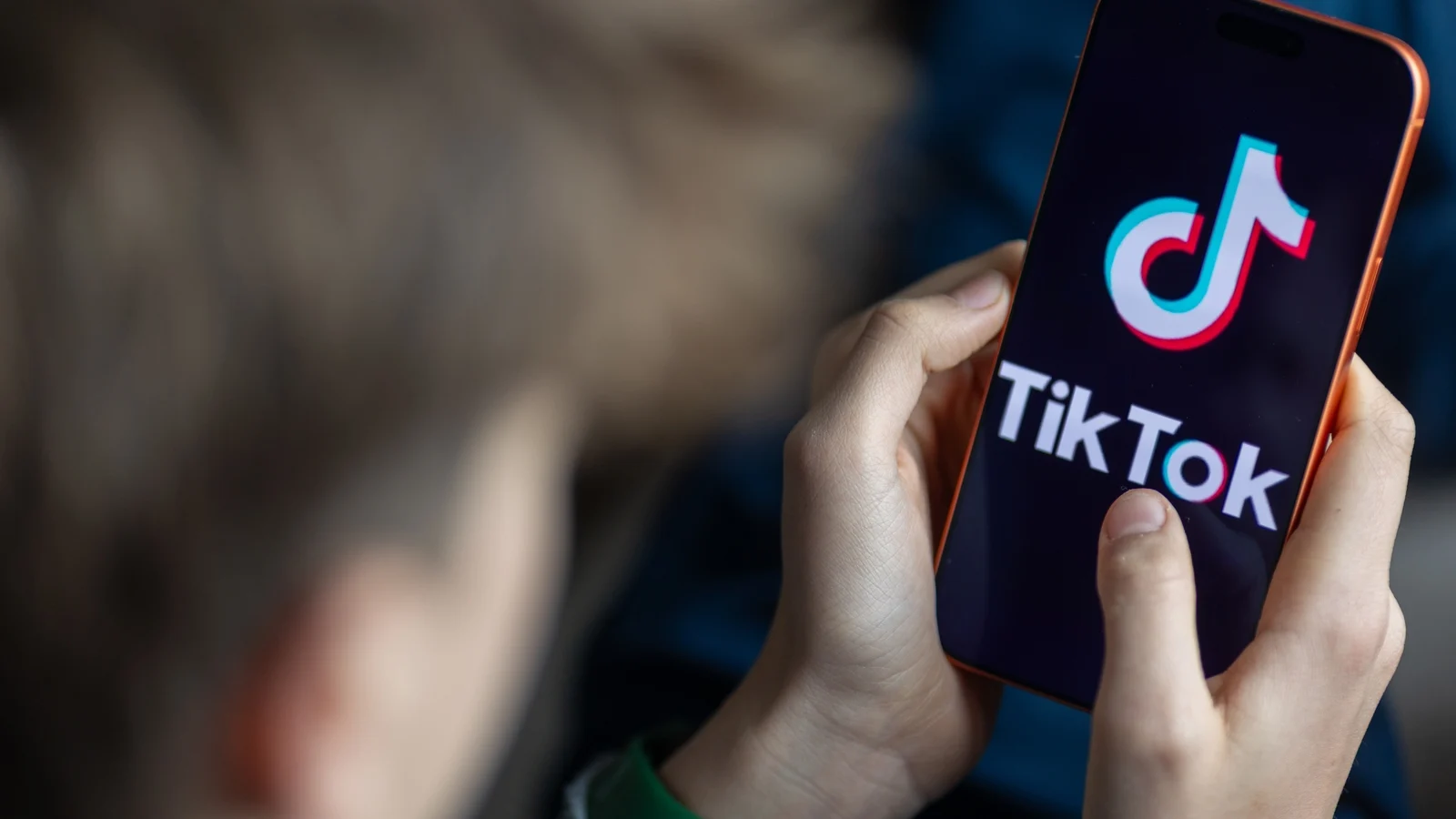
TikTok will pay $400 million to resolve a lawsuit brought by the US Department of Justice, after the government accused the video platform of breaking federal children’s privacy rules, the department announced.
The agreement lands as regulators worldwide intensify scrutiny of social media companies over how they handle children’s data, privacy and safety—an area where enforcement has steadily tightened.
ByteDance, the Chinese company behind TikTok, is also named in the settlement. Earlier this year, ByteDance sold off a majority stake of its US entity in an effort to avoid a ban by the Trump administration, and it retains a 19.9% ownership stake in TikTok US, according to US media.
“Under the settlement, TikTok will pay $300 million immediately and an additional $100 million upon entry of an order vacating a prior consent decree entered against TikTok’s predecessor, Musical.ly,” the department said in a statement.
The resolution ranks as “one of the largest recoveries ever obtained” in a matter involving the Children’s Online Privacy Protection Act (COPPA), the statement added.
COPPA bars websites from gathering the personal information of children younger than 13 without parental permission.
The Justice Department and Federal Trade Commission jointly sued TikTok in 2024, alleging that it had placed the safety of millions of children in jeopardy by collecting their personal data without parental permission.
COPPA bars websites from gathering the personal information of children younger than 13 without parental permission (Stock image)
The Justice Department and Federal Trade Commission jointly sued TikTok in 2024, alleging that it had placed the safety of millions of children in jeopardy by collecting their personal data without parental permission.
In their complaint, the agencies said TikTok let children use the app while collecting and using personal data from young users without notifying parents.
They also alleged that accounts created in a “Kids Mode” designed for users under 13 still collected email addresses and other personal information.
The case follows earlier action: in 2019, the US brought a COPPA lawsuit against Musical.ly, an app ByteDance acquired in 2017 and later folded into TikTok.
TikTok did not immediately respond to a request for comment.
Global crackdown
According to an ABC News report in May, the Trump administration was considering using the funds for ongoing “beautification” projects, which have included resurfacing the Lincoln Memorial Reflecting Pool, renovating the White House ballroom and building an arch.
It was not immediately clear what the settlement funds will be used for.
The US settlement arrives as TikTok faces mounting pressure abroad.
In Brussels, regulators opened a probe into TikTok in 2024 under the Digital Services Act (DSA), a wide-ranging content law that has become a central tool in the EU’s expanded legal arsenal to rein in Big Tech in recent years.
In July, the European Union accused TikTok of failing to safeguard children through account settings that can leave them vulnerable to risks such as cyberbullying and predatory behaviour—an allegation that could expose the company to a large fine.
EU officials said minors’ accounts should be visible only to people they have approved. Children ages 13 and over can use TikTok.
“A high level of protection should not be an opt-in; it should be the default,” EU tech chief Henna Virkkunen said in a statement at that time.
The Trump administration was reportedly considering using the funds for ongoing ‘beautification’ projects
Under the DSA, children’s account settings are supposed to carry the strongest safety and security protections by default.
“TikTok’s account settings fail to meet this standard, as they expose minors’ accounts and content too widely,” the EU said in its preliminary view.
In the UK, communications regulator Ofcom also opened an investigation into TikTok in July.
The UK inquiry will examine whether TikTok is doing enough under UK law to protect children from harmful content.
“This investigation will seek to establish whether there are reasonable grounds to believe that TikTok has failed, or is failing, to comply with its legal obligations,” Ofcom said in a statement.
Ofcom said it will focus in particular on TikTok’s age-verification model.