A Country Interrupted: The Night Venezuela Changed
Note: This piece is a creative reimagining based on the material you provided. I cannot independently verify the events described. Read it as narrative journalism grounded in that source, not as an original news report.
There are moments that feel tectonic — when the air itself seems to rearrange. In Caracas, late on an otherwise ordinary evening, the city’s familiar rhythm stuttered. Taxi drivers idled at the lights. Shopkeepers paused mid-sweep. Strangers on sidewalks pulled out their phones and watched headlines bloom like sudden fires.
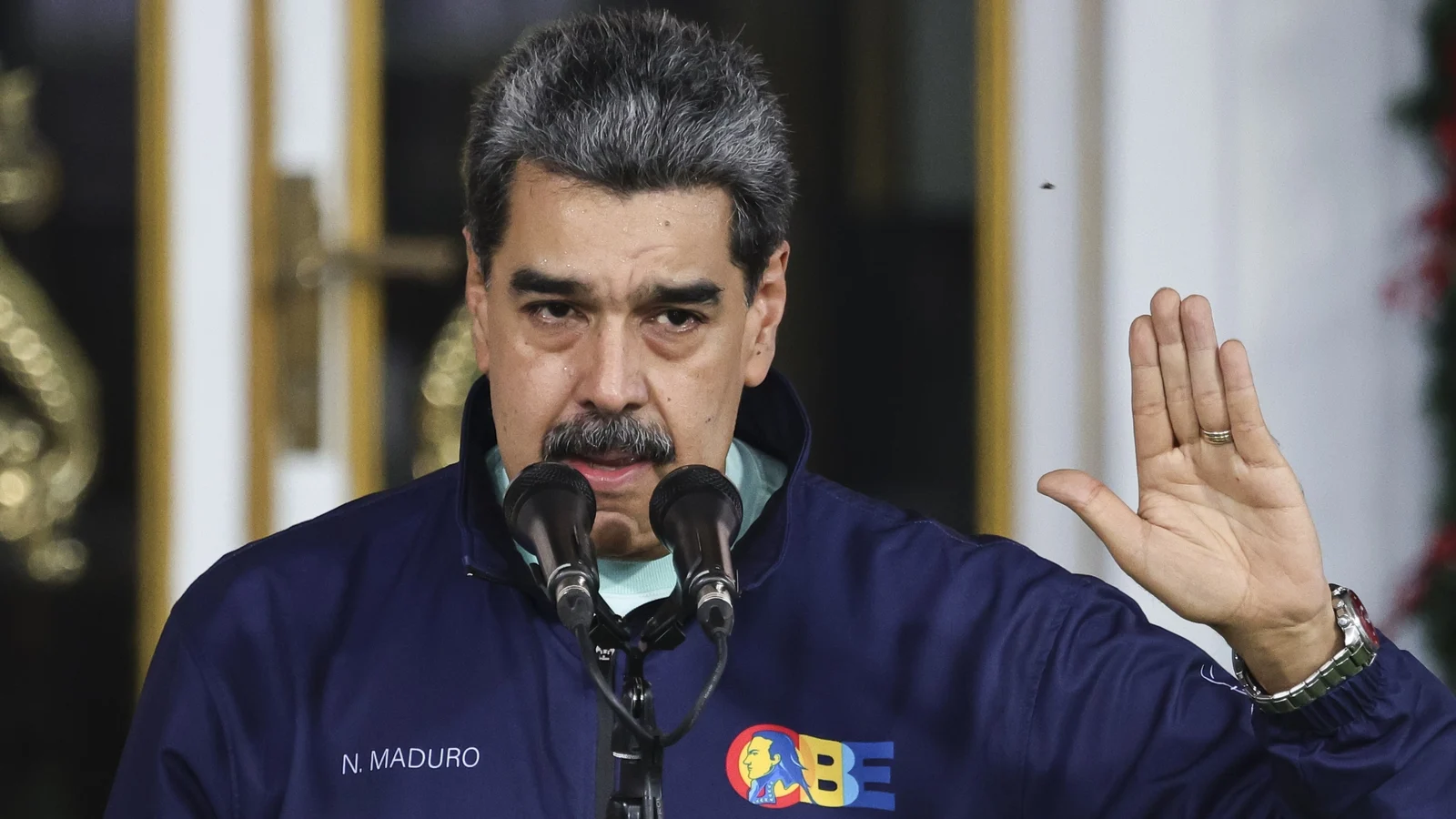
According to accounts forwarded to me, the long, contentious era of Nicolás Maduro — a man who rose from a bus driver’s seat to the presidential balcony and whose name once filled salsa clubs and state TV alike — came to an abrupt halt when U.S. forces reportedly captured him and transported him out of Venezuela. For many inside the country and across a diaspora that stretches from Bogotá to Madrid and Miami, the news landed like a shard of glass: sharp, impossible to swallow whole.
Voices from the Streets
“It feels unreal,” said María Hernández, 48, a market vendor from Petare, clinging to a thermos of coffee. “We have shouted, we have marched, and now… there is a silence I cannot name. Is it relief? Fear? Both?”
A young teacher in Maracaibo, who asked not to be named, told me she had been following the story all week and yet could not sleep. “We are exhausted,” she said. “For a generation, our lives have been punctuated by promises and empty pantries. If this is the beginning of something new, we must be careful what kind of new it becomes.”
From the other side of the political divide, a retired military officer in Valencia was blunt. “Whatever you think of Maduro, to have a foreign power remove a head of state is not without consequences,” he said. “There will be legal questions, and there will be wounds that reopen.”
From Bus Driver to the Helm: A Life in Revolutions and Rhetoric
Nicolás Maduro’s biography reads like a script from a different era. Born into a working-class household in November 1962, the son of a trade unionist, he drove buses and organized workers. He became a fervent supporter of Hugo Chávez, who ignited a movement of oil-fueled social promises across Venezuela. When Chávez fell ill and later died, Maduro — a man of low, steady speech and theatrical bursts on occasion — stepped into the vacuum.
There were moments that endeared him to crowds: impromptu appearances, a populist clapback against foreign meddling, an uncanny ability to tap the language of grievance and dignity. There were also moments that hollowed trust: bread lines where supermarkets once stood, mounting inflation that made salaries meaningless, and accusations of rigged ballots and crushed protests.
“He cultivated a resistance persona,” said Dr. Ana López, a Latin American politics scholar, “and that was powerful. But governance demands steady institutions, not only slogans and duets on state television.”
The Human Cost: Exodus, Poverty, and a Nation Strained
However one interprets the politics, the numbers tell a harrowing story. Around 7.7 million Venezuelans have left their homeland in the past decade — a diaspora that has reshaped cities and remapped families across the Western Hemisphere. According to UN-linked estimates cited in the material I received, almost 82% of Venezuelans live in poverty, and 53% fall into extreme poverty, struggling to afford basic foodstuffs.
The violence of political life has left scars too. Protest waves in 2017 and again around contested elections were met with force. UN investigators have reported serious human-rights violations attributed to security forces, and thousands were jailed after demonstrations. In the ash and rubble of those moments, civil society and opposition movements found both grief and resolve.
What people carry with them
- Memories of rationed milk and empty shelves
- Families fragmented by migration to Colombia, Peru, the U.S., and beyond
- Communities of activists who kept records, testimonies, and hope alive in exile
“We are more than statistics,” said a human-rights lawyer in Caracas. “Every number is a household that once expected a different life.”
The Global Chessboard: Oil, Sanctions, and Power
Venezuela is not simply an internal drama. It sits on one of the largest crude reserves on the planet, and its fate has always been entangled with global energy markets, geopolitical rivalry, and foreign policy calculations. Recent months reportedly saw increased U.S. military activity in the southern Caribbean, alongside sanctions and maritime strikes targeting vessels accused of drug trafficking. Washington had also offered a multimillion-dollar reward for information leading to Maduro’s arrest.
“This has never been only about personality,” remarked a regional security analyst. “It’s about access to resources, the enforcement of international norms, and the deterrence of transnational crime. But intervention comes at a price.”
Justice, Accountability, or New Uncertainty?
If the reports of Maduro’s capture hold true, a cascade of legal and political questions follows. Who will govern in the interim? What of elections, of the constitution, of institutions hollowed by years of polarization? How will the region respond — and how will Venezuelans, inside and out, reclaim a life that has been on pause?
Human-rights groups and international bodies will demand investigations. Families of missing protesters will seek answers. Political operatives will race to fill vacuums. And ordinary citizens — the street vendors, teachers, and drivers — will brace for change that might not come overnight.
What Do You Think Should Happen Now?
Is the priority accountability for alleged crimes? A speedy return to democratic processes? Humanitarian relief and the rebuilding of institutions? Each path holds trade-offs. Each choice will shape not only Venezuela’s future but the region’s orientation toward migration, trade, and diplomacy.
We owe the Venezuelan people more than headlines. We owe them thoughtful debate, international solidarity that respects sovereignty and human rights, and practical plans for rebuilding fractured systems: healthcare, judicial independence, and an economy that serves broad citizens rather than narrow interests.
Looking Ahead
Historical inflection points rarely resolve neatly. They bristle with contradiction. They are made of grief and hope, of opportunism and courage. If this episode marks the end of an era, then Venezuela’s next chapter demands both rigorous accountability and the quiet, daily work of rebuilding trust.
For those watching from afar: ask yourselves what kind of after you want to help bring into being. For those still in Venezuela: hold onto one another, document what you can, and demand a future where the state protects life and dignity, not only rhetoric.
Whatever comes next, the streets of Caracas will remember how it felt the night everything shifted: a hush, a thousand conversations, and the long, patient hope that better days can be coaxed into being.