On the Edge of the Strait: A Fragile Pause Between War and Diplomacy
There is a strange stillness over the Strait of Hormuz, as if the sea itself is holding its breath. Tankers sit like beached whales on satellite images; sailors swap uncertain messages over crackling radios. On shore, tea vendors in Bandar Abbas watch the horizon through shuttered kiosks, and traders in Tehran scroll through headlines that change by the hour.
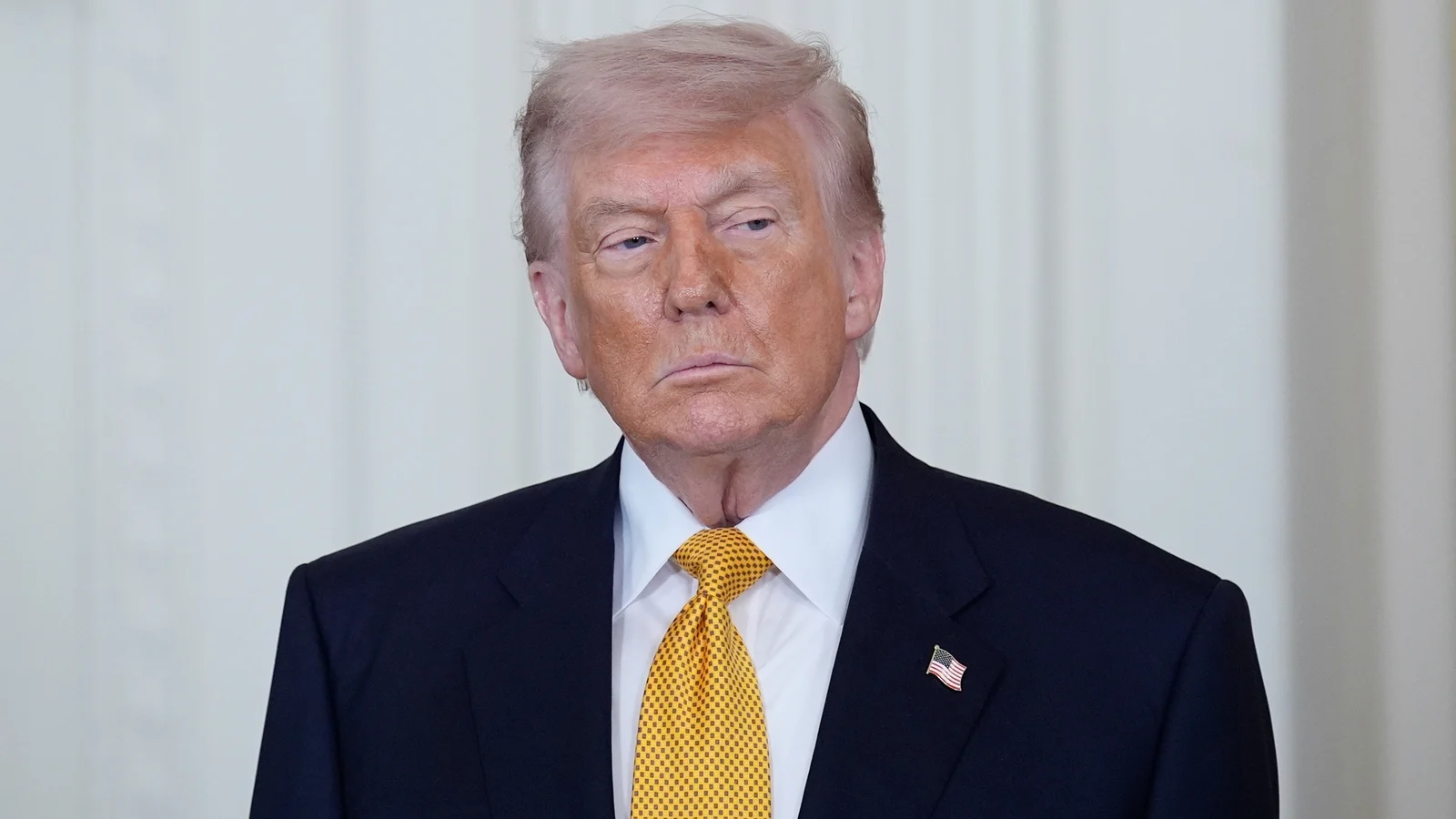
It has been nearly two months since the conflict erupted on 28 February, yet the world has never felt closer — or more precarious — to a sudden unravelling of that violence. In the Oval Office, US President Donald Trump told reporters that talks opening a path to peace were progressing, and predicted that if an agreement were reached, “it’ll be over quickly.”
But quickness and peace are different things. The proposal reportedly on the table — a short, one‑page memorandum floated by US mediators — is less a full treaty than a political ceasefire designed to buy time and open channels for more arduous negotiations.
What the memo would do — and what it would not
According to sources briefed on the talks, the memorandum would formally end active hostilities and trigger 30 days of detailed bargaining. The immediate priorities would be reopening the Strait of Hormuz to commercial shipping, lifting targeted US sanctions in stages, and putting limits on Iran’s nuclear activities.
What the draft does not address — at least in the initial phase — includes some of the most contentious items on Washington’s checklist: explicit curbs on Iran’s ballistic missile program, a formal halt to support for regional proxy groups, and the fate of Iran’s existing near‑weapons‑grade uranium stockpile, which officials say tops 400kg.
“It’s a framework, not a settlement,” said Takamasa Ikeda, senior portfolio manager at GCI Asset Management. “Markets are betting on the reduced probability of immediate military escalation, but a one‑page peace memorandum is not a cure for the underlying mistrust.”
Voices from the Gulf and Tehran
On a blustery morning in Bushehr, a port city that has alternated between blackouts and anxious vigils, 38‑year‑old merchant Ali Rezaei folded his hands and sighed. “If the ships come back, my container of dried limes will actually reach Dubai,” he said. “We have already lost two months of contracts. This is not just geopolitics for us — it is bread.”
In Tehran, the official posture has been cool and, at times, mocking. Mohammad Baqer Qalibaf, speaker of parliament, used social media to deride early reports of a breakthrough, writing in English, “Operation Trust Me Bro failed.” A foreign ministry spokesperson told state media that Tehran would “convey its response in due course,” underscoring how much is still in the hands of diplomats and domestic politicians.
“There’s deep scepticism here,” said Dr. Laila Mahmoud, a Gulf security analyst who has lived and worked in the region for two decades. “For Iran, any agreement that stops short of addressing sanctions and guarantees of sovereignty will be sold at home as a hollow concession.”
Markets, Missiles and the Global Spin Cycle
The reporting of a possible deal was enough to send financial markets into a rapid re‑pricing. Brent crude futures plunged roughly 11% at one point to around $98 a barrel before settling back above $100. Global equities bounced, bond yields eased, and analysts credited the optimism to a reduced near‑term probability of expanded military action.
Yet the volatility is a reminder of how tightly linked geopolitical stability is to global energy flows. The Strait of Hormuz — a narrow, turquoise choke point between the Arabian Peninsula and Iran — once handled about one‑fifth of the world’s seaborne oil and gas. Even the suggestion that it could be reopened has ripple effects that travel from oil traders on Wall Street to fuel pumps in Nairobi.
“The contents of the US‑Iran peace proposals are thin,” Ikeda added, “but there is an expectation in the market that further military action will not take place in the days ahead.”
Ships, Blasts and the Thin Line of Escalation
Not far from this dance of diplomacy, the clang of naval action continues. US Central Command reported that forces fired on an unladen Iranian‑flagged tanker, disabling it as it attempted to sail toward an Iranian port in contravention of a US blockade — a reminder that unilateral operations are still ongoing even as talks proceed.
This week a fire and explosion struck the Panama‑flagged HMM Namu, a South Korean vessel transiting the strait, briefly putting 24 crew members at risk. Tehran’s embassy denied any involvement, even as President Trump asserted that Iran “had taken some shots” at the ship and called on South Korea to join a US effort to escort vessels through the waterway.
“There are too many actors with different incentives in the region,” said an independent security consultant who asked not to be named. “One misfired rocket, one misinterpreted manoeuvre, and the fence between war and peace snaps.”
The Mediation Mess — and Who’s Really Pulling Strings?
The sources said the US negotiating team included Steve Witkoff and Jared Kushner, the latter a figure whose presence signals an unusual, highly personal diplomatic track. Pakistani channels and other quieter back‑channels have also reportedly been involved — a reminder that in modern conflicts, official diplomacy often runs in parallel with informal, sometimes shadowy, mediation.
If both Tehran and Washington sign the memorandum, the clock would begin on a 30‑day sprint to turn the paper agreement into a comprehensive accord. That is time to lay down verification mechanisms, sequencing on sanctions relief, and technical arrangements for the Strait’s security. It is also time for domestic politics to complicate everything.
In Iran, hardliners who see any concession as capitulation are powerful. In the United States, the shadow of sanctions architecture and the politics of credibility loom large. Who will reassure which electorate? Whose generals will accept what orders? These are not questions easily solved by a single page.
Why This Moment Matters — And What Comes Next
Beyond the immediate arithmetic of oil and arms, this episode forces a broader reckoning: how do we build durable peace in an era of fractured institutions, asymmetric warfare and hyper‑speed media cycles? Can a short memorandum create the breathing space needed for deeper trust, or will it merely paper over combustible differences?
Ask yourself: when a fragile ceasefire depends on a one‑page document and a 30‑day clock, what happens if either side wakes up tomorrow to a headline that changes the calculus? What kind of diplomacy can survive missile launches, proxy skirmishes, domestic political theatre and the ever‑present imperative of credibility?
For now, the strait waits, the sellers and sailors watch their screens, and negotiators — audacious, exhausted, hopeful — try to convert precarious calm into something more lasting. Whether this is the start of a real settlement or another interlude in a long, bitter contest will depend on what happens in the next 30 days, and on whether leaders on both sides can put patience ahead of display, and verification ahead of rhetoric.
Keep watching the water, because when that lifeline flows again, it will tell us as much about global politics as it does about the price of diesel at your nearest pump.