On the Edge of an Island: What a Threat to Cut Off Venezuelan Oil Means for Cuba
The sun sets amber over Havana, and the city’s aging grid stutters and sighs. In a corner café, a woman with threadbare hands sips dark coffee and counts the hours until the next blackout. At the gas station down the street, a line snakes around the block — an almost daily ritual that has become part of the city’s rhythm. You can see worry in the faces of people who have learned to live with scarcity; you can also feel the hush of expectation, like a waiting room where everyone knows something big is coming.
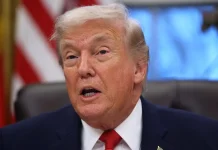
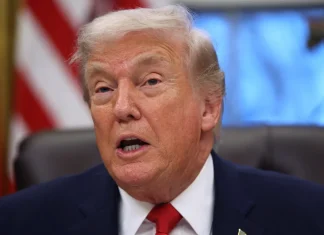
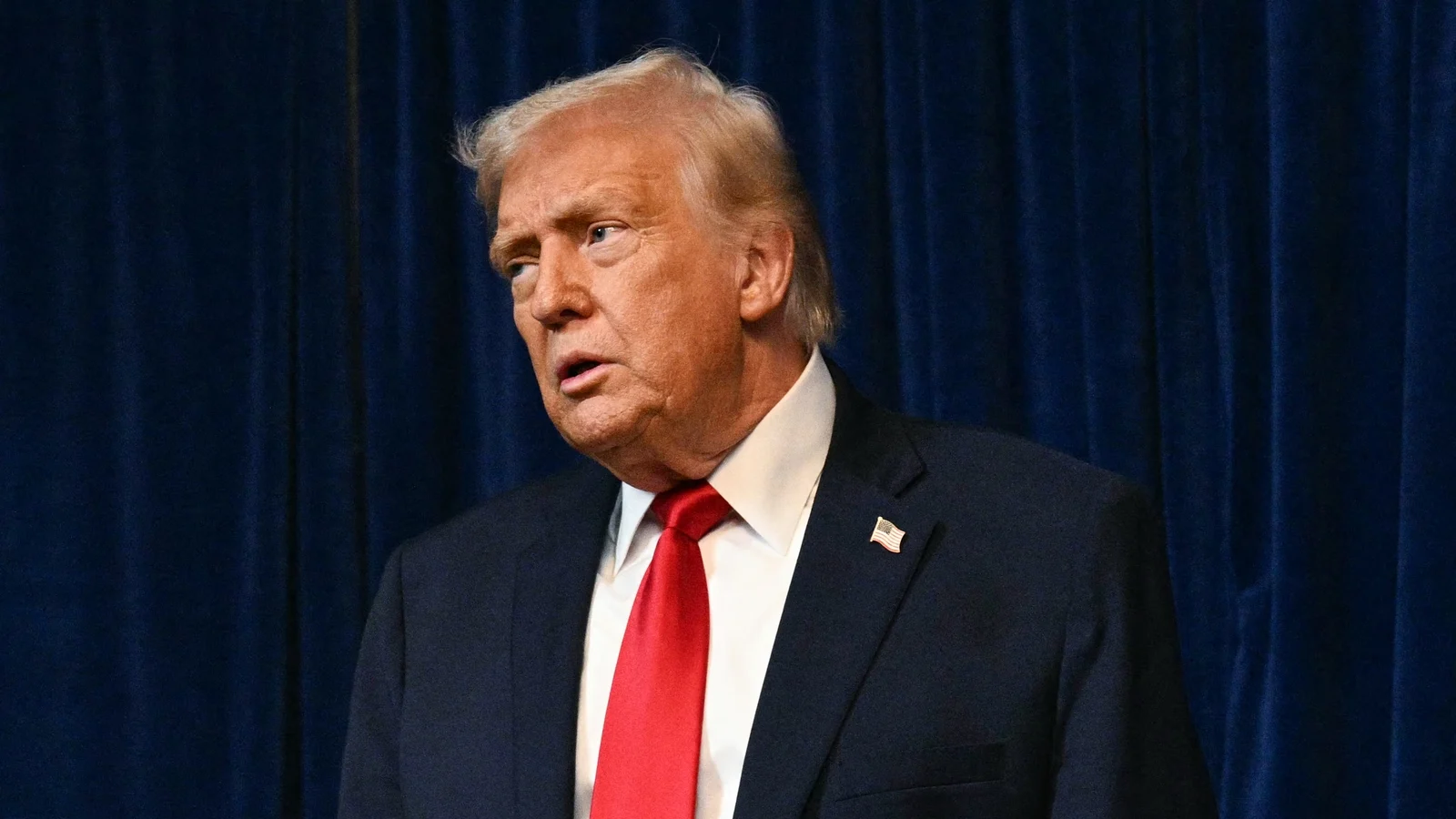
Then a message arrives from Washington: the president says Venezuela’s oil and money bound for Cuba will stop — “zero,” he writes — unless Havana “makes a deal.” The words tumble across international feeds and into neighborhood doorways in a matter of minutes. For Cubans already used to shortages, the statement lands like a fresh layer of ice on an old fracture. For the world beyond the Caribbean, it raises a blunt question: what happens when the threatened lifeline truly runs dry?
Beyond the Soundbite: A Week That Changed the Map
The warning follows a dramatic opening to the year in the region: in the last week, U.S. forces carried out an operation that resulted in the capture of Venezuela’s leader, an act that, according to multiple reports, cost the lives of dozens of Venezuelan and Cuban security personnel. The move has turbocharged tensions across Latin America, and the messages from Washington have hardened into public ultimatums: stop supporting Caracas, or face consequences.
“There will be no more oil or money going to Cuba — zero!” the president posted, and later added that Cuba had provided “security services” to Venezuela’s leaders in return. Cuba’s foreign minister hit back in Spanish on social media, insisting Havana has “never received monetary or material compensation for the security services it has provided to any country,” and asserting the right to buy fuel from any willing exporter without U.S. interference.
History in a Drop of Fuel
To understand why this exchange matters, you have to rewind to the turn of the century. In the early 2000s, an alliance between Caracas and Havana — largely under Hugo Chávez — created a system by which heavily subsidized Venezuelan oil helped power Cuban hospitals, buses, and power plants. It wasn’t charity so much as geopolitics: cheap energy in exchange for medical teams, intelligence cooperation, and diplomatic backing. For decades, that pact insulated Cuba from the full weight of the U.S. embargo, which dates back to the 1960s.
But economic shocks in Venezuela — hyperinflation, shrinking oil production, and internal turmoil — have strained that relationship. Cuba, an island of roughly 11 million people, now faces a brittle energy system and an economy that relies on tourism, remittances, and strategic partnerships. Strip away a key source of fuel and money, and critical services falter, flights cancel, and refrigerators stop running.
On the Ground in Havana
“We are used to adapting,” says María Alvarez, 48, a seamstress who lives in Centro Habana, her voice threaded with both resilience and fatigue. “But if the oil stops, it isn’t only about heat or light. It is the hospitals, the ambulances, the trucks that deliver food. You understand? Everything tightens. The people who always suffer are the same.”
Outside a state-run clinic, a nurse slams a locker full of rationed medical supplies and shakes her head. “We’re doing triage on what should not be triage,” she says, asking not to be named because her job is precarious. “One more shock to the system and patients die waiting.”
Not everyone in Havana reacts the same way. In a small paladar, a private restaurant tucked behind a bougainvillea, the owner shrugs and gestures toward tourists still booking hotels months in advance. “We live between two economies now,” he says, “the official and the one you see. They affect each other, but you can still pivot. The question is: how long will that protective skin last?”
Voices from Washington and Beyond
In the U.S., the president’s rhetoric has been greeted by cheers from some corners of his party. “We are witnessing what I am convinced will be the beginning of the end of the regime in Havana,” a U.S. congressman with roots in the Cuban-American community declared online. Supporters frame the approach as pushing for freedom; critics warn of unintended humanitarian fallout.
An independent regional analyst I spoke with, who requested anonymity to speak frankly, warned of a dangerous miscalculation. “When you weaponize scarcity — directly or indirectly — you risk radicalizing people, dislocating millions, and creating a refugee crisis ten times worse than what we anticipate. This isn’t chess; it’s an emergency room.”
Scenarios: What Could Happen Next?
- Diplomatic détente: Havana could seek a quiet arrangement to secure fuel and cash while appeasing Washington enough to avoid direct confrontation.
- Humanitarian crisis: Cutoffs could cascade into medicine shortages, reduced hospital services, and spikes in migration.
- Alternative partners: Cuba could deepen ties with other states willing to sell fuel or barter services — a risky pivot that may come at high political cost.
- Escalation: Further military or covert actions could broaden the conflict regionally, undermining stability across Latin America.
Which path unfolds depends on choices made in smoke-filled rooms and on streets where families decide whether to stay or go. It depends on the temperament of leaders and the resilience of communities.
What This Says About Power and Small States
There’s a broader lesson here about the asymmetry of power. Small states, islands like Cuba, often orbit the strategic interests of larger powers. Their people become collateral in geopolitical contests: the currency of leverage. In an era of shrinking patience and rapid messaging, how the international community responds — with sanctions, with aid, or with quiet diplomacy — will shape not just Cuba’s fate but a precedent for how we conduct foreign policy.
Ask yourself: should coercive pressure be normalized as a tool of statecraft when it threatens the basic needs of civilians? Or is there a path that balances accountability, human rights, and humanitarian protections?
Closing—I’m Watching, Are You?
Back in Havana, the café lights sputter on. The seamstress folds her cloth and looks at the street as if trying to read the future in the pattern of tire tracks. “We always say: we’ll survive,” she says. “But living and surviving are not the same thing.”
If you live far from this island, the story might feel distant — a distant policy dispute, a presidential post that makes for flashes on your timeline. But the consequences will arrive not as abstract lines in a briefing paper, but as blackouts, hospital corridors, and people waiting in line for food that never arrives. What the world decides next will ripple across the Caribbean and beyond.
Keep watching. Ask questions. And if you can, listen to the people who will be most affected — not just the leaders who make the headlines.