Fresh storms forecast for the Grand Canyon are complicating a race against time to locate more than a dozen people feared missing after weekend flash floods, the National Park Service (NPS) said, as authorities confirmed two bodies have been recovered.
The sudden flooding tore through the park’s Bright Angel Canyon and the Phantom Ranch area on Saturday afternoon, triggering emergency evacuations, sweeping debris through normally passable corridors and damaging the only water pipeline that serves the area.
The park service said the body of a 46-year-old man was recovered yesterday evening.
NPS later reported that a second body had been found, while cautioning that “forecasted weather may affect the timing and pace” of further search operations.
The National Weather Service said rain and thunderstorms were expected again today.
“Flash flooding will be possible in creeks, normally dry washes, swimming holes, and over recently burned areas. Raging killer currents will be possible in side canyons and narrow slot canyons. Low-water crossings may be flooded,” it said in a bulletin.
Video recorded over the weekend by hikers captured muddy water surging along trails and beneath footbridges, with logs and other debris bobbing through swollen channels as a deep, rumbling roar echoed through the canyon.
The park service said it was coordinating with Arizona authorities to move visitors to safety and to determine the whereabouts of those unaccounted for.
As of yesterday morning, 62 people had been evacuated and additional evacuations were planned, it said.
About 15 people were believed to be missing, according to the park service.
Water pipeline damaged
The floodwaters damaged or destroyed 40 percent of the Transcanyon Waterline, the park service said, dealing a major blow to a critical system that supplies the Grand Canyon with water.
In response, officials imposed water restrictions in the park’s most visited area and announced a ban on wood and charcoal fires.
The pipeline stretches 20kms from the Roaring Springs source on the North Rim to the South Rim, delivering drinking water and supporting fire suppression, according to the park’s website.
NPS said the flooding also caused “significant impacts to infrastructure,” including the destruction of footbridges and conditions that have prevented hikers from crossing Bright Angel Creek.
Flash floods occur frequently in Northern Arizona, the park’s website notes, because arid landscapes with sparse vegetation absorb little rainfall — a risk that rises in the peak monsoon window from July to mid-September.
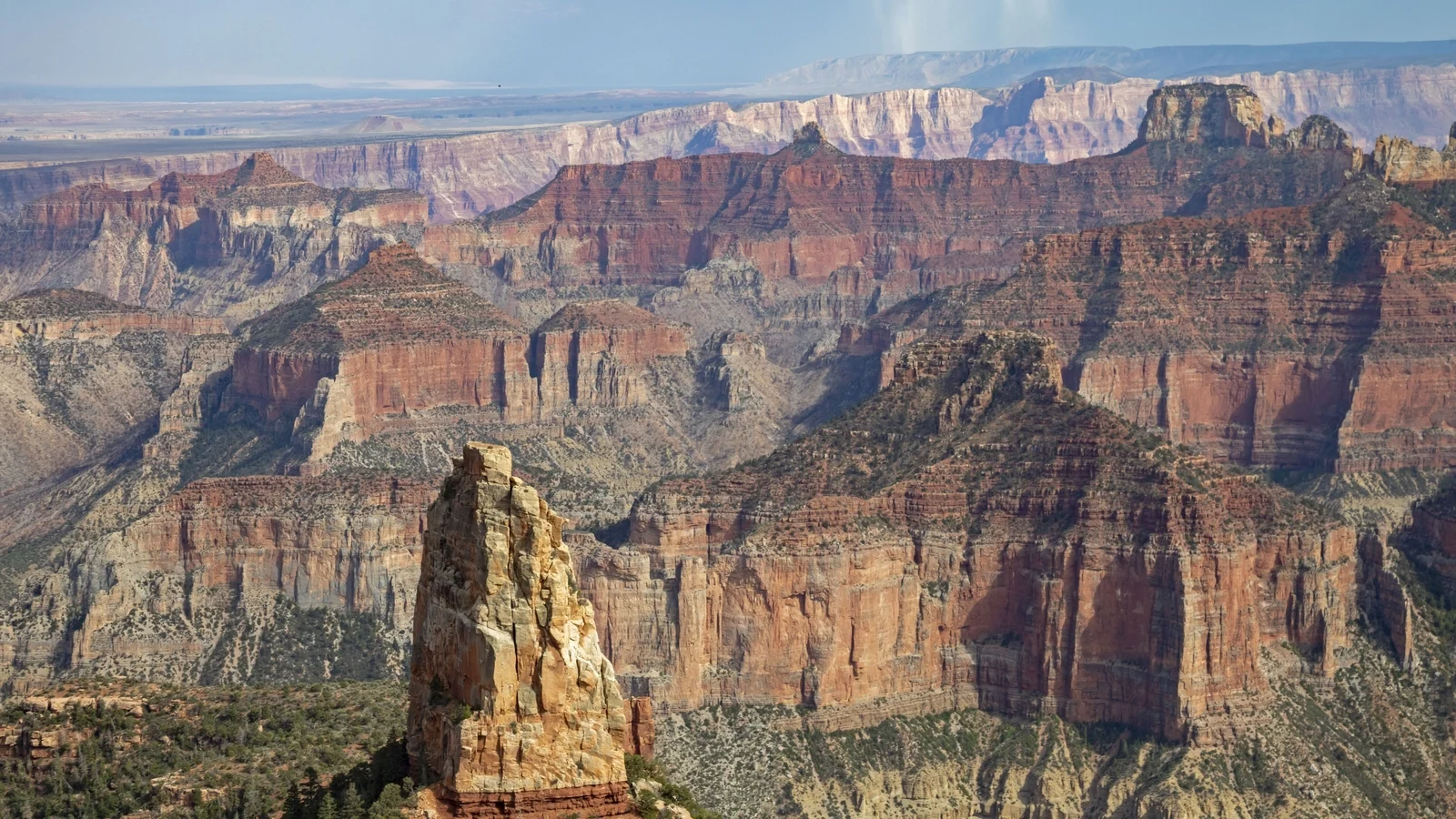
The Grand Canyon – widely regarded as one of the natural world’s greatest wonders – was carved over millions of years as the Colorado River cut through layers of red sandstone and other rock, creating a chasm up to 29km wide and more than 1.6km deep.
Nearly five million people visited the site last year.