The Quiet Undoing: What the Education Department’s Move Means for Transgender Students
On a sunlit playground in Sacramento a few weeks ago, a small cluster of first-graders traded marbles and stories beneath an old sycamore. One of them — wearing a bright purple jacket and a crown of freckles — laughed louder than the rest, skipping rope with a fluency that suggested she belonged there. Her teacher, Ms. Alvarez, watched from a bench, phone tucked away, eyes steady. “She knows where the swings are,” Ms. Alvarez said. “She knows who will stand up for her. That doesn’t have to be complicated.”
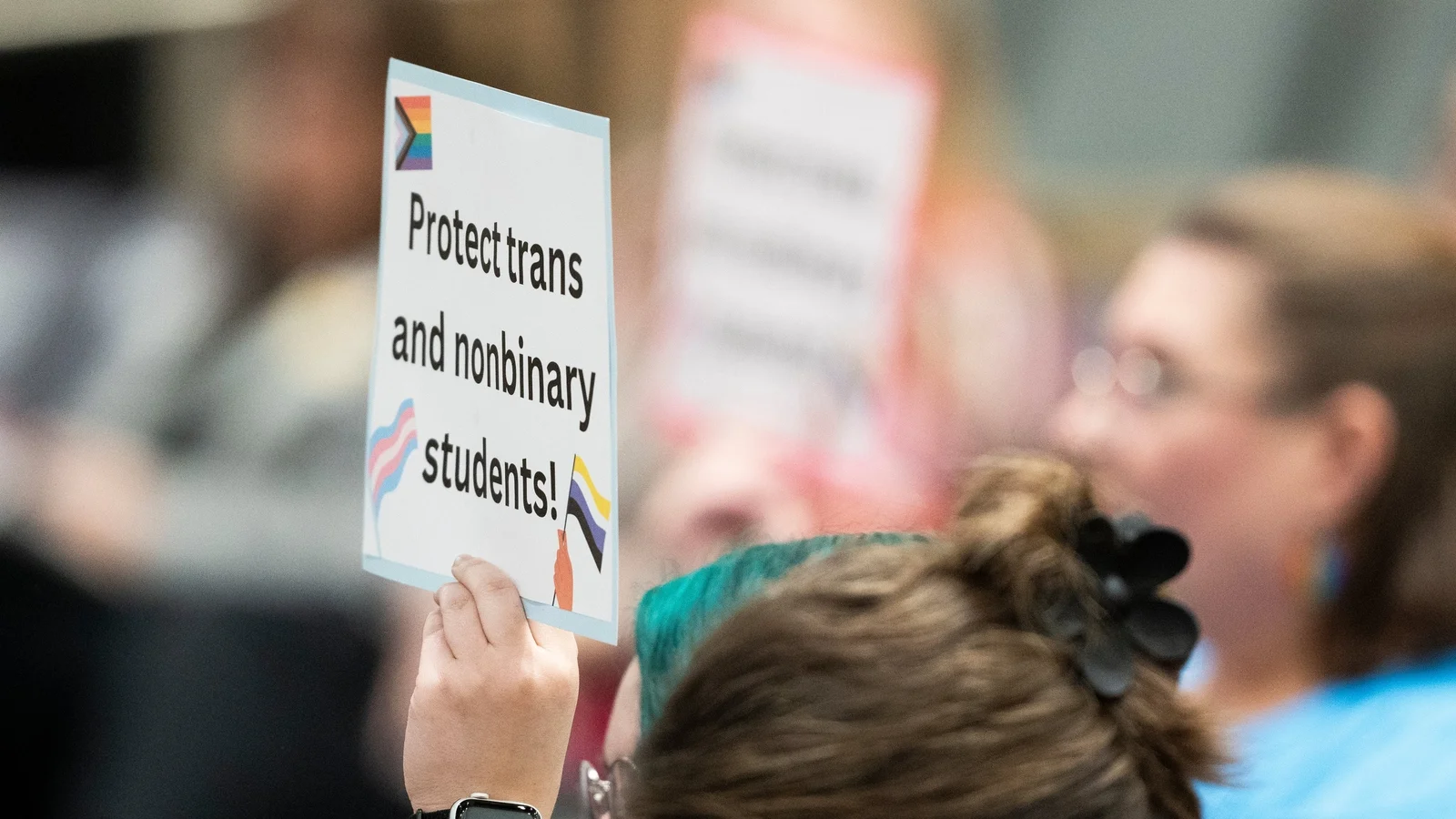
But last month that uncomplicated canvas of childhood was pulled into a national tug-of-war when the U.S. Education Department announced it would terminate six resolution agreements that had been negotiated with school districts to protect transgender and gender-nonconforming students. The agreements — reached under previous administrations — were designed to ensure equal access to education, consistent with Title IX’s prohibition on sex-based discrimination. In an instant, classrooms and counseling offices across the country felt a little less certain.
Who’s affected?
The department’s move targeted six districts and a community college: Sacramento City Unified School District (California); La Mesa-Spring Valley School District (California); Taft College (California); Cape Henlopen School District (Delaware); Fife School District (Washington); and Delaware Valley School District (Pennsylvania). Administrators in some districts said the policies and protections they’d put in place remain intact; others warned the decision sows confusion.
- Sacramento City Unified School District — officials reiterated their “commitment to the support of our LGBTQ+ students and staff.”
- La Mesa-Spring Valley — said the agreement had already been implemented, and anticipated no immediate change.
- Cape Henlopen, Fife, Delaware Valley, Taft College — all named in the termination notices.
The Education Department’s Office for Civil Rights (OCR) said it would no longer monitor or enforce those particular settlements. Kimberly Richey, an OCR official, framed the decision as a rollback of what she called “unnecessary and unlawful burdens” placed on schools by prior administrations in pursuit of what she described as a “radical transgender agenda.”
What are resolution agreements, and why do they matter?
Resolution agreements are not ceremonial. They are legal settlements between the federal government and educational institutions to correct violations of civil-rights laws — in this case, agreements intended to ensure transgender students could use restrooms, participate in sports, access locker rooms, and be free from harassment on the same terms as other students. To families and advocates, they are a safeguard. To proponents of the recent change, they were an overreach.
Title IX, passed in 1972, is straightforward on paper: educational programs and activities cannot discriminate on the basis of sex. How that principle applies to gender identity, access to facilities, and sports has been the subject of intense debate, legal fights, and administrative shifts over successive presidencies. The termination of these agreements is the latest flip in a policy Rubik’s cube.
Voices from schools and communities
“We didn’t make rules to be controversial,” said Dana Morales, a middle-school counselor in Sacramento, voice low and weary. “We made rules because kids were hurting. Because a student was terrified to change for gym. Because a parent thought their child’s name would be respected.”
Parents’ reactions have been raw and varied. “I feel like we’re backtracking,” said Marcus Lee, whose 13-year-old uses they/them pronouns and plays soccer for a district team. “My kid wants to play. My kid wants to be safe. When the rules change, what happens? Do coaches get confused? Do the kids who bully get a green light?”
At the other end of the spectrum, local PTA member Carol Jenkins applauded the department’s move. “Schools should focus on teaching, not social policy,” she said. “This keeps decisions closer to home.”
Experts weigh in
Legal scholars and civil-rights advocates warned the termination could have ripple effects beyond the six named settlements. “This is not a narrow administrative tweak,” said Dr. Renee Patel, a professor of education law. “It signals a broader retreat from federal oversight in cases where students’ gender identity is central. When federal clarity erodes, local policies can vary wildly — creating a patchwork that often leaves vulnerable students exposed.”
Advocates for LGBTQ+ youth point to real-world consequences. Studies and surveys over the past decade have repeatedly shown that transgender and nonbinary young people face higher rates of bullying, homelessness, and mental-health challenges than their cisgender peers. Advocates argue that stable, enforceable protections in schools are among the most effective preventative measures.
Where this fits in the bigger picture
The Education Department’s action is not an isolated event. It sits within a broader moment in which questions about gender, identity, and the role of public institutions have become central battlegrounds. From state legislatures passing restrictions on gender-affirming healthcare and sports participation, to university campuses grappling with speech and protest, policy shifts are being made at every level of government.
Why does this matter beyond the U.S.? Democracies around the world are watching how questions of minority rights and institutional responsibility are being handled. The move raises a universal question: how should pluralistic societies balance majority preferences with protections for vulnerable groups? When the law retreats from enforcing equality, who assumes that role?
Questions to sit with
Consider these: Should the federal government be the final arbiter of how civil-rights laws apply in classrooms? Can protections be both consistent nationwide and responsive to local communities? And finally, how do we reconcile the urgency of protecting young people’s wellbeing with deeply held and divergent beliefs about sex and gender?
These are not rhetorical exercises. They are choices that will shape the daily lives of children like the freckled girl on the playground — a child who might someday look back and recall the day adults decided whether schools were places of sanctuary or arenas for contested politics.
What comes next?
For now, many districts say their policies remain in place. Parents keep emailing principals. Counselors keep their doors open. Advocates are preparing legal strategies; some are promising to bring new complaints should incidents occur. The communities named in the terminated agreements are watching closely and, in many cases, organizing.
“We can argue about policy,” Ms. Alvarez told me as the recess bell rang and kids streamed back inside, “but there’s one rule I’ll never budge on: show up for kids. They’re not collateral in an argument. They’re the reason we’re here.”
As readers around the world, what would you expect from institutions charged with educating the next generation? How do you balance local values with universal rights? The answers will shape schools, families, and futures — and they deserve more than a headline.