At the Foot of the Tower: A City Decides Whether to Open Its Gates
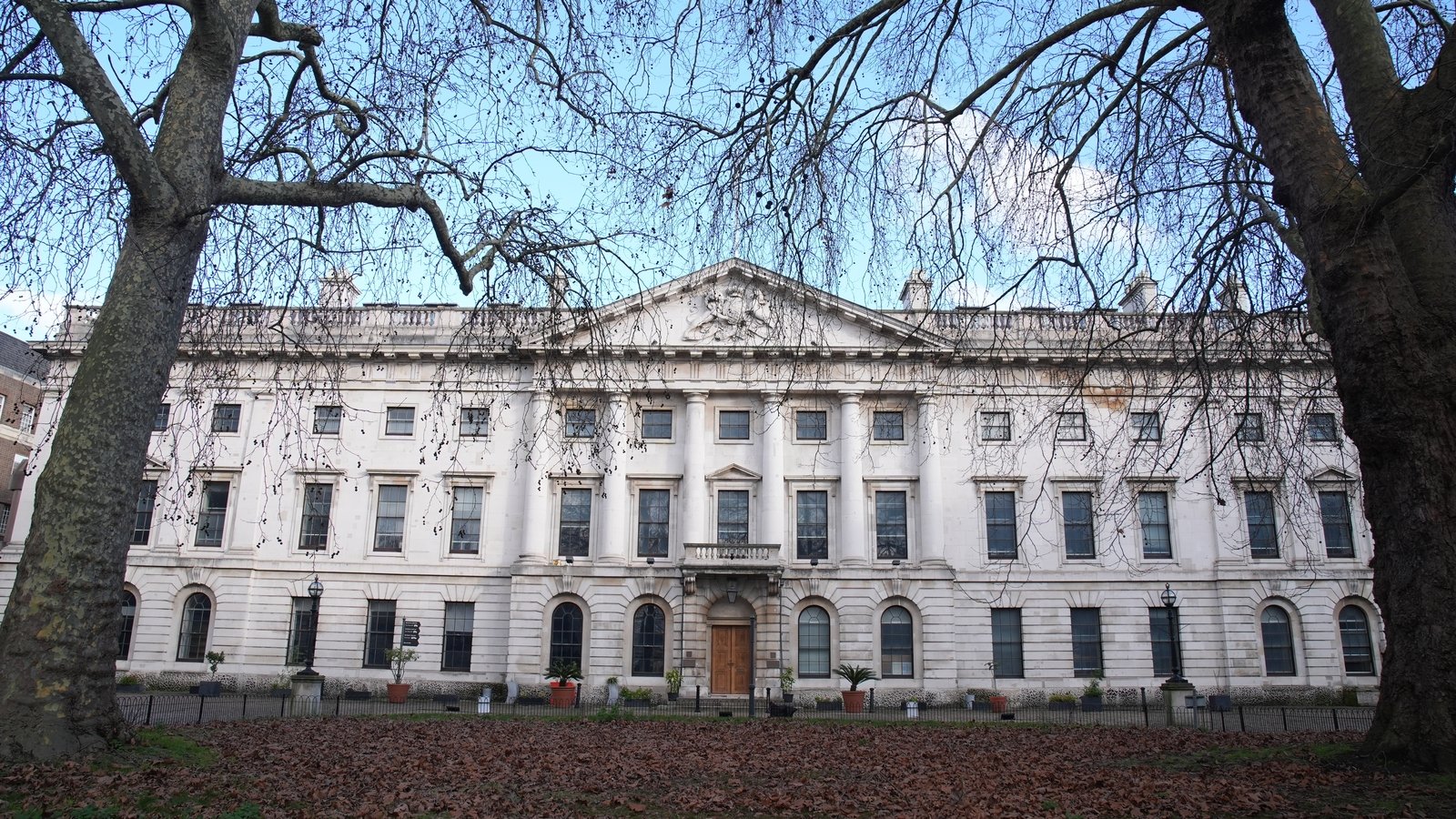
On a chilly morning beside the Thames, where tourists slow their footsteps to photograph the Tower of London and black cabs churn past glass-clad offices, an ordinary block of Georgian brick has become the latest battleground in a global struggle over influence, security and values.
Royal Mint Court — a small enclave of riverside flats, gated courtyards and a tangle of archaeological ruins — will soon be home to a new Chinese diplomatic complex. Today, British ministers signed off on plans that will gather seven separate Chinese diplomatic outposts into a single compound, a move described by officials as practical and by critics as profoundly risky.
The decision and the tension beneath it
Local Government Secretary Steve Reed gave the formal approval, and Security Minister Dan Jarvis told Parliament he had been “assured that the UK national security is protected” and that the threats posed by the new mission were being “appropriately managed.” The heads of MI5 and GCHQ, too, said they had put together “a package of national security mitigations.”
But the language of reassurance sits uneasily next to another, sharper admission from those very agencies: “It is not realistic to expect to be able wholly to eliminate” national security risks posed by foreign embassies, including this new Chinese mission. In other words: mitigation, yes — eradication, no.
Concerns from Westminster to Wapping
The controversy has drawn a rare, cross-party chorus of alarm. The Joint Committee on the National Security Strategy warned that the development — reportedly the largest Chinese embassy in Europe — could “create a hub for expanded intelligence-gathering and intimidation operations.”
Conservative MP Iain Duncan Smith, who has himself been sanctioned by Beijing, put it bluntly: “At a time when the Chinese Communist Party is intensifying its intimidation of Britain, this decision sends entirely the wrong message.”
David Alton, a member of the Interparliamentary Alliance on China, expressed a similar disbelief: “How do you manage people like the spies who have been operating across Parliament? How do you manage people who are working in espionage?”
On the ground, the mood is no less raw. Christopher Mung, a former Hong Kong district councillor who fled to Britain in 2021, said through clenched emotion: “I feel betrayed by the UK government.” For him and for many in the diaspora, embassies can be more than conduits of diplomacy — they can be instruments of coercion.
Why this place matters
Royal Mint Court is not random. It sits cheek-by-jowl with the symbols of British history and state power: the Tower, the Thames, and a patchwork of narrow lanes that still carry the ghosts of minting and maritime trade. Residents and archaeologists have long guarded the site’s historic ruins; opponents say elements of the approved plan obscure or redact access to these remains.
For locals such as Mark Nygate, treasurer of the Royal Mint Residents’ Association, the decision has a very immediate dimension: “We are preparing for a judicial review,” he told reporters, anxious about whether planning rules were followed and whether the decision was pre-determined. His group has instructed lawyers to press the matter in court.
Security vs. Sovereignty: What the government says
Ministers have emphasised that diplomatic missions routinely include classified facilities and that these were considered in the planning process. “This was a quasi-judicial process,” Mr Reed said, stressing that decisions were made on evidence and planning rules, and reminding critics that the ruling stands unless successfully challenged in court.
Supporters in government argue that consolidating multiple diplomatic buildings into one site actually has “national security advantages” — a single perimeter, fewer scattered assets to monitor, and clearer lines for security protocols. Parliament’s Intelligence and Security Committee stopped short of full endorsement but said concerns “can be satisfactorily mitigated,” even while warning that China “continues to target the UK and its interests prolifically and aggressively.”
What the critics really fear
Fear of espionage is not abstract. Past incidents of surveillance, interference and intimidation directed at political figures, academics and diaspora communities have seeded deep mistrust. Opponents of the Royal Mint Court plan worry about proximity: the site sits close to key national institutions and public spaces, and the new campus would create a larger, consolidated footprint that critics say could be exploited.
“This is not just about CCTV and staff badges,” said one security analyst who asked not to be named. “It’s about the hard-to-see levers of influence — personnel, technology, outreach — and how difficult it is to police those inside an embassy, which is, by definition, protected territory.”
Between trade deals and values: the global stakes
The arguments in London mirror a much broader international dilemma: how to balance economic ties with geopolitical risk. China is an indispensable partner for many countries — a major trading partner, investor and source of tourists and students — yet its government is also seen by many Western security services as a sophisticated and persistent state competitor.
As Prime Ministerial trips to Beijing are mulled for economic opportunities, activists warn against trading away human rights and democratic principles. “I don’t think we should compromise the core values this society is upholding,” Christopher Mung said, urging the Prime Minister not to visit unless there are clear signs of improving freedoms in Hong Kong.
How do governments reconcile the tangible benefits of engagement — jobs, investment, research partnerships — with the harder-to-measure costs to civic space, political autonomy and individual safety? Can a balance be struck that does not leave whole communities feeling exposed or abandoned?
What comes next
Expect the legal fight to be fierce and the political debate to continue. Campaigners backed by the Interparliamentary Alliance on China vow to pursue judicial review, focusing on the planning process, redacted parts of the scheme and the historic remains at the site. Parliament will keep asking questions about the sufficiency of mitigations even as ministers insist responsibilities have been met.
- Approved plan: consolidates seven Chinese diplomatic buildings into one Royal Mint Court site
- Intelligence stance: mitigations proposed, but agencies cannot promise total elimination of risks
- Local response: residents’ association preparing judicial challenge; concerns over historic ruins
- Political fallout: cross-party unease, calls for clarity ahead of any high-level engagements with Beijing
Final thoughts: a city that is also a crossroads
Walking past Royal Mint Court, you can feel the contradiction in one quick sweep: the ancient stones of England’s past beside the glass and steel of a capital that has to negotiate the future. This is more than a planning dispute. It is a public moment where a city — and a country — must choose how transparent it wants to be about the trade-offs it makes.
Do we believe that security can be “managed” without being diminished? Are the safeguards proposed adequate for a mission that critics call the largest of its kind on the continent? And in a world where state power is exercised in new, sometimes invisible ways, who gets to decide what risks are acceptable?
Whatever the outcome in court or in politics, Royal Mint Court will stand as a small, conspicuous test case of a larger question: how liberal democracies live with the realities of an interconnected, contested world. Passers-by will still feed pigeons, couples will still lean on the railings watching the river, and the Tower will keep its centuries-old watch — but the conversation about what kind of country Britain wants to be is only just beginning.